When I was a boy Antiquity was an amphora mouth on a sandy seabed not deeper than three meters. I would approach it with a trident in my hand and, at the top of it, a white tissue. Octopuses are attracted by white things and get out of their favorite burrow to attack the piece of fabric; this is the moment for harpooning them. It is a simple and fruitful submarine hunting technique.
I must have been fifteen or sixteen. The waters were those of Porto Clementino, on the shore of Tarquinia. I had not yet seen the painted tombs.
Once I took up a big cephalopod still grasping its terracotta dwelling and, when somebody told me that a guy was ready to pay up to twenty thousand liras for an intact Roman amphora, I moved further away. In front of Pian di Spille military camp, I found, at a depth of about six meters, several vases of the type Dressel 1A or 1B. With a rudimentary winch, made out of a line and a rubber roll, I could recover them by myself.
The following winter I hired a motorcross bike and together with a friend I would ride on Sundays through the abrupt countryside around Blera exploring Etruscan tombs. We were never the first ones to enter although this did not prevent us from finding fragments of a black bucchero or of a painted vase.
In February 1971 an earthquake struck the little city of Tuscania. With three friends we went to give a hand having taken a shovel to help digging.
We would sleep in army tents and warm up in the evening with the 50° weird alcohol the soldiers would generously give us. During the day we would dig out the old borgo obstructed streets; occasionally we would enter an abandoned apartment: family photographs spilled out of shoe boxes, knickknacks, doilies and lace covered with dust and rubble.
I then saw Etruscan sarcophagi lined up around the walls of the city hall square along with their decapitated statues: it was the work of the tombaroli. I also saw the mutilated apse of the most beautiful church in the world, the Romanesque basilica of San Pietro (I wonder now whether that is a real memory or the result of various condensed images since I visited the destroyed churches also in Irpinia, also affected by an earthquake in 1980).
Later on during my university years, I had chosen a degree in Etruscology, which came to an end with the requirement that I pass a German language test. These were also the times of the student movement and I was pretty busy with meetings that were more like boxing matches.
After the university period, I moved on to other things but I always went back to the tombs of Tarquinia. I could say that I visit them more than my parents (hoping they won’t detest me for that). I went there when they were all accessible (open) to the public; then, when they were opened only on an annual rotation (the breathing of the tourists and the variations in humidity and temperature being very damaging for the paintings) and eventually now that they are visible behind the double glass that seals off their entrance.
The British writer D. H. Lawrence (1885-1930) visited maybe two dozen Etruscan sepulchers of the Monterozzi necropolis during two days in April 1927. He describes visiting fifteen of them (see Etruscan Places, posthumously published in 1932). It is on that occasion that he points out the idea of a Etruscan joyousness and hedonism opposed to the Roman austerity and militarism; an interpretation that would support his polemics against Mussolini’s regime, which saw itself as the heir of the powerful Romanitas.
I will here describe a few of these painted tombs in my own way.
Tarquinia B 01. On the threshold of the Hunting and Fishing cubicle an Inuit poet gives rhythm to his duel song with the sealskin drum, while the two Ayakutok co-wives laugh before the William Thalbitzer photo camera, at Ammassalik, in Summer 1903. A young Etruscan hunts birds with a sling, another one jumps from a rock into the sea. “Here is the real Etruscan liveliness and naturalness”, Lawrence would say.
.
Tarquinia B 02. The two multicolored Charun that watch the underworld door have found companions: a few Ainu, members of the ethnic minority that dwells on the Japanese island of Hokkaido. The wise anthropologist who measured them in 1929 (later author of the useful booklet How to recognize and explain the Jew?) ended up shot by the French Resistance and surely finds himself in the circle of the collaborators.
.
Tarquinia B 03. Inside the Lionesses tomb a party is noisily taking place: people orgiastically dance, play the double flute, drink stirring beverages. Dolphins dive into a grey sea, while a Greenlander hunter stands beside the hole he dug into the ice. Soon a seal will approach to take a breath. On the right wall of the sepulcher a bleached blonde reclining man “holds up the egg of resurrection”.
.
Tarquinia B 04. In the chamber of the Lotus flower Hopi warriors perform their traditional dances before Aby Warburg, in New Mexico in 1895. On the opposite side of the Americas a Ona youngster from Patagonia fixes up his headdress before accomplishing the phallic ritual before the missionary and photographer Martin Gusinde, somewhere in the early Twenties. The bare wall of the tomb presents a proper backdrop.
.
Tarquinia B 05. The tomb of the Hunter is decorated like a hunting lodge; a row of lions, bulls, deers, dogs and riders tread on its walls. In such a space several types of Chinese are gathered. They show their faces and profiles, but are not so recognizable: the squared pattern of the ceiling and the colored dots on the sides mix up their outlines. After all: aren’t we all equal, down there, humans and animals alike?
.
Tarquinia B 06. In the tomb of the Jugglers a girl holds upon her head a candelabra, while a young man is trying to pile up on it some little discs or plates; the deceased is sitting on the right-hand side and is observing them. Two upstanding Kwakiutl men are posing in their ceremonial dresses, in summer 1904. They are preparing the potlatch ritual, where they will break copper shields and distribute English blankets and plates, without waiting for a payback.
.
Tarquinia B 00. A little squeezed under the low roof of the tomb 3713, Franz Boas is miming, for the puppet builders of the National Museum of Natural History, the hamatsa ceremony, the so-called cannibal dance of the British Columbia Kwakiutl. A little uneasy in their purple dresses washed out with time and oblivion Etruscan dancers from the IV Century b. C. accompany him with cithara and tambourine.
.
Here you’ll find an excerpt from a slide show that my friend Donnini helped me put together.
We overlaid the slide show with a soundtrack taken from a video recording of a Hopi snake dance, filmed in 2013 by Carlos Gonzalez Navarrete (https://www.youtube.com/watch?v=uLAljtw_5io).
(August 2026)
.
2025-2026: Tarquinia B, new series.
Tarquinia B 07 (2025). Some of the approximately three hundred Samaritans who were registered and photographed by anthropologist Giuseppe Genna in Palestine, at Kiryat Luza, in the 1930s, as representatives of an “authentically Semitic” population, can be found again in the Funeral bed tomb, whose paintings were removed on the instructions of Cesare Brandi from the Monterozzi necropolis in Tarquinia and relocated to the basement of the Etruscan Museum of Villa Giulia, where they remain to this day, less intrusive than my “authentic” Semites.
.
.
Tarquinia B 10, Tomba della caccia e della pesca, Inuit, 30×30 cm, 2026.
.
Tarquinia B 11, Tomba Cardarelli-Samaritans, 30×30 cm, 2026.
.
Tarquinia B 12, Tomba Moretti-Drum contest, 30×30 cm, 2026.
.
Tarquinia B 13, Tomba della caccia al cervo-Kwakiutl, 30×30 cm, 2026.
.
Tarquinia B 14, Tomba Bartoccini-Keams Canyon, 30×30 cm, 2026.
(See also the article Keams canyon, May 1896)
.
Tarquinia B 15, Tomba Bettini-Keams Canyon teacher, 30×30 cm, 2026.
.
Tarquinia B 16, Tomba dei fiorellini-Palestinians, 30×30 cm, 2026.
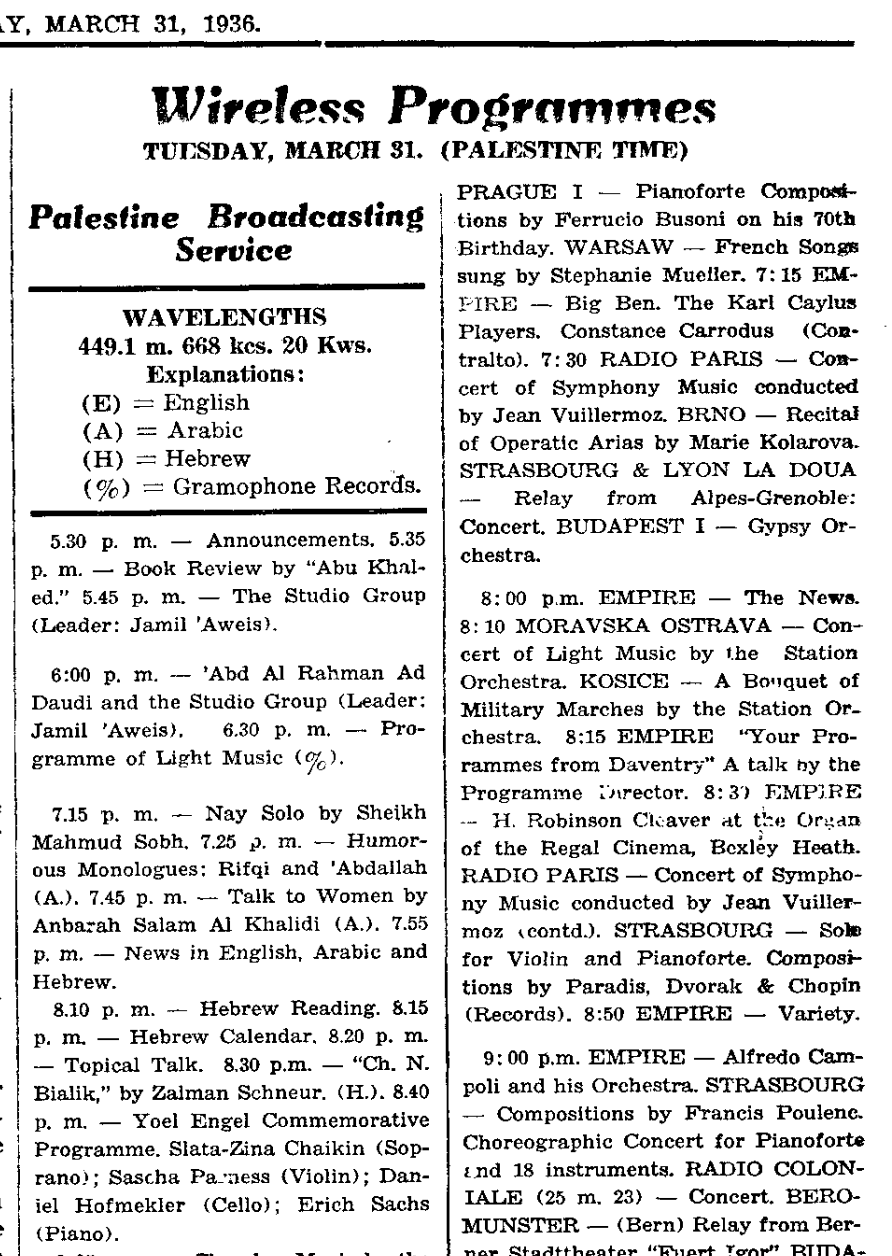
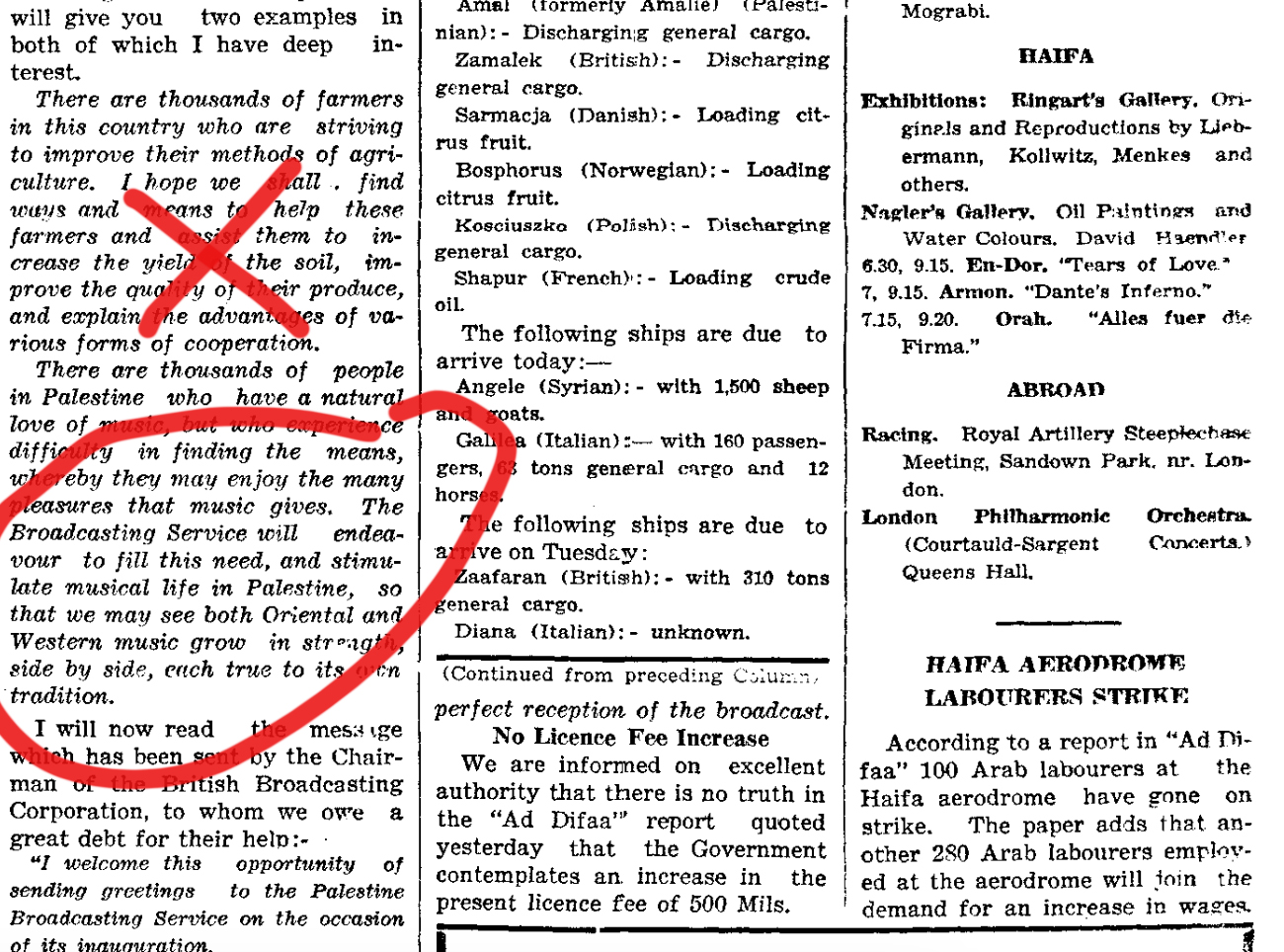
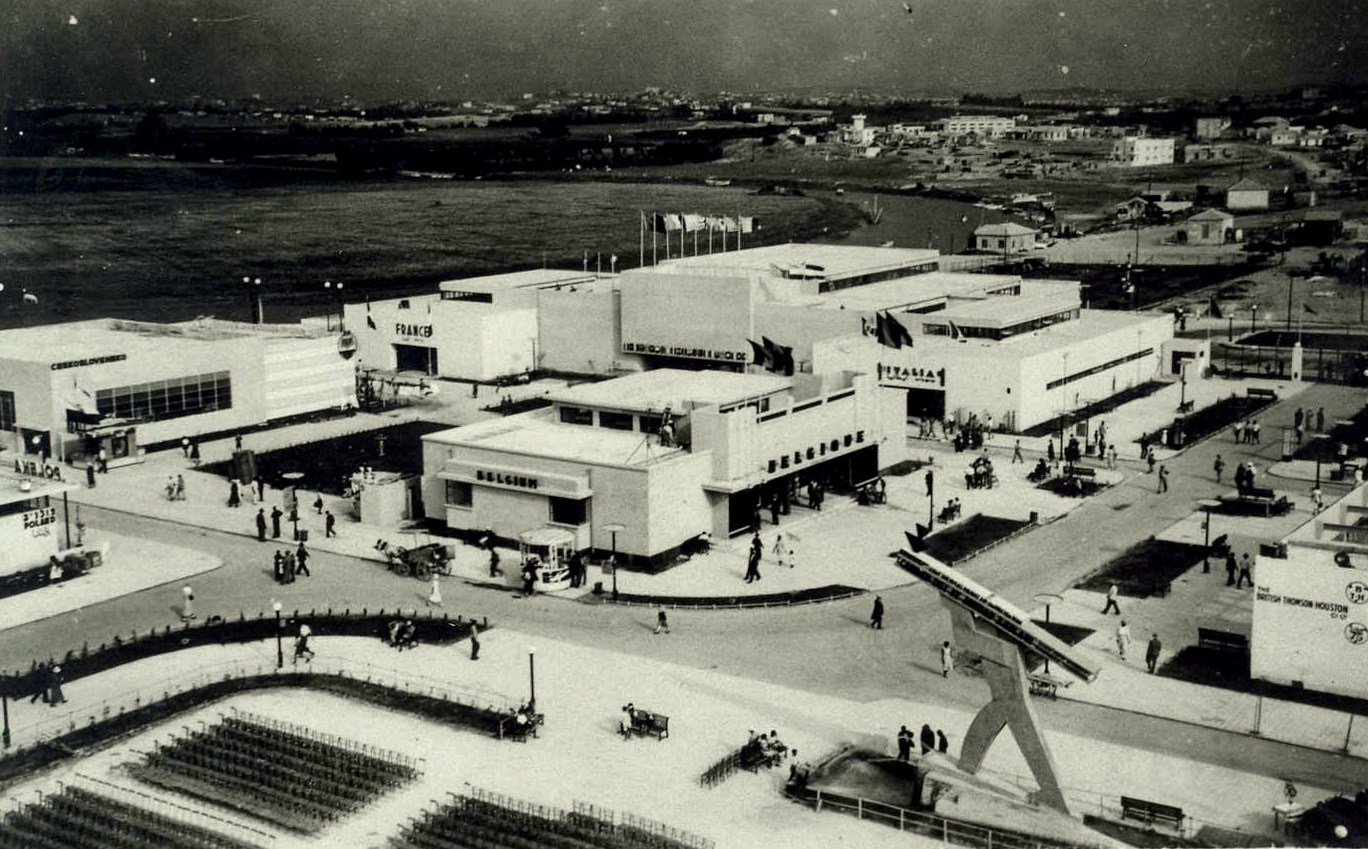
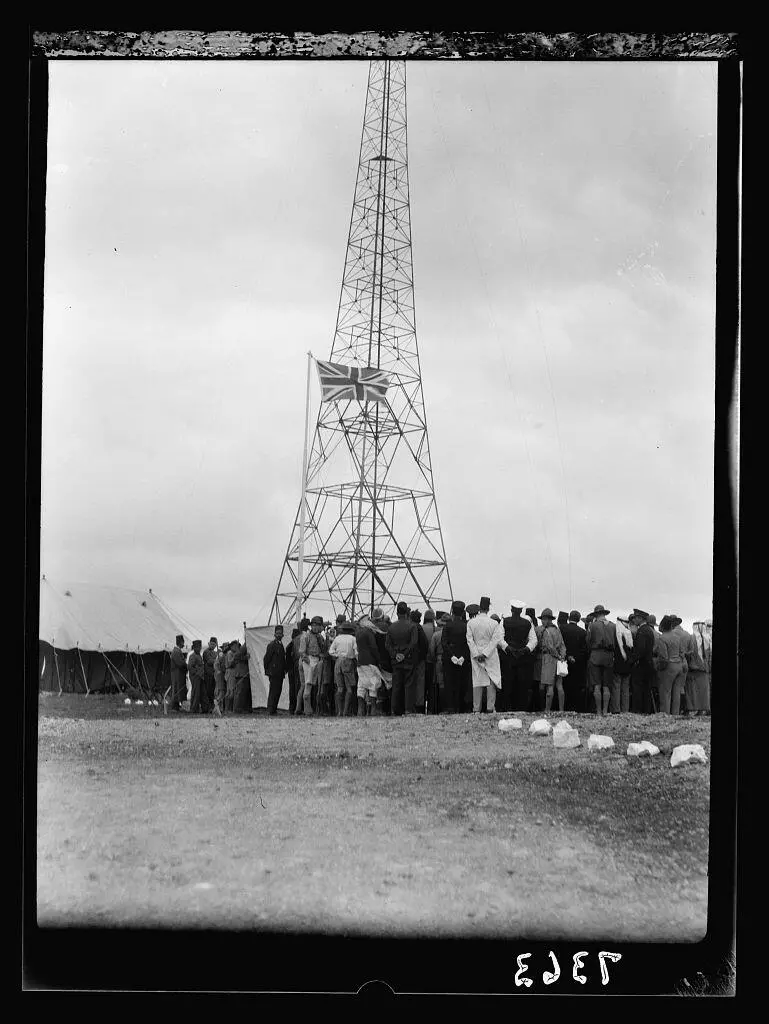
(See also: Palestine Broadcast Service)
.
Tarquinia B 17, Tomba dei Leopardi-Hostile Hopi, 30×30 cm, 2026.
(See also: Hostile Hopi)
.
Tarquinia B 18, Tomba Pallottino-Hopi Women, 30×30 cm, 2026.
Il testo che segue, se può interessare qualcuno, è la premessa a un lavoro che sto compiendo, l’intervento cioè su alcune fotografie scattate da Aby Warburg nella primavera del 1896, nel Nord-Est dell’Arizona (USA).*
Gli Hopi sono una tribù amerindiana stabilitasi all’incirca mille anni fa (chi dice nell’ottavo secolo, chi dice nel tredicesimo) nei territori desertici situati fra il Nuovo Messico, il Colorado e l’Arizona. Attualmente autogovernano una ridotta riserva all’interno della più vasta riserva Navajo. Abitano (abitavano) villaggi di case trogloditiche raggruppate su altipiani rocciosi, le mesa.
Il primo contatto degli Hopi con gli Occidentali risale al 1540, quando il conquistador Francisco Vàzquez de Coronado venne a sapere della loro esistenza e ne fece un primo censo. In seguito i conquistatori spagnoli intrapresero la loro conversione al cattolicesimo. Nel 1629 trenta frati francescani approdarono nel loro territorio.
Nel 1680 ebbe luogo la grande rivolta dei Pueblo e degli Hopi uniti, che gli spagnoli misero vent’anni a domare.
Alla fine di quel secolo l’unico villaggio che i missionari erano riusciti a convertire era quello di Awatowi. Nell’inverno 1700-1701 squadre scelte provenienti dagli altri villaggi Hopi attaccarono Awatowi. Tutti gli uomini furono uccisi, le donne e i bambini trasferiti negli altri villaggi, le case bruciate sino alle fondamenta. Gli spagnoli rinunciarono alla colonizzazione degli Hopi e la loro presenza divenne sporadica.
Il primo contatto con i nuovi occupanti, gli Stati Uniti d’America, avvenne nel 1850 (due anni dopo la conclusione della guerra in cui gli USA incorporarono il 55% del territorio messicano).
Nel 1875 Loololma (o Lololomai secondo altre dizioni), capo del villaggio di Oraibi (considerato il più tradizionale fra gli insediamenti Hopi) fu condotto a Washington per incontrarvi il presidente degli Stati Uniti. Ne rientrò convinto della necessità di far costruire scuole, per poter accedere al livello di civiltà degli americani ed essere capaci di produrre grandi quantità di granturco, l’alimento base degli Hopi.
Nel 1887 fu edificata una prima scuola al Keams Canyon. Rappresentava una vera impresa di conversione e, in seguito a una forma di resistenza passiva, accolse pochi alunni (1); finché nel 1890 truppe federali, sotto la minaccia dell’arresto dei loro genitori, non vi condussero a forza i bambini.
Nel 1893 fu aperta una nuova scuola a Oraibi. L’anno successivo un gruppo di genitori rifiutò di mandarvi i figli. L’esercito americano intervenne, arrestò diciannove padri e li deportò nella prigione di Alcatraz, dove rimasero detenuti per diversi mesi (novembre 1894-settembre 1895) (2).
Nel 1906 infine, in conseguenza di conflitti intercomunitari che si focalizzavano sulla questione dell’educazione oltre che su quella del possesso delle terre, il villaggio si scisse: i “collaboratori” (“friendlies”) rimasero a Oraibi; mentre i “resistenti (“hostiles”), sotto la guida di Lomahongyoma, capo del clan del Ragno, fondarono un nuovo insediamento, Hotevilla.
Nell’inverno 1895-1896 Aby Warburg, dopo un soggiorno allo Smithsonian Institute di Washington, visita diversi villaggi amerindiani del Nuovo Messico e assiste ad alcune cerimonie (ma non alla danza dei Serpenti). Da Albuquerque va a Laguna, poi ad Acoma; a San Ildefonso vede la danza delle Antilopi. A fine aprile 1896, dopo un soggiorno in California, è di ritorno nei territori Hopi dell’Arizona. Dopo due giorni di viaggio in calesse nel deserto, arriva al Keams Canyon e di lì raggiunge Walpi e Oraibi. In quest’ultimo luogo assiste alla danza humiskatcina.
Quindi Warburg si trova a Oraibi al più tardi sette mesi dopo il rilascio dei diciannove “hostile” dall’isola di Alcatraz. Se nel resoconto del suo viaggio (la famosa conferenza del 25 aprile 1923 a Kreuzlingen) (3) non fa menzione di questo episodio, sembra difficile che non ne sia venuto a conoscenza. E, se tutto il suo testo gira intorno alla questione del conflitto fra “l’anima” Hopi e la cultura occidentale e l’aspetto dell’educazione vi è più volte toccato, egli non pare essere stato al corrente dei metodi di educazione forzata praticati dal governo federale statunitense. Egli cita solo la difficoltà con cui il capo del villaggio di Acoma riesce a far entrare in chiesa i riluttanti Indianer.
Infine, la figura 27 del “PowerPoint” di Kreuzlingen mostra un piccolo gruppo di scolari “graziosamente abbigliati e coi grembiulini”, che non credono più ai “demoni pagani”. Ma a quest’osservazione, apparentemente ironica, segue un’affermazione lapidaria: “I bambini stanno dinnanzi a una caverna. Condurli alla luce, è il compito non solo della scuola americana, bensì dell’umanità in generale”.
.
Le prime quattro foto che seguono illustrano le differenti fasi dell’arresto e dell’internamento dei diciannove genitori Hopi (fra cui si riconosce, in posizione centrale, il capo della fazione “resistente”, Lomahongyoma). Le due successive sono state scattate con l’apparecchio Kodak di Warburg: vi si può riconoscere il maestro Neel con due alunne e i bambini di fronte alla grotta da cui la civiltà occidentale si adopera ad estrarli.
.
Nota gennaio 2023: questa piccola ricerca ha dato luogo a una serie di lavori, in cui sovrapponevo le foto fatte da Warburg a Oraibi, le pagine di una petizione dei capi Hopi per la terra in comune e i disegni da me imitati delle loro firme: Keams Canyon 1896.
.
(1) “The Keams Canyon School was organized to teach the Hopi youth the ways of European-American civilization. It forced them to use English and give up their traditional ways. The children were made to abandon their tribal identity and completely take on European-American culture. They received haircuts, new clothes, took on Anglo names, and learned English. The boys learned farming and carpentry skills, while the girls were taught ironing, sewing and “civilized” dining. The school also reinforced European-American religions.”
Questa citazione, così come le informazioni che precedono e buona parte di quelle che seguono, è tratta dall’articolo di wikipedia “en.wikipedia.org/wiki/Hopi”.
(2) Su questa vicenda e per le relative quattro fotografie da me riprodotte vedi il sito web del parco nazionale di Alcatraz: www.nps.gov/alca/learn/historyculture/hopi-prisoners-on-the-rock.htm.
Vedi anche: S. Rushfort, S. Upham, A Hopi social History, Austin, Texas, 1992; M. S. Gilbert, Education beyond the Mesas: Hopi Students at Sherman Institute, 1902-1929, Lincoln, Nebraska, 2010; H. C. James, Pages from Hopi History, Tucson, Arizona, 1974; Peter M. Whiteley, Deliberate Acts, Changing Hopi Culture Through the Oraibi Split, The University of Arizona Press, Tucson, 1988.
(3) A. Warburg, “Il rituale del serpente”, aut aut, 199-200, gennaio-aprile 1984, pp. 17-39; vedi anche il fondamentale B. Cestelli Guidi, N. Mann, Photographs at the Frontier. Aby Warburg in America, 1895-1896, London 1998. E senza dimenticare Aby M. Warburg, Images from the region of the Pueblo Indians of North America, Translated with an interpretive essay by Michael P. Steinberg, Ithaca and London, 1995. Non male il David Freedberg, “Pathos at Oraibi: What Warburg did not see“, in Lo sguardo di Giano: Aby Warburg fra tempo e memoria, ed. C. Cieri Via e P. Montani, Torino 2004), pp. 569-611.
.
I diciannove “renitenti” ad Alcatraz.
.
Bambini scolarizzati, con il maestro e davanti alla grotta di cui alla Fig. 27 del Rituale del serpente. Foto di Warburg (1896). Da B. Cestelli Guidi, N. Mann, Photographs at the Frontier. Aby Warburg in America, 1895-1896, London 1998.
.
Petizione per la terra comune, marzo 1894.
.
I simboli dei capi religiosi.
2021, Keams Canyon 00, 40×30. Dove utilizzo le due immagini precedenti.
.
Le pagine finali della conferenza di Kreuzlingen (1923), in “Il rituale del serpente”, aut aut, Gennaio-aprile 1984.
.
E due foto più tardive (1905):
(Southwest Museum Collection, Los Angeles, CA, USA)
Un testo introduttivo, sette scritture su carta Curious translucents 140 gr. e sette stampe digitali d’arte al formato 15×15 su carta offset 350 gr.
30 esemplari firmati e numerati.
.
All’edizione a tiratura limitata del 2016 fa seguito nel 2026 una seconda edizione accresciuta, quindi una proiezione che verrà presentata a Viterbo nel settembre dello stesso anno.
. Tarquinia B 00. Pallottino/Boas Kwakiutl.
.
Tarquinia B 01. Caccia e Pesca/Ammassalik Inuit.
.
Tarquinia B 02. Caronti/Ainu.
.
Tarquinia B 03. Leonesse/Breathing hole.
.
Tarquinia B 04. Fiore di Loto/Hopi e Ona.
.
Tarquinia B 05. Cacciatore/racial types.
.
Tarquinia B 06. Giocolieri/Kwakiutl.
.
Lo scrittore britannico D. H. Lawrence (1885-1930) visitò forse due dozzine di sepolcri etruschi della necropoli di Monterozzi a Tarquinia fra un pomeriggio e una mattinata dell’aprile 1927 e ne descrisse quindici (cfr. Etruscan Places, pubblicato postumo nel 1932). È in quell’occasione che esprime l’idea di una gioia e di un edonismo etruschi in contrapposizione all’austerità e al militarismo romani; un’interpretazione che avrebbe sostenuto le sue polemiche contro il regime di Mussolini, che della potenza romana si voleva erede.
Ho descritto a modo mio alcune di queste tombe dipinte, inserendovi a forza rappresentanti di popolazioni che non ‘’hanno nulla a che vedere’’ (alcuni Ainu dell’isola di Hokkaido accettano di farsi fotografare nella Tomba dei Caronte, mentre nella Tomba delle Leonesse un cacciatore di Ammassalik attende la sua preda, nella Tomba dei Fiori di Loto i guerrieri Hopi eseguono la danza del serpente, nella Tomba del Cacciatore due giovani cinesi sono di guardia per l’eternità, mentre due capi Kwakiutl posano in abiti cerimoniali nella Tomba dei Giocolieri e due Samaritani custodiscono la Tomba del Letto Funerario).
Nell’agosto 2026, dopo aver visitato tutte le tombe affrescate accessibili della necropoli di Monterozzi, e dopo aver selezionato le fotografie di sei tombe e averle sovrapposte a immagini del mio archivio — ancora popoli stranieri e invadenti: Samaritani di Kiryat Luza, Kwakiutl della Colombia Britannica, Hopi renitenti alla scuola degli US, Inuit di Ammassalik, musicisti palestinesi, Ona della Patagonia, tutti “zombi” che calpestano la nostra amata patria tusca.
Appartengono tutti a minoranze etniche, a civiltà che in alcuni casi erano fiorenti già ai tempi degli Etruschi. Le cavità dipinte diventano palcoscenici teatrali per ospiti provenienti da altri mondi.
.
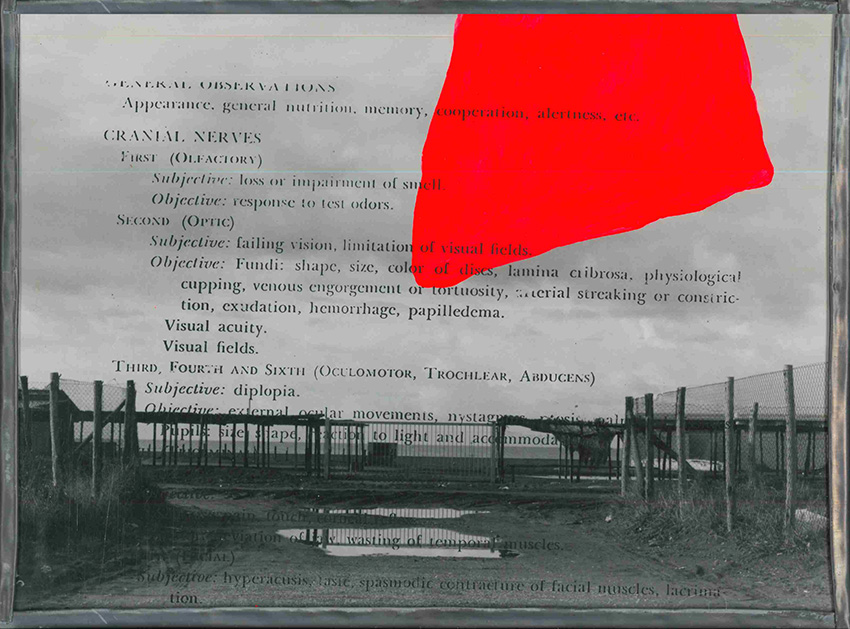
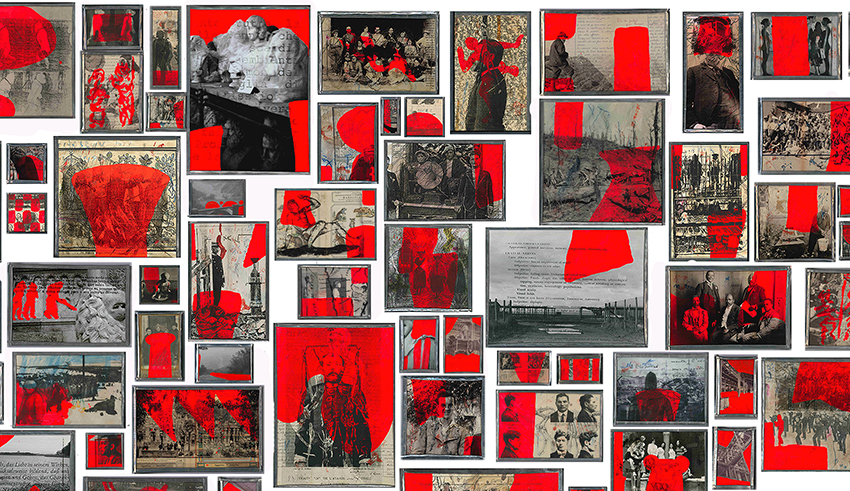
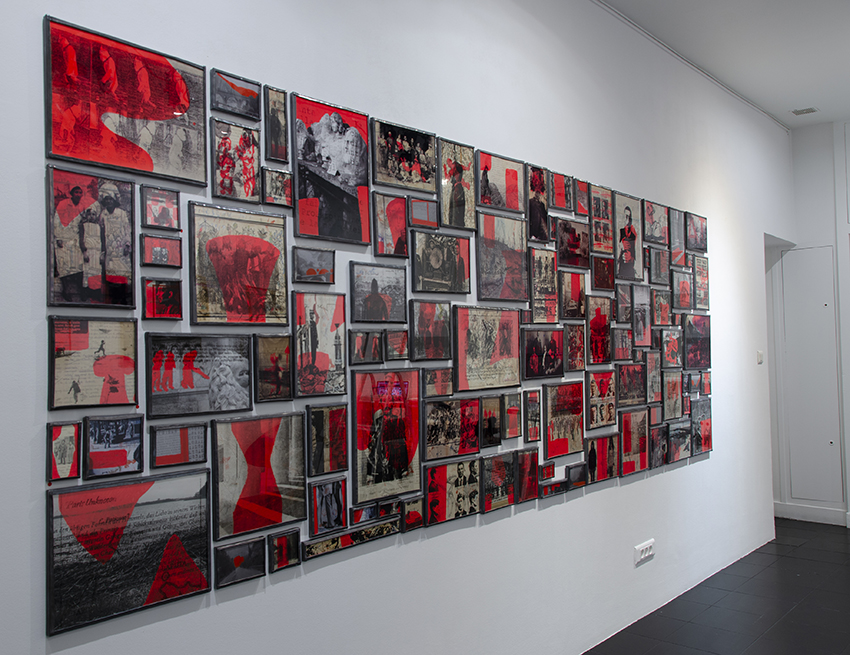
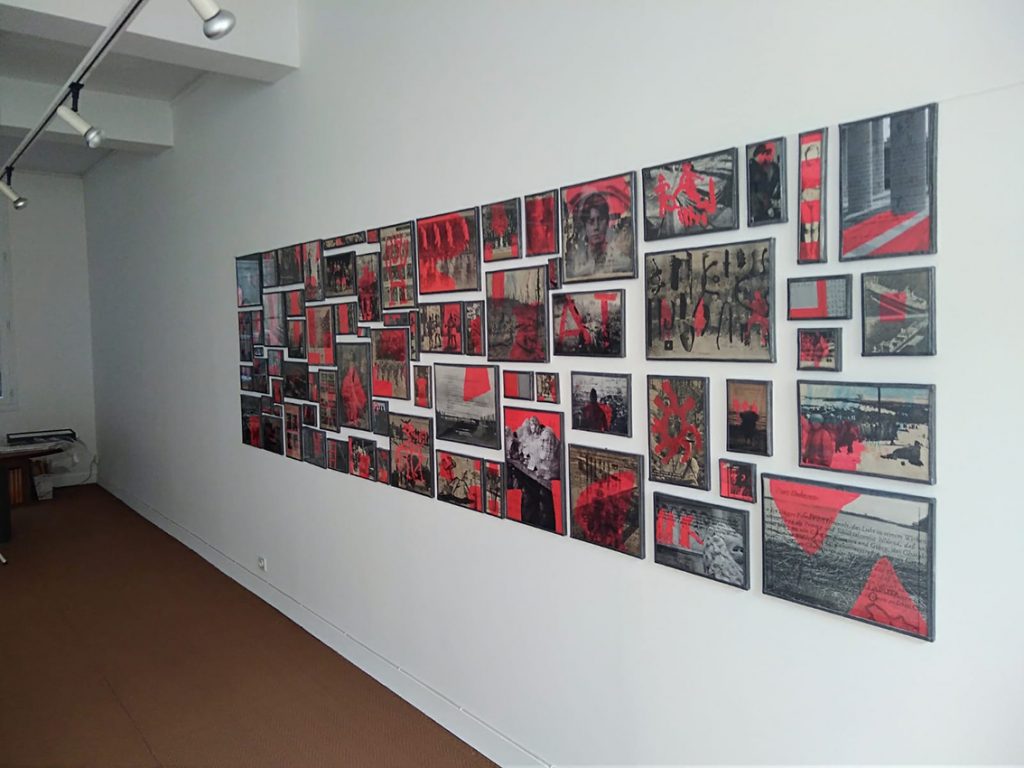
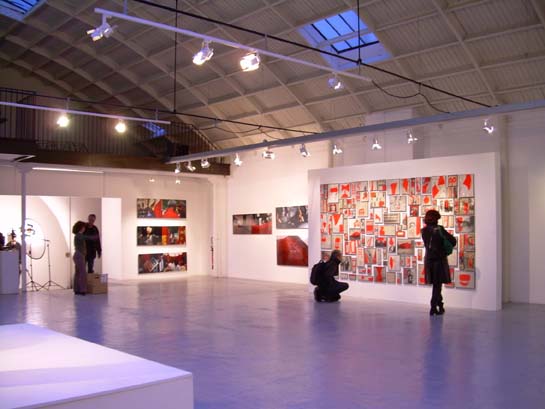
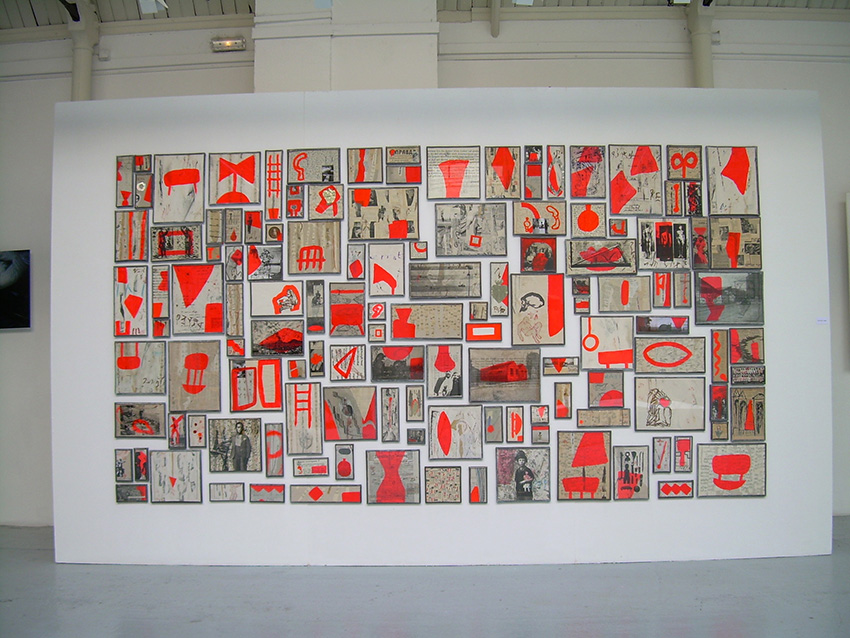
I lavori della serie Tarquinia B (2015-2026, stampa inkjet su carta fotografica, stampa manuale o numerica su vetro, cornice in piombo, 30×30 cm) accompagnano la proiezione:
Tarquinia B 02, 2015, Tomba dei Caronti-Ainu Tarquinia B 04, 2015, Tomba del fiore di loto-Hopi e Ona Tarquinia B 05, 2015, Tomba del cacciatore-Chinois Tarquinia B 07, 2025, Tomba del letto funebre-Samaritani Tarquinia B10, 2026, Tomba della caccia e della pesca-Inuit Tarquinia B 11, 2026, Tomba Cardarelli-Samaritani Tarquinia B 12, 2026, Tomba Moretti-Drum contest Tarquinia B 13, Tomba della caccia al cervo-Kwakiutl Tarquinia B 14, 2026, Tomba Bartoccini-Keams Canyon alunni Tarquinia B 15, 2026, Tomba Bettini-Keams Canyon maestro Tarquinia B 16, 2026, Tomba dei fiorellini-Palestinesi Tarquinia B 17, 2026, Tomba dei leopardi-Hostile Hopi Tarquinia B 18, 2026, Tomba Pallottino-tre donne Hopi
.
Un estratto dal testo che accompagna il portfolio Intrusi in posti etruschi (2016-2026):
All’inizio l’antichità è stata per me una bocca d’anfora affiorante su un fondale sabbioso non più alto che tre metri. Mi ci avvicinavo con la fiocina cui avevo annodato uno straccio bianco. I polpi sono attratti dal bianco ed escono dalla loro tana preferita per avventarsi sul pezzetto di stoffa; è quello il momento di arpionarli; si tratta di una tecnica di caccia subacquea semplice e fruttuosa.
Dovevo avere sui quindici anni. Il fondale era quello del Porto Clementino, sul litorale di Tarquinia. Ancora non avevo visto le tombe dipinte.
Una volta tirai su un polpo insieme con il suo concavo rifugio e, quando mi indicarono un personaggio che pagava anche ventimila lire per un’anfora romana intera, mi spostai su altri fondi, di fronte al poligono militare di Pian dei Spilli, ove trovavo sui cinque-sei metri certe anfore tipo Dressel 1A o 1B. Con sagola e rullo di gomma mi ero fatto un rudimentale argano e potevo cavarmela da solo.
Già l’inverno successivo affittavo una moto da cross insieme con un amico, la domenica, e andavo alla ricerca di tombe etrusche nelle forre intorno a Blera e a Barbarano. Non eravamo i primi a entrarvi, ma ne riuscivamo sempre con qualche frammento di bucchero o di ceramica dipinta.
Nel febbraio del 1971 ci fu il terremoto di Tuscania. Con tre compagni mettemmo in macchina una pala trovata in garage e andammo a dare una mano. Alloggiavamo in tende militari e ci scaldavamo la sera con il “cordiale” in bustine di plastica che i marescialli ci distribuivano generosamente. Di giorno spalavamo le strade del centro storico ostruite dalle macerie; a volte, camminando raso al muro, entravamo in un appartamento sventrato: fotografie di famiglia in scatole da scarpe, ninnoli sparsi al suolo, centrini e pizzi coperti di calcinacci. Vidi i sarcofagi etruschi mutilati intorno alla piazza Basile: i defunti non erano stati decapitati dal terremoto ma dai tombaroli. Poi vidi l’abside smozzicato della più bella chiesa al mondo, la basilica romanica di San Pietro (è vero ricordo o mistura d’immagini? Chiese crollate ne ho viste anche in Irpinia nel 1980).
Più tardi, all’università, mi ero destinato a una carriera di etruscologo quando l’obbligo di superare un esame di tedesco dirottò altrove la mia attenzione; oltretutto si era sul più bello delle assemblee a esito pugilistico alla Facoltà di Lettere e di studiare non si parlava.
Nella vita ho fatto altro ma alle tombe di Tarquinia sono sempre tornato. Direi che le visito più di quella dei miei genitori, non me ne vogliano a male. A partire dai miei quindici anni, ci sono stato quando erano tutte accessibili, poi quando rimasero aperte secondo una rotazione annuale, e anche quando le hanno fatte visibili di là dei vetri blindati che ne sigillano l’ingresso. (La mia ultima visita è dell’agosto 2026)
.
I testi sovrapposti alle immagini delle tombe con i loro intrusi:
Tarquinia B 00. Un poco strettino sotto i bassi soffitti della tomba 3713, Franz Boas mima, a beneficio dei costruttori di manichini presso il National Museum of Natural History, la cerimonia dell’hamatsa, la cosiddetta danza cannibale dei Kwakiutl della Colombia Britannica. A New York, nel 1895. Un poco impacciati nei loro abiti rossi di porpora slavati dal tempo che passa, danzatori etruschi del IV secolo a. C. lo accompagnano.
Tarquinia B 01. Sulla soglia della tomba della Caccia e della Pesca un poeta Inuit ritma la sua canzone da duello sul tamburo di pelle di foca, mentre le due spose di Ayukutok si schermiscono davanti all’obiettivo di William Thalbitzer, ad Ammassalik, nell’estate del 1903. Un giovane etrusco caccia uccelli a colpi di fionda. “Here is the real Etruscan liveliness and naturalness”, direbbe D. H. Lawrence.
Tarquinia B 02. I due Caronti variopinti che sorvegliano la porta degli Inferi hanno trovato dei compagni: sono Ainu, la minoranza etnica che abita l’isola giapponese di Hokkaido. L’antropologo “scientifico” che li aveva presi e fotografati come “tipi caucasici”, autore nel 1940 dell’utile opuscolo Comment reconnaître et expliquer le Juif? finì abbattuto dalla Resistenza francese nel 1944 e sicuramente sta in inferno.
Tarquinia B 03. Nella tomba delle Leonesse è in atto un festino; si danza, si suona il flauto, si consumano bevande inebrianti. I delfini saltano in un mare cinerino, mentre un cacciatore groenlandese si apposta presso il foro che ha scavato nel ghiaccio. Una foca vi si avvicinerà presto per prendere fiato. Sulla parete di destra, flemmatico, un uomo reclinato mostra al cortese pubblico un bianco “uovo della resurrezione”.
Tarquinia B 04. Nella camera del Fiore di Loto i guerrieri Hopi acconciati perbenino si producono per Aby Warburg in danze tradizionali, nel 1896, in Nuovo Messico. All’altro capo dell’America e qualche anno dopo un indigeno Ona della Patagonia sistema la sua acconciatura prima di compiere il rituale fallico di fronte al missionario e fotografo Martin Gusinde. Un leone e una pantera fanno loro compagnia. La parete è nuda, è un fondale adatto.
Tarquinia B 05. La tomba del Cacciatore è ornata come fosse un padiglione di caccia e le sue quinte sono percorse in fila indiana da leoni, tori, fagiani, cervi, cani e cavalieri. In questo spazio si sono radunati vari tipi di cinesi. Si mostrano di fronte e di profilo ma non sono tanto riconoscibili, i motivi a scacchi del soffitto e le punteggiature sui muri ne confondono i tratti. Ma non si è tutti eguali lì sotto, uomini e animali confusi?
Tarquinia B 06. Nella tomba dei Giocolieri una ragazza mantiene un candelabro in equilibrio sul capo, mentre un giovane tenta di impilarvi dei dischetti; il defunto, seduto tranquillo sulla destra, li osserva. Due notabili Kwakiutl posano nei loro paramenti da cerimonia. È l’estate 1904. Approntano il tradizionale potlatch, in cui spezzeranno scudi di rame e distribuiranno coperte di lana e piatti inglesi, senza attenderne contropartita.
.
Postilla 2025:
Tarquinia B 07. Alcuni dei circa trecento Samaritani schedati e fotografati dall’antropologo Giuseppe Genna in Palestina, a Kiryat Luza, negli anni Trenta del XX secolo, in quanto esponenti di una popolazione “autenticamente semitica”, si rincontrano nella tomba del letto funebre, le cui pitture vennero rimosse su indicazione di Cesare Brandi dalla necropoli dei Monterozzi a Tarquinia e ricollocate nel sottosuolo del Museo etrusco di Villa Giulia, ove tuttora si trovano, meno intruse che non i miei “autentici” semiti.
.
Un recente impegno, in risposta alla sollecitazione di un mio amico che lavora nel campo dell’educazione e mi chiedeva un lavoro sulla scolarizzazione nel secolo XIX.
Eccoti la mia idea. Penso a una serie di sei-otto lavori (formati 30×40 e 30×30) sui bambini Hopi alla scuola industriale di Keams Canyon nel 1896. Come avrai visto dal mio testo sul sito (Hostile Hopi, italiano) la scolarizzazione era una tappa importante per l’assimilazione degli indiani d’America.Andando a scuola, non potevano più parlare la loro lingua, dovevano cambiare nome, vestirsi all’occidentale e naturalmente seguire il catechismo.La scuola era lontana dai villaggi quindi tornavano raramente a casa. Gli Hopi finirono per dividersi in due fazioni, gli Hostile, che volevano rimanere sulla Mesa e continuare le pratiche tradizionali e che rifiutavano di mandare i figli a scuola;e i Friendlies, che accettavano la scuola e anche di andare ad abitare nelle casette nuove in pianura. Nella primavera del 1894 quasi tutti resistettero all’attribuzione di lotti individuali e chiesero ai “Washington Chiefs” di continuare a coltivare in modo comunitario.La loro petizione non ebbe mai risposta ma la lottizzazione non funzionò. Nel novembre di quell’anno intervenne l’esercito degli US per mettere i bambini a scuola in modo forzato, e diciannove padri di famiglia renitenti vennero imprigionati e deportati ad Alcatraz per un anno. Alla fine la scissione ci fu davvero, nel 1906, quando il villaggio di Oraibi si divise fisicamente in due.I Friendlies rimasero a Oraibi e gli Hostile fondarono un nuovo villaggio, Hotevilla. Nella primavera del 1896 lo storico dell’arte tedesco Aby Warburg visitò il villaggio di Oraibi, oltre alla scuola industriale di Keam’s Canyon.A Oraibi assistette a una danza rituale, la Hemis Kachina, che non era quella che fu poi il soggetto della sua famosa conferenza di Kreuzlingen (“Il rituale del serpente”, pubblicato in italiano in aut aut del Gennaio-aprile 1984). Durante i suoi soggiorni presso gli Hopi Warburg non pare avere avuto conoscenza degli avvenimenti degli anni precedenti;in ogni modo non li menziona e sulla questione dell’educazione occidentale ha una posizione ambigua, come si può evincere dagli ultimi paragrafi della sua conferenza.Altri hanno già interpretato e preso posizione al riguardo.Ma è evidente che la sua superficiale adesione alla luminosità dell’insegnamento occidentale contraddice il suo pessimismo “leopardiano” rispetto alle conseguenze del progresso importato dalla modernità.
Per questa mia nuova serie, lavoro a strati.Un primo strato è trasparente ed è la riproduzione di una foto fatta da Aby Warburg al Keams Canyon.Un secondo strato è la riproduzione della petizione comunitaria del marzo 1894, rivolta ai “Washington Chiefs” e firmata da ognuno con il disegno del suo totem, e la relativa spiegazione. Il terzo strato è la mia ripresa, grossolana e profana, di alcune di queste “firme-totem”, a mo’ di tatuaggio rosso fluorescente. Esistono due altre foto di Warburg, fatte nella stessa occasione. Una rappresenta Thomas Keam davanti casa, l’altra il Canyon dove si trovava la scuola. Keam era un ex militare irlandese stabilitosi in Arizona, dove aveva aperto un emporio e fungeva da mediatore fra gli Hopi e il governo americano. Ma non penso di intervenire su queste ultime immagini, che mi paiono « fuori tema ». Apporrò al disotto dei miei lavori le didascalie del libro da cui ho tratto le foto di Warburg (B. Cestelli Guidi, N. Mann, Photographs at the Frontier. Aby Warburg in America, 1895-1896, London 1998).
La questione che pone questa serie di lavori è certo speciale e non comparabile con quelle che voi educatori affrontate oggi. Dovevano i bambini Hopi essere mandati a scuola o dovevano essere lasciati alla loro comunità e alla loro cultura? Oppure era possibile una strada intermedia?
Apparentemente nell’America fra i due secoli questo non era possibile.
.
KC 01. Alunne Hopi con il loro insegnante, Mr. Neel, di fronte alla Moki (Hopi) Industrial School al Keam’s Canyon, Arizona, nel maggio 1896. Queste foto vennero scattate da Warburg al termine del suo soggiorno nel territorio Hopi.
.
KC 02. Alunne Hopi e alunne occidentali nel Keam’s Canyon, Arizona, maggio 1896. Le alunne della Scuola industriale Moki (Hopi) stazionano su una roccia; il gruppo è composto da bambine indiane, ad eccezione di una bambina occidentale (facilmente riconoscibile dall’abito bianco).
.
KC 03. Genitori Hopi che riportano i figli da scuola, Keam’s Canyon, Arizona, maggio 1896.
.
KC 04. Allievi Hopi della Industrial School di Keam’s Canyon, Arizona, maggio 1896.
I bambini indiani venivano vestiti in abiti occidentali. Warburg aveva chiesto loro di illustrare una storia per vedere se il pensiero simbolico continuava a vivere in popoli che non erano pienamente « civilizzati » dal punto di vista della civiltà occidentale. Questi ritratti erano intesi come documentazione del suo esperimento, il che potrebbe spiegare la posa «antropometrica» di queste fotografie.
.
K5 05. Allievo della Moki (Hopi) Industrial School a Keam’s Canyon, Arizona, maggio 1896. Per gli studenti della Industrial School, cappelli e vestiti erano parte dell’uniforme quotidiana: la scuola era in internato e si trovava a miglia di distanza dai loro villaggi.
.
KC 06. Allievi della Moki (Hopi) Industrial School. In questo doppio ritratto, il più grande dei due sembra estremamente consapevole. La mano appoggiata ai fianchi e lo sguardo puntato sul fotografo rivelano una fierezza non intaccata dagli abiti che gli sono stati imposti.
.
Below is my response to a request from my friend M., who asked to elaborate an art project on the subject of education in the 19th century.
This is my proposal. Six works (30×40 cm and 30×30 cm) on Hopi children at the Keams Canyon Industrial School in 1896.
As you have noted in my recent text (Hostile Hopi, English), schooling was an important stage in the assimilation of Native Americans. On their way to school, they could no longer speak their language, they had to change their names, dress Western and of course follow the catechism. The school was far from the villages so they rarely returned home.
The Hopi ended up splitting into two factions, the “Hostiles, who wanted to remain on the Mesa and continue traditional practices and refused to send their children to school; and the “Friendlies », who accepted the school and even went to live in new houses on the plains.
In the spring of 1894 almost everyone resisted the attribution of individual plots and asked the “Washington Chiefs” to be allowed to cultivate them communally. Their petition was never answered, but for several reasons the government’s land allotment program did not work out.
In November of that year, the US army intervened to force the children into school, and nineteen defying fathers were imprisoned and deported to Alcatraz for one year.
In 1906, the split was exacerbated , when the village of Oraibi was divided into two. The “Friendlies”, remained in Oraibi while the “Hostiles” founded a new village, Hotevilla.
In the spring of 1896, German art historian Aby Warburg visited the village of Oraibi, as well as the industrial school at Keams Canyon. In Oraibi he attended a ritual dance, the Hemis Kachina, which was not the subject of his famous lecture in Kreuzlingen (“The Snake Dance”, published in Italian in aut aut, January-April 1984).
During his stays with the Hopi, Warburg does not appear to have been aware of the events of previous years; in any case he does not mention them, and on the question of Western education his position is ambiguous, as reflected in the final paragraphs of his conference. Others have examined this matter and taken position. But it is evident that his superficial adherence to the enlightened nature of Western teaching values contradicts his “Leopardian” pessimism regarding the consequences of any sort of progress resulting from modernity.
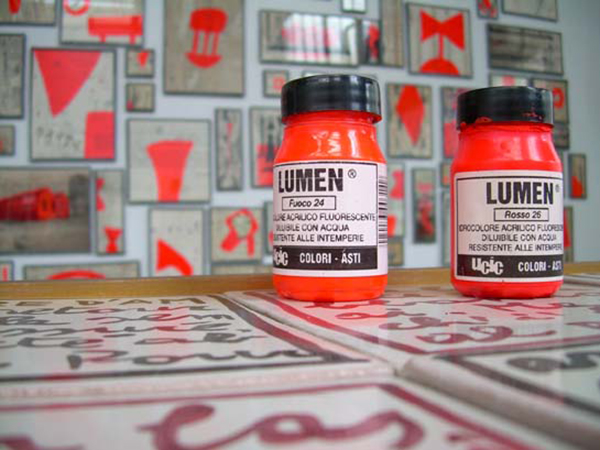
In my new series, I work in layers. A first layer is transparent and reproduces a photo taken by Aby Warburg at Keams Canyon. A second layer is a reproduction of the community petition of March 1894, addressed to the “Washington Chiefs” and signed by each member of the community with the design of his totem, and its explanation. The third layer is my crude imitation of some of these “totem-signatures”, resembling red fluorescent tattoos.
There are two other photos taken by Warburg on the same occasion: one of Thomas Keam in front of his house, the other of the canyon where the school was located. Born in England, Keam served in the US army eventually settling in Arizona, where he operated a trading post and acted as a mediator between the Hopi and the US government. But I do not expect to use these last two images, which I consider to be insufficiently relevant.
However, I will place underneath my artworks the captions published in the book containing Warburg’s photos (B. Cestelli Guidi, N. Mann, Photographs at the Frontier. Aby Warburg in America, 1895-1896, London 1998).
The question posed by this series of works is quite particular and unlike those that educators, like yourself, face today. Should the Hopi children have be forced to attend faraway schools or should they have to be left in their community in contact with their culture? Or was an intermediate solution possible?
Apparently in late-nineteenth century America, this was not an option.
See also: https://slate.com/human-interest/2013/07/hopi-petition-asks-government-to-allow-communal-land-owning-to-continue.html
In one of his most compelling books, Le 20 janvier (Paris, Christian Bourgois, 1980), the French writer, art critic and poet Jean-Christophe Bailly tells how, during a stay in Berlin years before the fall of the Wall, he visited the Ägyptisches Museum in Charlottenburg on the west side of the city, where he admired Nefertiti’s celebrated bust. A few days later, as he wandered through the Bode Museum in East Berlin, he chanced upon another bust, representing Nefertiti’s daughter. The tragic irony of the situation was not lost on Bailly: the portraits, after so many centuries, found themselves lost in a foreign land, close enough to be seen on the same day, yet kept apart by the Wall – and only the traveler’s gaze could connect them. Bailly wondered whether mother and daughter were secretly facing each other – and if not, in which point, in or out of the divided capital, their gazes would intersect.
Bailly’s musings have been my inspiration for the following project. As I visit museums and historical sites in several European towns, I plan to discover or to establish analogies between things that are not supposed to relate in any obvious way. A process of “signalization” will take place as follows. (1) A copper or Plexiglas plaque will be set beside several objects (selected in different museums) according to their historical signification and their geographical orientation. (2) Each of these objects (e.g. statues, or museum specimens) look along a certain line, in a certain direction, which is to be determined with a compass. (3) Two such given lines intersect at a certain point; some of these cross-points will be marked by a third plaque, fixed on a pole.
My intention is to create signalizations which, taken individually, would seem incoherent and senseless. However, if one studies the overall map that I will provide at the end of the project (that will be placed beside the objects), one will realize how threads of European history are intertwined, how various types of mutual dependence is demonstrated by the strange, “unjustified” choice of each and every meeting – as if my plaques (which I like to think of as my “samples”) were pieces of a secret, untold puzzle, scattered across the continent. The sites themselves, being affected by the plaques’ presence, will undergo a symbolical transformation, thus acquiring new, estranged, significations.
By all means, it is certainly no coincidence that the other writer whom I consider my project’s spiritual father is W. G. Sebald, the nomadic German scholar and novelist, who was recently killed in an accident. In his novels, Sebald has an unmistakable way of connecting geographical points and the events of our recent past with the wanderings of the witnesses who reflect upon them. In fact, the subject of the work I wish to undertake is European historical heritage itself.
September 2002
Plaques texts (examples)
ANACAPRI (Italy, 40N55 e 12E29)
As you read this plaque, you are facing north. Your glance will encounter an axis extending from the seismograph known as ’19 tonnes’, conserved in the Seismological Museum in Strasbourg (France).
Both the seismograph and the fortified observatory at Anacapri are the results of involuntary collaboration between enemy forces. Initiated by the Germans in 1910, the seismograph in Strasbourg was finished in the wake of World War I by the French, who used pieces of weapons and decommissioned military material to attain the total weight of 19 tons required to balance the seismograph’s small needle.
Designed to protect the access to the Gulf of Naples, the fortifications of Anacapri were begun by the French in the course of the Napoleonic wars. The English, allies of the Bourbons, seized the complex in 1806 and used it as a stronghold in their attempt to transform Capri into a ‘little Gibraltar’. In 1808 Joachim Murat led the attack of the island; the reoccupied fortress was enlarged and consolidated, but it was never again used for military purposes.
The meeting of your glance and the axis extending east from the seismograph will take place in a mountain pasture located at latitude 48° 58’ N, longitude 14° 20’ E in the vicinity of the Austrian village of Hinterweißenbach. A plaque has been placed on the site to mark this encounter.
Glances across Europe: a project conceived by Salvatore Puglia
and supported by the Gunk Foundation for Public Art in 2003.
.
Un panneau pour l’imaginaire
La plaque que j’ai placé, avec l’accord et le soutien des responsables du Jardin Georges Delaselle, à proximité du calvaire situé à son sommet est la neuvième de mon projet nommé Glances across Europe (Regards à travers l’Europe).
Ce projet consiste à créer des liens idéaux entre des lieux et des monuments historiques du continent européen, par un processus de signalisation. Au cours de mes voyages, intentionnels ou hasardeux, j’ai remarqué certains objets et lieux, à mon sens singuliers. J’ai d’emblée fait une petite investigation sur leur histoire, aux fins d’imaginer une connexion possible avec d’autres objets ou lieux que j’ai répertoriés.
C’est une manière d’affirmer que les choses aussi regardent – et ne sont pas seulement regardées – au delà de l’emplacement où les hommes et l’histoire les ont situées. Et pour finir j’ai établi ma liaison idéale, autour d’un sujet thématique décidé de manière peut-être arbitraire et sans aucun doute très subjective.
Le thème du « retour à la mère-patrie », par exemple, m’a permis de mettre en relation la fresque médiévale représentant le retour des reliques de Sainte Agathe, à Acicastello, en Sicile, et la statue d’un soldat soviétique qui, dans le cimetière militaire de Potsdam, se tient en position de garde-à-vous dans la direction de la Russie.
En utilisant une boussole et une carte géographique détaillée, j’ai marqué la direction exacte vers laquelle se tournent ces deux objets, et en prolongeant l’axe de leur « regard », j’ai déterminé leur point de rencontre virtuel. Là où ces axes se croisent, j’ai placé une plaque dont le texte décrit la rencontre qui a lieu dans ce site précis.
La rencontre de la fresque sicilienne et de la statue soviétique à lieu dans une plaine polonaise, devant une vieille ferme en vente.
Le texte de la plaque est à chaque fois écrit dans la langue du lieu. J’espère, à la fin de ce travail, pouvoir publier un recueil de l’ensemble de ces textes traduits dans chaque langue concernée, ainsi qu’une carte géographique où ces rencontres seraient inscrites, de manière à permettre aux éventuels visiteurs de repérer tous les panneaux. Ce recueil serait disponible à proximité de chacun des lieux signalisés.
Venant à l’installation de Batz. Je souhaitais qu’un visiteur du Museo campano de Capoue, près de Naples, en Italie, trouve, à côté de la statue d’une déesse italique, un panneau lui indiquant la direction de son regard et le fait que la trajectoire de ce regard croise celui d’un monument situé en Bretagne, celui du calvaire du jardin G. Delaselle de l’île de Batz.
Je souhaitais aussi que le promeneur qui traverse un haut plateau à proximité de la petite ville de Carrascal del Rio, en Espagne, découvre le signe-témoin de cette rencontre. Chaque lien que j’établis nécessite donc d’être signalé par trois panneaux.
Celui de Capoue et de Carrascal étaient déjà placés, il ne me restait plus, pour documenter cette subjective rencontre, qu’à installer celui-ci.
Le sujet qui relie Capoue et Batz est celui de la continuité d’un culte, sur un même lieu, pendant des milliers d’années. A peu près à l’époque où l’on installait le calvaire sur le dolmen de l’île, au XIXe siècle, on découvrait dans la localité dite «Petrara», près de Capoue, des dizaines de statues de femmes assises, portant dans leurs bras des corps d’enfants emmaillotés. Il s’agissait des Matres Matutae, représentations sacrées de l’aurore et de la fertilité.
Pendant plus d’un millénaire et jusqu’en plein empire romain, les habitants de la ville se sont succédés sur ce site, et à chaque époque, pour remercier d’une grâce ou pour en demander une, ils ont déposé ces statues. Les styles de ces icônes sont donc des plus variés, trace des influences culturelles et des invasions qui ont façonné l’histoire de ce territoire.
La plus ancienne de ces sculptures a été surnommée par les gardiens «la picassienne», à cause de ses traits sommaires et «difformes». C’est celle que j’ai choisie pour la relier au calvaire du XVIe siècle placé sur le dolmen mégalithique .
À Batz, on assiste en effet aussi à une sacralisation continue, mais sous le signe de la re-appropriation et de la juxtaposition plus que du changement des formes.
Il s’agit donc de souligner ici à la fois une analogie et une contradiction.
J’espère qu’une telle connexion idéale pourra alimenter l’imagination d’infinies connexions possibles des choses entre elles et des hommes entre eux.
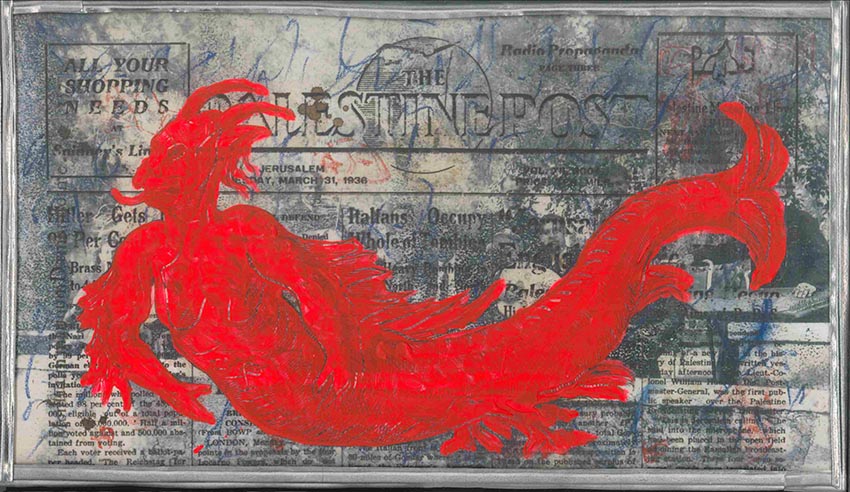
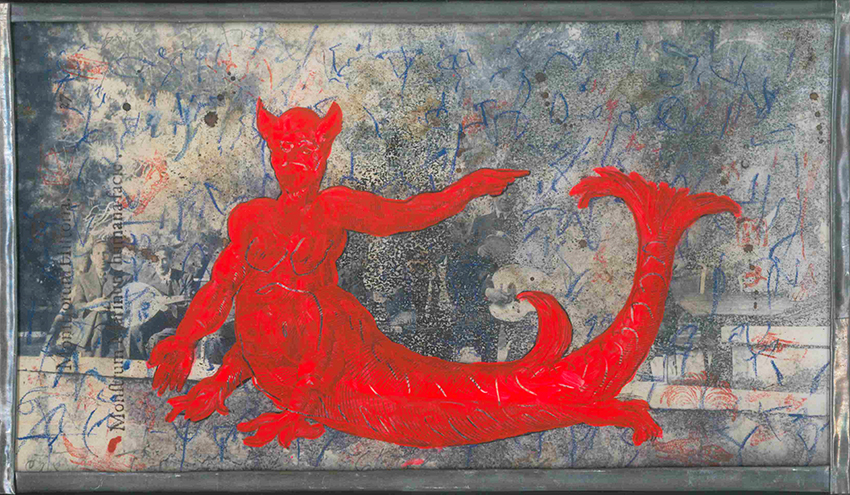
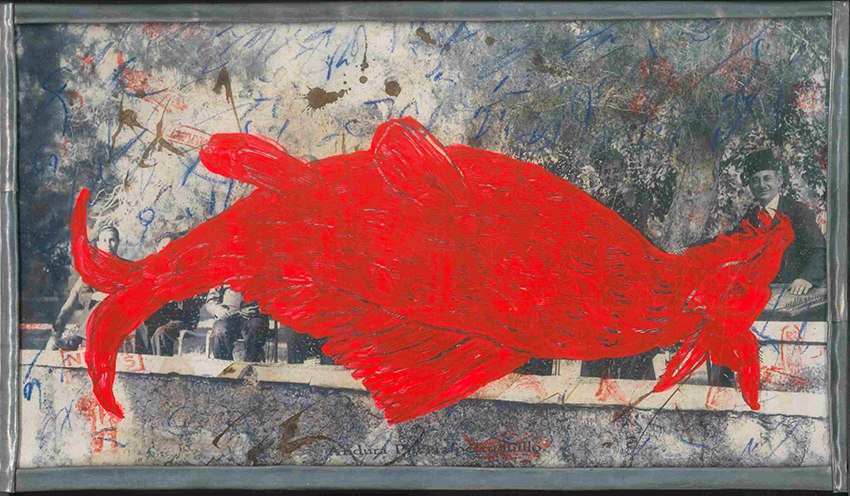
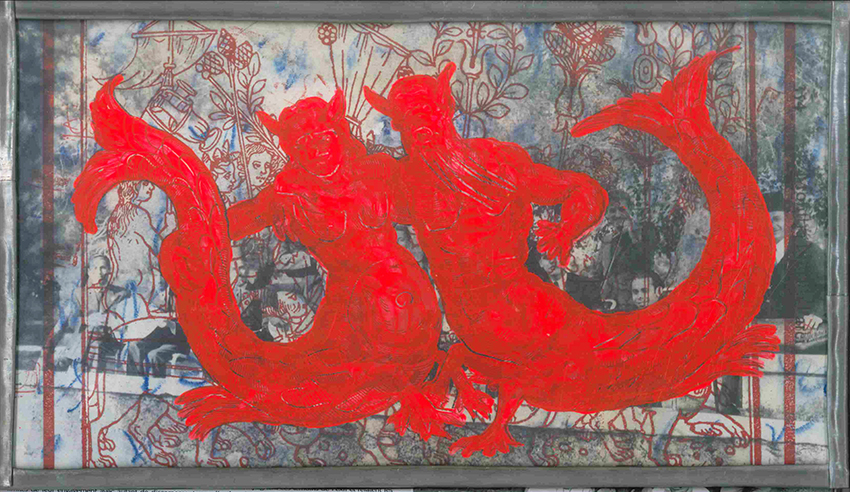
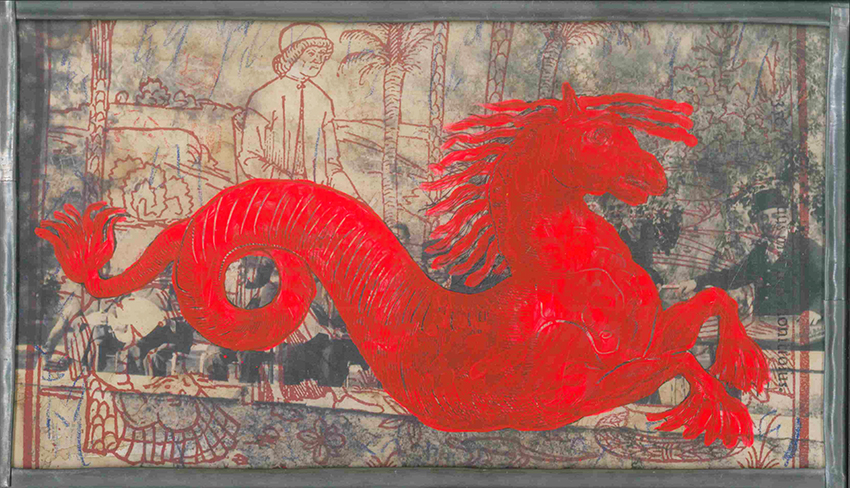
Pour mon troisième rendez-vous avec Batz et ses créatures mystérieuses, j’ai créé des connexions entre l’ile du Finistère et deux autres iles fantastiques et bien réelles : Cythère, dans la mer Méditerranée, et l’Islande, dans l’océan Atlantique. *
Comme on le sait bien ces eaux sont peuplées de monstres marins : Kraken, Pistris, Léviathans, Charybdes et même dragons. Hic sunt dracones.
Ces monstres viennent habiter des sites qui ne leur étaient pas destinés au moment de la Création : c’est la raison pour laquelle j’ai utilisé une cartographie, ancienne et moderne, qui permet de mieux les repérer là où ils ont élu refuge.
Entre 1508 (la date estimée de fabrication du globe Lenox – acheté à Paris en 1855 par Richard Morris Hunt et légué vingt ans plus tard à la National Library de New York, où l’on indique des eaux où habiteraient des dragons, au sud de l’Inde et juste en dessous du cercle de l’équateur) et 2016 (date à laquelle le biologiste marin G. Rupodou a témoigné de la présence d’un gigantesque varan sur l’ile de Batz), les monstres marins, fuyant probablement les conséquences du réchauffement climatique et suivant les migrations de leurs proies habituelles, se sont retrouvés enfin dans l’hémisphère Nord.
Sources :
en.wikipedia.org/wiki/Hunt%E2%80%93Lenox_Globe
en.wikipedia.org/wiki/Olaus_Magnus
bostonraremaps.com/inventory/jacob-ziegler-scandinavia-1532
(qui répertorie des cartes entre 1427 et 1567)
ainsi qu’un article dans le site de SPuglia : les-betes-de-batz
* Il y a vingt ans déjà j’avais connecté des lieux qui n’avaient pas d’autres relations historiques entre eux que la direction du regard de certaines statues ou visages peints : Glances across Europe.
.
J’ai aussi eu l’occasion de me pencher un instant sur l’imaginaire lié à l’ile de Cythère, à partir des voyages de Nerval et d’un couple d’espions français en territoire anglais, les frères Stephanopoli : Return to Cythera (2028-2019).
.
.
Les travaux en exposition :
Cythère à Batz 01-03, 2026, 24×42 cm. Gravures d’après Voyage en Grèce de Dimo et Nicolo Stephanopoli (London 1800) et Lettres sur la Morée de Antoine-Laurent Castellan (Paris 1808).
.
Les betes de Batz 03, 04 et 06, 2023, 24×42.
.
Un kraken à Batz, 2026, 24×42 cm.
. Une pistris à Batz, 2026, 24×42 cm.
.
Island-Batz 01-03, 24,5×42 cm hors cadre (tirages numériques sur toile canvas et sur PVC, objets naturels peints en acrilique fluorescent, lichen d’Islande).
.
.
Le globe Lenox :
.
Plusieurs cartes nautiques des mers du Nord, repérées sur Internet :
(On voit bien ce que toutes doivent, sauf la dernière (Jacob Ziegler 1532), à la Carta marina d’Olaus Magnus, publiée à Venise en 1539).
.
Ainsi que quelques cartes nautiques de l’île de Batz :
(Très utile le site : https://www.histoiremaritimebretagnenord.fr/%C3%AEle-de-batz/)
Ce projet est né d’une recherche dans les archives départementales du Gard (Sud de France). Chaque personne sans domicile fixe, notamment les nomades et les ambulants, devait porter sur soi un carnet anthropométrique, rédigé suivant les normes dictées par Alphonse Bertillon (l’inventeur du portrait robot), et qui devait être tamponné à chaque entrée et sortie d’une commune. Ce carnet, dont le but évident était celui de contrôler la population gitane, a été en vigueur de 1912 à 1969 (mais le livret de circulation pour les gens du voyage n’a été supprimé – sous la pression de l’ONU, qu’en 2015) : il contenait, outre les données personnelles, les photos de face et de profil du porteur, ainsi que les empreintes de ses dix doigts.
Les carnets anthropométriques sont importants parce qu’ils introduisent le concept de race, au début du XXe siècle, dans la relation de l’Etat français au minorités : la République n’a plus à faire avec des individus mais avec un groupe ethnique, dans ce cas-là, les romanichels.
La loi de 1912 marque aussi l’aboutissement du Bertillonage, c’est-à-dire des nouvelles techniques de reconnaissance basées sur la mensuration du corps et du visage d’un individu.
Dans les années entre 2009 et 2026 je suis revenu souvent sur le sujet, et j’ai traité ces images documentaires de plusieurs manières : en les enchâssant dans des châssis en forme de trapèze, en le juxtaposant aux articles de la loi instituant le Carnet anthropométrique, en les mettant dans des petits cadres en forme de boite, de manière à avoir une stratigraphie de visages différents.
J’ai reproduit six photos de membres d’une même famille (photos prises au début des années 20) sur des verres que j’ai superposés aux articles du règlement des Carnets ; ces articles sont transcrits avec un feutre noir sur des cartons d’emballage découpés, comme ceux qu’utilisent les nomades pour faire la quête.
Il y a aussi des couleurs, du rouge fluo et du blanc, en aplat sur les cartons : ils donnent des formes géométriques qui pourraient faire penser au constructivisme russe ou au Bauhaus, dans tous les cas à une époque qui est celle où les photos étaient prises.
Pour confondre ce processus d’identification, j’ai superposé la photo frontale d’une personne à celle d’un parent, ou bien à la photo de profil de la même personne.
Dans les Archives départementales du Gard, à Nimes, les dossiers concernant les carnets anthropométriques se trouvent sous les cotes suivantes :
4 M 188 : Carnet collectif. Carnet anthropométrique 1914-1927 (Comprend : Liste nominative des personnes inscrites sur le carnet collectif délivré au chef de famille. Registre des nomades ayant obtenu leur carnet anthropométrique).
Thierry bonjour,
dans le formulaire de prêt tu tu trouveras les indications techniques.
La photo est imprimée sur verre, par conséquent elle est transparente et on discerne une carte topographique au-dessous. La carte ne correspond pas au site photographié.
Le site en question est le camp d’internement de Gurs, aujourd’hui transformé en forêt (il restent une installation de Dani Karavan, une baraque remise en l’état et quelques stèles avec des légendes).
Photo prise en 2016, travail achevé en 2022.
J’ai eu l’idée d’ajouter une cible-spirale en rouge fluo justement parce-qu’elle ne désigne rien en particulier, le lieu n’étant plus ce qu’il a été. Aussi, que la cible soit ouverte est l’idée d’une autre histoire possible (comme la carte topographique qui ne correspond pas au sujet.
Je te joins aussi une photo BD.
Ciao ciao,
SP
Take a second hand parachute, either green or white, measuring eleven meters in diameter. Hang it between trees in a park or between walls in a courtyard or even in a public square. Apply rings to the junctions of the fabric and stretch nylon threads between such rings and the surrounding branches or walls. It will be displayed in such a way as to recall the umbrella shape of a falling parachute.
Suspend this structure at the height of half a meter from the ground. Lift up a point at its extremity to sketch the lines of an entrance.
Find two couches, three arm-chairs, a small table, a chair, a fridge. Cover them with the off-cuts of the emergency parachute.
Place a potted palm tree between the fridge and the table. Place a bookshelf between a couch and an arm-chair, and a reading lamp beside the bookshelf.
All this furniture should be set in a circle over a large oriental carpet, leaving empty the central space. Do not be afraid of creating a luxurious, calm, voluptuous place.
Choose twelve or fifteen books, following your own taste and opinions; they will constitute an ideal and universal library. Cover each with an identical white paper, identify it with a Latin number.
Pick up the best white wines from Italy, France, and Spain, fill the fridge with them, and with every kind of beverage that can satisfy any particular liking.
Hire for the duration of the event an experienced hostess, dress her (or him) with an uniform sewn with the remains of the emergency parachute.
Instruct the host(ess) not only to invite and welcome all the passers by, but furthermore to fulfill –within the limit of the possible and the decent- their desires.
Finally, take care that the interior of the dome is sufficiently ventilated and of a pleasant temperature.
Rules: a host will constantly be present in the space. He will not impose any speech nor will he ask the guests who they are or who has sent them. However, he should always be ready for the possibility of conversation, which will probably be encouraged by the comfortable standing of the environment. The circular disposition of couches and chairs is likely to create a verbal exchange between conversation and chatter, confidence and speech, in a floating mood between private expression and public extension.
Some performances, readings, unplugged concerts will be executed following a program posted every morning. Other events will be improvised according to the encounters and exchanges that will occur day by day.
Note: as a parachute is mobile by definition, it will not remain in the same place in excess of three days.
.
II
User’s instructions
1.
Our parachute is a demonstrative space. It is a manifesto for the free circulation of individuals.
What is a parachute, if not a tool meant to slow down a fall?
If such a tool is being put to use, it is because there is a fall; there is a threat to life, there is emergency.
A parachute is not a tent, is not anchored to the ground; it floats in a space between sky and earth–even the precise spot of its landing is uncertain. Once on land, it no longer has a further function. Its quality is lightness and lightness is not required whilst one has his feet on the ground.
2.
To find oneself under a parachute is not a matter of hospitality; it is a matter of shelter.
If a tent is the symbolic space for hospitality, a parachute is the symbolic space of refuge and sheltering.
To offer somebody shelter is not the same as to offer hospitality. Hospitality is something that is exchanged in a community of peers, is a matter of politeness. In our time, sheltering has nothing to do with politeness. Today the only situations where hospitality and refuge coincide are those of an environmental danger: only Bedouins or Inuit can greet the stranger as Alcinous in the island of Scheria or Lot in the outskirts of the town of Sodom.
An effective welcoming in the Western world is to give shelter: it implies that the giver is in a position of power, and the receiver is in a state of weakness. The power that is exercised there does not answer to the codified rules of genteel behaviour. The fact is that recognition, which is the dialectical condition of hospitality, does not play such a basic role in the decision of giving shelter.
3.
But the evidence of the need is already a recognisable form; such a basic recognition is what makes an unquestioning and unconditioned asylum almost impossible.
This is why not to ask “who are you?” is but an exercise: such a question can be unexpressed but it remains implicit in the acknowledgement of a request. There is no situation of request which does not introduce itself with a sign: such a sign says where the one who is knocking at the door comes from, from whom he is sent, which danger he represents.
The call to give shelter implies a call from a point of danger; the guest is in danger and he carries this danger with him to the house of the host. Who really feels like opening his arms to the danger and the unknown? Only somebody who already lives as precarious a condition as the one who has and can; somebody who already takes his own life as an excess and indeed confounds what is necessary and what is superfluous.
The parachute exists to measure our ability to receive: we propose the exercise of turning generosity toward immoderation and transfiguring etiquette into unmotivated and uninterested pomp. Anybody who presents himself at the threshold of the parachute will be given not only a favourable reception (in another idiom, we might refer to the anti-psychiatric effort “to bracket the disease”) but will also be offered the best of our belongings. The reception will be transformed into a luxurious hospitality lacking any purpose except the pleasure and the difficulty of sharing another’s presence, good wines, good books and conversation.
4.
The host is the recipient. He is the dweller and the owner of a space which is forcefully delimited. Such spatial delimitation can be effective in the same way as the door of a house; or symbolically, as a curtain or the steps of a church.
One cannot –normally- offer to others what is not his own. There is no protection without the exercise of a sovereignty: To receive indeed means to make public, for the time and in the space of the opening, an exclusive and private place.
The guest is made inside: a new, larger space of conviviality is created. Such transformation of the private into the shared is made on the threshold; it is there where the owner invites, gives way or decides to resist the intrusion.
One cannot open what is not his own; he can, though, open up a door that would already be ajar. This is why the welcoming of the stranger would be easier to a dweller who would be partly a stranger, partly an intruder.
This half stranger would be a kind of guarantor, somebody who would answer for the other, the newly arrived–even if he does not know him.
5.
Imagine an open parachute, suspended at a few feet from the ground, accessible from every side and impossible to close: it would be the emblem of an invitation without identification and without judgement, a space where what is proper and what is common would be confused.
Such indeterminacy would be possible only if the host would not master a real power but would be himself an abusive occupier: his place would be precarious and could effectively protect nobody. But it would protect symbolically: it would be something similar to antiquity’s Asylum (from the Greek a-sylon: out of violence) or the children’s games where one cannot be touched as long as he stays in a magic circle. That would be a matter of fact, neither within nor outside the law.
An absolute and unconditioned hosting could be based only on a misunderstanding or on a re-appropriation: the host should not own any space and, being himself a temporary guest, would place himself in a chain of invitation. Not being asked “who are you?” he would not have to ask “who sent you?” Only in such a way–by dispossessing himself of any power that would not be occasionally borrowed—could one be host and guest at the same time, recipient and contained, not really powerful nor absolutely weak. Only in such a way could one, at the same time, be responsible in two directions: toward the sovereigns–-the authority–and the visitors-–the intruders.
And only an abusive guest introduced by a less abusive one can take the invitation without being doomed to show a sign that would certify his legitimacy, which is his coming from somewhere. Not being identified, he could not represent any danger.
Only an anonymous and abusive guest-–that is to say: a parasite–can play on the same level with the host in the social game: he would have nothing to ask, but he would take the risk of being kicked out of the mansion. But then a violence against him would be a violence against every other guest. Since, following the medieval principle quoted by Hannah Arendt in The Origins of Totalitarianism, “Quid est in territorio est de territorio”, the justification of his presence would be the mere fact of his presence.
.
Note: a first Parachute was experimented in Maastricht in May 2000, in the protective environment of the backyard of the Jan Van Eyck Academie.
Note: while I was writing this text (August 2000) I knew that an association Foreigner for foreigners had just been constituted in Rome, with the purpose of “examining the irregularities practised by the institutions of the Italian State against strangers”.
Note: The tents that have been raised in the last years by the “sans papiers” under the aisles of the churches were neither metaphorical nor allegorical. I am thinking about those in the church of Saint Ambroise, whose doors were pulled down with axes by the French police in August 1996; or to the beautiful white tents still standing (November 2000) inside the church of the Béguinage in Brussels.
Evidently, whoever finds himself in the extreme situation of seeking shelter in a sacred space appeals less to the protection of a divinity that perhaps he doesn’t recognize than to the residues of an ecclesiastic right that is no longer accepted by national legislations, and to the fact that the breaking-in of public officers in such places is still perceived by public opinion like a sort of sacrilege.
Appendix: a short list of recent books on the issues of hospitality and refuge
J. Derrida, „Le mot d’accueil“, in Adieu à Emmanuel Lévinas, Paris 1997.
J. Derrida, De l’hospitalité, Paris 1997.
J. Derrida, Cosmopolites de tous les pays, encore un effort!, Paris 1997.
K. Heilbronner, Immigration and asylum law and policy of the European Union, The Hague London Boston 2000
E. Jabès, Le livre de l’hospitalité, Paris 1991.
D. Joly, Haven or hell? Asylum policies and refugees in Europe, Warwick 1996
E. Lévinas, „Les villes-refuges“, in L’Au-delà du verset, Paris 1982.
F. Nicholson, Refugee rights and realities: evolving international concepts and regimes, Cambridge UK 1999
C. Pohl, Making room: recovering hospitality as a Christian tradition, Grand Rapids-Cambridge 1999.
S. Reece, The stranger’s welcome: oral theory and the aesthetics of the Homeric hospitality scene, Ann Arbor 1993.
R. Scherer, Zeus hospitalier: éloge de l’hospitalité. Essai philosophique, Paris 1993.
P. Ségur, J.L. Gazzaniga, La crise du droit d’asile, Paris 1998
The subject of this series is the popular character of Pulcinella (Punchinello) from the Neapolitan glove puppets theatre (please refer to Bruno Leone‘s Casa delle Guarattelle and to the World Enciclopedia of Puppetry Arts related article).
On June 18 2024 I completed 104 sketches, following the venerable examples of Giandomenico Tiepolo and Mimmo Paladino Punchinello drawings, and, as on October 14, I had done a total of 208.
About 50 original drawings have been transferred on ceramics, and I maintain the right to reproduce them in the future.
.
Please also see the links to the Giorgio Agamben’s book on Pulcinella (2015), to the recent show of Mimmo Paladino drawings (Naples 2023-2024) and to the Giandomenico Tiepolo series Divertimenti per li regazzi (also, the Italian Wikipedia article on this popular figure).
”La morte è morta!”, Anonymous guarattellaro, Genoa, april 2013.
.
Pourquoi Polichinelle ?
Pourquoi ce personnage de divertissement populaire et enfantin, alors que Spuglia est censé faire, depuis quarante ans, un art érudit et engagé et même, comme il prétend, ”une photographie de l’histoire” ? Et avec tout ce qui arrive dans le monde ?
Que peut dire de ”sensé” ce guignol dont le seul ressort dramaturgique est le constant malentendu linguistique avec ses adversaires, et le seul levier comique est sa (très limitée) mimique ?
N’ayant pas de réponse à ce questionnement, ne sachant pas pourquoi, après une visite au mont Janicule de mon enfance avec mon fils Lucien, où l’on assista à une représentation en tous points identique, mot par mot, du Pulcinella e il diavolo que je vis en 1961, je décidai, devant son enthousiasme, de l’aider d’abord dans la construction d’un théâtre en carton et, par la suite, de me mettre moi-même à dessiner des Polichinelles, entreprise pour laquelle j’eus la chance de tomber sur deux illustres antécédents, les 104 dessins de Polichinelle de Domenico Tiepolo (fin XVIIIe siècle) et les 104 dessins, du même sujet, de Mimmo Paladino (fin XXIe siècle).
Ces petits dessins, qui au lieu que 104 sont devenus 208 (je ne le dis pas par vantardise mais parce-que leur exécution est des plus rapides), ont fini naturellement par être reproduits sur des supports d’art applique, la céramique, l’ardoise. Le personnage de Polichinelle vient de la culture populaire et il y retourne. Il servira à décorer une assiette ou un carreau sur lequel on posera une cafetière.
Ce n’est qu’après avoir entrepris ce labeur que j’ai commencé à me documenter et j’ai trouvé des béquilles idéologiques de grande envergure : Giorgio Agamben et Bruno Leone. Du premier je vais citer le Polichinelle ou Divertissement pour les jeunes gens en quatre scènes (édition française Macula 2017 et italienne Nottetempo 2015) et en particulier la phrase, très réconfortante pour moi : ”Précisément parce qu’elle porte en elle une dimension métahistorique, la comédie entretient un lien intime avec l’histoire, elle en porte la crise – le jugement – en tous sens décisive” (p. 13).
Ce paragraphe vient juste après ceux où Agamben dit comment les comédies de Aristophane, Lysistrata, Le Acharniens, ont été écrites dans une ville sous siège et dévastée par la pestilence.
Bruno Leone (le ‘’sauveur’’ de la tradition napolitaine des Guarattelle, le théatre de rue des marionnettes à main) ne manque pas de citer Agamben (qui à son tour le cite) quand il parle de la voix de Polichinelle, produite avec un instrument mécanique, la pivetta ou ‘’sifflet pratique’’ : ”La voix – le geste – de Polichinelle montre qu’il y a encore quelque chose à dire quand il n’est plus possible de parler, tout comme ses blagues montrent qu’il y a encore quelque chose à faire quand toute action est devenue impossible” (G. A., Autoritratto nello studio, Nottetempo 2017, p. 109, édition française Autoportrait dans l’atelier, l’Arachnéen 2020, que je n’ai pas consulté, c’est pour ça que la traduction est la mienne).
Il est émouvant de lire Leone quand il décrit comment, face à une vraie situation de guerre (l’invasion de l’Irak en 1990) il doit faire jouer Polichinelle, qui ne s’exprime habituellement que dans des situations de conflit : avant qu’ils ne puissent le toucher, tous les adversaires, le diable, le policier, le mafieux tombes raides morts : la guerre l’empêche de faire la guerre.
Là est la mission de la marionnette : ‘’Pulcinella con la sua voce e il suo ballare mette in scena la voglia di vivere nella sua essenza primordiale’’. Polichinelle, avec sa voix et sa danse, met en scène la volonté de vivre dans son essence primordiale (B.L., ‘’La voce di Pulcinella’’, Revista de Estudos sobre Teatro de Formas Animadas, Florianópolis 2018, v. 1, n. 19, pp. 46-60).
Et cette volonté de vie d’un personnage (du latin persona, de l’étrusque Φersu) est plus forte que tout, même que la mort : voir la représentation d’un Guarattellaro de Gênes, en avril 2013, ”La Morte è morta !”…. https://www.youtube.com/watch?v=nzYrQGg9znc.
.
Perché Pulcinella?
Perché questo personaggio di intrattenimento popolare e infantile, quando Spuglia da quarant’anni dovrebbe fare arte erudita e impegnata e persino, come sostiene, “una fotografia della storia”? E con tutto quello che sta succedendo nel mondo?
Che cosa può dire di “sensato” questo istrione, la cui unica qualità drammatica è la costante incomprensione linguistica con i suoi avversari, e la cui unica leva comica è la sua (limitatissima) mimica?
Non avendo una risposta a questa domanda, non sapendo perché, dopo una visita al Gianicolo della mia infanzia con mio figlio Lucien, dove abbiamo assistito a uno spettacolo identico in tutto e per tutto, parola per parola, al Pulcinella e il diavolo che avevo visto nel 1961, ho deciso, visto il suo entusiasmo, prima di aiutarlo nella costruzione di un baracchino di cartone e, poi, di imbarcarmi in un’impresa – con il dovuto rispetto – artistica : mi sono ispirato a due illustri precedenti, i 104 disegni di Pulcinella di Domenico Tiepolo (fine XVIII secolo) e i 104 disegni dello stesso soggetto di Mimmo Paladino (fine XXI secolo).
Questi piccoli disegni, che invece di 104 sono diventati 208 (non lo dico per vantarmi ma per sottolineare la loro rapidità di esecuzione), sono destinati a essere riprodotti su supporti di arte applicata, ceramica, ardesia, sughero. Il personaggio di Pulcinella proviene dalla cultura popolare e vi ritorna. Verrà utilizzato per decorare un piatto o una piastrella su cui verrà appoggiata una caffettiera.
Solo dopo aver iniziato questo lavoro ho cominciato a documentarmi e ho trovato delle ottime stampelle ideologiche: Giorgio Agamben e Bruno Leone. Del primo citerò Pulcinella ovvero Divertimento per li regazzi in quattro scene (Nottetempo 2015) e in particolare la frase, per me molto confortante: ”Proprio perché porta in sé una dimensione metastorica, la commedia mantiene un legame intimo con la storia, ne porta la crisi – il giudizio – in ogni senso decisivo” (p. 13).
Questo paragrafo viene subito dopo quelli in cui Agamben dice come le commedie Lisistrata e Gli Achei di Aristofane siano state scritte in una città assediata e devastata dalla pestilenza.
Bruno Leone (il “salvatore” della tradizione napoletana delle Guarattelle, il teatro di strada dei burattini) non manca di citare Agamben (che a sua volta lo cita) quando parla della voce di Pulcinella, prodotta con uno strumento meccanico, la pivetta o “fischietto pratico”: “La voce – gesto – di Pulcinella dimostra che c’è ancora qualcosa da dire quando non è più possibile parlare, così come i suoi lazzi mostrano che c’è ancora qualcosa da fare quando ogni azione è diventata impossibile” (G. A., Autoritratto nello studio, Nottetempo 2017, p. 109).
È commovente leggere Leone raccontare come, di fronte a una situazione di guerra reale (l’invasione dell’Iraq nel 1990), debba interpretare Pulcinella, che di solito si esprime solo in situazioni di conflitto: prima che possano toccarlo, tutti gli avversari, il diavolo, il poliziotto, il mafioso, muoiono: la guerra gli impedisce di fare la guerra.
Questa è la missione del burattino: “Pulcinella con la sua voce e il suo ballare mette in scena la voglia di vivere nella sua essenza primordiale’’ (B.L., ”La voce di Pulcinella”, Revista de Estudos sobre Teatro de Formas Animadas, Florianópolis 2018, v. 1, n. 19, pp. 46-60).
E questa volontà di vita di un personaggio (dal latino persona, dall’etrusco Φersu) è più forte di tutto, anche della morte: si veda la rappresentazione di un Guarattellaro genovese, nell’aprile 2013, ”la Morte è morta!’….
(https://www.youtube.com/watch?v=nzYrQGg9znc)
This series is followed (end of October 2024) by the Pinocchiella sketches, which will be reproduced on slate tablets.
Note: you may have noticed the play on words between “Pulcinella” and “Puglianella”, which aims to desacralize this almost mythological character, while taking artistic responsibility for such a desecration.
Érigée par souscription publique et inaugurée à la présence du vice-président du Sénat Frédéric Desmons en octobre 1908, mutilée après la première Guerre mondiale, défigurée par un ‘’Mort aux juifs’’ à la peinture noire dans les années 40, entreposée dans un square municipal et finalement utilisée comme matériel de remblai pour le monument à la Résistance érigé en 1946 sur un lieu d’exécution nazie, la statue de Bernard Lazare à Nîmes, qui figurait en bonne place à l’entrée des jardins de la Fontaine, à proximité des monuments à Antoine Bigot, écrivain occitan, protestant et républicain et à Jean Reboul, boulanger-poète catholique et royaliste, n’a toujours pas retrouvé sa place, que ça soit une réplique à l’identique, comme geste de rétablissement symbolique face aux assauts de la droite extrême, ou un nouveau signe, qui voit dans l’œuvre de mémoire une transformation créative de l’héritage historique.
.
Le monument aux Martyrs de la Résistance, boulevard Jean Jaurès à Nîmes (Photo Stéphane Mahot, 2016).
.
.
PS : Ce qui suit est un compte-rendu de ma visite aux archives municipales de Nîmes, 28/03/2023, sur sollicitation du Collectif Mémoire et histoire (Dossiers 4H57 sur l’édification du monument aux martyrs de la Résistance, 92W22 et 2070 W 113 sur le rétablissement du monument à Bernard Lazare).
La question du rétablissement d’un monument à Bernard Lazare s’est posée à plusieurs reprises, après la destruction de la stèle inaugurée en 1908 aux Jardins de la fontaine, notamment en 1984-1986 et 2000-2001.
En 1984, un échange entre le maire de Nîmes, Jean Bousquet et le ministre de la culture, Jack Lang, aboutit en 1986 à un financement de la part de l’État pour 150.000 francs (la moitié de la somme envisagée) apparemment jamais utilisés. Aujourd’hui 300.000 francs correspondraient à 86.000 euros. La somme, considérée dérisoire par tous les acteurs à l’époque, fut finalement retenue aussi par les artistes qui répondirent à l’appel de la Mairie.
Plusieurs artistes ayant été envisagés, finalement c’est le projet de Christian Boltanski, personnellement présenté par Bob Calle (directeur du Carré d’art) qui fut le plus proche d’être adopté. N’ayant finalement pas eu de réponse de la part de l’administration nîmoise, Boltanski se retira du projet, trois ans après l’avoir présenté. Surement son projet était encore précoce et trop difficile à réaliser.
En 1990-1992 la discussion se rouvre, le maire n’ayant pas approuvé le projet de Dani Karavan (dont, contrairement à celui de Boltanski, je n’ai pas retrouvé de traces aux archives). Finalement Bob Calle se dessaisit de l’affaire et Christian Liger, adjoint au maire délégué à la culture, semble faire de même.
En 2000-2001 une requête de Carole Sandrel (Les amis de Bernard Lazare), en préparation du centenaire de la mort de l’écrivain, semble remuer un peu les choses, mais apparemment sans suite.
Le projet de Boltanski, prévoyait, au lieu qu’une réalisation monumentale, une installation de pierres, accompagnées de petites plaques, sur une falaise surplombant un bassin, à la hauteur de “l’avant dernière terrasse du jardin de la Fontaine”. Ces pierres auraient dû venir de chaque lieu d’où une différente communauté serait venue à Nîmes, pour un minimum de douze et jusqu’à trente, comme un mémorial qui se construirait au fur et à mesure.
Ce que Boltanski ne savait surement, puisque cela l’aurait intrigué, est que la statue existait toujours : démontée pendant la seconde guerre mondiale et après un séjour dans le jardin du musée du vieux Nîmes, elle avait fini par être intégrée comme matière première du monument aux martyrs de la Résistance, édifié à partir de 1946 sur l’avenue Jean Jaurès.
La stèle elle-même était bien endommagée et défigurée, comme le montre une image tirée d’un article de Georges Mathon publié en 2003 sur son site www.nemausensis.com (bien évidents le visage de Lazare barbouillé et le « tag » mort aux juifs).
À la suite, un choix de documents issus des archives municipales de Nîmes (92W22 et 2070 W 113) :
.
L’emplacement prévu par Boltanski, en contrebas de la Tour Magne.
.
Suite.
(Le Collectif Histoire et Mémoire s’est engagé dans la perspective de rétablir le monument à Bernard Lazare sur l’emplacement et dans les formes d’origine, impliquant les différents acteurs administratifs et associatifs, à l’occasion de l’anniversaire de sa naissance, en 2025, et est parvenu à ses fins).
.
L’avant-veille du remplacement de la statue de Bernard Lazare, le 12 décembre 2025.
. E la veille…
.
Mon douzième portfolio réalisé à l’imprimerie SEP est une sorte de compte-rendu d’un travail des quatre dernières années sur les thématiques de la monstruosité et de l’altérité. Vous y retrouverez les ‘monstres’ de Gramsci mais aussi une sélection de travaux issus du grand bestiaire d’Ulisse Aldrovandi et la première image d’une nouvelle série basée sur des cartes nautiques anciennes : Hic sunt dracones.
.
Fenomeni morbosi svariati 01 bis et 02 bis, 2023.
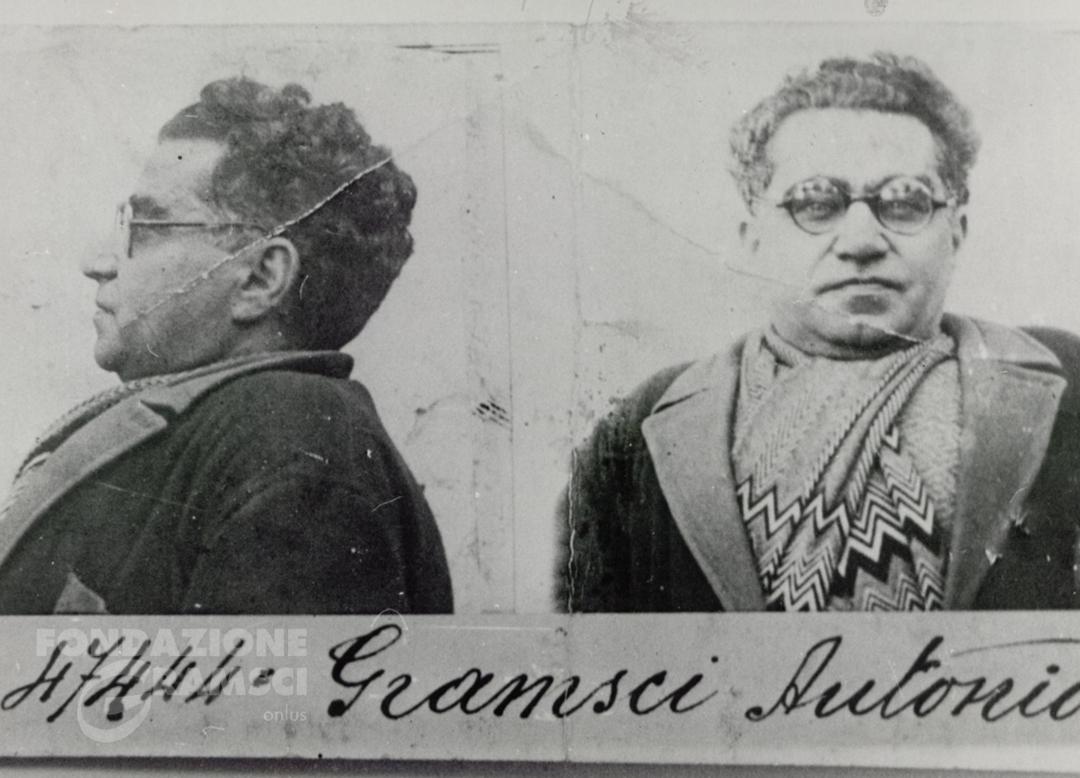
L’espace entre ténèbres et lumière de l’Histoire, ce n’est malheureusement pas l’interrègne entre vieux et nouveau monde dont parle Gramsci (le ’clair-obscur’ d’une anonyme traduction française). Et les ’phénomènes morbides’ n’ont pas à surgir puisqu’ils sont déjà entre nous et en nous. Mais on ne peut pas s’abstenir d’en appeler à ’un peu de lumière’, un peu de raison. Juste un peu.
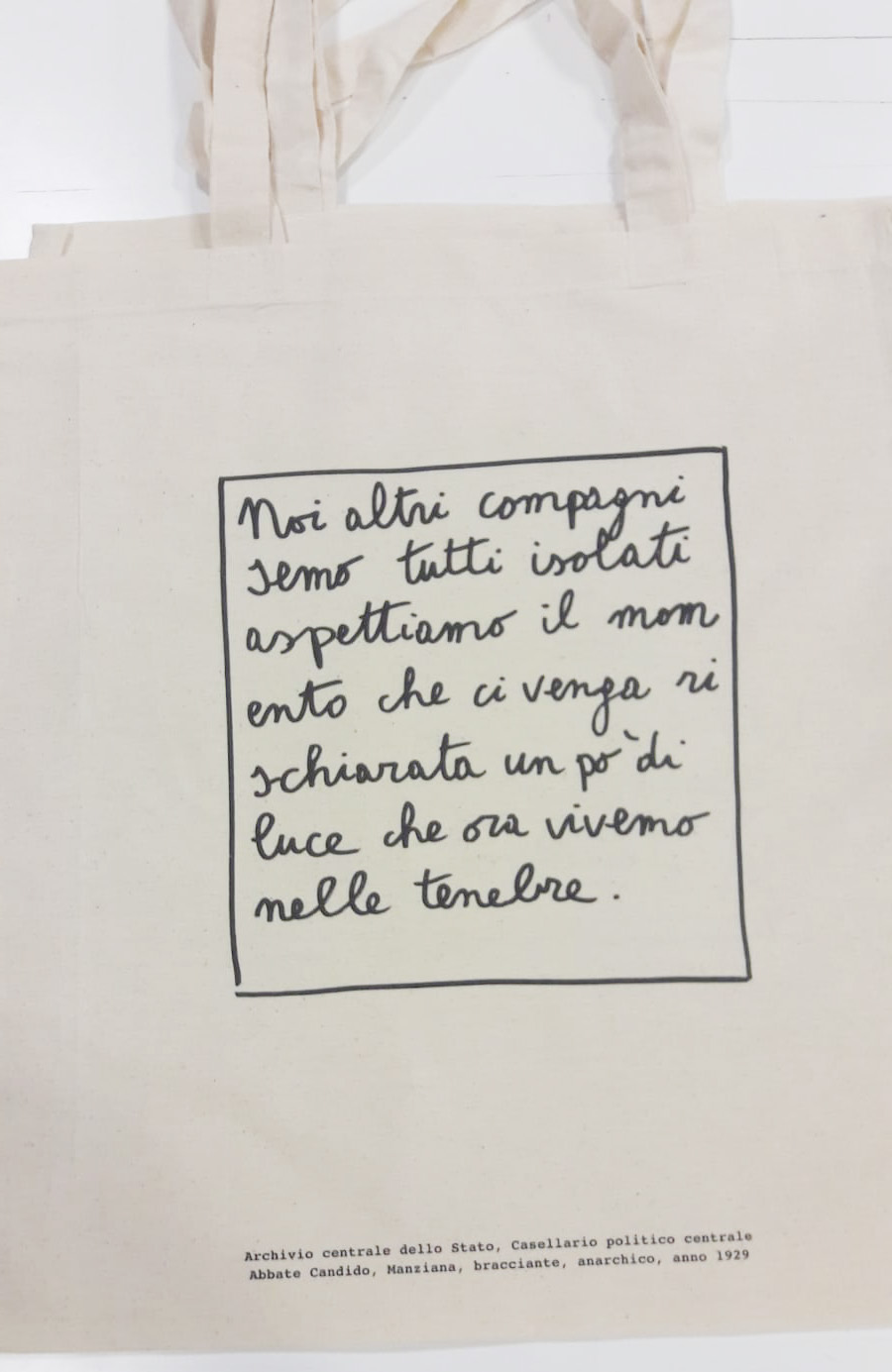
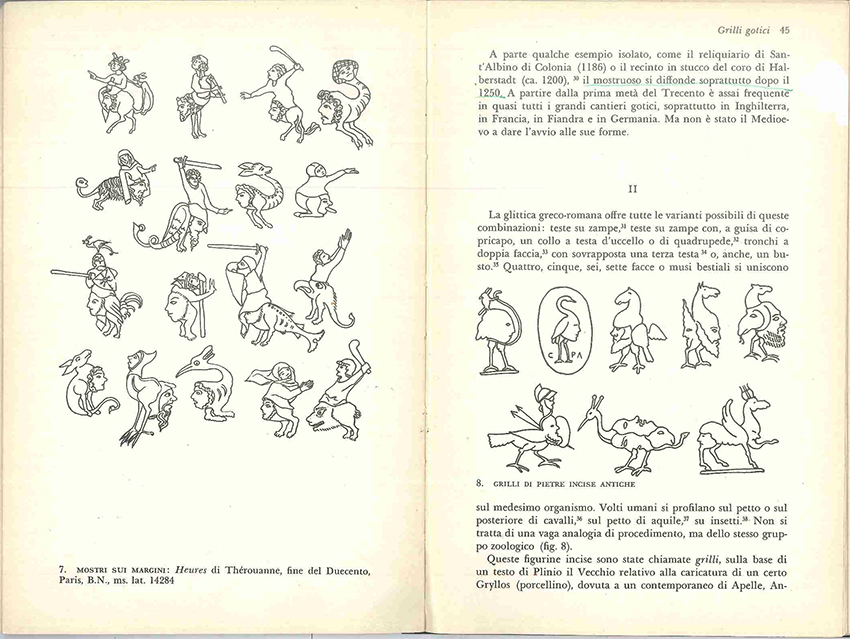
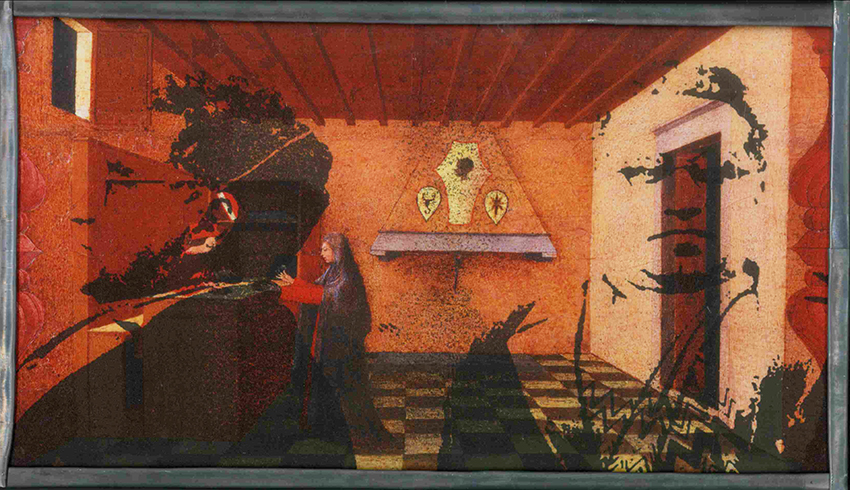
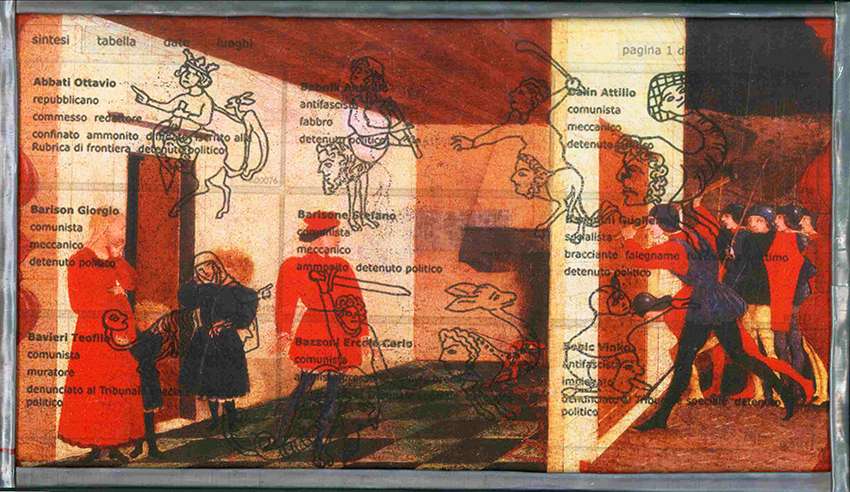
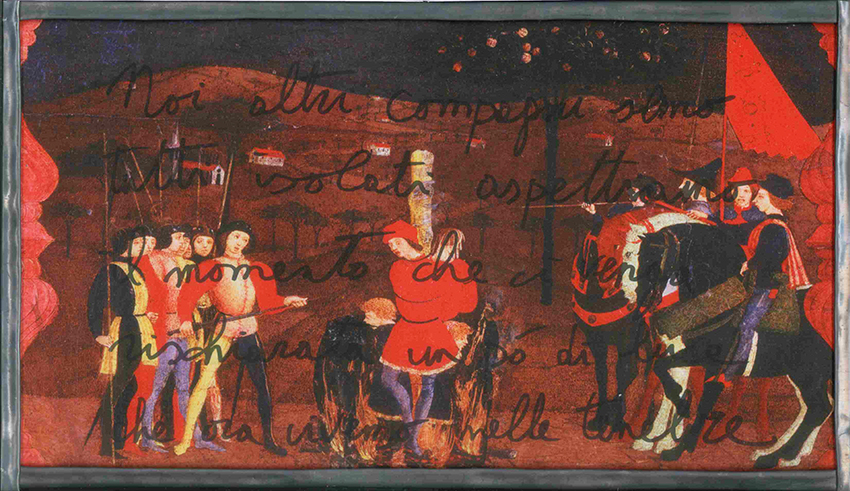
Dans ce travail j’ai reproduit sans la modifier la photo signalétique de Gramsci de janvier 1935 et j’ai transcrit au pastel gras le message de l’anarchiste Candido Abbate, saisi dans une prison fasciste en 1929 : ’Nous autres les camarades nous sommes tous isolés nous attendons le moment qu’un peu de lumière nous soit éclairée que maintenant nous vivons dans les ténèbres’.
.
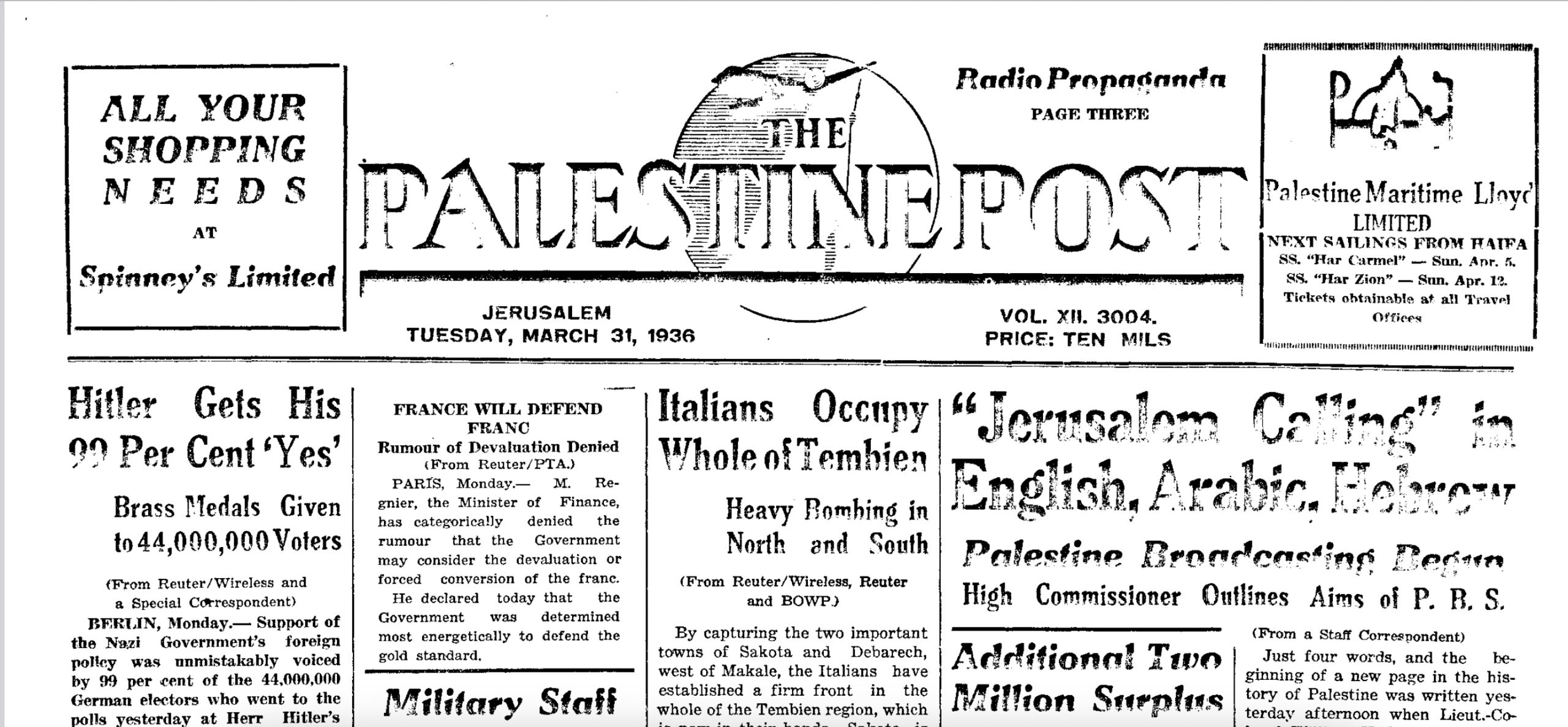
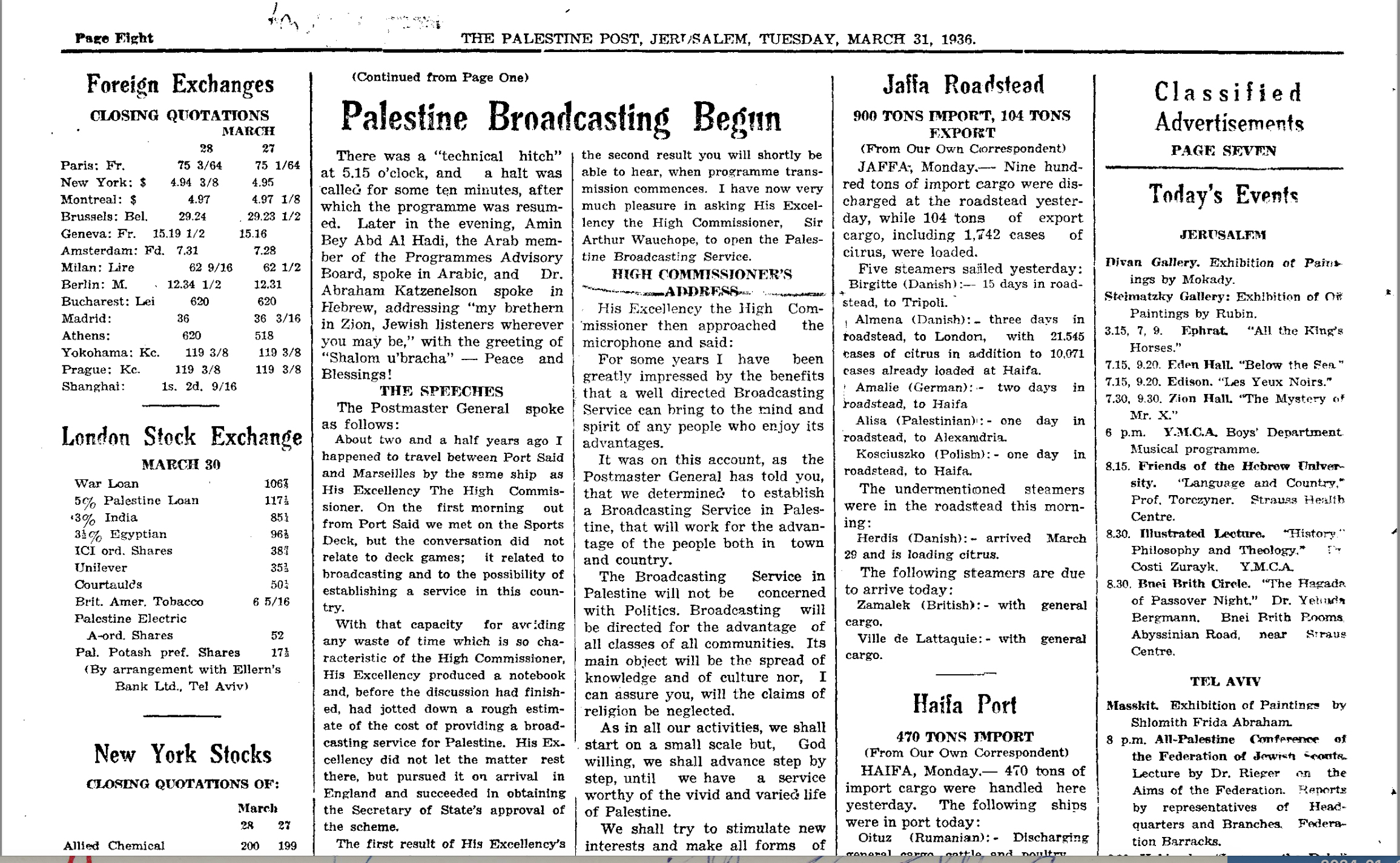
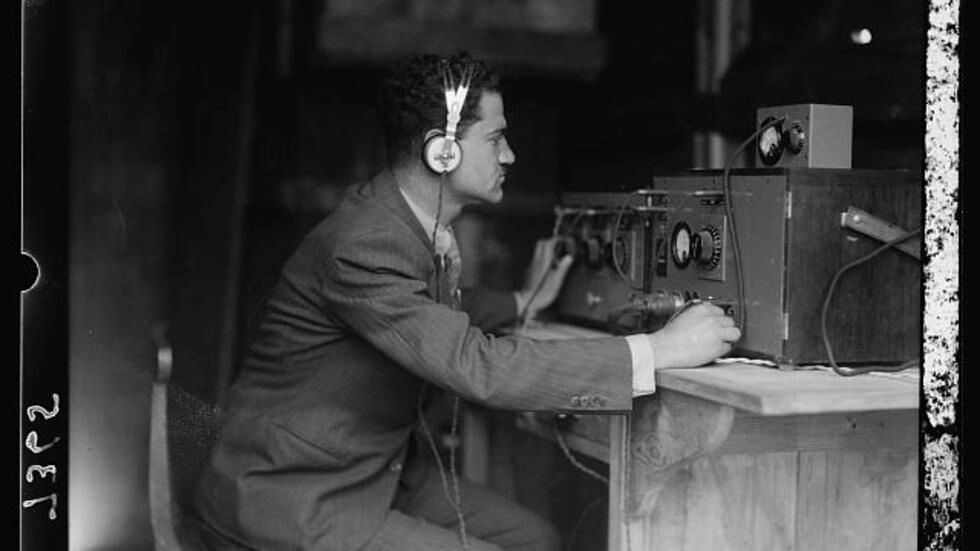
Palestine Broadcasting Service 01 C, 2024.
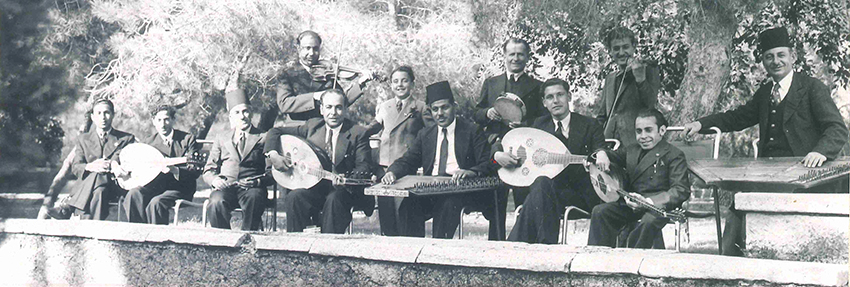
Le premier volet d’une trilogie, qui reprend des images d’archives de la radio de la Palestine sous mandat britannique (1936-1948), qui transmettait en arabe, hébreu et anglais. L’instantané d’une société entrevue en un de ces moments d’interrègne où le possible reste ouvert, entre deux catastrophes historiques. La source de ce cette série est l’image reproduite dans l’ouvrage d’Elias Sanbar Les Palestiniens : La photographie d’une terre et de son peuple de 1839 à nos jours (Paris 2004, p. 272), qui porte la légende ’L’orchestre de la radio palestinienne (anonyme, vers 1940)’.
.
Histoire des monstres 55, 58 et 59, 2025.
Cette série m’a occupée pendant près de quatre ans et fait écho aux changements politiques et sociaux que nous vivons. ’Mes’ monstres sont allégoriques, certes, et ont ce côté ’humain’ qui peut inspirer de la sympathie: tout en étant des parias, des ’aliens’, on dirait qu’on peut parler avec eux dans la même langue. À l’hiver 2024-2025 j’ai encore sillonné en voiture les côtes de la Méditerranée, de Port Bou à Vietri sul Mare, prenant des photographies que j’ai transférées sur verre et à travers lesquelles on peut reconnaître les gravures de la Monstrorum historia d’Ulisse Aldrovandi et des textes transcrits de manière hâtive, brouillonne : des passages de la Tempête de William Shakespeare, les rimes de la chanson d’Ariel.
.
Dante a Rosignano Solvay, 2024-2025.
Les travaux comme celui-ci viennent de la fréquentation de sites naturels et/ou industriels, vus comme s’ils étaient des vestiges de civilisations disparues. Que ça soit Fos-sur-Mer, Rosignano Solvay ou une mine à ciel ouvert près d’Alès, ce qu’ils ont en commun est le fait d’être traités avec un certain regard “romantique”, qui en fait des paysages à la Piranèse ou à la Hubert Robert. Il y a aussi le procédé de superposition de couches sémantiques différentes, dans une stratification des traces qui renvoie à une manière d’archéologie au négatif.
.
Figure d’une autre espece de balaine, 2025.
À la frontière entre France et Italie, où plusieurs fois je fus moi-même arrêté par les douaniers. Avec les premiers rayons de soleil derrière la pointe des Balzi rossi surgît et échoue une autre espèce de balaine. Celui-ci est sûrement le dernier tableau de la série Histoire des monstres, ayant largement exploité les estampes d’Aldrovandi et n’en trouvant pas d’aussi ‘humaines’ que celles dessinées par son graveur, Giovanni Battista Coriolano (1590-1649). Je n’ai pas trouvé l’origine de cette illustration, dénichée sur Internet.
.
Polifilo alla Marina di Vietri 01 bis et Polifilo alla Bufalara 01 bis, 2025.
Je présente ici une revisitation d’images accompagnant le Songe de Poliphile (Francesco Colonna, Hypnerotomachia Poliphili, Venezia, Aldo Manuzio, 1499). Dans cette œuvre romanesque, les protagonistes Poliphile et Polia se retrouvent entre les ruines du Polyandrion qui, d’après les exégètes modernes, pourrait se traduire par “le cimetière des morts d’amour”. L’île de Cythère, qui servait de décor aux aventures des deux amoureux imaginaires, est devenue une plage méditerranéenne en hiver, de nos jours. Le cortège de Sémélé se déploie parmi les barques déposées sur la grève de Vietri sul Mare et la rencontre avec le loup advient sur l’embarcadère de la Bufalara, près de Sabaudia, en vue du mont Circé.
.
Il mio dodicesimo portfolio realizzato presso la tipografia SEP è una sorta di resoconto di un lavoro degli ultimi quattro anni sui temi della mostruosità e dell’alterità. Vi ritroverete i “mostri” di Gramsci, ma anche una selezione di lavori tratti dal grande bestiario di Ulisse Aldrovandi e la prima immagine di una nuova serie basata su antiche carte nautiche: Hic sunt dracones.
Fenomeni morbosi svariati 01 bis e 02 bis, 2023.
Lo spazio tra le tenebre e la luce della Storia non è purtroppo l’interregno tra il vecchio e il nuovo mondo di cui parla Gramsci (il “chiaroscuro” di un’anonima traduzione francese). E i “fenomeni morbosi” non devono emergere, poiché sono già tra noi e dentro di noi. Ma non si può fare a meno di invocare “un po’ di luce”, un po’ di ragione. Solo un po’.
In questo lavoro ho riprodotto senza modificarla la foto segnaletica di Gramsci del gennaio 1935 e ho trascritto a pastello il messaggio dell’anarchico Candido Abbate, requisito in una prigione fascista nel 1929: “Noialtri compagni semo tutti isolati aspettiamo il momento che ci venga rischiarata un po’ di luce che ora vivemo nelle tenebre”.
Palestine Broadcasting Service 01 C, 2024.
Il primo capitolo di una trilogia che riprende immagini d’archivio della radio della Palestina sotto mandato britannico (1936-1948), che emetteva in arabo, ebraico e inglese. L’istantanea di una società intravista in uno di quei momenti di interregno in cui tutto pare ancora possibile, tra due catastrofi storiche. La fonte di questa serie è l’immagine riprodotta nell’opera di Elias Sanbar Les Palestiniens : La photographie d’une terre et de son peuple de 1839 à nos jours (Paris 2004, p. 272), che reca la didascalia “L’orchestra della radio palestinese (anonimo, 1940 circa)”.
Histoire des monstres 55, 58 e 59, 2025.
Questa serie mi ha tenuta occupato per quasi quattro anni e fa eco ai cambiamenti politici e sociali che stiamo vivendo. I “miei” mostri sono allegorici, certo, e hanno quel lato ‘’umano’’ che può ispirare simpatia: pur essendo emarginati, “alieni”, sembra che con loro si possa parlare una lingua comune. Nell’inverno 2024-2025 ho ancora percorso in auto le coste del Mediterraneo, da Port Bou a Vietri sul Mare, scattando fotografie che ho trasferito su vetro e attraverso le quali si possono riconoscere le incisioni della Monstrorum historia di Ulisse Aldrovandi e testi trascritti in modo frettoloso e vago: dalla Tempesta di William Shakespeare, le rime della canzone di Ariel.
Dante a Rosignano Solvay, 2024-2025.
Questo e altri simili lavori ‘’paesaggistici’’ nascono dalla frequentazione di siti naturali e/o industriali, visti come se fossero vestigia di civiltà scomparse. Che si tratti di Fos-sur-Mer, Rosignano Solvay o una miniera a cielo aperto nei pressi di Farnese, ciò che hanno in comune è il fatto di essere trattati con un certo sguardo “romantico”, alla Piranesi o alla Hubert Robert. C’è da menzionare anche il processo di sovrapposizione di diversi livelli semantici, in una stratificazione di tracce che rimanda a una ‘’archeologia al negativo’’.
Figura di un’altra specie di balena, 2025.
Al confine tra Francia e Italia, dove più volte sono stato fermato dagli esimi doganieri. Con i primi raggi di sole dietro la punta dei Balzi rossi, emerge e si arena un’altra specie di balaine. Questo è sicuramente l’ultimo quadro della serie Histoire des monstres, per la quale ho ampiamente sfruttato le stampe di Aldrovandi senza trovarne altre così “umane” come quelle disegnate dal suo incisore, Giovanni Battista Coriolano (1590-1649). Non ho trovato l’origine di questa illustrazione, scovata su Internet.
Polifilo alla Marina di Vietri 01 bis e Polifilo alla Bufalara 01 bis, 2025.
Mostro qui una rivisitazione di alcune incisioni che accompagnano il Sogno di Polifilo (Francesco Colonna, Hypnerotomachia Poliphili, Venezia, Aldo Manuzio, 1499). I protagonisti di quest’opera romanzesca, Polifilo e Polia, si ritrovano tra le rovine del Polyandrion che, secondo taluni esegeti moderni, potrebbe essere tradotto come “il cimitero dei morti d’amore”. L’isola immaginaria di Citera, che faceva da sfondo alle avventure dei due amanti, è diventata una spiaggia mediterranea, d’inverno, ai giorni nostri. Il corteo di Semele si snoda tra le barche depositate sulla spiaggia di Vietri sul Mare e l’incontro con il lupo avviene sul molo della Bufalara, vicino a Sabaudia, in vista del monte Circeo.
SP, novembre 2025.
Immagine di copertina: Hic sunt dracones 01, collage, 70×103, 2025.
“And he knew, on the other hand, that there is no more effective way to break the spell of tradition than to cut out the “rich and strange,” coral and pearls, from what had been handed down in one solid piece.” (1)
(1990, Krempelmarkt Potsdamerplatz, Foto Thomas Gade) .
There is a German word with two significations: Findlinge. It means both erratic rocks deposited by glaciations in territories of a different geological nature, and foundlings (Italian: “i trovatelli”). This multiple definition does not exist in French or Italian, although it does refer to an object found in a place where it does not belong, as well as an abandoned being who is taken in and adopted.
Tourists and travellers strolling through Berlin after the fall of the Wall (November 1989) might have stumbled across a gigantic flea market in the Potsdamerplatz district, which had become a huge wasteland after the bombings of the Second World War. It seemed as if all the inhabitants of East Germany had gathered there to sell off their few possessions and, above all, their own history. You could buy Soviet signs, old sewing machines and bicycles for pennies on the dollar, but above all, lots of paper documents and family photos. This place is where the course of my artistic work changed, and I began to work directly on the images and documents I found.
(1990-1993 Aschenglorie, Über die Schädelnerven)
My first major installation, Aschenglorie, was made up of pieces assembled at the Potsdamerplatz, while later ones (Über die Schädelnerven, Vanitas) were based more intentionally on archival images of psychiatrists or, quite simply, doctors. I used X-ray plates during these years. For me X-rays were at the same time a way of writing the body and a translucent negative screen through which one could guess and decipher the image.
At the time, I was very interested in the question of translation between text and image. I would always been struck by little phrases and quotations I’d come across while reading books. A short story by the Romantic writer Adelbert von Chamisso has stayed with me for many years: the story of Peter Schlemihl, who sells his shadow to the devil in exchange of everything he could possibly want but ultimately cannot exist without this immaterial thing. And also, a note by Sören Kierkegaard on “reflective melancholy”: “It is this reflective grief that I intend to evoke and, as far as possible, illustrate with a few examples. I call them tracings of shadows, to recall by this name that I borrow them from the dark side of life and because, like tracings of shadows, they are not spontaneously visible”. The Danish word for these figures is skyggerids.
(1999 Skyggerids)
Yet another work on the idea of shadows that might reveal something unexpressed. It’s based on a single photograph, which depicts a child in the 1930s in Italy, expropriated from himself, shown in a warlike attitude that he could perhaps not help adopting.
In the photographic pose (of course, every photograph “isolates” and ‘iconizes’ its subject), the child is “promised”, consigned by the adults responsible for him to the regime that will guarantee him the future in which he is thus inscribed. Here you have three variations on the theme: a child in uniform making the Fascist gesture; a child in uniform with a club; a child in uniform with a portrait of the Duce.
This tenderness in the act of placing the toddler in front of the photographic lens, which is ultimately how we take our children’s photos, is matched by a threat: this child, who is already a soldier, will be on the winning side. His uniform already protects him, while giving him the symbolic and ideological markers of his adult life.
(1995 Ninna nanna)
Two. Interlude.
(2006 Ex voto)
In this work, named Ex voto, whose obvious reference is to the walls of the Italian churches covered in metal pieces or paintings depicting an incident from which one has been saved by divine intervention, I intervene on my own drawings and documents, in the same way as on found papers. The mosaic configuration means that each piece, while unique, cannot live without the others that surround it and give it complementary meaning. The lead frame, built at the same time as the image it encircles, is one with the work. To flatly speak, I take a figurative item out of its context, to give to it another, provisional, meaning.
Three. Identifications.
(2009 La Buoncostume suite)
In January 2008, a garbage collector working near the central police station in Rome found two large garbage bags full of photographs: they contained 8,000 images (of identification, surveillance and exhibits) which, having outlived their usefulness in current investigations, had been thrown away to make room, when they should have been deposited in the national archives.
The recovered images were purchased by Il Museo del Louvre, an antiquarian bookshop and gallery, which prepared an exhibition of them and passed on the information to the newspapers. But on the very day of the inauguration, the Carabinieri, mandated by the Superintendence for Cultural Heritage and accompanied by two archivists, came to the gallery to seize all the material on display, as well as the exhibition catalogs. An assistant to the gallery owner pocketed one of them, and it was from this single surviving copy that I drew – and “recovered” – six images: they probably came from the Vice Squadand, judging by the subjects’ appearance and clothing, may date from the late 60s.
By working on them, I wanted to take up the idea of a fashion show, when putting these representations, which have a certain plastic elegance, one after the other. Using chemical means, I superimposed texts taken from a syllabary for popular schools. There is no relationship between the different elements of this work, other than the one I have imposed, and other than, perhaps, the fact that these texts dictate linguistic rules.
(2009 La Buoncostume/Wallflowers)
I’m used to work in series, to present many variants to the solution of a formal problem I’ve posed myself. In the series I’m showing here, I’ve tackled the question of pose and frontality, which always concerns this type of image (I’d like to point out a difference here: while identity is a quality or, better still, the set of qualities and relationships that define an individual, identification is a process, the set of acts we need to recognize an individual among others).
In some of these photographs, you can see the metric grid that serves as the background for the portraits; it reminded me of the damsels who are kind of wallpapers village parties, waiting to be invited to the ball. In English, they’re called wallflowers, a term also used to describe a shy person.
I should point out that, here as in others of my series, the background, the passage of color, the incisions on the surface of the image have the function of making it permeable to other possibilities of reading.
(2010 Leçons d’anthropométrie)
This series was born of research in the archives of the Gard département (South of France). Every homeless person, especially nomads and itinerants, was required to carry an anthropometric pass, drawn up according to the standards dictated by Alphonse Bertillon (the inventor of the “portrait robot”), and stamped each time they entered and left a commune. This carnet, whose obvious aim was to control the gypsy population, was used from 1912 to 1969: in addition to personal data, it contained the bearer’s front and side photos, as well as the prints of his ten fingers.
I’ve reproduced six photos of members of the same family (taken in the early 1920s) on glass, and I have superimposed them on the articles of the passport rules; these articles are transcribed with a black felt-tip pen on cardboard cut-outs, like those shown by beggars to collect money.
There are also colors, fluorescent red and white, flattened out on the cardboard: they give geometric shapes that might bring to mind Russian Constructivism or the Bauhaus.
To confound the identification process, I superimposed the frontal photo of a person on the one of a relative, or on the profile photo of the same person.
(2011 Phantombilder)
This example of the difficult relationship with the truth of an image is the most paradoxical. I’m thinking of the German police’s Robot Portraits (and perhaps of other police forces), which can easily be found on the Internet, and to which I’ve made a slight change.
Technically speaking, these images are photographs, i.e. photographic reproductions. At the same time, they don’t reproduce anything. They are nothing more than artificially reconstituted memory. What they represent does not exist; yet we are in the presence of an image as “credible” as a “real” photograph.
These are photographic montages: whether they are digital or not makes no difference to my point. Several pieces of reality do not necessarily constitute another reality. They do, however, create a kind of icon of a face, which appears strangely smooth to our gaze, and from which something doubly disturbing emerges. To the mortifying, past-fixing activity of photography is added a kind of cadaverization of the image. This is exactly what Alfred Döblin had in mind when he introduced August Sander’s book Antlitz der Zeit, Face of our Time (to be precise, Döblin compares the levelling imposed by death to the one created by social conventions and looking at Sander’s work, he thought of the famous wax mask, much reproduced in those years, ‘’L’inconnue de la Seine’’). Sander photography book was published in 1929.
I can’t fail to mention here another portrait Sander made of his son Erich, who died in prison in 1944, a portrait of a portrait in wax. It makes me think that photographic portraiture and sculptural portraiture are ultimately the same thing. It’s just the reproduction technique that changes.
Four. Millenovecento.
(2019 Detail of the installation Millenovecento)
A dozen years after the completion of my 2006 installation, Ex-voto, wich I mentionned earlier, and thirty years after my discovery of the Potsdamerplatz and the beginning of my work with found images, I presented a new installation based on photography. This time the installation was more decidedly history-oriented, and our common history intertwined with my biography. In this sense, I «historicize» myself as a man who lived most of his life in the past century and that’s why I named this installation Millenovecento.
I don’t respect hierarchy of images neither by the substance nor by the quality. So, I mixed good quality silver prints of my photos with newspaper clippings, photocopies and photographs from private archives. Sometimes I reproduced the image on glass and superimposed on paper documents, other times it is the photograph on paper that is the background of a text, or a graphic reproduced on glass. Each time there is a color passage, a luminescent red, which creates an offset and which is, to date, my signature.
(Details of the installation Millenovecento 2019-2021)
About this method of recollection and transformation : today, it would be considered aberrant what the archaeologists of the kings of Naples did when Pompeii was rediscovered in the 18th century, or what clandestine tombaroli (grave robbers) do in Etruscan burials (enter from above and penetrate from one room to another by breaking through the walls just to bring precious objects back to the surface).
Since the second half of the 19th century archaeology, even the ‘’preventive’’ archaeology that closes everything up after excavations, has been working by removing layer after layer. Stratigraphy, whose main purpose seems to be the preservation of the context of the found find, is the opposite of penetration in search of the rare pearl or, simply, of a pearl.
Five. Galatina.
(2022 Galatina remix)
I became interested in the subject of the Taranta – which in Italy is far from being just a subject for ethno-demo-musicological study, but has become a phenomenon of popular culture, both scholarly and mass – because, given my age and geographical origins, I myself could have been one of those boys watching the tarantolata from the window of the hovel.
I have undertaken the translation into French of the text by Salvatore Quasimodo, winner of the Nobel Prize for Literature in 1959, to whom Gianfranco Mingozzi addressed himself, once ready to show his documentary film La Taranta, in 1961:
The text, which refers to the writings of the ethnologist Ernesto De Martino (Sud e Magia, Milano 1959 and probably La terra del rimorso, Milano 1961), was written in less than twenty days, as Mingozzi wanted to present his film at the Festival dei popoli in Florence (January 1962, where it won the Marzocco d’oro prize).
I’ve taken up this recent series of nine small formats (Galatina 1961), using other stills of more “autobiographical” interest. It comprises twelve 30×40 cm pieces, each bearing one or two letters from the phrase Et in Arcadia Ego, written on a topographical map of southern Italy. Each painting is decorated with blank puzzle pieces, painted in fluorescent red and applied according to the Fibonacci sequence, from 0 for the first to 89 for the twelfth (as we know, the Fibonacci progression, born to calculate the reproduction rate of rabbits, considers each number as the addition of the two preceding it).
By the last picture in the series, the puzzle, which shows nothing but rather hides the image as it progresses, is almost completely filled in.
I confess that I chose this formula while thinking of Mario Merz (Crocodilus Fibonacci, 1972, among others) and the spiral shapes I’ve used in recent works (Going round and round, 2024).
Let me now briefly show another work derived from a documentary film by Gianfranco Mingozzi: Con il cuore fermo. Sicilia, from 1965. Its subject is the emigration to which young Sicilians are forced, oppressed by a feudal agricultural system and, admittedly, by the power of the Mafia.
Here the geographical map is cut out in order to show the red letters of the film title, keeping Mingozzi typeface: Con il cuore fermo. Sicilia.
(2022 Con il cuore fermo)
Six. Morbid phenomena.
(2023 Fenomeni morbosi ter 02)
I don’t know if Antonio Gramsci was ever in Urbino, but I made sure to bring him there, in image, four centuries after Paolo Uccello. This is the power that the artist has, as opposed to the historian.
This is the last work in the Fenomeni morbosi svariati series (2023). The series included three reproductions of scenes from Paolo Uccello’s Miracle of the Consecrated Host (1467-1469), commissioned by the Urbino Corpus Domini confraternity and calling for strongly anti-Semitic representations (see, among others, the essays by Marilyn Aronberg Lavin (1967) and Jean-Louis Schefer (2007).
I did superimpose to the painting reproductions several holdings from the Casellario Politico Centrale of the National Archives in Rome. Among others: the manual transcription of a letter seized from an inmate of Fascist prisons in 1929, which I transcribed in 1979, when I was a daily visitor of the Archives for my research about the Roman labor movement (“Noialtri compagni semo tutti isolati aspettiamo il momento che ci venga rischiarata un pò di luce che ora vivemo nelle tenebre”); Antonio Gramsci’s identification photo from January 1935, which I transformed on Photoshop into a Che Guevara-style logo; the reproduction of the first page of the Casellario computerized index, under the heading “Political Prisoners”.
In this synthesis work that I am showing you, I have reproduced Gramsci’s identification portrait without modifying it, and I have transcribed the Roman antifascist’s message in bold pastel, respecting his grammatical errors: “We comrades are all isolated, waiting for the moment when a little light can shine on us, because now we live in darkness”.
In the imagery of darkness and light, I can’t help but think of religious persecution. I am also touched by the expression, however banal, “noialtri” used by comrade Candido from Manziana. Curiously, the automatic translators give, in French, “le reste d’entre nous”. Perhaps, through a computer glitch, there’s some truth to it: “ce qui reste de nous” (“what’s left of us”) in a time of darkness. But I like to translate it, forcing it a little of course: “we the others”, the others in us.
Seven. Ruins in the Forest.
(2023 RNF)
Già m’avean trasportato i lenti passi dentro a la selva antica tanto, ch’io non potea rivedere ond’io mi ‘ntrassi; (2)
For some years now, I have been working on the theme of nature subject to civilization (and vice versa), well knwing that, after Philippe Descola’s Beyond Nature and Culture (first publication : Paris 2005) a natural space free of human vision and intervention doesn’t exist. In the photographs I make around Europe there is always a natural element that predominates over the co-presence of artifacts reduced to traces and signs. It is the concept of ”rupestrian” which interests me.
On this purpose, I went back to Dante, particularly the verses in the Comedy where he talks about the ”ancient forest”, which is nothing but a representation of the earthly paradise. I dealt allegorically with this subject of an Eden lost and not yet found; I developed it into two series of paintings, one series A and one series B, which I show face to face.
The first series presents ten digital prints on glass, in a 30×40. Through the image thus rendered transparent, one glimpses Dante’s text, Canto XXVIII of Purgatorio, reproduced on Canson paper and continuously, without a caption. This is the Canto in which the poet, bidding farewell to Virgil, finds himself in the delightful garden from which the first sinners were banished; so perfect is this garden that even animals are absent from it.
Natural element and human element are indiscernible here, merged in what could be a vision of the world after the passage of humans, a world returned to primeval forest. It is not known whether a pearl fisherman from another galaxy might find there the bones that have become corals, the eyes turned into pearls, not even by employing the anti-scientific technology foreshadowed by Hannah Arendt: perforation versus stratigraphy, in the necessary destruction of the past that allows the extraction of what is “precious and rare.”
(2023 Rovine nella selva)
In opposition to this sequence, I conceived another line of prints on glass, of the same format; in these works, the human factor is more markedly present. One glimpses mostly monumental vestiges, more “structured,” lost in nature, still recognizable though but perhaps no longer reconstructible. As a backdrop to the photograph, one recognizes topographical maps cut out and put back together: they may, or may not, trace the location of these unlikely earthly paradises.
On each map I have inscribed a letter, in Bodoni typeface: E, T, I, N, A, R, C, A, D, I, A, the last I being represented by the image of a stick painted red, sunk into the floor of the former Castro Cathedral. The last word of the famous Guercino and Poussin quotation, EGO, is superimposed to the image of a princely Etruscan tumulus in Vulci (Latium).
With this series, I try to oscillate between a certain “beauty” of the image and its admonitory character. Nothing here is spectacular or dramatic, but I think that hovers some restlessness there: a feeling that unites us and makes us “human thing.”
Eight. Monstrum nostrum.
(Histoire des monstres 00, 2021)
2021, December.
It was while leafing through an illustrated book on the oceans that belonged to one of my children, in early December 2021, that I came across, or rather stumbled upon, some old engravings depicting sea monsters. My mind must already have been on a subliminal quest for nightmarish images, since the other two books next to the bed were Monstros by Portuguese philosopher José Gil (Lisboa 1994) and Emanuele Coccia’s Métamorphoses (Paris 2020).
So, I searched for and picked up again the great bestiary by Ulisse Aldrovandi, Italian physician, philosopher and one of the inventors of natural history (1522-1605), his Monstrorum Historia. Published in Bologna in 1642, a copy of this work entered the library of the Chartreuse de Villeneuve-lès-Avignon the following year. Requisitioned along with other ecclesiastical goods during the French Revolution, the volume was in my hands on a table at the Carré d’art in Nîmes the day after my sleepless night.
Of all the monstrous creatures listed by Aldrovandi, I chose marine animals. They seem to me more capable of adapting to the habitats I’ve tyrannically imposed on them in my montages.
The backdrop to this series is therefore a reproduction of an Aldrovandi engraving, on which a landscape photograph is transparently placed. There is also a textual element which, without having any direct relationship with either image, is like the stitching that links the other two layers: a kind of marginalia added in the course of reading. These are quotations from authors I’ve read while sitting down to this work, transcribed in Indian ink or graphite.
Sometimes, a rectangle painted in neon red, while hiding the background image (or highlighting it), opens up an additional level for reading the image : simply another dimension.
In September 2023, invited to the closing ceremonies of the Rencontres Méditerranéennes in Marseilles, Pope Bergoglio spoke of how the Mediterranean Sea was in danger of becoming a sea of the dead: “And then there is a cry of pain that resounds more than any other, and which transforms the mare nostrum into a mare mortuum, the Mediterranean, the cradle of civilization, into the tomb of dignity. It is the muffled cry of migrant brothers and sisters…”.
In December 2023, these same statesmen to whom the pope was addressing were passing an anti-immigration law that won’t even guarantee the continuation of their power. The change of title of my series comes from historical contingency: from Histoire des monstres to Monstrum nostrum, “our” monsters.
2025, January.
In the “old” naturalist school, however, the monster has still something human, a kinship with humanity, while being the very expression of otherness. While they are outcasts, “aliens”, we, along with Ulisse Aldrovandi, seem to be able to speak the same language as them. We wonder if we could befriend them. And I also like to think that the only inhabitant of the island where Prospero was stranded, Caliban, half-man half-fish, could well be represented by one of the drawings by Aldrovandi’s engraver, Giovanni Battista Coriolano.
But what seems to me to have changed radically in the Western world over the last few decades – in an increasingly accelerated fashion – and which is undermining all the principles of the Enlightenment, secular humanism and even Christian humanism, is the conception of “the other”. It’s like a summation of the foreigner, perceived as a block of otherness and danger, and obviously considered less human than “us”.
Moreover, it seems that certain principles of the Roman Empire have won a majority in that part of the Western populations that still votes : those of a world divided into winners and losers, dominators and dominated. This is the legacy that colonialism has left us.
For over three years now, I’ve been doing ‘’photographic’’ paintings of sea monsters landing on the shores of the Mediterranean, and I’ve been wondering who is more monstrous, these fish or amphibians with humanized faces, or those who leave them to die on the beaches. I was wondering about the monstrous part of Western mankind.
This series that kept me busy for the last years was my only artistic activity, apart from my applied art productions. It also echoes the political and social changes we’re going through.
(Histoire des monstres suite 2021-2025)
In the Winter of 2024-2025, I once again drove along the coast of the “Middle Sea”, from Port Bou to Vietri sul Mare, south of Naples.
I photographed places I already knew in summer light. These shores look very different in winter. They are transformed by autumn storms, with all the debris and wrecks that cover them and are cleaned up as summer approaches.
I’ve transcribed texts from Aldrovandi’s work on the printed engravings, in a hasty, scrappy way: passages from William Shakespeare’s Tempest, those from Ariel’s song (Full fathom five thy father lies;/ Of his bones are coral made; Those are pearls that were his eyes: Nothing of him that doth fade, But doth suffer a sea-change/ Into something rich and strange). (3)
I have also transcribed the wonderful Neapolitan translation of the song, made by Eduardo De Filippo shortly before his death and published by Einaudi in 1984: Nfunn’a lu mare/ giace lu pate tujo. / L’ossa so’ addeventate de curallo,/ ll’uocchie so’/ dduje smeralde…/ E li spoglie murtale, tutte nzieme/ se songo trasfurmate:/ mò è na statula de màrmole/ prigiato, sculpito e cesellato!
Nîmes-Farnese, Spring 2025
Postscriptum.
As some quind of conclusion and to give you the opportunity to reflect by yourself on the matter, here’s the definition of the word “Monster” given by the Treccani encyclopedia in 2018 :
A MONSTER is a being that has characteristics that are different from those that constitute the norm, and therefore generates awe and fear; its appearance is bizarre and unpleasant, sometimes frightening (it may have, for example, two heads, eyes on its chest, body of a man and head of an animal, and so on), and its size is different from that of a human. Monsters, beings produced by human imagination, can be found in ancient mythologies, religious and folk traditions, and in fairy tales and children’s stories; they can be represented as positive or negative characters, and be loaded with even complex symbolic meanings (harpies are monsters from Greek mythology; the m. of Loch Ness; monsters and villains from fairy tales)…
Quotes and notes:
Hannah Arendt, Introduction to Walter Benjamin, Illuminations: Essays and Reflection, New York 1968.
Dante Alighieri, Purgatorio, XXXVIII.
Shakespeare published The Tempest in 1611; Aldrovandi had died six years earlier, well before the publication of his Historia Monstrorum (Bononiae 1642).
A couple more quotations from Arendt’s Men in Dark Times, New York 1968.
‘‘the destructive power of quotations was “the only one which still contains the hope that something from this period will survive – for no other reason than that it was torn out of it.’’
‘’This method is like the modern equivalent of ritual invocations, and the spirits that now arise invariably are those spiritual essences from a past that have suffered the Shakespearean “sea-change” from living eyes to pearls, from living bones to coral..‘’
‘’this thinking delves into the depths of the past – but not in order to resuscitate it the way it was and to contribute to the renewal of extinct ages. What guides this thinking is the conviction that although the living is subject to the ruin of the time, the process of decay is at the same time a process of crystallization…’’
.
.
.
.
.
.
.
XIR168135 ‘L’Inconnue de la Seine’ (plaster) (b/w photo) by French School, (19th century) plaster Private Collection French, out of copyright
. Juin 2025. En pleine canicule, une reprise du travail sur Ponge inspirée par les temps qui courent : “Mais quelle est la notion propre de l’homme . La parole et la morale. L’humanisme. Paris 21 mars 1936”.
.
Ponge 00, 2025, 24×42.
.
“Je puis me plaire à considérer Rome, ou Nîmes, comme le squelette épars, ici le tibia, là le crâne d’une ancienne ville vivante, d’un ancien vivant…”,
Francis Ponge, Le parti pris des choses, Paris 1942, p. 75.
2 janvier 2022. En ce début d’année, je débute aussi un nouveau travail. Avant-hier, 30 décembre, j’ai achevé la série Histoire des monstres, d’après les gravures de Ulisse Aldrovandi et hier, dernier jour de l’année 2021, profitant d’une lumière de brume assez exceptionnelle dans cette partie de la France, je suis monté à bicyclette au Cimetière Protestant et j’en ai photographié les pourtours, sans y pénétrer.
Au retour à la maison j’ai repris le livre de Jean-Christophe Bailly sur ses voyages en France (Le dépaysement, Paris 2011) et je l’ai ouvert au chapitre 23. Castellum acquae : ” Nemausensis poeta, c’est ainsi que Francis Ponge aimait à s’annoncer…”
Depuis longtemps, depuis que je sais que Francis Ponge est enterré dans ce cimetière d’une insoutenable beauté, à quelques centaines de mètres de chez moi, que je pense aller visiter sa tombe, mais je ne l’ai jamais vraiment fait. Son patronyme ne figure pas parmi ceux des personnalités illustres, sur la carte accrochée à l’entre monumentale, et en flânant dans les allées mousseuses, en compagnie d’un chat errant ou de l’autre, je n’ai jamais posé les yeux sur son nom, ni ai-je voulu interroger les gardiens à son sujet.
Hier aussi, au lieu que rentrer, maintenant que je connaissais le sujet de mon travail nouveau, je suis resté aux abords des deux secteurs du cimetière, séparés par un cadereau canalisé et bétonné pour éviter les inondations. J’ai pris quelques photos de l’intérieur par les bouches d’évacuation des eaux, ayant la tête à la hauteur du terrain et des tombes.
PS : les scans utilisés en fond à mes photographies viennent de l’édition de 1979 de Francis Ponge, Le parti pris des choses, Paris 1942.
.
.
Ponge 01, 24×42, 2022.
.
Ponge 02, 24×42, 2022.
.
Ponge 03, 24×42, 2022.
.
Ponge 04, 24×42, 2022.
.
Ponge 05, 24×42, 2022.
.
Ponge 06, 24×42, 2022.
.
2 January 2022. At the beginning of this year, I embarked upon a new project. The day before yesterday, 30 December, I completed the series Histoire des monstres, based on engravings by Ulisse Aldrovandi, and yesterday, the last day of 2021, taking advantage of foggy conditions that are quite unusual in this part of France, I cycled to the Protestant Cemetery located a few hundred meters from my home and photographed its perimeter, without entering it.
Upon returning home, I picked up Jean-Christophe Bailly’s book on his travels in France (Le dépaysement, Paris 2011) and turned to chapter 23, entitled Castellum acquae: “Nemausensis poeta, as Francis Ponge liked to refer to himself…”
For a long time, ever since I learned that Francis Ponge was buried in this unbearably beautiful cemetery, I had been thinking of visiting his grave, but somehow I never managed to do so. His name does not appear among the illustrious figures on the map posted at the monumental entrance, and while strolling through the mossy paths, in the company of a stray cat, I never found his name, nor did I want to ask the cemetery’s caretaker.
Yesterday, having decided on the subject of my new project, I returned but rather than entering the cemetery, I remained at the edge of its two divisions, separated by a concrete-paved ditch dug below the street level to avoid flooding. Looking through the ditch’s drainage holes situated at the ground level, I took some pictures of the cemetery’s interior and the tombs from this unusual viewpoint.
Notes :
Mais je ne suis pas loin de Nîmes. N’y puis-je rien y faire à ta place ? Au splendide jardin de la route d’Alès (1) (qui m’est si cher), n’aurez-vous pas à venir ? Ne puis-je rien préparer ? Francis Ponge, Lettre à Jean Paulhan, 22 mars 1944, in Correspondance 1923-1946, Paris 1986, p. 309.
La note (1) de l’éditeur récite : Il s’agît du cimetière protestant de Nîmes, où se trouve le monument funéraire de la famille Ponge-Fabre.
.
Quello che mi pare sia cambiato radicalmente nel mondo occidentale negli ultimi decenni – in modo sempre più accelerato – e che sta mettendo in minoranza tutti i principi dell’Illuminismo, dell’umanesimo laico e anche di quello cristiano, è la concezione de ”l’altro”.
E’ come una cristallizzazione dell’alieno, visto come un blocco di estraneità e pericolo e, evidentemente, considerato meno umano rispetto a ”noi”.
A me la tematica dell’alterità ha sempre interessato, forse per motivi autobiografici, così come quella dell’intruso, colui che si trova nel posto sbagliato al momento sbagliato.
Negli ultimi due-tre anni ho fatto quadri in cui rappresentavo mostri marini (quelli di Ulisse Aldrovandi) che atterravano sulle coste del Mediterraneo, e ponevo l’interrogazione su chi era più mostruoso, questi pesci o anfibi dal volto umanizzato, o quelli che li lasciavano agonizzare sulle spiagge. Mi interrogavo sulla parte mostruosa che c’era in noi uomini occidentali.
Ora, a inizio 2025, mi stufo a voler mitigare sempre fra il buono e il cattivo, e mi dico che i mostri veri (non quelli allegorici) ci sono e non sono simpatici, e hanno preso il sopravvento (se te li sogni la notte, quelli sono mostri).
Ho scritto a un amico, con cui ho condiviso le lotte e le opinioni politiche, dal 1970 a oggi: Cercavo di capire cosa volesse dire Vittorini con ”Uomini e no”. Claudio Pavone pensava che intendesse ”resistenti uomini, fascisti no”, ma non credo sia cosi’, poiché lo scrittore siciliano mostra una grande capacità antiretorica, quando alla fine del suo romanzo il giovane resistente non riesce a uccidere il soldato tedesco, che sente troppo simile nella sua umanità.
Ma il fascismo che ritorna ha la sua forza proprio in questo ritorno al “uomini e meno uomini “, che riporta a galla il concetto non proprio nuovo di dominazione (e di civiltà, certo).
Alla fine degli anni Sessanta, sull’onda del terzomondismo e delle lotte per i diritti civili, potevi ancora cantare “Di che colore è la pelle di Dio” nei cori parrocchiali e ti sentivi quasi rivoluzionario.
Ora ti tocca ricantarla, perché ti portano indietro di sessant’anni e devi riaffermare il concetto che esiste “un’umanità comune” e non c’è un umano tutto umano e uno “sottoumano”.
Quindi ti fanno rivenire a Viva la gente e a Martin Luther King. Un altro po’ e mi rimetto a fare i manifesti per i lebbrosi del dispensario keniano di Morulem: “Lei non usa Kaloderma”.
”Sono d’accordo su tutto. Ma siamo in difficoltà vera. Si pone anche il problema di cosa si fa quando le cose sono andate oltre e non si hanno le forze x poter reagire… è l’arca di Noè la metafora.”
Dalla Treccani, voce ”Resistenza”: Accanto ai primi barlumi di resistenza attiva, in quei giorni furono largamente gettati i semi della “resistenza passiva”, intesa come creazione di un clima e di un ambiente favorevoli alla prima. Claudio Pavone, Una guerra civile.
Non mi è mai interessato essere portatore di fiaccole o sentirmi più chiaro di altri, ma oggi ci riportano alla metafora logora della luce e delle tenebre, alla necessità di barlumi di resistenza, che salvano l’onore dell’umano. La Nadezda Mandelstam che impara a memoria le poesie del marito morto in deportazione e le recita agli amici, il Walter Benjamin che cerca di portare in salvo le sue venti pagine di dattiloscritto attraverso i Pirenei, o il protagonista di Farsi un fuoco, la cui sopravvivenza dipende da un unico fiammifero.
Non posso non continuare ad aggrapparmi a un illustre esempio, quello di un trio di intellettuali sconosciuti e isolati, esiliati dal fascismo in un’isoletta del mar Tirreno che, nel 1941, in piena espansione del nazismo e chiusura di ogni ragionevole speranza, scrissero un manifesto per l’Europa unita che, diffuso clandestinamente da una loro compagna, divenne qualcosa di udibile e quasi realizzabile dopo la guerra.
Non so se andare a vivere in una comunità del Massiccio Centrale, ad allevare pecore e allontanare i lupi coi falò sia una buona soluzione. Poiché non possiamo influire sull’eventuale avvicinamento dell’Europa alla Cina, né sulla sua alleanza con i paesi del Sud, né sulla sua stessa sopravvivenza, dobbiamo forse ritirarci, ove possibile, a vivere in campagna, ma in una campagna situata ad almeno cinque metri sul livello sul mare e non soggetta alle piogge torrenziali conseguenti al cambiamento climatico?
O tentare di fare due cose, quando prima ne facevamo al massimo una?
La persona che gestisce il profilo Instagram Anonymousworksinc, che ha sempre diffuso immagini di oggetti e opere d’arte dismessi o dimenticati o marginali, interrompe la sua ‘’programmazione’’ abituale per dire con pacatezza e senza livore come reagisce ai nuovi dati politici: continuando a rivolgersi a loro (i governanti) e impegnandosi in servizi sociali locali.
For the last month, I’ve been struggling to find ways that I can affect change amidst the Trump/Musk assault on democracy and utter disdain for working class Americans. Part of my solution is to continue to speak truth to power and stand up for what’s right, even if it doesn’t follow what others may expect as my curatorial premise. The other part of my approach is to embrace volunteerism at a local level. To that end, I’m stepping up my participation at my local YMCA which is creating a number of social service programs to help underprivileged communities. For example, they are raising money to expand their Youth & Government program to underserved kids that haven’t been exposed to how government works. And they are expanding their efforts of local food pantries where low income families can help supplement their monthly supplies.
These and so many other programs are helping to fill the void as our current administration is determined to gut vital services.
In the coming months, I’ll also be highlighting other nonprofits doing good in our communities. If you enjoy my content, would you please consider donating $5 (or any other amount) via the link in my Bio? ANY amount would be greatly appreciated. 100% goes to my local YMCA in Los Angeles.
Thanks!
Da parte mia, che posso fare? Continuare a fare quadri e caricature di Pulcinelli e Pinocchiella, poiché l’arte (se è arte) porta vitalità agli altri, come diceva Elsa Morante, e questo è molto. Continuare a cucinare buone cose con buoni prodotti, senza tante smancerie, e mangiarle in compagnia, e anche questo non è poco. E pagare di persona, cioè dare una parte più importante dei miei guadagni a programmi di assistenza e di salvataggio, quelli delle Nazioni Unite in aiuto ai rifugiati, quelli dei battelli che cercano i migranti dispersi nel Mediterraneo. Barlumi di resistenza cioè.
Tocca mettersi – ancora di più se possibile – dalla parte dei paria. Siccome siamo vecchi e stanchi militanti umanisti, facciamolo con quello che abbiamo a portata di mano, i colori, le fotografie, un po’ di denaro che avanza.
Certamente, quello che non farò sarà riunirmi con gli amici per condividere la costernazione e la siderazione di ciascheduno. Con gli amici mi riuniro’ per bere e per mangiare e per guardare caricature dei potenti (è notevole la qualità e la ricchezza semantica delle caricature che si vedono in questi giorni: molte eguagliano quelle di Heartfield, testimone dell’ascesa del nazismo). *
28 febbraio. M., la tua idea dell’arca di Noé è buona, cioè ‘’salvare il salvabile’’, il salvabile non potendo essere, probabilmente, il Pelobate fosco del Po torinese, anche se avremmo bisogno che ci spuntasse un terzo braccio: uno per il Pelobate, uno per manifestare, uno per l’amicizia che mi pare a questo punto l’ultima espessione di un’umanità comune. Penso però all’amicizia alla Arendt, che nasce dalla gioia di essere insieme e non dalla compassione per le sofferenze altrui, all’amicizia ‘’politica’’ che avrebbe permesso a un tedesco e a un ebreo di mantenere la loro relazione sotto il nazismo (Arendt pensava certo al suo rapporto intellettuale e sentimentale con Heidegger).
La differenza sembra essere la condizione per un’amicizia fedele.
Dalla conferenza di Hannah Arendt in occasione del conferimento del premio Lessing, L’umanità in tempi bui, Amburgo, 28 settembre 1959**: “La storia conosce molti periodi in cui lo spazio pubblico si oscura e il mondo diventa così incerto che le persone non chiedono più alla politica se non di prestare la dovuta attenzione ai loro interessi vitali e alla loro libertà privata. Li si può chiamare “tempi bui” (Brecht)”.
[…] Dal punto di vista di un’umanità che non abbia perso il solido terreno della realtà, un’umanità nella realtà della persecuzione, essi avrebbero dovuto dirsi: tedesco, ebreo, e amici. In tutti i casi in cui a quell’epoca un’amicizia del genere è esistita […] in tutti i casi in cui è stata mantenuta nella sua purezza, ossia senza falsi complessi di colpa, da un lato, e falsi complessi di superiorità o di inferiorità, dall’altro, si è prodotta una scintilla di umanità in un mondo divenuto inumano.’’
E’ un pensiero che nasce dall’esperienza, provata in prima persona, dell’ebreo come ‘’paria’’. C’è stato un momento in cui Arendt, cosi’ come Scholem, ha creduto alla possibilità di uno stato binazionale in Palestina. Poi non è andata così. E i paria ci sono ancora, anche se ce ne sono circa 60.000 di meno rispetto a un anno e mezzo fa.
Dans un essai de 1944, elle décrit le paria juif par une galerie de portraits, de Heinrich Heine à Bernard Lazare, de Charlie Chaplin à Franz Kafka. Les pages qu’elle consacre à l’humanité du paria sont parmi les plus belles de la littérature du 20 e siècle. Dépourvu d’un patrimoine personnel, le paria attribue une grande importance à l’amitié. Exclu de la sphère publique et privé de droits, il trouve un rayon de lumière dans la chaleur humaine de ses voisins. Exclu de toute forme de citoyenneté, il redécouvre l’humanité comme catégorie universelle, transcendant les lois et les frontières politiques. L’amour, la sensibilité, la générosité, le sens de la fraternité et de la solidarité, l’absence de préjugés, souligne Arendt, sont des qualités humaines qui, dans de sombres temps, trouvent un refuge parmi les parias, les proscrits et les ‘’sans droits’’. Par conséquent, les parias sont, depuis toujours, ennemis du pouvoir, anticonformistes, rebelles, créateurs, incarnations de l’esprit critique.
Enzo Traverso, ‘’Dark times, Judéité et politique chez Hannah Arendt’’, Revue française de science politique, 2009/5, vol. 59.
.
* ”Amico – La gioia comune, e non il dolore comune, fa l’amico”. Friedrich Nietzsche, Umano troppo umano, § 499, Milano, Adelphi, 1965.
** Pubblicato in opuscolo da Raffaello Cortina nel 2018.
*** Una buona bibliografia sulla questione dell’amicizia intellettuale in Elena Laurenzi, ”Maria Zambrano ed Elena Croce: quando un’amicizia fa la politica”, Università di Barcellona (2016).
.
Postille: alcune caricature recenti.
Visto a Oaxaca, Messico (città capitale dei graffiti di protesta) e riprodotta in un post di anonymousworksinc.
.
Carnevale di Viareggio, febbraio 2025. “Per una Costituzione sana e robusta”.
La Buoncostume-Salpêtrière 2020
34×34, technique mixte.
Le sujet des Inconnus de la Salpêtrière me suit maintenant depuis plus de vingt ans. Dans les années 90 du siècle dernier, je fréquentais beaucoup les archives et les bibliothèques des Écoles de médecine ou des Hôpitaux de Paris, à la recherche de sujets de traitement psychiatrique aussi bien que de regard photographique. Dans le fonds Charcot de la Salpêtrière j’avais trouvé six images d’aliénés, probablement prises par Albert Londe au début du XX siècle, sur lesquelles j’ai travaillé en les reproduisant en xylographie, en 1999, au cours d’un séjour en Norvège.
Á mon retour en France, je n’ai pas été capable de retrouver ces sources de travail, auxquelles je voulais donner un nom. Depuis, fasciné peut-être par les regards de ces « sujets », je n’ai pas cessé de reprendre ces six petites photocopies qui m’étaient restées (voir l’article de mon site Nouvelle iconographie).
Il y a dix ans, dans des circonstances hasardeuses, je suis tombé sur des photographies d’identification de la police italienne, issues probablement de la section des moeurs (La Buoncostume) de la Préfecture de Rome. Ces images, à en juger par les vêtements et l’appareil de ces sujets, datent de la fin des années 60 du XX siècle. Elles aussi m’ont suivi longtemps, comme un défilé statuaire dont le caractère anonyme même me captivait. Et, étant donné que ce qui me captivait était peut-être le trait noir qui leur censurait les yeux, j’ai voulu placer derrière, comme une ombre, d’autres images qui ne sont que du regard.
En cette fin 2020, j’ai l’idée soudaine de reprendre les deux séries d’images et de les reproduire en miroir et avec un miroir. Le troisième élément de ce jeu est ma propre image devant ces images.
Puis-je, insistant tellement sur ces pauvres photographies, creuser là-dedans, un peu plus, la question de la pose et du portrait ?
Già m’avean trasportato i lenti passi dentro a la selva antica tanto, ch’io non potea rivedere ond’io mi ‘ntrassi;
. Ruins in the Forest 02, 2016, 30×40.
. From Castro 02, 2017, 20×30.
. Romitorio 05, 2016, 20×30.
. From Rofalco 02, 2025, 20×30.
. From Rofalco 01, 2025, 20×30.
. Hopi a Poggio Rota 02, 2017, 20×30.
. Rovine nella selva 06, 2023, 30×40.
. Rovine nella selva 09, 2023, 30×40.
.
Nella selva antica 08, 2024, 20×30.
.
Ruins in the Forest 03, 2016, 30×40.
.
Un sito rupestre: ivi si tratta della natura che, già sfruttata dall’uomo per farne opera, riprende i suoi diritti e non lascia l’opera dell’uomo che come traccia. La Tuscia è piena di questi luoghi; è come se non solo civiltà e abbandono si succedessero a ondate secolari, ma l’una fosse la condizione dell’altra. La Tuscia è un posto solitario. E sono le attività dell’uomo solitario che lasciano – o lasciano immaginare – le impronte più inattese.
Se il termine “rupestre” definisce forme d’arte fatta su o con le rocce (le tombe, i santuari, i graffiti, le pitture), può anche essere impiegato per descrivere i manufatti inselvatichiti, quando divengono parte della natura circostante.
Per l’artista, si tratta di re-intervenire sugli elementi naturali che sono stati fatti forma dall’intervento umano e stanno riscrivendo la propria storia. Rupestre è il punto in cui natura e storia s’incrociano: per l’artista non si tratta tanto di lavorare orizzontalmente nello spazio, quanto di avere come materia il tempo, in una pratica di stratificazione che sarebbe come uno scavo archeologico, ma al negativo. Sedimentare dopo aver individuato.
Spesso, negli anni recenti, mi sono trovato a esplorare i luoghi dell’Etruria, così come facevo da adolescente. Tuttavia negli anni recenti non andavo a mani vuote: portavo con me una forma, una specie di foglia d’olivo, o di lingua, fatta di lattice impregnato di pigmenti rossi fluorescenti. Oppure trasportavo una ferula raccolta verso il mare e ridipinta. La posavo al suolo e la fotografavo: la tomba etrusca, divenuta romitorio medievale, divenuto ovile, divenuto rifugio antiaereo, divenuto nascondiglio di amanti furtivi, accoglieva un ultimo segno di passaggio, come il testimone di una corsa a staffetta. Ma, contrariamente a ciò che fa la Land art, il luogo non è stato trasformato: è stato solo “segnato”.
Luoghi della civiltà etrusca, vestigia parzialmente conservate, ove la natura è tornata predominante. Fotografie stampate su supporti trasparenti, che lasciano leggere un passo dantesco oppure decifrare una carta dell’IGM che potrebbe riferirsi a quel luogo, oppure a un altro. I versi danteschi provengono dal Canto XXVIII del Purgatorio: il poeta vi descrive una “selva antica” che non è altro se non il paradiso terrestre, ove una volta l’uomo ha vissuto in stato di grazia, lontano dal peccato e dalla tecnologia.
Dante Alighieri è stato probabilmente l’ultimo visitatore di un giardino dell’Eden. Nessuna foresta, neanche la selva concresciuta fra le formazioni vulcaniche del Lamone può essere oggi chiamata “primordiale”. Anche la conservazione della natura è un fatto artificiale. Nella riserva naturale le tracce della “civiltà” sono visibili ovunque: mura di recinzione crollate, resti di pavimentazione romana, solchi scavati dai carri dei carbonai, cumuli di pietre che furono torri etrusche e, infine, le strisce rosse e bianche della segnaletica escursionistica.
Questa non è certo la natura descritta da Leopardi, la crudele deità che nelle sue manifestazioni distruttive non si preoccupa certo del destino umano (Dialogo della natura e di un islandese, 1824). Questa è una “riserva”, un posto in cui il “primigenio” è solo reminiscenza.
Già m’avean trasportato i lenti passi
dentro a la selva antica tanto, ch’io
non potea rivedere ond’ io mi ’ntrassi;
Purgatorio, XXVIII.
. Sotto Rofalco, 2013.
.
Alla Nova, 2013.
.
Alla Nova, 2013.
.
Land paintings 10, Gottimo, 70×50, 2014.
.
Al Lamone, stampa digitale, 32×44, 2014.
. Ferula-Buffon 02, 30×40, 2014.
. A Vallerosa, 2016.
.A Vallerosa, 2016.
.
A Rofalco, 2016.
. Ruins in the Forest A 02, 30×40, 2016.
.
Ruins in the Forest A 06, 30×40, 2016.
. A Settecannelle, 2016.
. From Castro 02, 20×30, 2017.
. From Rofalco 01, 20×30, 2017.
.
From Rofalco 02, 20×30, 2017.
. Rovine nella selva 02, Fratenuti, 30×40, 2023.
. Rovine nella selva 06, Poggio Conte, 30×40, 2023.
. Rovine nella selva 09, Castro, 30×40, 2023.
. Histoire des monstres 37 bis, Fiora, 24×42, 2024.
. I cavallini di Poggio Rota, 30×30, 2017.
. Nella selva antica 06 ter, Lamone, 40×60, 2025.
. Ferula-Vago già, Campo della Villa, 20×30, 2025.
.
Nel Lamone. Dante è stato certamente l’ultimo visitatore del giardino dell’Eden. Nessuna foresta, neanche la foresta antica sorta sulle formazioni vulcaniche della Tuscia, neanche la Selva del Lamone si puo’ dire originaria. Ovunque si troveranno le tracce della “civiltà” umana: i muri di cinta diruti, i resti di pavimentazione stradale, i solchi dei carri dei carbonai, i mucchi di pietre che furono muraglie etrusche e oggi le strisce di pittura bianca e rossa della sentieristica.
Le mie fotografie sono riprodotte su supporti trasparenti e sovrapposte alle riproduzioni di petroglifi preistorici (quelli del Nevada sono i più antichi ritrovati sul continente nordamericano): sono i segni di un’epoca in cui l’uomo iniziava appena ad appropriarsi della natura. Se sono riprodotti con l’acrilico rosso fluorescente, è perchè di segnaletica si tratta; quello che cambia rispetto a diecimila anni fa, è la tecnologia della riproduzione.
.
Vago già di cercar dentro e dintorno
la divina foresta spessa e viva,
ch’a li occhi temperava il novo giorno,
sanza più aspettar, lasciai la riva,
prendendo la campagna lento lento
su per lo suol che d’ogne parte auliva.
Un’aura dolce, sanza mutamento
avere in sé, mi feria per la fronte
non di più colpo che soave vento;
per cui le fronde, tremolando, pronte
tutte quante piegavano a la parte
u’ la prim’ombra gitta il santo monte;
non però dal loro esser dritto sparte
tanto, che li augelletti per le cime
lasciasser d’operare ogne lor arte;
ma con piena letizia l’ore prime,
cantando, ricevieno intra le foglie,
che tenevan bordone a le sue rime,
The continuation of a series begun in December 2021 entitled Histoire des monstres and based on fifteen plates from Ulyssis Aldrovandi’s Monstrorum Historia (Bononia 1642). The series went through several variations including a couple of title changes (A Sea-change, Monstrum nostrum). It kept me busy for almost three years, and it was my only artistic activity apart from my applied art work (see Folk Art 2003-2025). It also echoes the political and social changes we are experiencing.
As I see no further possible variations, given the artistic tools at my disposal, I decided to terminate the series. Consequently the final version of Histoire des monstres suite comprises 59 pieces, in addition to the six in the Les bêtes de Batz series and the nine HdM variations.
It has found a complement in three limited edition booklets, Histoire des monstres (2022), A sea-change (2024) and Monstrum nostrum (2025).
Through this project I hope to have contributed to the current political debate on issues of otherness, identity, and identification.
.
Histoire des monstres suite, a selection.
Histoire des monstres 02, Don’Ana-Andura Piscis, 2021, 24×42 (on deposit at the Sit down gallery, Paris).
Here the link to the 2021 series
and below a choice of the more recent pieces:
. Histoire des monstres20, Rosignano Solvay-Sus marinus, 24×42, 2024.
. Histoire des monstres 21, Fincantieri-Niliaca parei, 2024, 24×42 (private collection).
. Histoire des monstres 21, Marinella-Vituli marini, 2024, (private collection).
. Histoire des monstres 24, Nisida-Orobonis Piscis, 2024 (private collection).
. Histoire des monstres 25, La Bufalara-Aper Marinus, 2024, 24×42.
. Histoire des monstres 27, Finistère-Orca Balaenam, 2024 (private collection).
. Histoire des monstres 28, Finistère-Draco marinus, 2024 (private collection).
. Histoire des monstres 29 bis, Finistère-Raia exiccata, 2024, (private collection).
.
Histoire des monstres 34, Marinella di Sarzana-Daemoniforme, 2024, 26×42.
. Histoire des monstres 40, Marina di Vietri-Humana facie, 2024 (private collection).
. Histoire des monstres 44, Marina di Vietri-Andura piscis, 2025, 24×42.
. Histoire des monstres 45 ter, Marina di Vietri-Rana piscatrix, 2025, 24×42.
. Histoire des monstres 46, Marina di Vietri-Raia exiccata, 2025, 24×42.
. Histoire des monstres 47, Marina di Vietri-Orca balaena, 2025, 24×42.
. Histoire des monstres 48, Aigues Mortes-Cetus capillatus, 2025, 23×40.
. Histoire des monstres 49, Nisida-Draco marinus, 2025, 24×40.
.
Histoire des monstres 50, Batz-leonini effigies, 2025, 24×42.
. Histoire des monstres 55, Batz-Piscis reticulatum, 2025, 24×42.
. Histoire des monstres 52, Bilancino-Rosmarus bellua, 2025, 24×40.
.
Histoire des monstres 43 ter, Port Vendres-Rana piscatrix, 2025, 24×42 (private collection).
.
Histoire des monstres 58, Nervi-Monstrosus Cyprinus, 2025, 24×42.
. Histoire des monstres 59, Marinella- Elephas Marinus, 2025, 24×42.
.Histoire des monstres 60, Menton- humana facie, 2025, 24×42.
Acrylic on slide, 2024. Price: 50€ the formats 14×10, 100€ the 14×22.
.
Remaining 14×10: .
PeP 06-10
. PeP 11-15
. PeP 16-20
. PeP 21, 14×22.
. PeP 22, 14×22.
. PeP 23, 14×22.
. PeP 24, 14×22.
. PeP 25, 14×22.
.
PeP 26, 14×22.
. PeP 27, 14×22.
. PeP 28, 14×22 (sold).
. PeP 29, 14×22.
. PeP 30, 14×22.
.
I Pinocchiella in rosso, con la maschera nera, e i Pulcinelli in nero, profilati sul fondo d’ardesia.
Mi piacerà mescolare gli attributi dei due personaggi, così come già ho confuso i loro nomi.
Dopo la serie dei Puglianelli (Pulcinelli), di cui ho realizzato 208 disegni su carta e una sessantina di maioliche, vorrei produrre una trentina di ardesie, per poter declinare al massimo il soggetto senza scadere, a un certo punto, in un’inevitabile trivialità, come lì dove mi pare aver fallato, a partire dal – diciamo – Pulcinello 189 o 190.
In questo percorso su tematiche di folclore europeo approderò forse alla figura di Pollicino, chiaramemente apparentata alle due precedenti. Già nei Puglianelli si può avvertire -qui e lì – un barlume dell’apparizione di questo carattere, che sia nel disegno 43 (Cappuccetto rosso), o nei personaggi larvali rappresentati nel 150 o nel 152. Ma ai posteri l’ardua sentenza.
Un personaggio metterà in relazione questa serie con l’altra, parallela, dedicata all’immagine della Pistrice: Il Terribile Pesce-cane (la Tarasca, la Viverna, il Leviatano).
.Pinocchiella e Pulcinello 02, 14×20.
. Due Pulcinelli in rosso con maschera bianca, 18×24.
.
Pinocchiella e Pulcinelli, 01-15, 14×10 apiece, 2024.
.
Pinocchios in red, with the black mask, and Punchinellos in black, profiled on the slate background.
I do not think one should insist on the sexually ambiguous character of Punchinello, while that of Pinocchio appears rather phallic to some. I will, however, enjoy mixing up their attributes, just as I have already mixed up their names.
After the series of Puglianelli (Punchinellos), of which I made 208 drawings on paper and about sixty majolica tiles, I would like to produce about thirty slates, in order to be able to decline the subject to the utmost without expiring, at some point, in inevitable triviality, as there where I seem to have failed, starting with – let’s say – Puglianello 189 or 190.
In this journey on themes of popular culture I will perhaps land on the figure of Thumbelina, evidently related to the previous two. Already in the Puglianelli one can sense -here and there- a glimmer of the appearance of this character, whether in drawing 43 (Little Red Riding Hood), or in the larval characters depicted in 150 or 152. But to posterity the arduous judgment.
One character will relate this series to the other, recent one, devoted to the Pistris: The Terrible Fish-dog invented by Collodi on models that cannot fail to recall the various figures of fairy tales ogres.
À suivre…
Galatina ter 01-06, 2024 (see individual works at the bottom of the page).
The other series, consisting of twelve reworked stills, 30×40 cm: Galatina remix.
And the performed remastering of Gianfranco Mingozzi documentary film: La Taranta remix.
.
Questo è il grande giorno delle tarantate. Una volta l’anno esse scrollano il peso e il tormento del loro numero anonimo nella società e della privazione di diritti elementari, e possono recitare la loro disperazione davanti a una folla di spettatori.
I tarantati dicono di sentire la noia all’inizio del male, male che viene curato con le cadenze di una musica fortemente ritmata e continua, e con la danza della piccola taranta, la tarantella. Gli strumenti musicali di cura sono: violino, fisarmonica, tamburello. Il violinista fa il barbiere, il tamburellista è contadino, il suonatore di fisarmonica mette i morti sotto terra.
E il 28 giugno di ogni anno, sotto il sole, mentre i carri portano un suono cupo di solchi lacerati, di torrenti, pietra su pietra colore del fuoco, vanno le tarantate, e quelle che sono state liberate del male, nella cappella di San Paolo, con la speranza di ascoltare, dal forte labbro del Santo, una parola che annienti ogni forza malefica sulla croce di due pietre.
Giungono altre donne. La speranza di guarire si ripercuote sulla loro anima, ogni anno. Il morso, come il rimorso, è aspro da sottomettere.
Qui, il tarantismo comincia la sua morte. Interdetta dalla pietà cristiana, la musica la danza, disarticolata la disciplina del ritmo e della melodia, moltiplicate le possibilità di contagio di queste frane della psiche fra il formicolio delle ammalate, il tarantismo, nella cappella di San Paolo, è già nella sua parabola di crisi.
Quello che poteva sembrare oleografia o folklore entra ora nel campo della cura neurologica. Nell’evoluzione del mondo di oggi, quest’antica eredità del medioevo consuma ormai il suo ultimo tempo.
(I testi che precedono sono estratti dal commento di Salvatore Quasimodo per il documentario di Gianfranco Mingozzi, La Taranta (18′ 32”, 1962, musiche originali registrate da Diego Carpitella; fotografia di Ugo Piccone; consulenza di Ernesto de Martino).
.
Un estratto di La Taranta remix (rilettura di Quasimodo sovrapposta al commento originale):
La versione integrale del documentario di Gianfranco Mingozzi:
.
.
La prima parte della scaletta presentata da Mingozzi, scrupolosamente rispettata da Quasimodo (da Gianfranco Mingozzi, La Taranta, Lecce 2009, p. 36).
* Per un’analisi del testo di Quasimodo vedi: Héloïse Moschetto, “Dall’esorcismo al trasumanar : le tarantolate di Salvatore Quasimodo”, Babel [web], 42, 2020.
** La scrittrice e fotografa Suzanne Doppelt si è ispirata al documentario di Mingozzi per il suo Meta donna (Paris, P.O.L, 2020).
.
Il titolo di questi lavori è Galatina. Il formato è 20×30 cm. I quadretti sono numerati nell’ordine, da 01 a 09.
La tecnica: fermi immagine stampati in UV su celluloide, tasselli di puzzle dipinti all’acrilico, carta topografica ritagliata.
.
Series completed June 28, 2022, at La Verrière, France.
Work resumed in March 2023, with the addition of six new pieces:
And the last version of the work Galatina ter) with the remaining 20×30 (November 2024):
.
Postilla: mail circolare a qualche amico italiano.
Salve. Attirerei la vostra attenzione sul compimento di una serie (stavolta per davvero, ho finito il colore!), Galatina 1961, che mi tiene occupato da un paio d’anni, insieme con un’altra sui mostri marini di Ulisse Aldrovandi e le coste del Mediterraneo, A Sea-change.
Mi era parso interessante vedere come un fenomeno di cultura popolare, abbastanza ‘’di nicchia’’, è stato ripreso dalla società dello spettacolo, anche grazie al documentario antropologico di Gianfranco Mingozzi girato in Salento a fine giugno 1961.
Ho ripreso quindi la giornata del 28 giugno 1961 in una serie di fermi-immagine da cui ho tratto due serie di lavori, per l’appunto il Galatina e un Galatina remix di dodici pezzi 30×40 cm, in cui i tasselli di puzzle dipinti di rosso finiscono per coprire completamente il soggetto, secondo la nota sequenza del Fibonacci.
Accessoriamente, ho tradotto in francese il bel testo di Salvatore Quasimodo che accompagnava il film di Mingozzi e l’ho sovrapposto al commento originale. Questo ha dato la performance La Taranta remix(Carré d’Art novembre 2023 e Radio Rayvox novembre 2024).
Si je me suis intéressé au sujet de la Taranta – qui en Italie est loin d’être seulement un sujet d’études ethno-démo-musicologiques – mais est devenu un phénomène de culture populaire, en même temps savante et de masse – c’est que, vu mon âge et mes origines géographiques, j’aurais pu moi-même être l’un de ces garçons qui guettent la tarantolata par la fenêtre de sa masure.
J’ai entrepris la traduction en français du texte de Salvatore Quasimodo, Prix Nobel de littérature en 1959, auquel Gianfranco Mingozzi s’adressa, sans doute par le biais de son mentor, Cesare Zavattini.
Le texte, qui fait bien référence aux écrits de l’ethnologue Ernesto De Martino (Sud e Magia, Milano 1959 et probablement La terra del rimorso, Milano 1961), fut rédigé en moins de vingt jours, Mingozzi souhaitant présenter son film au très proche Festival dei popoli de Florence (janvier 1962, où effectivement il gagna le prix Marzocco d’oro).
Je vais reprendre cette série récente de neuf petits formats (Galatina 1961) en utilisant d’autres arrêts sur images, d’intérêt plus “autobiographique”. Il y aura douze 30×40, dont chacun portera une ou deux lettres de la phrase Et in Arcadia Ego, écrites sur une carte topographique d’Italie du Sud. Chaque tableau sera décoré de pièces de puzzle vierges, peintes en rouge fluo (acrylique La Pajarita Fluor F-3, qui remplace efficacement mon Lumen rosso 26) et appliquées selon la suite de Fibonacci, de 0 pour le premier à 89 pour le douzième (comme on le sait, la progression de Fibonacci née pour calculer le taux de reproduction des lapins, considère chaque numéro comme l’addition des deux qui le précèdent).
Au dernier tableau de la série, le puzzle, qui ne montre rien mais cache plutôt l’image au fur et à mesure qu’il avance, sera presque entièrement rempli.
J’avoue que j’ai choisi cette formule tout en pensant à Mario Merz (Crocodilus Fibonacci, 1972, entre autres) et à des formes en spirale dont je me suis servi pour des travaux récents (Going round and round).
.
Le texte de Quasimodo (Gianfranco Mingozzi, La Taranta, Kurumuny, Lecce 2009).
La Taranta, Gianfranco Mingozzi, documentary film, 1962, 18’12”. La Taranta remix, a performance by Salvatore Puglia, Carré d’Art, Nîmes, November 10, 2023.
(Performance replayed on Sunday, November 10, 2024 at the Rayvox studio in Nîmes).
.
”A l’époque des moissons, les paysans des Pouilles qui travaillent pieds nus sont parfois piqués par la tarentule. Dans la croyance populaire, ces victimes sont possédées par la maladie, par le Mal, par le Diable. Pour se libérer, les tarantati s’abandonnent à des mouvements convulsifs, évoquant ceux de l’araignée, sur une musique obsédante au rythme de plus en plus rapide. En été 1961, Gianfranco Mingozzi en fait un film à partir de La Terre du remords, une étude ethnographique pluridisciplinaire, avec la participation de l’ethnomusicologue Diego Carpitella, dont les enregistrements figurent dans le montage de La Taranta. Pour le commentaire, Mingozzi s’adressa au poète Salvatore Quasimodo, Prix Nobel de littérature en 1959.”
« Si je me suis intéressé au sujet de la Taranta – qui en Italie est loin d’être seulement un sujet d’études ethno-démo-musicologiques mais est devenu un phénomène de culture populaire, en même temps savante et de masse – c’est que j’aurais pu moi-même être l’un de ces garçons qui guettent la tarantolata par la fenêtre de sa masure. » SP
Grand auditorium – Carré d’art, Nîmes.
Vendredi 10 novembre 2023 à 18h30
Rencontre Poésie/Cinéma
Projection et lecture suivies d’une rencontre avec Salvatore Puglia et Suzanne Doppelt
.
Le lien au travail Galatina remix et aux sources documentaires de la performance.
En écho…
Galatina remix, travail plastique conçu par Salvatore Puglia à partir du film de Gianfranco Mingozzi
Exposition sur le plateau Adulte (entresol) mur Etudes côté Arts, du 7 novembre au 9 décembre 2023
« Il y aura douze tableaux de 30×40 utilisant des arrêts sur images d’intérêt plus autobiographique. Chacun portera une ou deux lettres de la phrase Et in Arcadia Ego, écrites sur une carte topographique d’Italie du Sud. Chaque tableau sera décoré de pièces de puzzle vierges, peintes en rouge fluo (acrylique La Pajarita Fluor F-3, qui remplace efficacement mon Lumen rosso 26) et appliquées selon la suite de Fibonacci, de 0 pour le premier à 89 pour le douzième (comme on le sait, la progression de Fibonacci née pour calculer le taux de reproduction des lapins, considère chaque numéro comme l’addition des deux qui le précèdent). » SP
Questo lavoro di arte applicata, su ardesia e su ceramica, è una ripresa su altre forme della tematica della mostruosità, già sviluppata nella serie Histoire des monstres (2021-2025).
La Pistrice, come è noto, è un mostro marino mitologico, ibrido di mammifero carnivoro, di pesce e di serpente, divoratrice di esseri umani.
Ho rappresentato questa variante di Leviatano su tavolette di ardesia da 10×30 cm, in un formato a ‘’zoccolo’’ che permette di sviluppare il corpo e di apporvi una coda-fauce dalla quale – a partire da modelli trovati nel Medioevo fantastico di Jorgis Baltrusaitis che mi accompagna dal 1979 – fuoriusciranno personaggi contemporanei che forse qualcheduno riconoscerà.
Per informazioni e eventuali ordinazioni, potete andare sulla pagina Bio/Contacts di questo sito.
This applied art work, on slate and ceramic, is a reprise on other forms of the theme of monstrosity, already developed in the series Histoire des monstres (2021-2024).
The Pistris, as it is known, is a mythological sea monster, a hybrid of carnivorous mammal, fish and snake, a devourer of human beings.
I will represent this variant of Leviathan on 10×30 cm slate tablets, in a ”plinth” format that allows the body to be developed and a tail-fauce affixed to it, from which–from models found in Jorgis Baltrusaitis’ Fantastic Middle Ages, which has been with me since 1979–contemporary characters will emerge that perhaps some will recognize.
For information and possible orders, you can go to the Bio/Contacts page of this site.
Cette œuvre d’art appliqué, sur ardoise et céramique, est une reprise sous d’autres formes du thème de la monstruosité, déjà développé dans la série Histoire des monstres (2021-2025).
La Pistris, on le sait, est un monstre marin mythologique, hybride de mammifère carnivore, de poisson et de serpent, dévoreur d’êtres humains.
J’ai représenté cette variante du Léviathan sur des tablettes d’ardoise de 10×30 cm, dans un format « plinthe » qui permet de développer le corps et d’y apposer une queue, d’où émergeront – d’après les modèles trouvés dans le Moyen Âge fantastique de Jorgis Baltrusaitis, que j’ai en ma possession depuis 1979 – des personnages contemporains que certains reconnaîtront.
Pour toute information et commande éventuelle, veuillez vous rendre sur la page Bio/Contacts de ce site.
C’est dans l’attente d’un endormissement qui ne venait pas, en feuilletant un livre illustré sur les Océans qui appartient à l’un de mes enfants, que je suis tombé, ou plutôt retombé, sur certaines gravures anciennes reproduisant des monstres de la mer.
Mon cerveau devait être dans une recherche subliminale d’images cauchemardesques, puisque les deux autres livres près du lit étaient Monstros du philosophe portugais José Gil (Lisboa 1994) et les Métamorphoses d’Emanuele Coccia (Paris 2020) .
J’ai donc recherché et repris en main les bestiaires de Ulisse Aldrovandi, médecin et philosophe bolognais (1522-1605), l’un des inventeurs de l’histoire naturelle. La source d’un nouveau travail était trouvée.
Pour reproduire les planches de la Monstrorum Historia j’ai utilisé un exemplaire qui, publié à Bologne en 1642, portait déjà en 1643 le cachet de la Chartreuse de Villeneuve lès Avignon. Cet exemplaire, sans doute à la suite des réquisitions révolutionnaires, se trouve aujourd’hui à la bibliothèque du Carré d’art de Nîmes.
Parmi toutes les créatures monstrueuses répertoriées par Aldrovandi (rarement par observation directe), j’ai choisi les animaux marins. Ils me paraissent plus appropriés à s’adapter aux habitats que je leur ai imposés de manière tyrannique.
Cette nouvelle série présentera par conséquent en toile de fond la reproduction d’une gravure d’Aldrovandi, sur laquelle une photographie de paysage sera posée en transparence. Il y aura un élément textuel aussi qui, sans avoir de relation directe avec l’une ou l’autre image, sera comme la couture qui reliera les deux autres couches : comme des marginalia adjoints dans le courant de la lecture. Il s’agira de citations des auteurs que j’ai lus en m’attablant à ce travail : je les transcrirai à l’encre de Chine.
(13 décembre 2021)
Histoire des monstres 00, Poggio Rota, 30×30, completed December 13.
.
Histoire des monstres 01, Fiora, 24×42, completed December 15.
.
Histoire des monstres 02, Lagos, 24×42, completed December 16.
.
Histoire des monstres 03, Rofalco, 24×42, completed December 17.
. Histoire des monstres 04, Morgantina, 24×42, completed Decembre 19.
. Histoire des monstres 05, Castro, 24×42, completed December 20.
. Histoire des monstres 06, Brignogan-Plage, 24×42, completed December 22.
. Histoire des monstres 07, Fratenuti, 24×42, completed December 24.
. Histoire des monstres 08, Batz, 24×42, completed December 25.
. Histoire des monstres 09, Fosso bianco, 24×42, completed December 26.
. Histoire des monstres 10, Balena bianca, 24×42, completed December 27.
. Histoire des monstres 11, Camp de César, 24×42, completed December 28.
. Histoire des monstres 12, Ponte san Pietro, 24×42, completed December 29.
.
History of the monsters
Waiting unsuccessfully to fall asleep one evening, I was leafing through an illustrated book on the oceans that belongs to my eldest son, when I encountered, or rather re-encountered, some old engravings depicting sea monsters.
My brain must have been engaged in a subliminal search for nightmarish images, since the two other books that were lying near the bed were Monstros by the Portuguese philosopher, José Gil (Lisbon, 1994) and Metamorphoses by Emanuele Coccia (Paris, 2020).
So I searched for and consulted the bestiaries of Ulisse Aldrovandi, a noted physician and philosopher from Bologna (1522-1605), who is considered one of the fathers of natural history studies. This became the source of a new artistic project.
To reproduce the plates of the Monstrorum Historia, I used a version that was published in Bologna in 1642, and bore the stamp of the Charterhouse of Villeneuve lès Avignon in 1643. This publication is now preserved in the library of the Carré d’art in Nîmes, probably as a result of requisitions undertaken during the French Revolution.
Among all the monstrous creatures listed by Aldrovandi (he rarely observed them directly), I chose marine animals because they seem to me best adapted to the habitats that I tyrannically imposed on them.
This new series will therefore feature a reproduction of an Aldrovandi engraving as a backdrop, on which a transparent landscape photograph will be placed. I will also add some texts which, without being directly related to either image, will serve as the thread connecting the other two layers: like marginal notes added while reading a text. They will be quotations, transcribed in Chinese ink, from the authors who have read while approaching this latest work.
(December 13 2021)
.
I have used also:
J. Baltrusaitis, Le moyen âge fantastique, Paris 1955
G. Lascault, Le Monstre Dans l’Art Occidental, Paris 1973
C. Kappler, Monstres, démons et merveilles à la fin du Moyen Age, Paris 1980
M. Guédron, Les monstres, Paris 2018
Sea-change est l’expression qui, depuis Shakespeare, indique en anglais un changement radical, un renversement de situation, une transformation profonde. Il y a quelques années j’ai entrepris une première série de travaux sur le sujet de la métamorphose, les monstres à visage humain de Ulisse Aldrovandi en étaient le support iconographique.
Shakespeare publia La Tempête en 1611, Aldrovandi était mort six ans plus tôt, bien avant la parution de son Historia Monstrorum (Bononiae 1642).
Parmi toutes les créatures plus ou moins fantastiques répertoriées par le naturaliste bolognais, j’ai choisi les monstres marins. Je les imaginais échoués sur les côtes, comme les bateaux des migrants en Méditerranée. J’aime aussi penser que le seul habitant de l’île où Prospero échoua, Caliban, mi-homme mi-poisson, pourrait bien être représenté par l’un des dessins du graveur d’Aldrovandi, Giovanni Battista Coriolano.
Je me posais la question si l’autre, l’étranger, l’anormal, était celui qui arrivait de mondes inconnus ou si dans le regard-même posé sur lui il n’y avait pas déjà quelque chose de monstrueux. Dans le fait même de désigner l’autre comme monstre, c’est le monstre en nous qui parle.
En septembre 2023, invité aux cérémonies de clôture des Rencontres méditerranéennes à Marseille, le pape Bergoglio disait comment cette mer méditerranée risquait de devenir une mer des morts : « Et puis il y a un cri de douleur qui résonne plus que tout autre, et qui transforme le marenostrum en mare mortuum, la Méditerranée, berceau de la civilisation en tombeau de la dignité. C’est le cri étouffé des frères et sœurs migrants… »
Ces mêmes hommes d’État auxquels s’adressait le pape faisaient voter, le 19 décembre 2023, une loi contre l’immigration qui ne leur garantira même pas leur maintien au pouvoir.
Le changement de titre de ma série vient de la contingence historique : d’Histoire des monstres à Monstrum nostrum, “notre” monstre.
À l’hiver 2024 j’ai sillonné en voiture les côtes de la “Mer du milieu”, de Port Bou à Vietri sul Mare, au sud de Naples.
J’ai photographié des lieux que je connaissais déjà sous la lumière d’été. L’aspect de ces rivages est bien différent en hiver. Ils sont transformés par les tempêtes automnales, avec tous les débris et les épaves qui les couvrent et qui sont nettoyés à l’approche de la belle saison.
Aux photographies prises entre l’Espagne et l’Italie j’ai ajouté des images de littoraux bretons, après avoir fait la lecture d’un récit de Guy Boucher dans Histoires extraordinaires de l’île de Batz (2016) où le mythe fondateur de l’île – l’expulsion du dragon – est relié aux problèmes et conséquences du changement climatique (cf. Nathalie Gallon, ‘’Le dragon de l’île et les monstres marins’’, 9 Lives Magazine, janvier 2024).
Nous vivons une époque de grande confusion. Nous entrons déjà dans le sea-change. Du désastre nous serons sauvés par nos monstres mêmes, si nous savons les reconnaître.
.
Histoire des monstres 22, Marinella di Sarzana-Vituli marini.
. Histoire des monstres 23, San Terenzio-Rosmarus bellua.
.
Histoire des monstres 24, Nisida-Orobonis Piscis.
. Histoire des monstres 25, La Bufalara-Aper Marinus.
. Histoire des monstres 27, Batz-Orca Balaenam.
. Histoire des monstres 28, Batz-Draco marinus.
. Histoire des monstres 29, Batz-Raia exiccata.
. Histoire des monstres 32, Aigues Mortes-Monstrosus Cyprinus.
. Histoire des monstres 33, Mèze-humana facie.
. Histoire des monstres 34, Marinella di Sarzana-Daemoniforme.
. Histoire des monstres 35, Vado Ligure-Andura piscis.
. Histoire des monstres 21, La Spezia Fincantieri-Niliaca parei.
.
.
Sea-change is the expression that, since Shakespeare, indicates a radical change, a reversal of situation, a profound transformation. A few years ago, I began a series of works on the subject of metamorphosis, with Ulisse Aldrovandi’s human faces monsters as iconographic support.
Shakespeare published The Tempest in 1611; Aldrovandi had died six years earlier, well before the publication of his Historia Monstrorum (Bononiae 1642).
Of all the more or less fantastic creatures listed by the Bolognese naturalist, I chose sea monsters. I imagined them washed ashore, like the migrant boats in the Mediterranean. I also like to think that the only inhabitant of the island where Prospero was stranded, Caliban, half-man half-fish, could well be represented by one of the drawings by Aldrovandi’s engraver, Giovanni Battista Coriolano.
I wondered whether the other, the foreigner, the abnormal, was the one who arrived from unknown worlds, or whether there wasn’t already something monstrous in the very gaze cast upon him. In the very act of designating the other as a monster, it’s the monster in us that speaks.
In September 2023, invited to the closing ceremonies of the Rencontres Méditerranéennes in Marseilles, Pope Bergoglio spoke of how the Mediterranean Sea was in danger of becoming a sea of the dead: “And then there is a cry of pain that resounds more than any other, and which transforms the mare nostrum into a mare mortuum, the Mediterranean, the cradle of civilization, into the tomb of dignity. It is the muffled cry of migrant brothers and sisters…”.
On December 19, 2023, these same statesmen to whom the pope was addressing were passing an anti-immigration law that won’t even guarantee the continuation of their power.
The change of title of my series comes from historical contingency: from Histoire des monstres to Mostrum nostrum, “our” monster.
In the winter of 2024, I drove along the coast of the “Middle Sea”, from Port Bou to Vietri sul Mare, south of Naples.
I photographed places I already knew in summer light. These shores look very different in winter. They are transformed by autumn storms, with all the debris and wrecks that cover them and are cleaned up as summer approaches.
To the photographs taken between Spain and Italy I added images of Breton coastlines (Finistère), after reading a story by Guy Boucher in Histoires extraordinaires de l’île de Batz (2016) where the founding myth of the island – the expulsion of the dragon – is linked to the problems and consequences of climate change (cf. Nathalie Gallon, ”Le dragon de l’île et les monstres marins”, 9 Lives Magazine, January 2024).
We are living in a time of great confusion. We are already entering the sea-change. We will be saved from disaster by our own monsters, if we learn how to recognize them.
.
NEWS September 2024: producing 50 tiles 10×15 inspired by the Pulcianelli sketches.
Spuglia ceramics are produced in friendly collaboration with Vietriscotto, a traditional ceramic workshop operating on Italy’s Amalfi Coast (at Vietri sul Mare) since 1952.
. 2024, Canopiocchi su ceramica, 15×10 cm.
. 2024, Ur-scritture, 10×20 cm.
.
. Sushi 13×26
. Mattonelle per Aula magna Università per stranieri di Siena.
.
La philosophie dans le boudoir
Vietri sul Mare est une petite ville de cinq ou six-mille habitants, perchée à l’extrémité du golfe de Salerne, à cinquante kilomètres au sud de Naples.
Depuis l’antiquité, grâce à un courant longeant les côtes du nord au sud, qui amenait naturellement ses bateaux vers la Sicile, les entrepreneurs de Vietri ont pu exporter la vaisselle faite avec la glaise des inépuisables carrières qui se trouvent à l’intérieur de ses terres.
Aujourd’hui encore la fabrication artisanale de la céramique est son activité principale. Dans les rues et les places de cette ville tout ce qui est signe est fait de ce matériau: façades, enseignes, pancartes, vases et animaux en faïence donnent à Vietri un aspect d’entrepôt de pacotille peinte à ciel ouvert.
Si on a des amis là-bas, on peut être introduit dans l’un de ces laboratoires artisanaux, pour y faire ses propres carrelages. On vous donne un tabouret au milieu des ouvriers, on vous confie un pot de la couleur que vous aurez choisi, un bleu de Delft par exemple, et on place à coté de vous une palette de carreaux prêts à être émaillés.
Sous le regard des ouvriers, curieux de voir ce que vous savez faire, vous aurez à décider comment couvrir de signes ces dalles. Vous avez décidé de jouer une parodie de l’art populaire, avec ses desseins «bien faits», ses dictons écrits en belle calligraphie. Vous avez décidé de mettre un texte philosophique sur ces surfaces, bien que ce ne soit pas la surface naturelle pour un tel travail de transcription. Vous sortez un livre de votre poche, un livre en langue étrangère, parce que vous n’avez pas envie que soit lisible ce que vous écrivez. Vous vous mettez à l’œuvre, d’une main maladroite qui ne vous obéit pas. Le pinceau va là où il veut, vous le laissez faire, cela peut vous convenir que de rédiger en mauvaise écriture un beau texte. On s’approche de vous et on vous fait gentiment remarquer que vous n’utilisez pas le bon pinceau. Mais, même avec le bon, vous en mettez partout. Au bout de quelques heures, les gens sont fatigués de se laisser amuser par vous et comprennent qu’il n’y a rien à faire, ils vous laissent tranquille. Vous en êtes à la troisième page de la philosophie dans le boudoir et au cinquantième carreau, vous n’en pouvez plus, maintenant votre main est libre vraiment et elle écrit ce qu’elle veut, et la journée de travail est bientôt finie.
La filosofia nel boudoir
Vietri sul Mare è una cittadina di quattro o cinquemila abitanti, incastonata su un promontorio erto, all’imbocco della costiera amalfitana.
Fin dai tempi preistorici, grazie a una corrente che scende lungo la costa tirrenica, da nord a sud, e che porta le imbarcazioni verso la Sicilia, i commercianti vietresi potevano esportare il vasellame prodotto con l’argilla scavata a Ogliara, una frazione di Salerno.
Ancora oggi la fabbricazione artigianale e semi-industriale di terraglie e di maioliche è l’attività principale di questa amena località campana. E Vietri ha sempre attirato artisti vagabondi, cui ha offerto possibilità di lavoro e ospitalità. Lo stile stesso della ceramica vietrese, il segno un po’ naif un po’ sincretico che la fa riconoscere immediatamente, è il risultato dell’incontro, negli anni ’20, fra pittori tedeschi di ispirazione modernista e artigiani locali dalle provate capacità.
Tutto ciò che è segno, nelle strade e nelle piazze di Vietri, è in ceramica dipinta: i rivestimenti delle facciate, le insegne dei negozi, i cartelli stradali. I balconi riempiti di vasi, di statuette e di varia animalia, così come le cupole delle chiese coperte di piastrelle verdi e gialle, contribuiscono a fare di questa località un gaio trionfo dell’horror vacui fittile.
Se si ha la fortuna di avere amici che vivono nella cittadina, si può essere accompagnati in un laboratorio ed essere presentati al mastro. Si cerca di spiegare cosa si intende fare. Ma è un amico che vi ha portato, non c’è bisogno di grandi discorsi: vi si prepara il vostro posto, vi si sistema uno sgabello davanti a un tornio, vi si procura una ciotola del colore che avrete scelto, un blu di Delft, per esempio, a imitazione degli azulejos, che a loro volta imitavano la porcellana importata dalla Cina. A lato del vostro sgabello viene sistemato un carrello di piastrelle smaltate, pronte per essere dipinte.
Sotto lo sguardo curioso degli operai, che si chiedono di quali abilità darete prova, vi troverete nella situazione di decidere rapidamente in che maniera coprire di segni queste mattonelle. Avrete deciso di eseguire una parodia di arte popolare, con le sue figurazioni precise e ripetitive, con i suoi proverbi scritti in bella calligrafia. Avrete deciso di apporre a queste superfici un testo filosofico, pur sapendo che quella non è la superficie destinata a ricevere una tale fatica di amanuense. Tirate un libro fuori della tasca, un testo misto di metafisica e di oscenità, un libro scritto in una lingua straniera: non avete voglia che ciò che trascrivete sia leggibile.
Vi mettete all’opra, con una mano malabile che non vi obbedisce. Il pennello va lì dove vuole; lo lasciate fare; in fondo vi conviene, questa redazione in brutta copia di un bel testo. Infine i vostri vicini non ne possono più di vedervi soffrire; ce n’è uno che si alza dal suo posto e viene a dirvi – gentilmente – che non state usando il buon pennello, che quello lì è il pennello sbagliato. Cambiate strumento, ma anche quello buono va lì dove vuole lui. Dopo qualche ora si sono finalmente stancati di divertirsi alle vostre spalle e capiscono che non c’è niente da fare; vi lasciano tranquillo. Siete arrivati alla terza pagina della filosofia nel boudoir, avete calligrafato cinquanta mattonelle e non ne potete più, è adesso che la vostra mano è libera davvero e scrive ciò che vuole, è presto finita la giornata lavorativa, e il bello è là da venire.
Below are works from a new series on the Ex voto theme, featuring red fluorescent shapes painted on paper documents. The subject is, plainly, “my” XXth Century. The Ex voto series was created and exhibited from 2004 to 2006. This new series is photography based: a black and white image printed directly on glass is superimposed on a “re-painted” found paper.
.
. Millenovecento, installation in progress (120×160 cm), October 2019:
Nella mia installazione del 2006, Ex voto, intervenivo con forme di colore sui miei propri disegni, così come su documenti originali trovati negli archivi e nei mercatini di quartiere. Il riferimento evidente di questo lavoro erano i tanti muri delle chiese italiane coperti di quadretti o di formelle di parti del corpo in argento. Nel mio caso, non si trattava tanto di rendere grazie a un salvatore intervento divino, quanto di presentare una parodia laica di questi memoriali.
La struttura a mosaico (o a « quadreria ») dell’installazione affermava che ogni pezzo, pur essendo unico e insostituibile, non poteva avere senso se non nel contesto di quelli che lo circondavano. La cornice di piombo, che costruivo nel concepire l’immagine, costituiva un tutt’uno con l‘immagine presentata.
Una dozzina di anni dopo il compimento di quel lavoro, ne presento una “ripresa”, a base fotografica stavolta. E stavolta l’installazione è più decisamente orientata sulla storia, la nostra comune storia intrecciata alla mia biografia. In questo senso “storicizzo” me stesso in quanto uomo che ha vissuto la maggior parte della sua vita nel secolo passato.
Non c’è una gerarchia delle immagini né per pregnanza né per qualità. A buone stampe analogiche di mie foto accosto ritagli di giornale, fotocopie, fotografie da archivi privati. A volte l’immagine è riprodotta su vetro e sovrapposta a documenti cartacei, altre volte è la fotografia su carta che fa da sfondo a un testo o a un grafico riprodotto su vetro.
Ogni volta è presente un passaggio di colore, un rosso luminescente, che crea uno sfalsamento della visione e che è, a tutt’oggi, un po’ la mia firma.
Quest’installazione di un centinaio di pezzi sarà doppiamente storica: difatti debbo interrompere il mio ventennale stile di lavoro. La ditta UCIC di Asti è recentemente fallita, ventiquattro fra suoi ventisei addetti si trovano in disoccupazione, e né io né i miei amici italiani riusciamo più a trovare, in qualche fondo di magazzino, l’insostituibile Lumen Rosso 26.
Millenovecento, full installation, March 2021.
.
The installation at the Gallery Sit down, Paris, October 2020-January 2021.
At the Gallery Troisième oeil, Bordeaux, March-May 2021.
.
In my 2006 installation, “Ex-voto“, I intervened with color shapes on my drawings, as well as on original documents found in the archives and in the neighborhood markets. The clear reference of this work were the walls of the Italian churches covered with small squares or panels of silver body parts. In my case, it was not so much a matter of giving thanks to a savior divine intervention, but of presenting a secular onthese memorials. The mosaic structura of the installation states that each piece, unique and irreplaceable, could not have meaning except in the context of those around it. The lead frame, which I built in conceiving the image, was one with the image presented. A dozen years after the completion of this work, I present a «shot», based on photography. This time the installation is more decidedly history-oriented, our common history intertwined with my biography. In this sense, I «historicize» myself as a man who lived most of his life in the past century. There is no hierarchy of images neither by the subtance nor by the quality. A good analogue prints of my photos alongside newspaper clippings, photocopies, photographs from private archives. Sometimes the image is reproduced on glass and superimposed on paper documents, other times it is the photograph on paper that is the background of a text or a graphic reproduced on glass. Each time there is a color change, a luminscent red, which creates an offset and which is, to date my signature.
Here a reminder of the Ex voto installation, 2006 (200×350 cm):
Le premier volet d’une trilogie, Palestine Broadcasting Service, qui reprend des images d’archives de la radio de la Palestine sous mandat britannique (1936-1948). L’instantané d’une société entrevue en un de ces moments d’interrègne où le possible reste ouvert, entre deux catastrophes historiques. La source de ce premier travail est l’image reproduite dans l’ouvrage capital d’Elias Sanbar Les Palestiniens : La photographie d’une terre et de son peuple de 1839 à nos jours (Paris 2004, p. 272), qui porte la légende ‘’L’orchestre de la radio palestinienne (anonyme, vers 1940)’’.
À la photographie extraite du livre de Sanbar j’ai associé trois autres éléments : une écriture automatique au crayon gras, à même la photo imprimée de l’orchestre, qui pourrait être de l’hébreu ou de l’arabe ou du grec et qui ne répète qu’un seul mot ; ensuite, la reproduction de la une du Palestine Post du 31 mars 1936, relatant l’inauguration de la nouvelle radio d’état et sa grille de programmation proportionnelle à la démographie du territoire ; enfin, l’estampe, repeinte à l’acrylique rouge fluorescent, d’un des monstres d’Ulisse Aldrovandi (Historia monstrorum, Bononia 1642, le ”Monstrum marinum Daemoniforme”.
J’ai utilisé, pour les quatre autres versions que je montre dans cet article, les gravures d’Aldrovandi qui portent les titres ”Monstrum Marinum humana facie”, ”Andura piscis aspectu suillo”, ”Monstrua Niliaca Parei”, et ”Equus marinus monstrosus”. Les deux dernières présentent aussi deux illustrations reprises du Combat d’amour en songe de Francesco Colonna (Hypnerotomachia Poliphili, Venetiis : in ædibus Aldi Manutii, accuratissime, mense decembri 1499).
Un quinto trittico sulla tematica degli anni Settanta.
Questa serie include: tre riproduzioni di scene del Miracolo dell’ostia consacrata di Paolo Uccello (1467-1468), sulle sei che comprende la tavola, in trasparenza su tre fondi derivati dagli archivi storici italiani, in particolare il Casellario Politico Centrale conservato presso l’Archivio Centrale dello Stato a Roma.
I tre fondi: una trascrizione manuale della lettera sequestrata a un detenuto nelle carceri fasciste nel 1929 (negli anni 1977-1980 frequentavo quotidianamente l’Archivio per le mie ricerche sul movimento bracciantile di inizio secolo); la foto segnaletica di Antonio Gramsci del gennaio 1935, che ho trasformato su Photoshop a farne un logo alla Che Guevara; la riproduzione della prima pagina dell’indice informatico del Casellario, alla voce: ”detenuti politici”; il terzo elemento di fondo è la riproduzione di una tavola da Il Medioevo fantastico di Jurgis Baltrusaitis, che acquisii nel 1979 come documentazione per il mio studio della predella di Urbino (studio che divenne una tesi di specializzazione in storia che non ho mai presentato e che peraltro ho smarrito).
Quanto al primo piano del quadro: sono ben cosciente di aver parassitato la bellezza della predella di Urbino, che è del resto ciò che mi spinse a studiarla, quarant’anni fa, per potervi entrare dentro in un modo forse meno intrusivo di quello odierno.
Il titolo del trittico è estratto dalla celebre frase di Gramsci dai Quaderni del Carcere, ‘’La crisi consiste appunto nel fatto che il vecchio muore e il nuovo non può nascere: in questo interregno si verificano i fenomeni morbosi più svariati’ (Quaderno 3, XX, § 24).
L’interregno, nel mio lavoro che da tempo funziona come una stratigrafia al negativo (”per forza di porre” invece che ”per via di levare”), è semplicemente, un’altra, traslucida, dimensione.
La prima pagina dell’indice informatico del Casellario Politico Centrale, voce ”detenuto politico”.
. La trascrizione manuale di una lettera sequestrata a un antifascista detenuto, 1929.
.
La riproduzione di due tavole da Il Medioevo fantastico di Jurgis Baltrusaitis, Milano 1979.
.
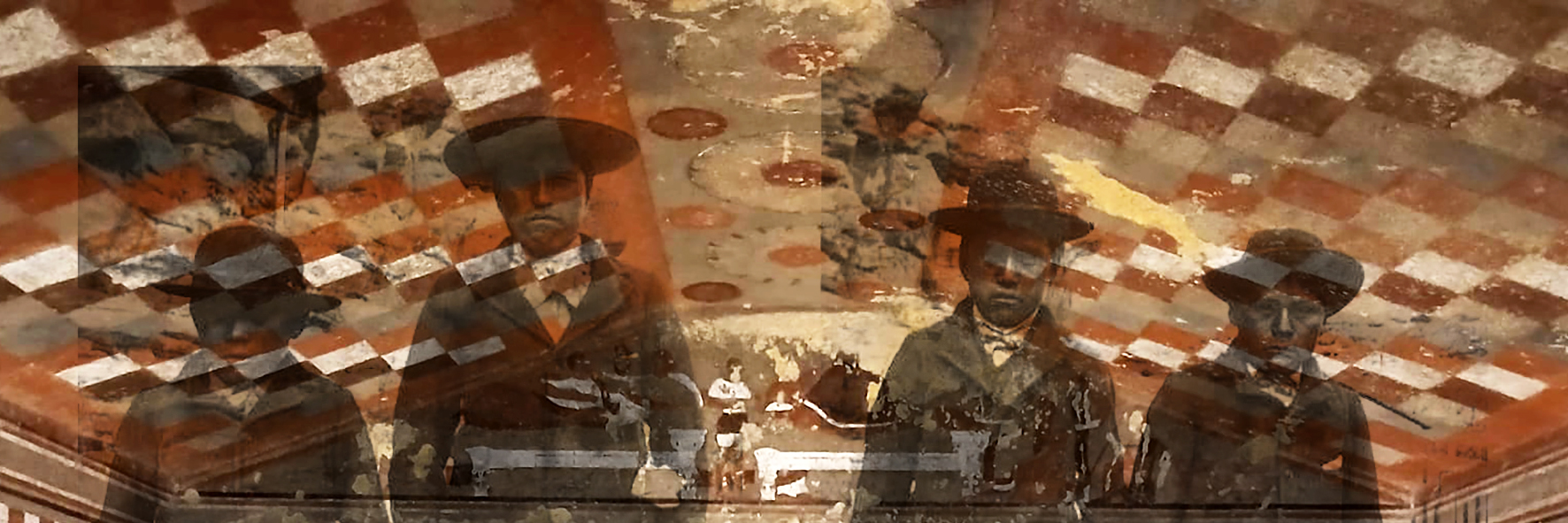
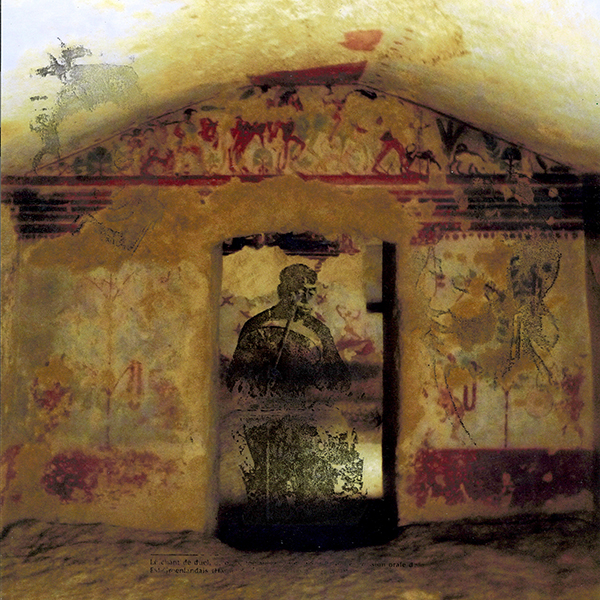
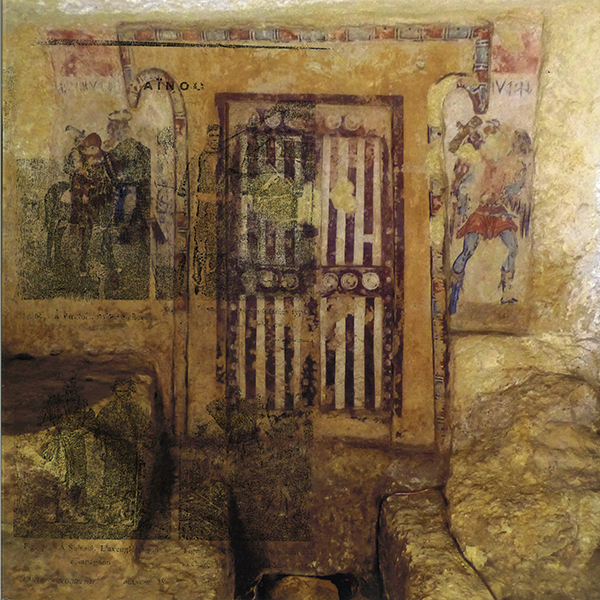
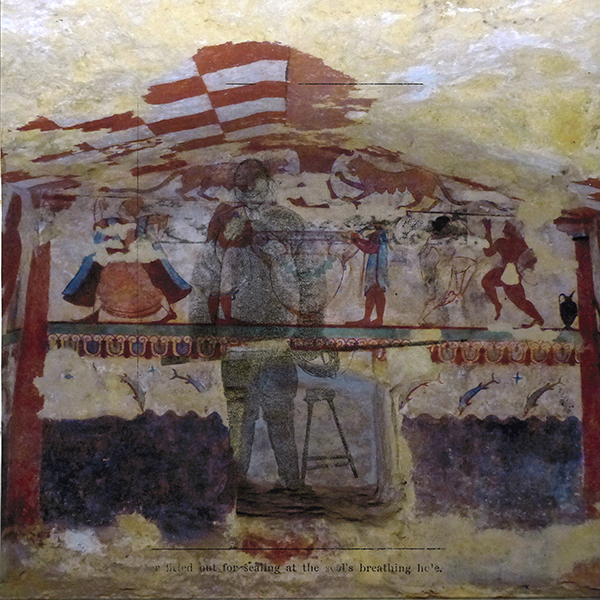
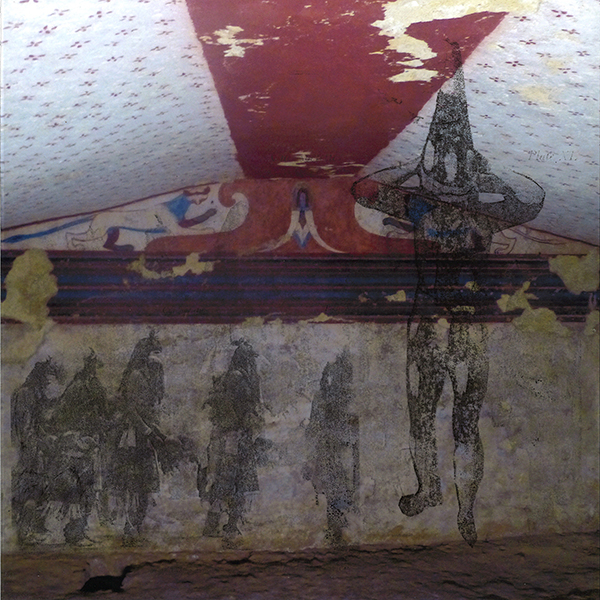
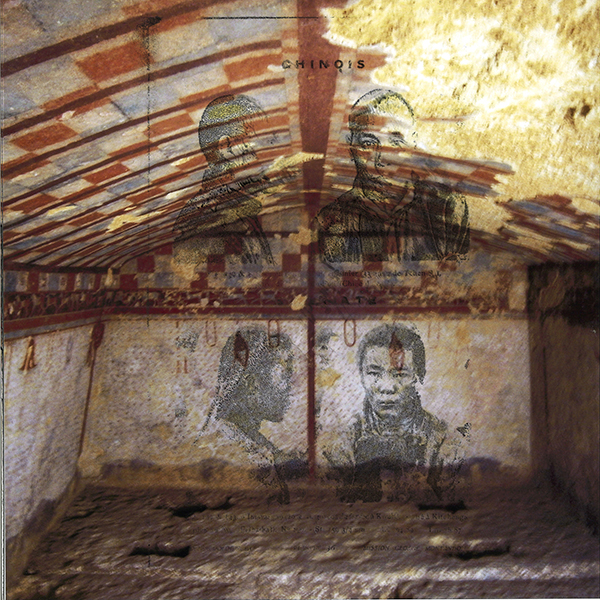
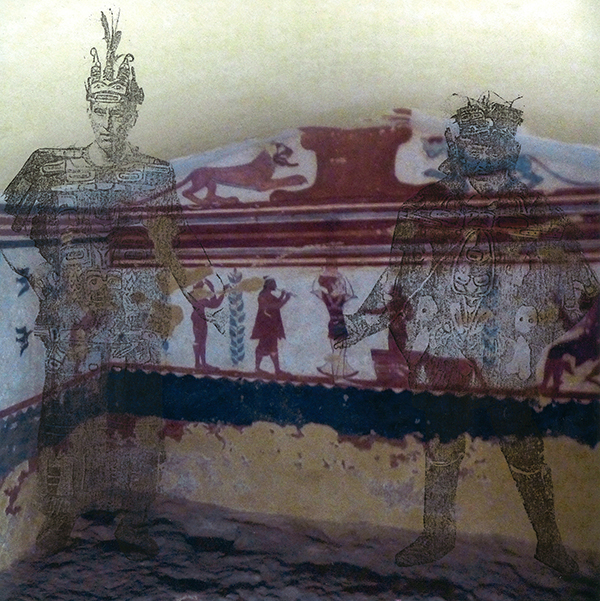
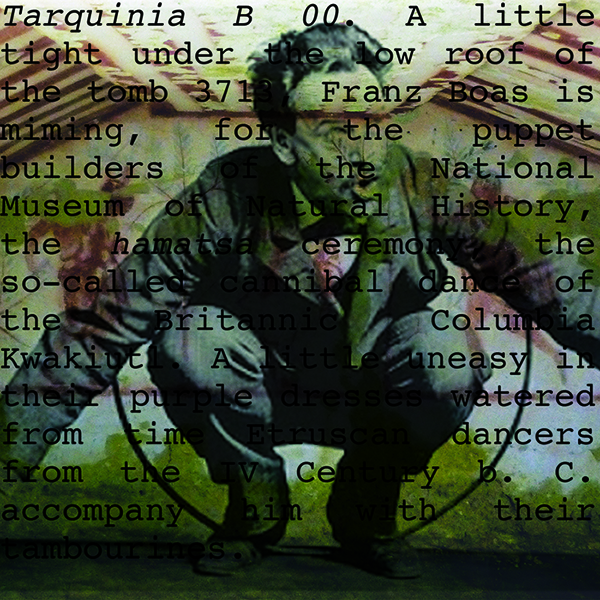
 .
.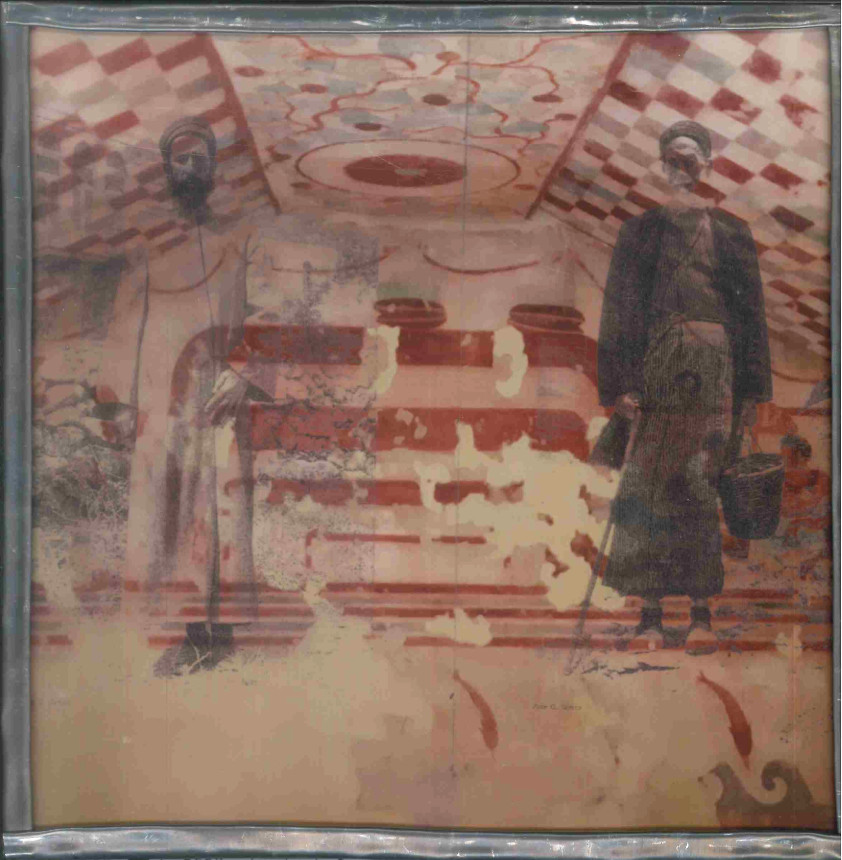 Tarquinia B 07 (2025). Some of the approximately three hundred Samaritans who were registered and photographed by anthropologist Giuseppe Genna in Palestine, at Kiryat Luza, in the 1930s, as representatives of an “authentically Semitic” population, can be found again in the Funeral bed tomb, whose paintings were removed on the instructions of Cesare Brandi from the Monterozzi necropolis in Tarquinia and relocated to the basement of the Etruscan Museum of Villa Giulia, where they remain to this day, less intrusive than my “authentic” Semites.
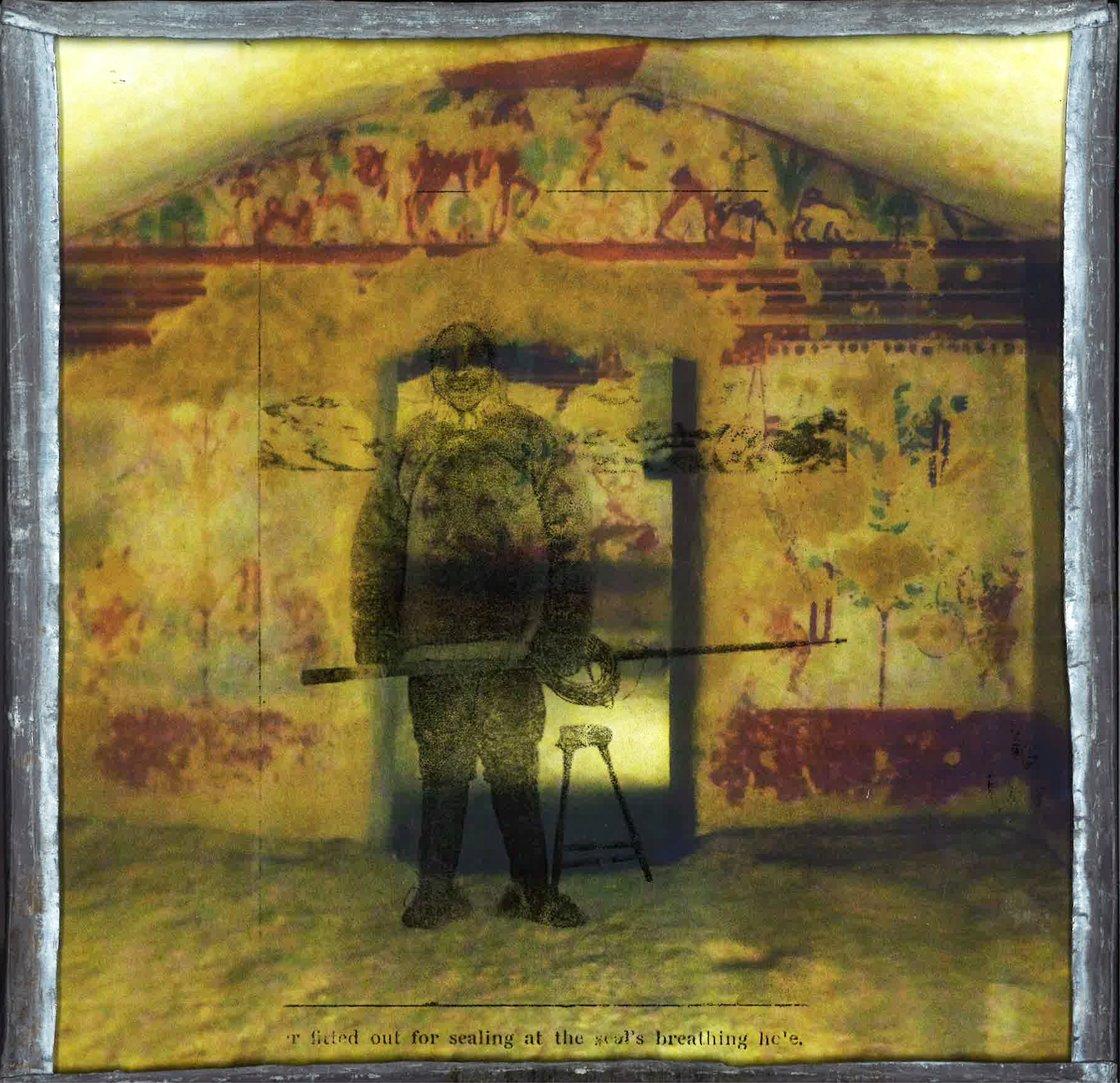 Tarquinia B 10, Tomba della caccia e della pesca, Inuit, 30×30 cm, 2026.
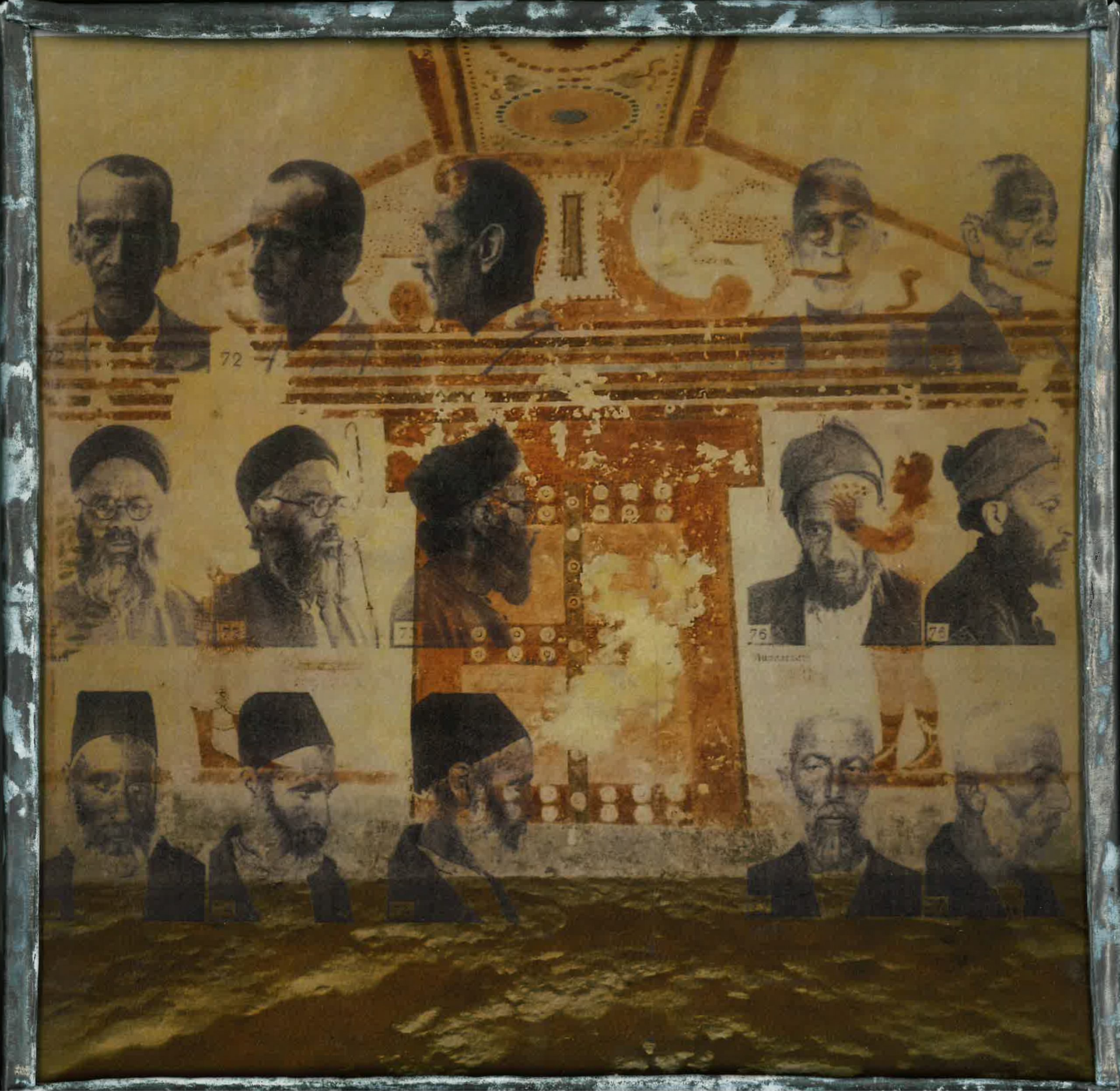 Tarquinia B 11, Tomba Cardarelli-Samaritans, 30×30 cm, 2026.
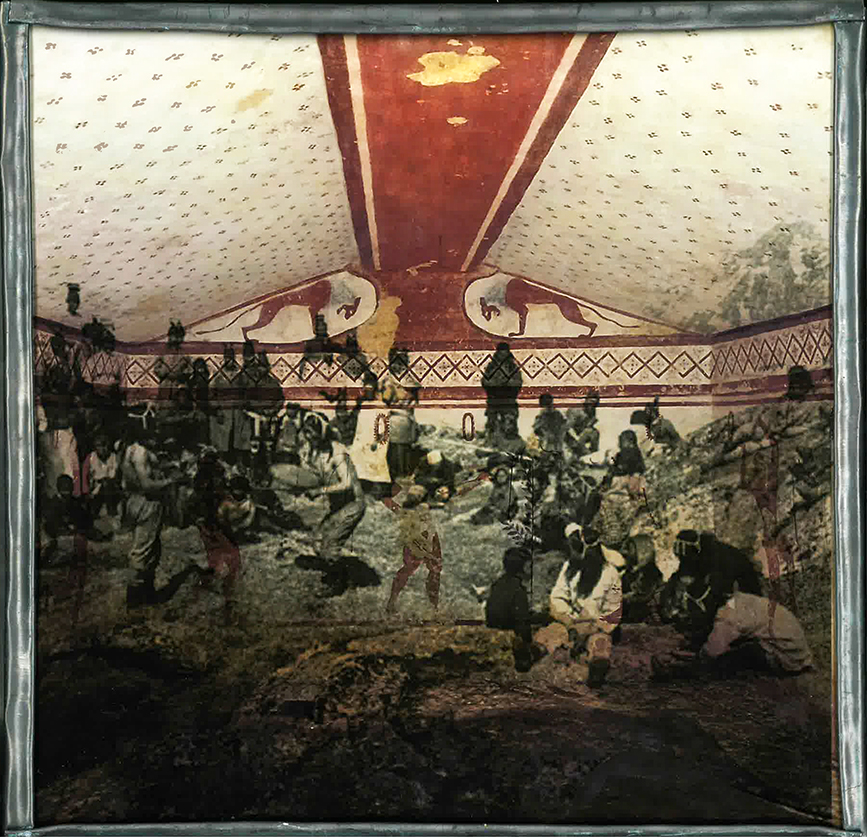 Tarquinia B 12, Tomba Moretti-Drum contest, 30×30 cm, 2026.
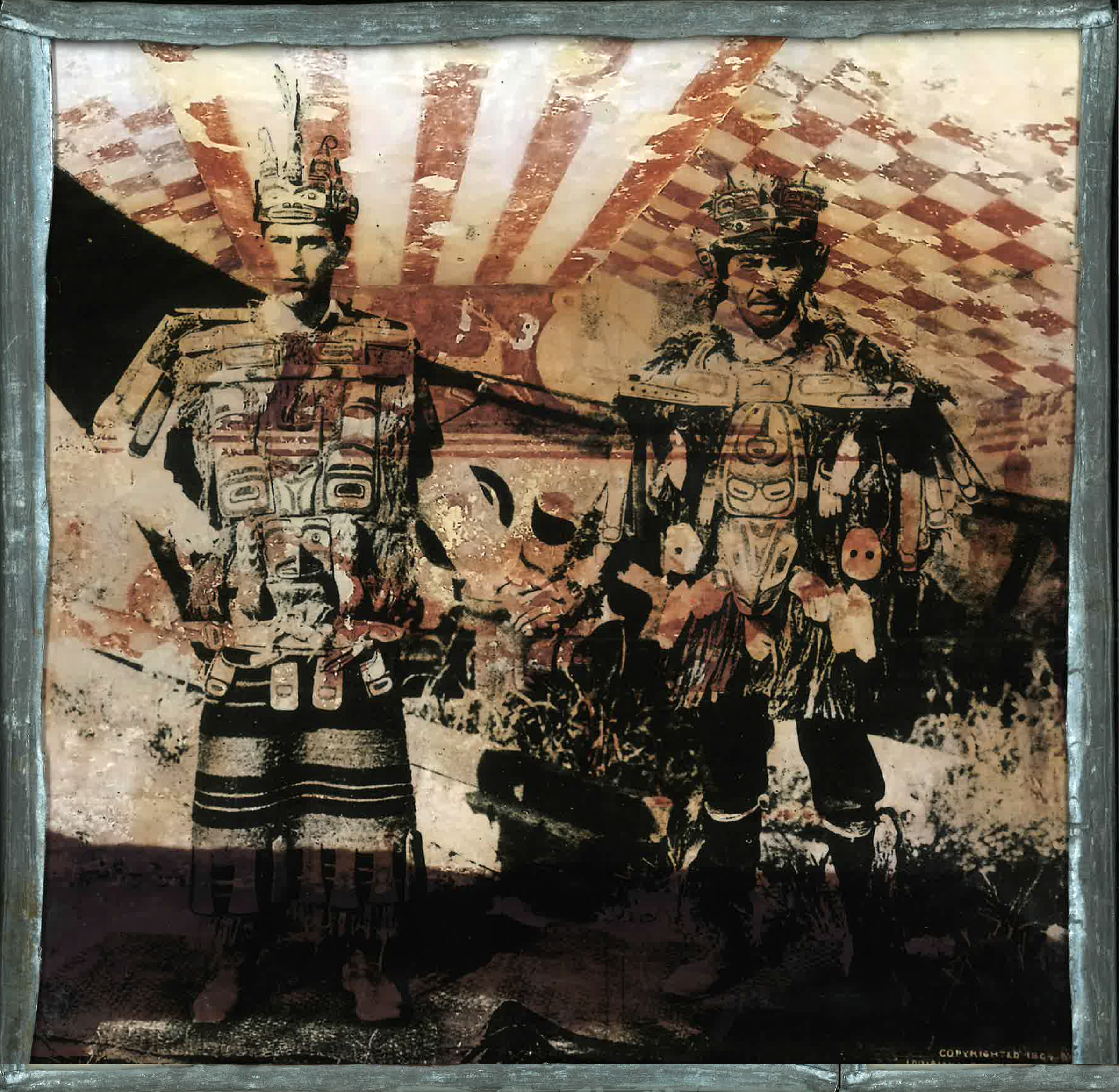 Tarquinia B 13, Tomba della caccia al cervo-Kwakiutl, 30×30 cm, 2026.
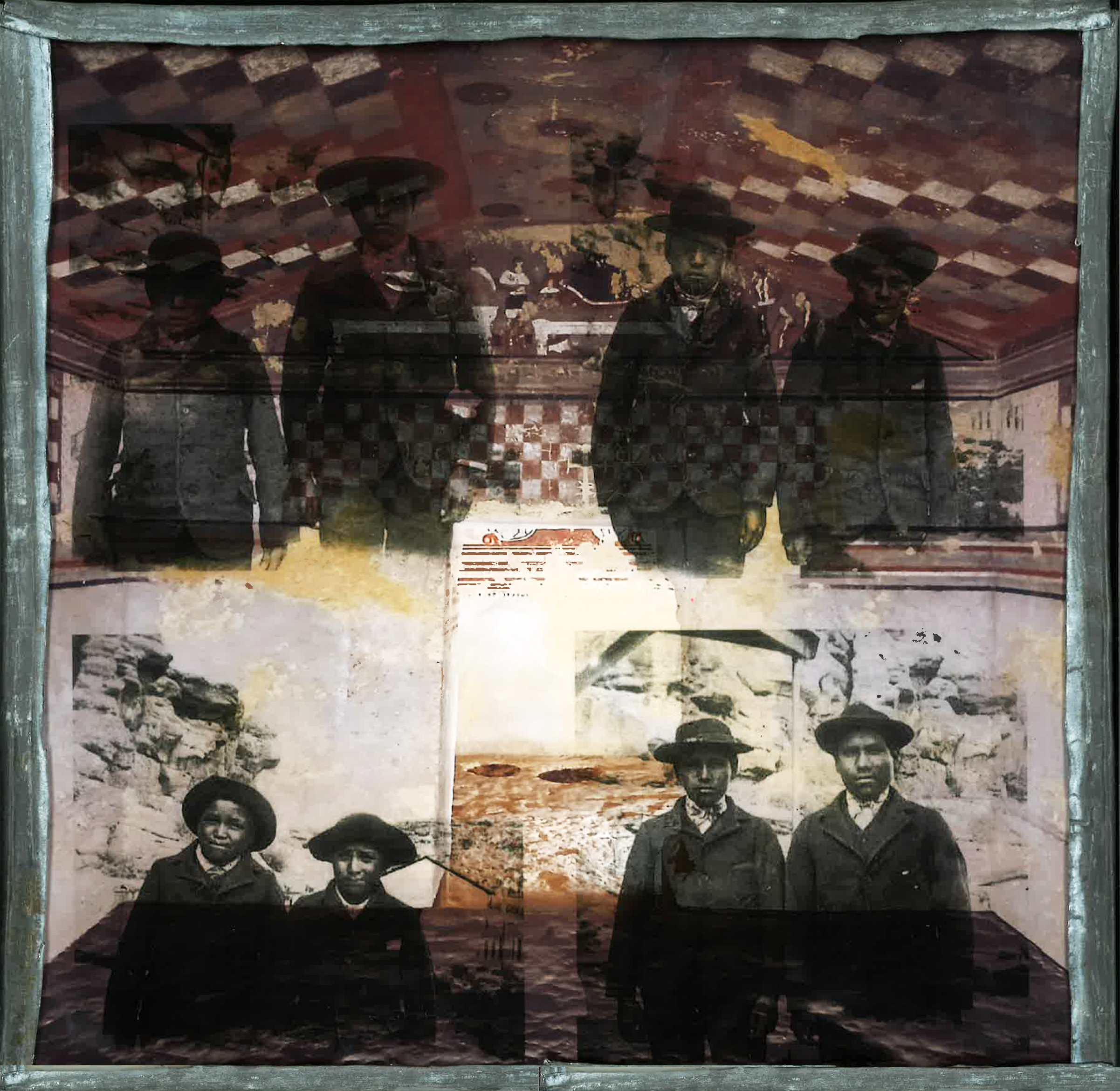 Tarquinia B 14, Tomba Bartoccini-Keams Canyon, 30×30 cm, 2026.
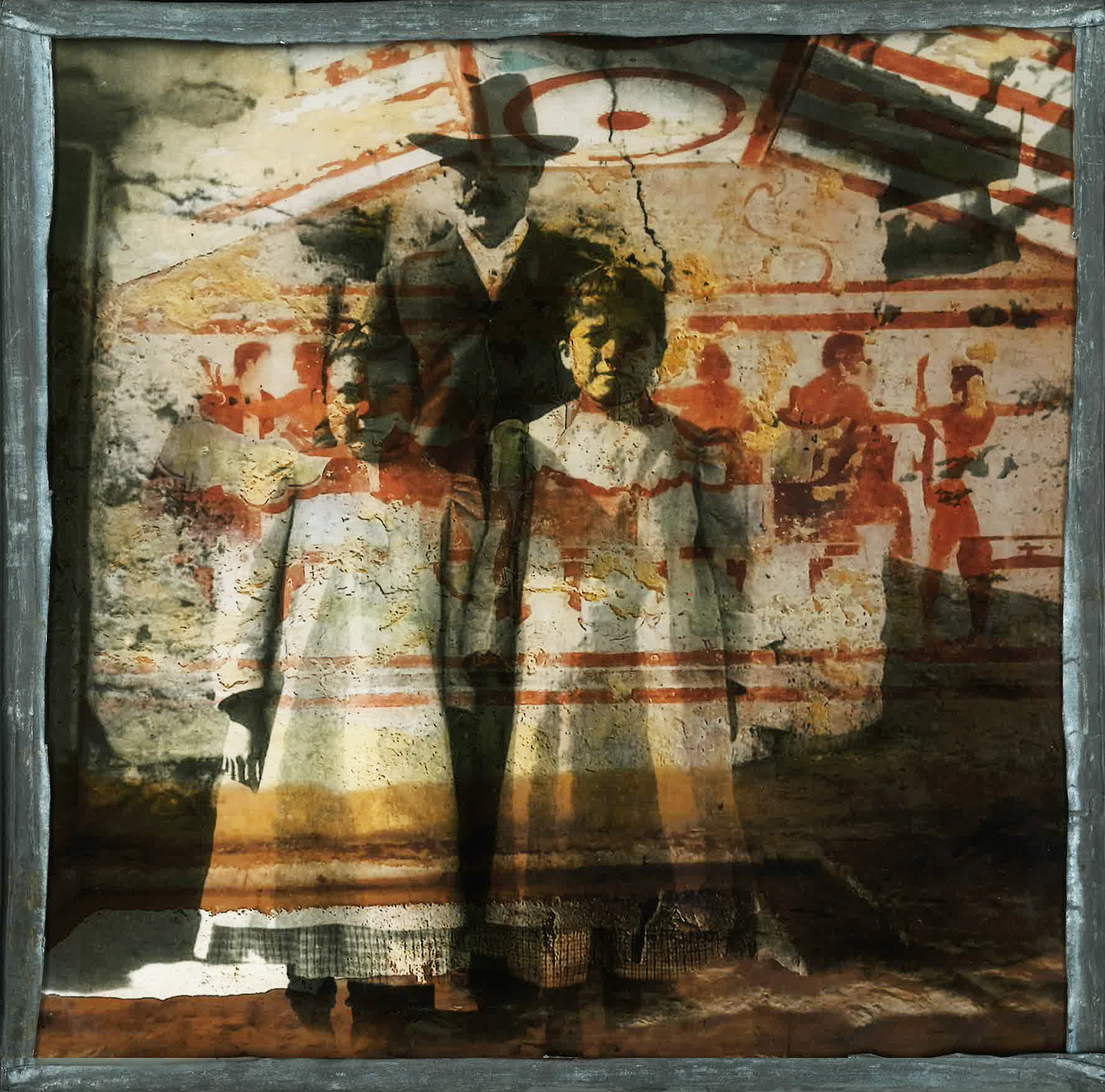 Tarquinia B 15, Tomba Bettini-Keams Canyon teacher, 30×30 cm, 2026.
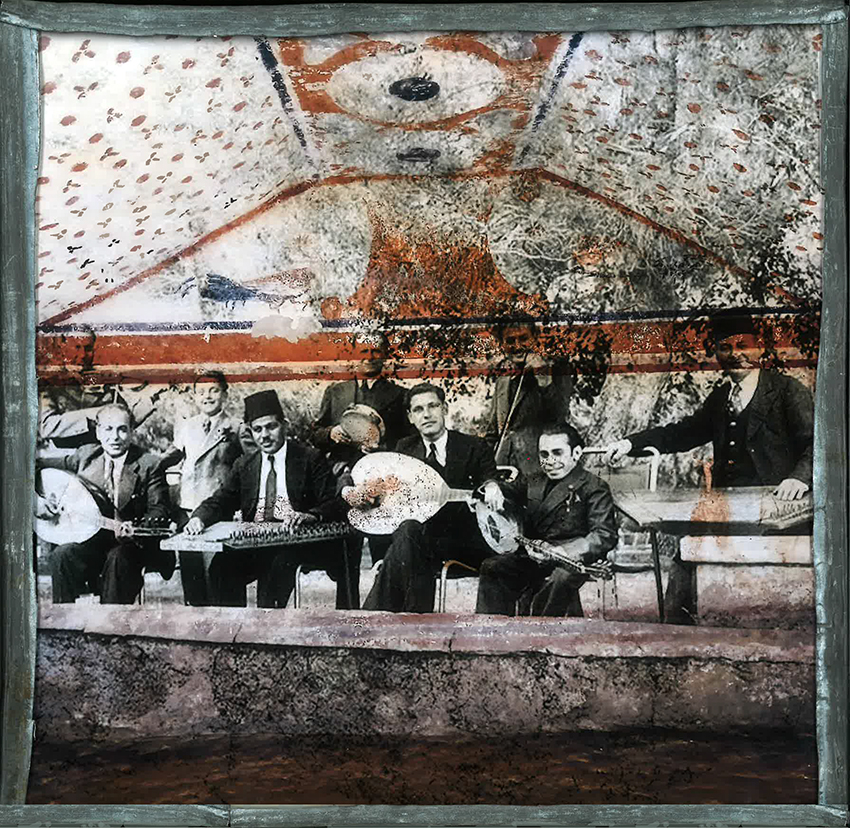 Tarquinia B 16, Tomba dei fiorellini-Palestinians, 30×30 cm, 2026.
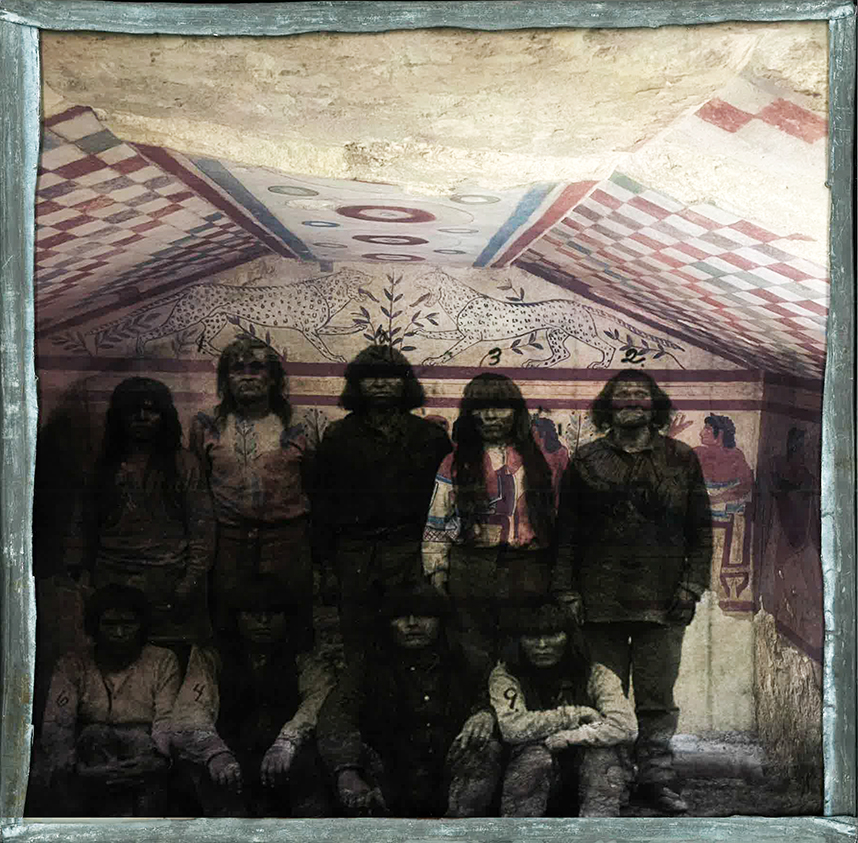 Tarquinia B 17, Tomba dei Leopardi-Hostile Hopi, 30×30 cm, 2026.
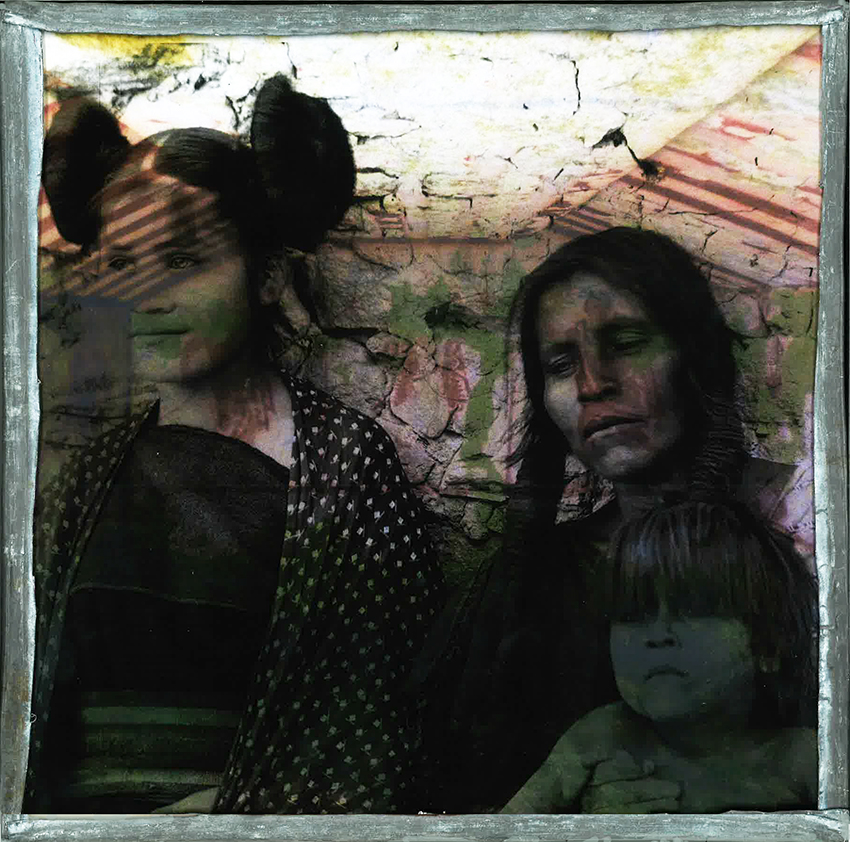 Tarquinia B 18, Tomba Pallottino-Hopi Women, 30×30 cm, 2026.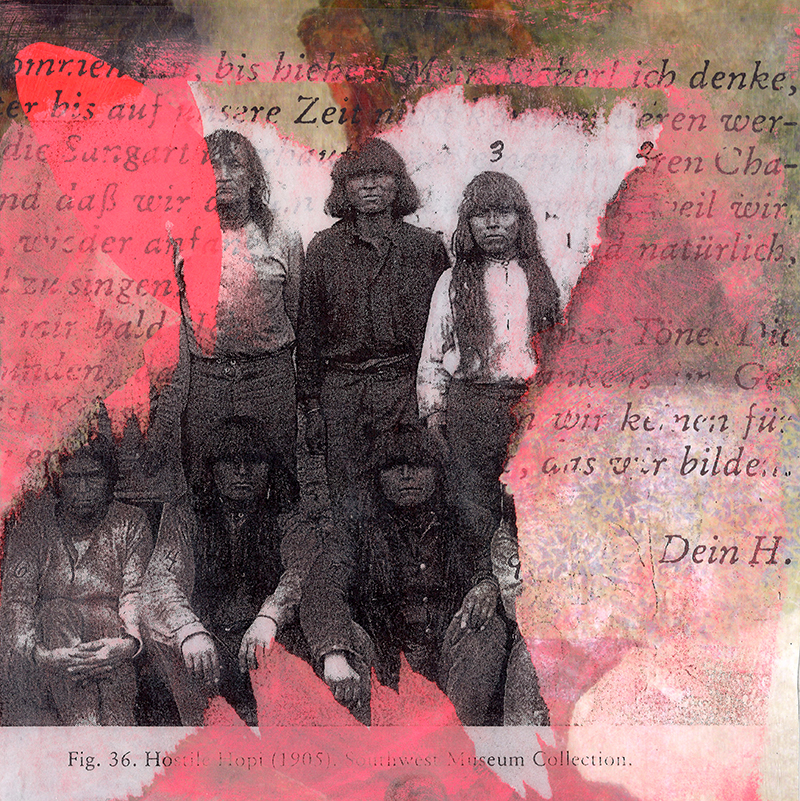
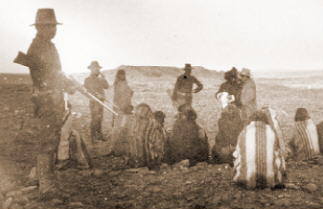
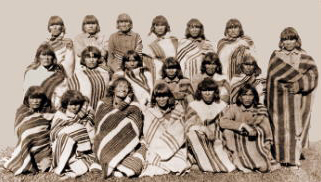
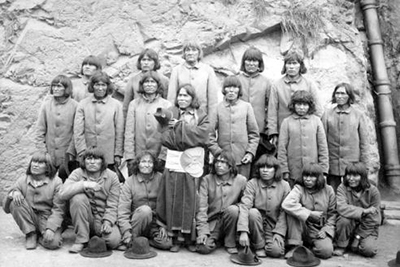
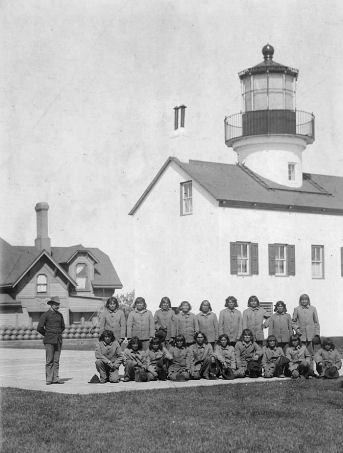
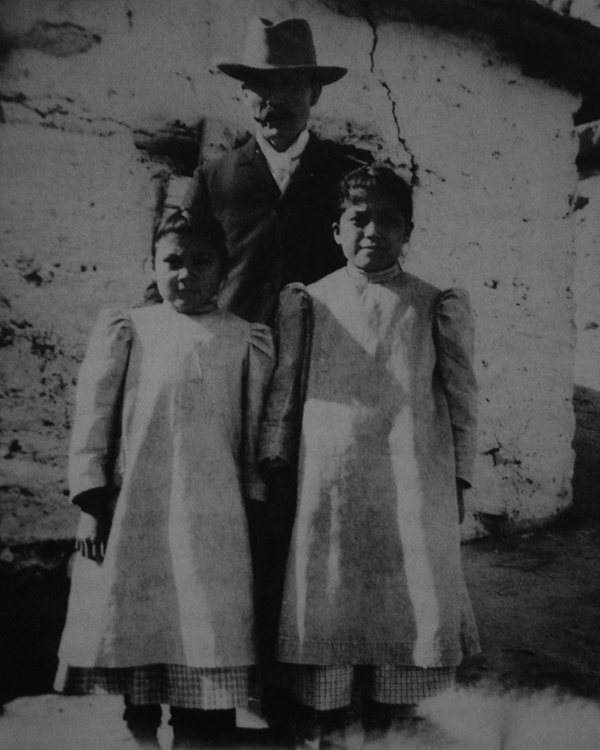
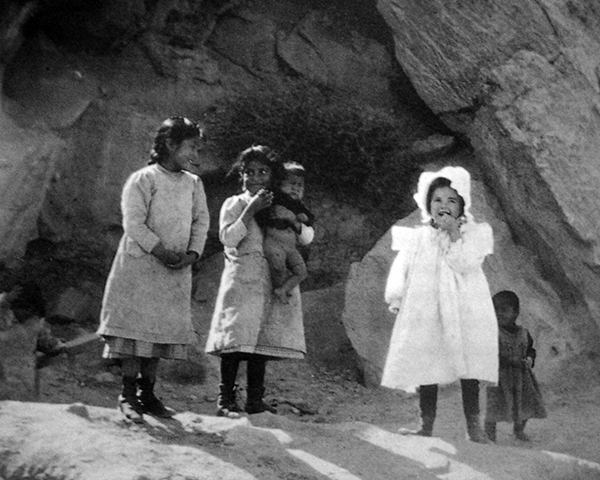
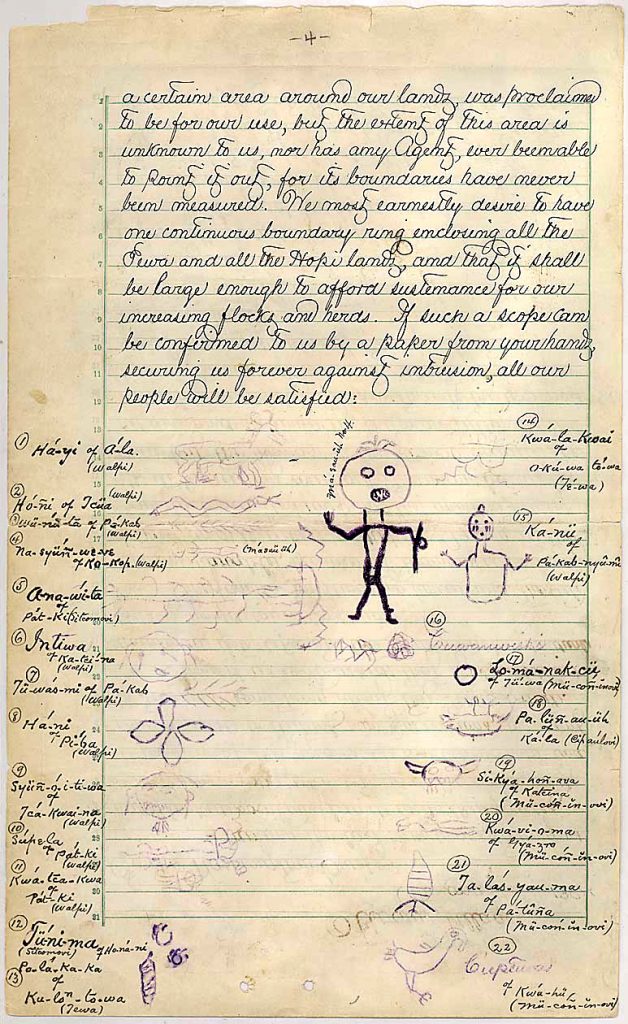
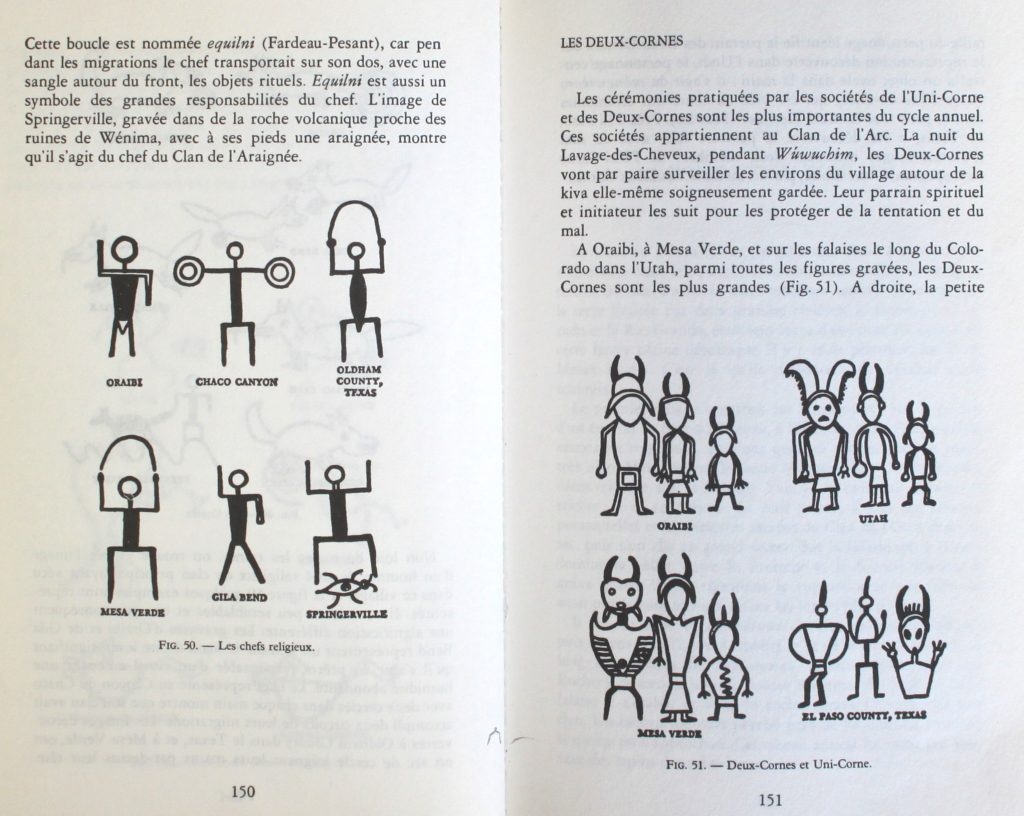
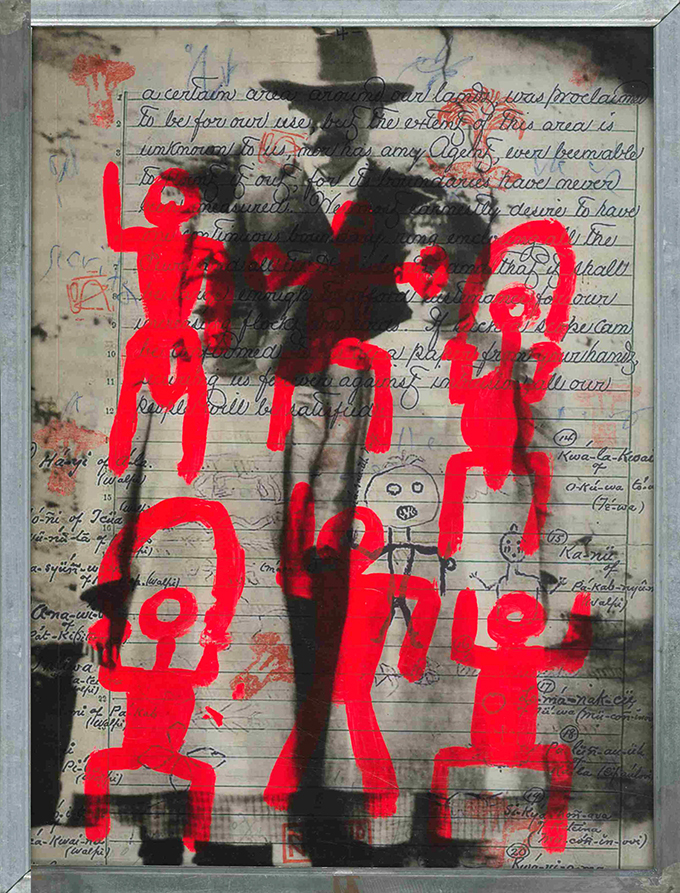


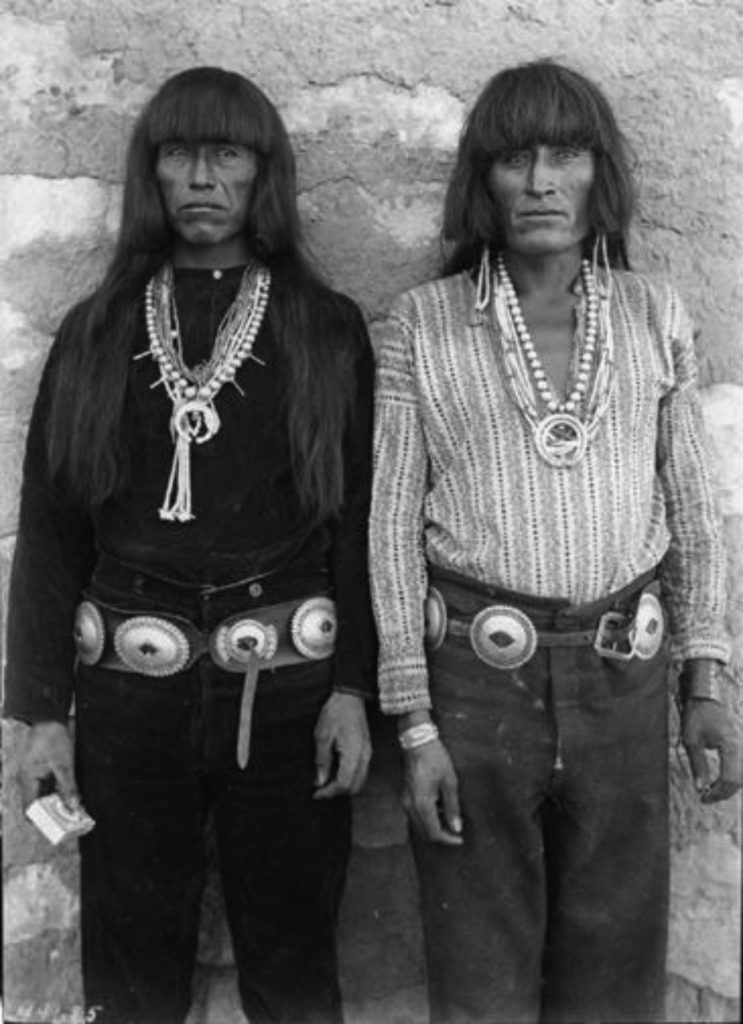
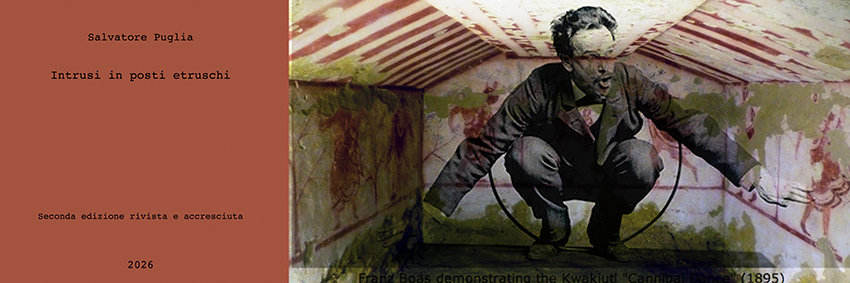
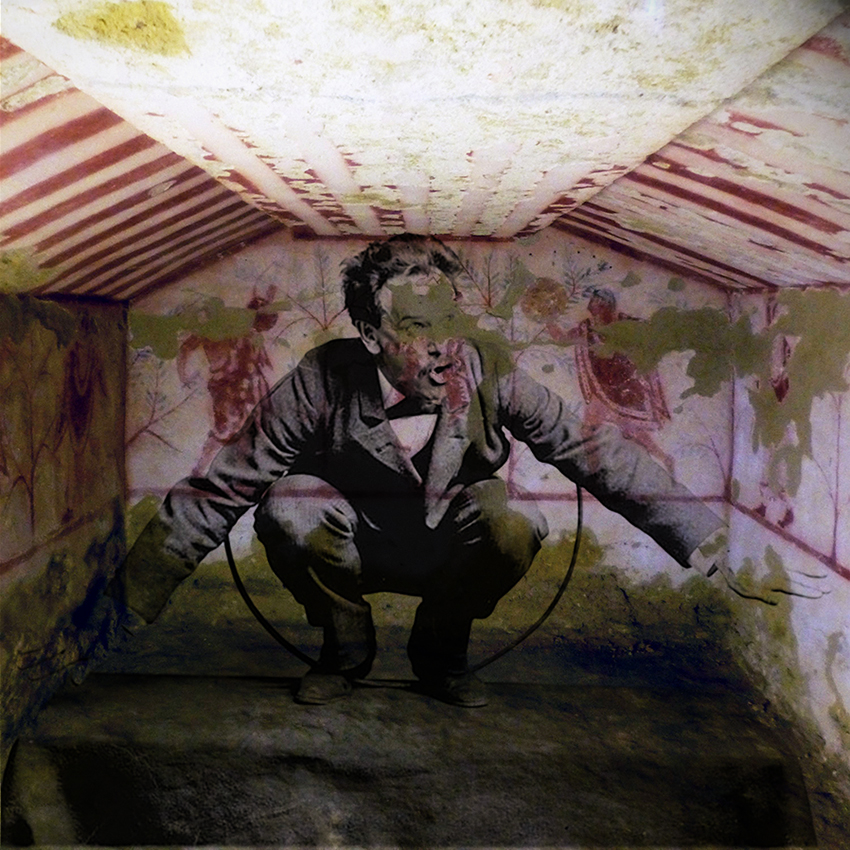
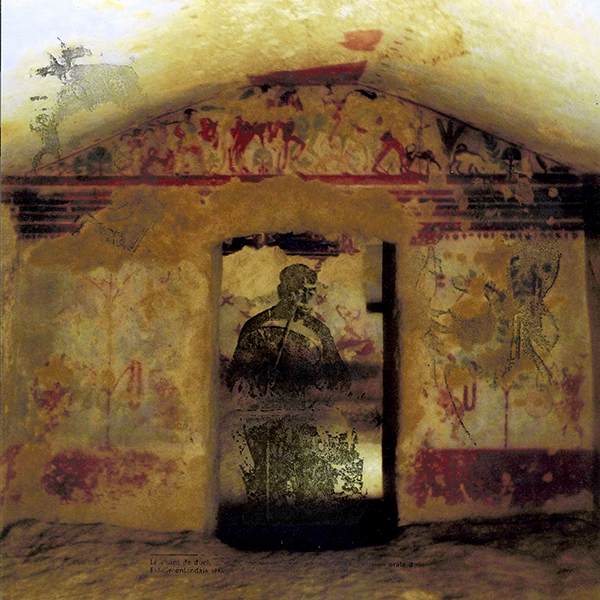
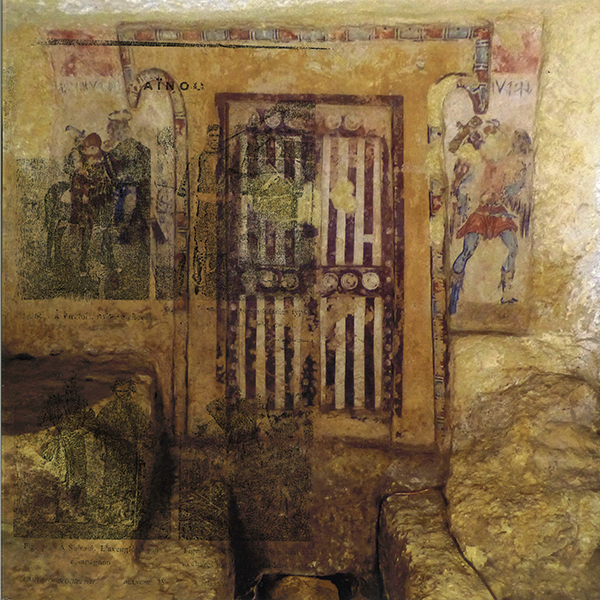
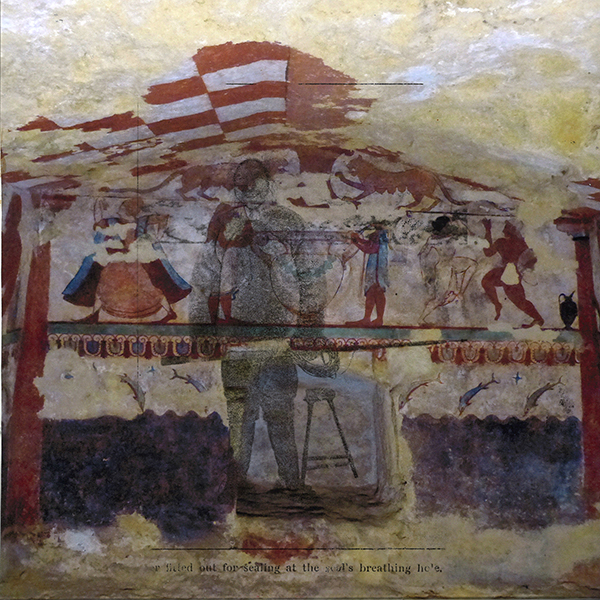
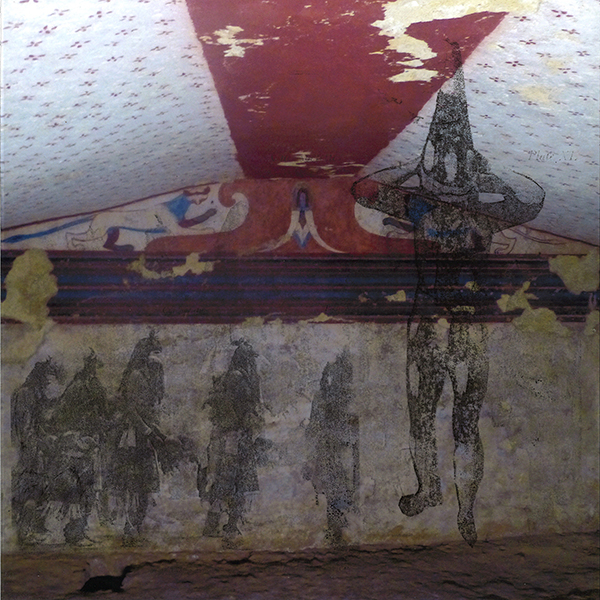
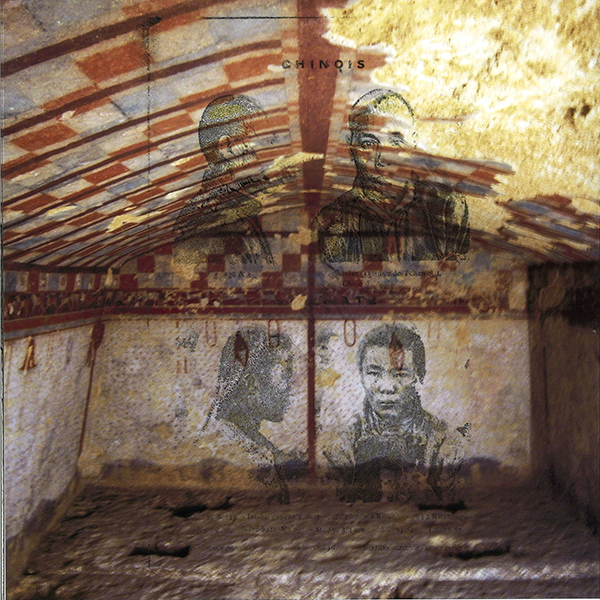
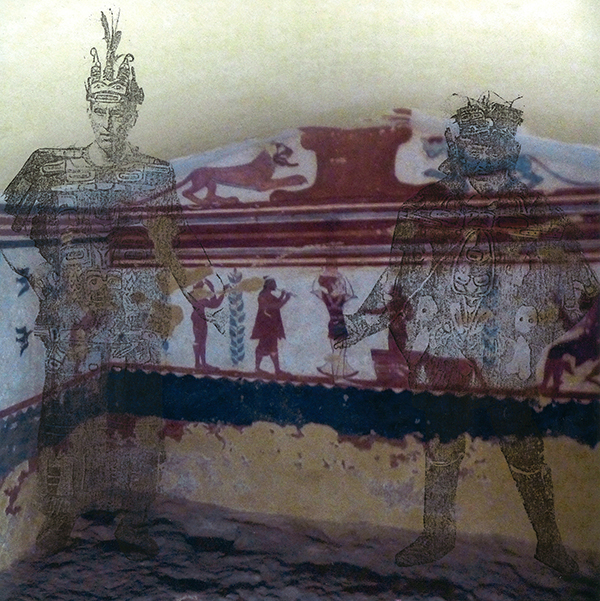
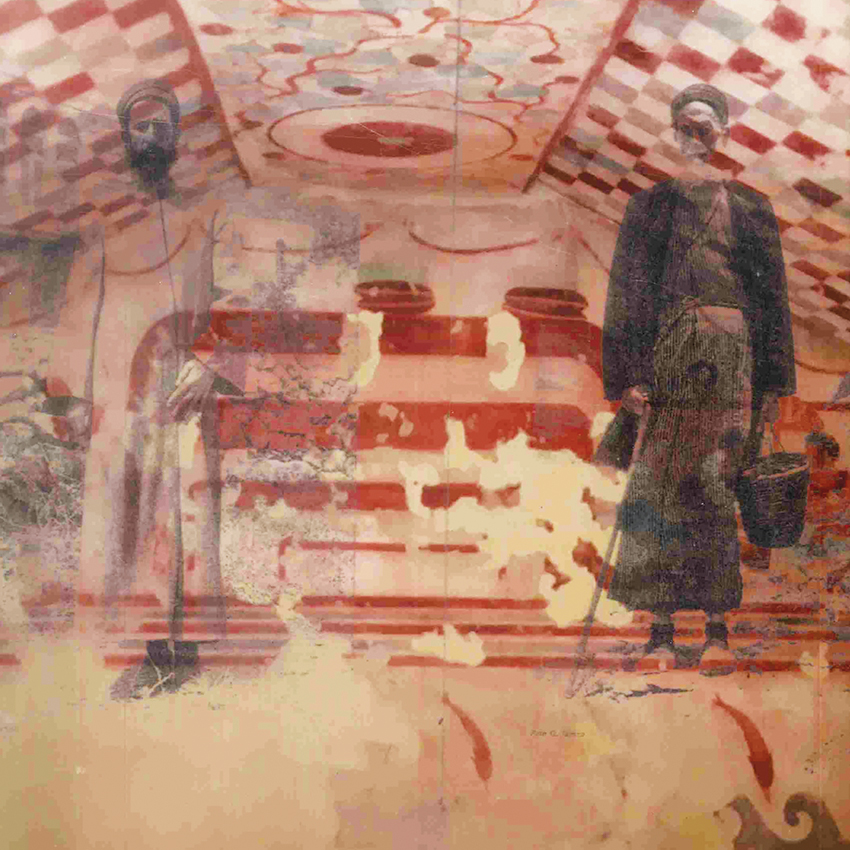
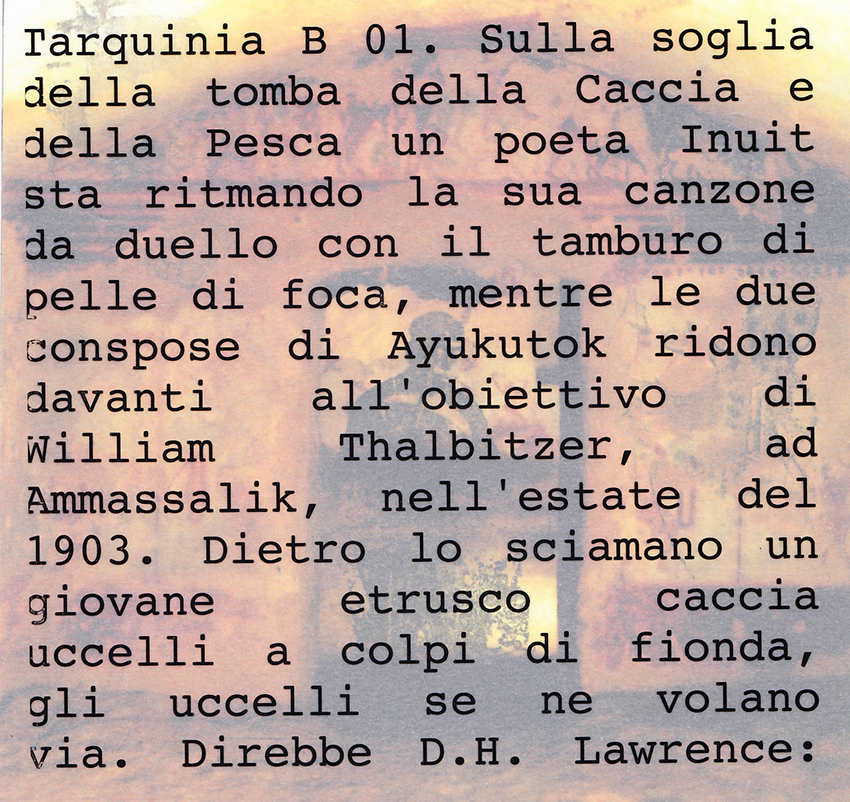

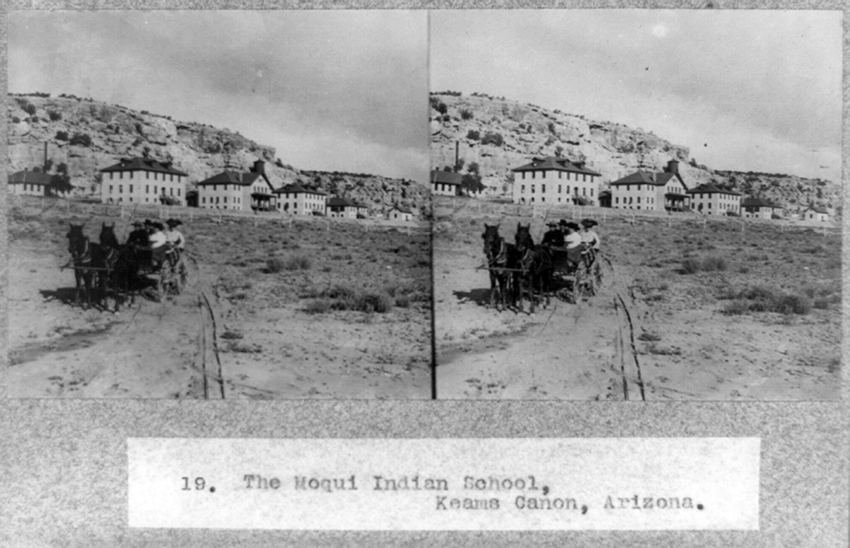
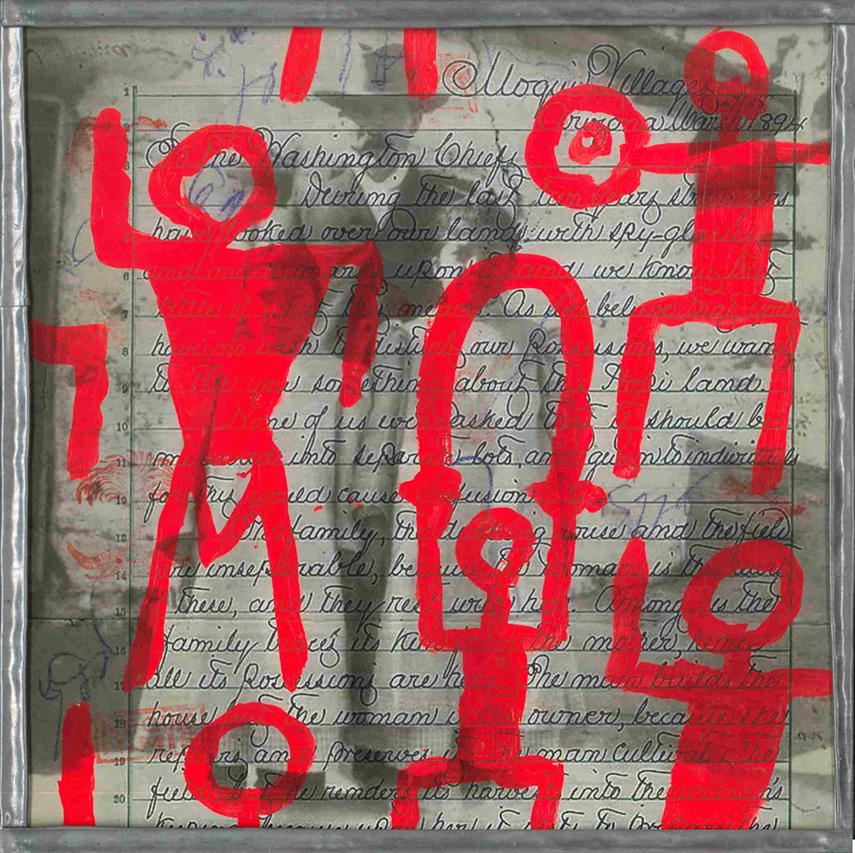
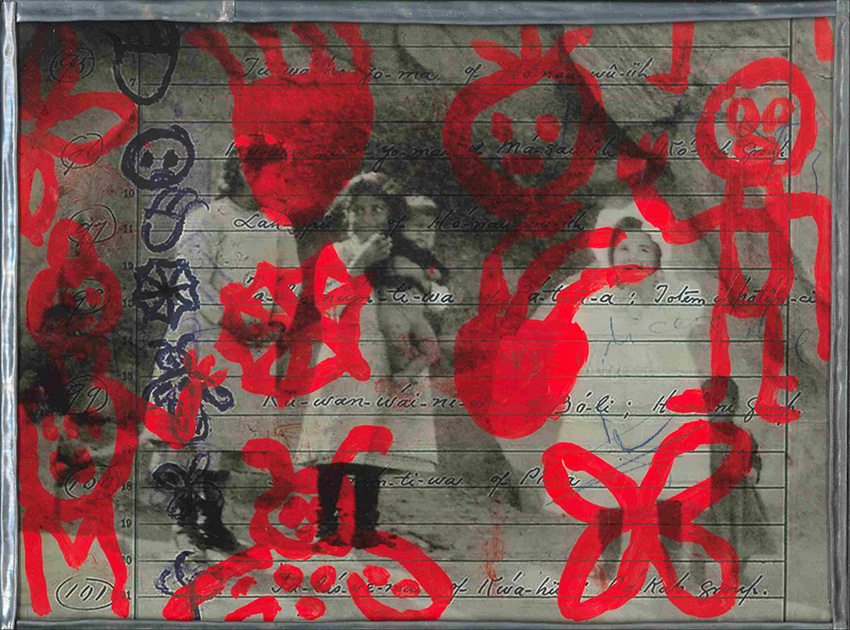
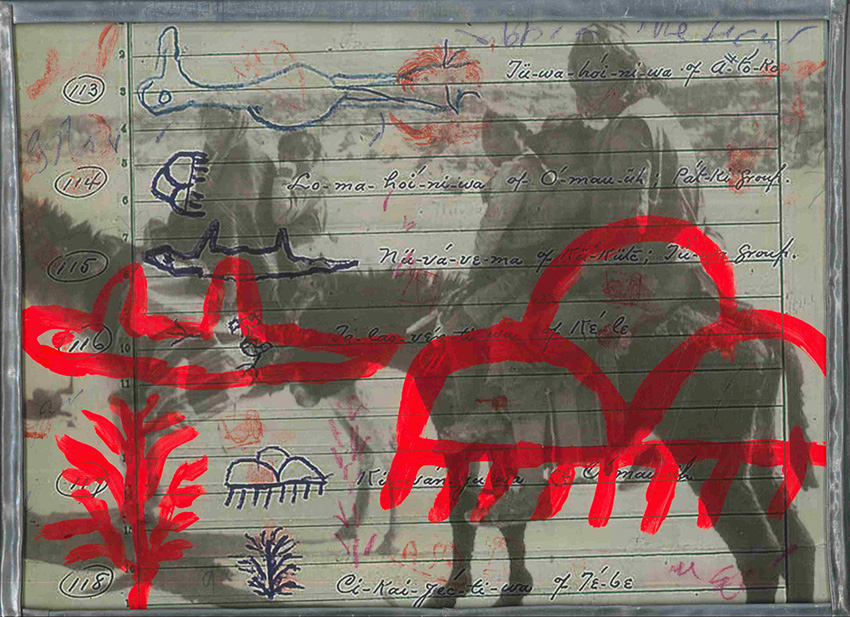
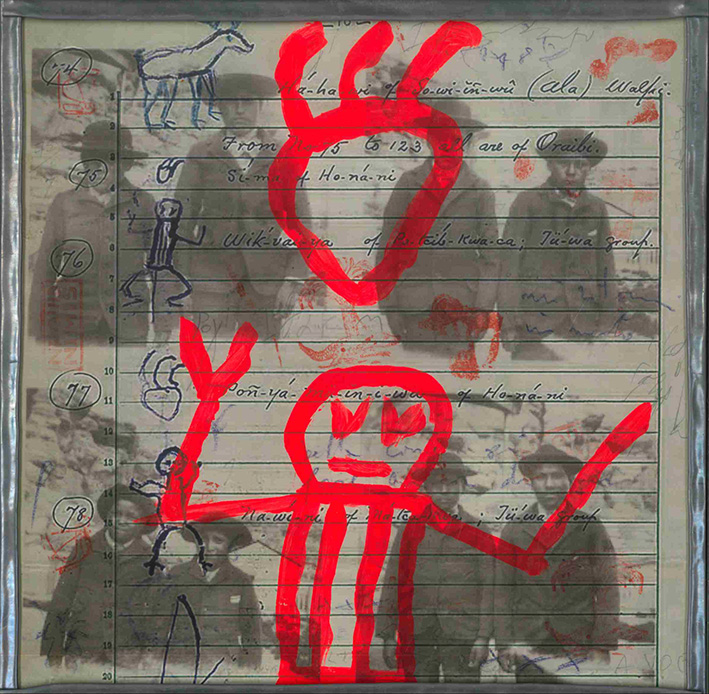
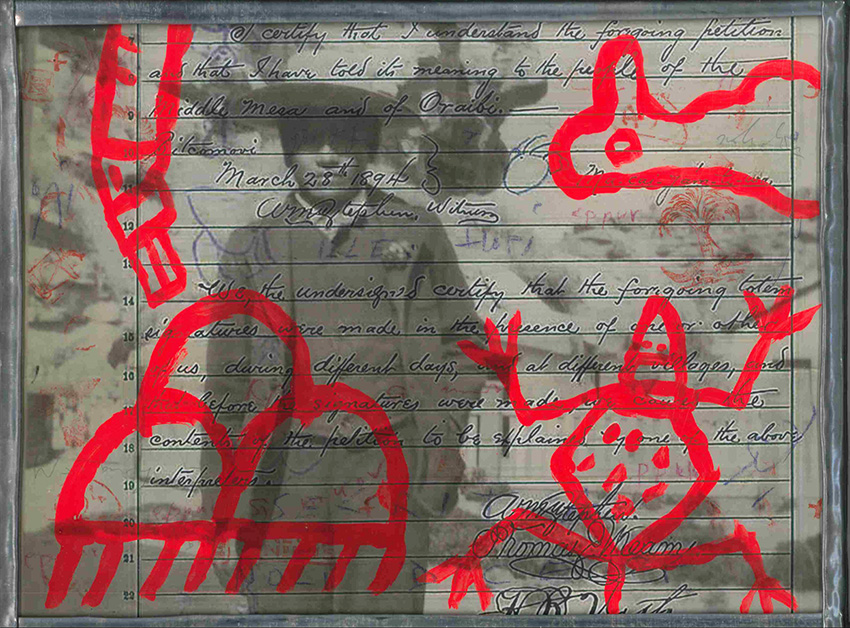
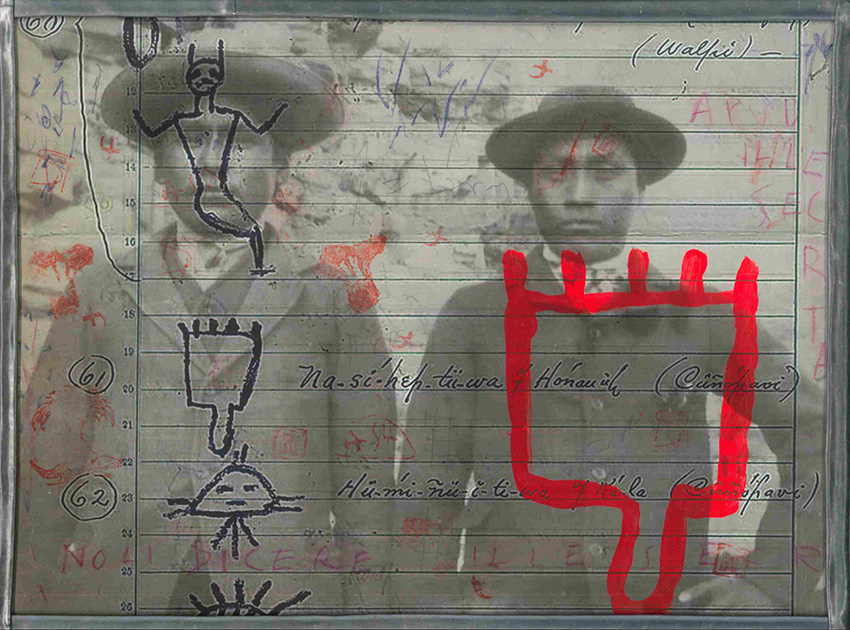
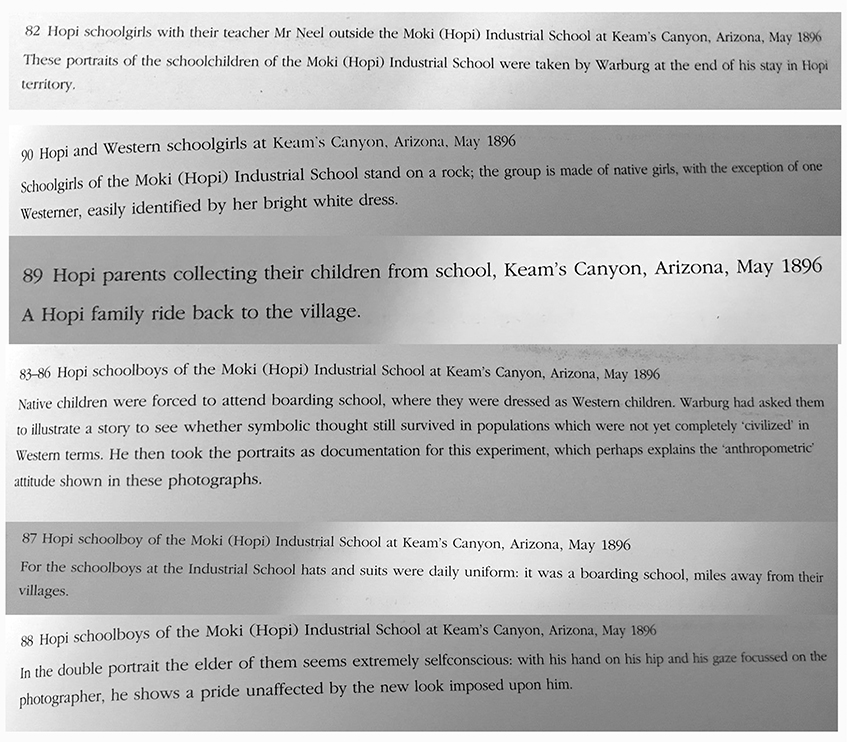
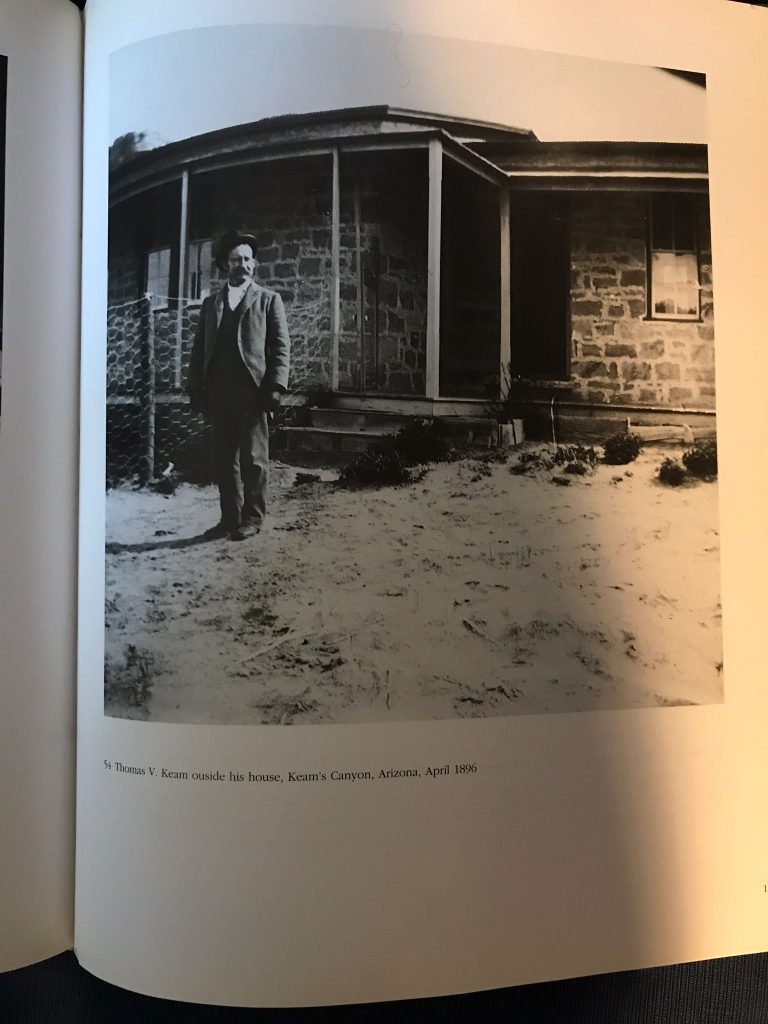
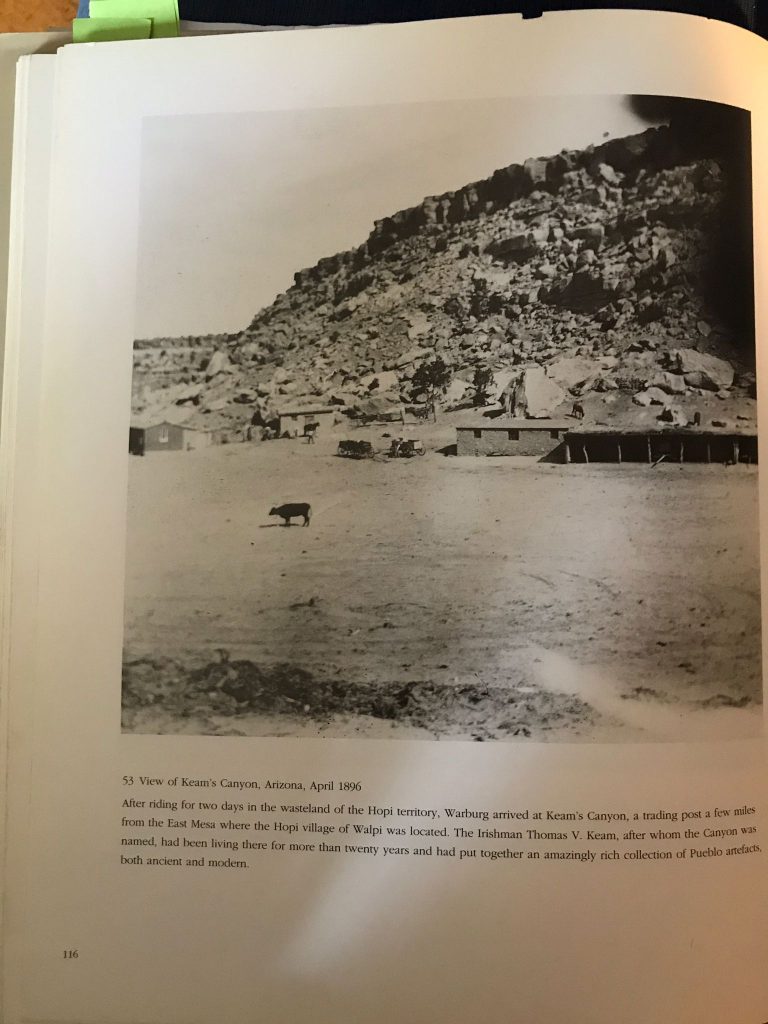

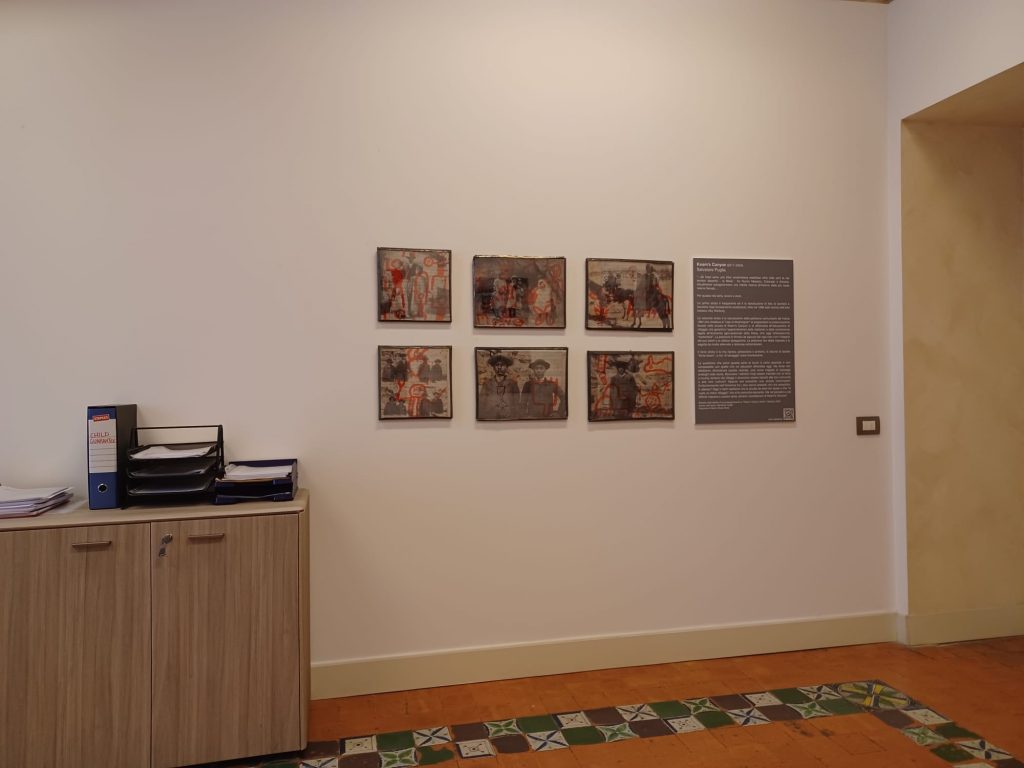
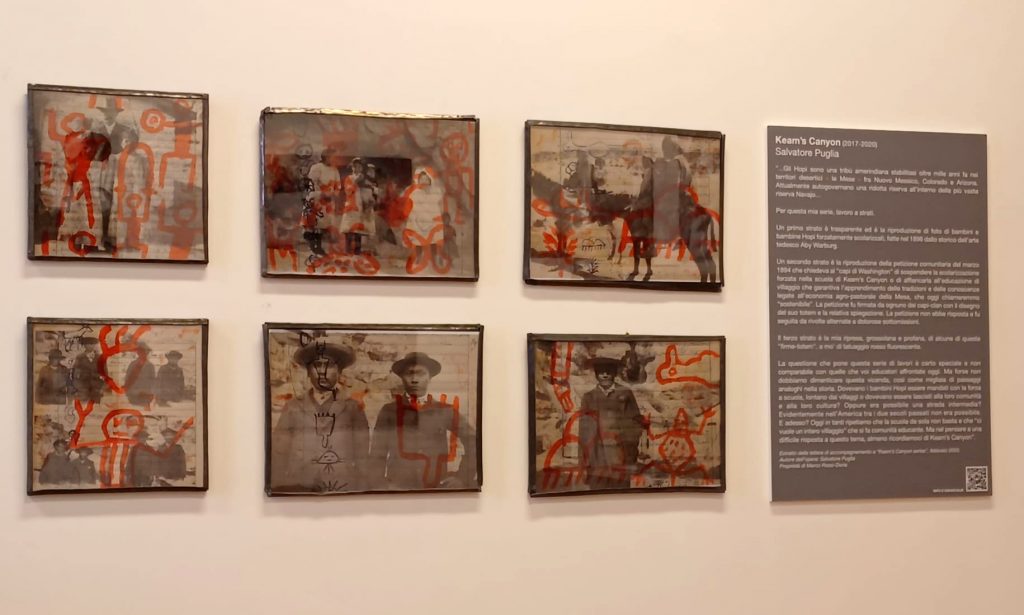
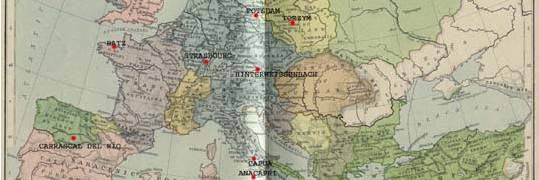
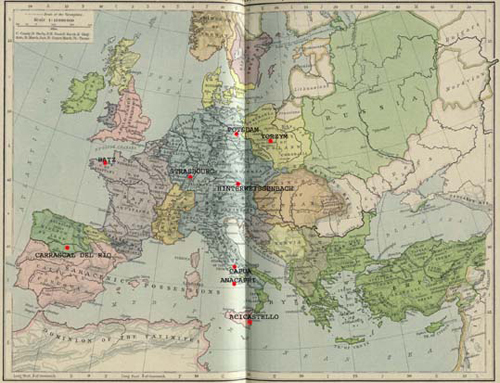
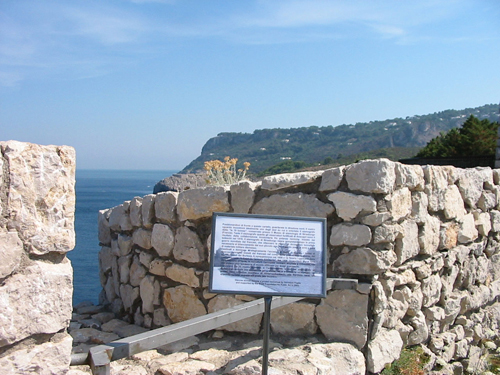
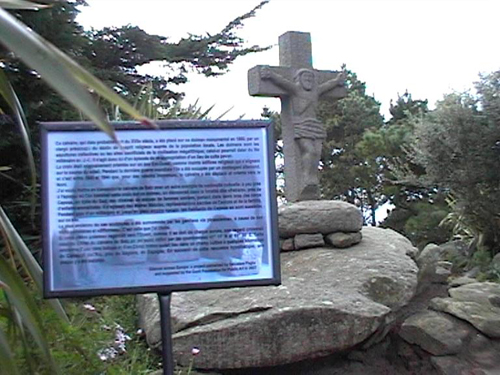
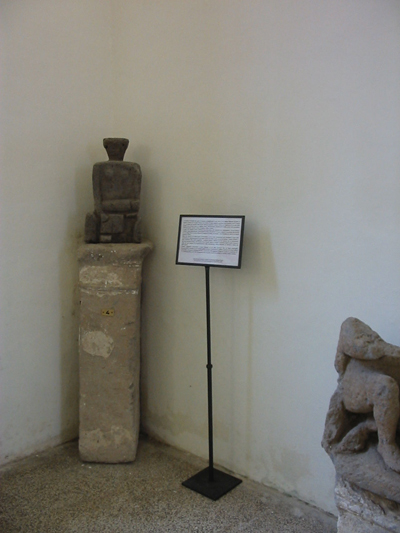
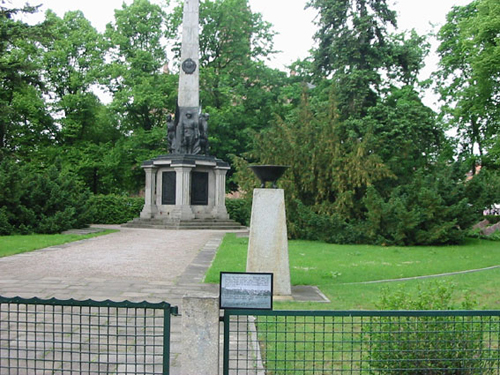
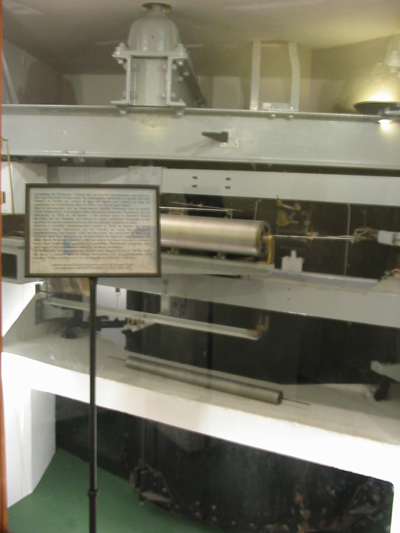

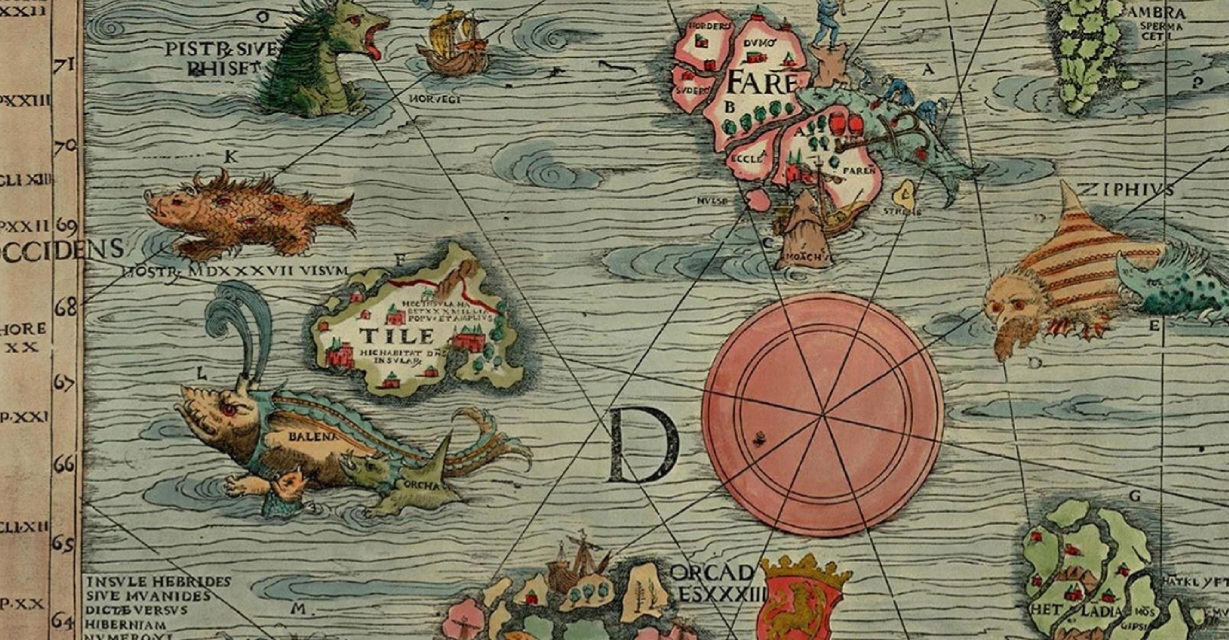
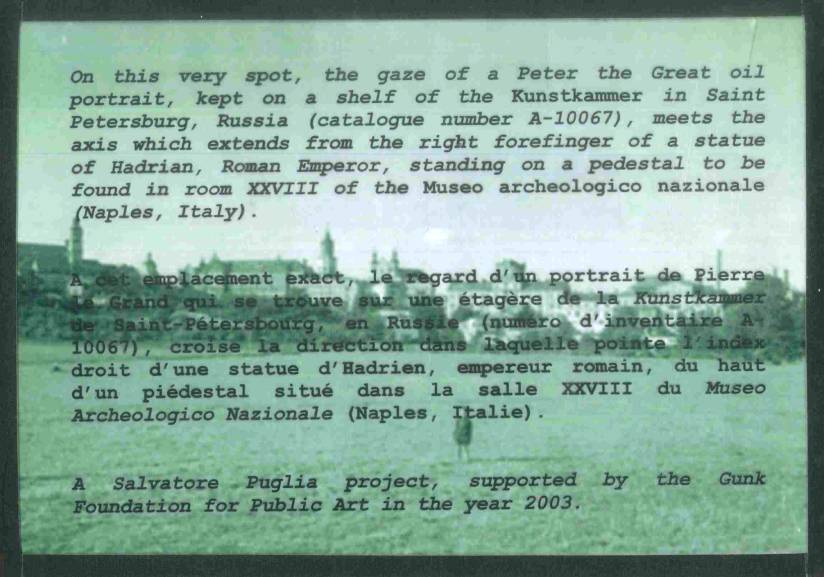
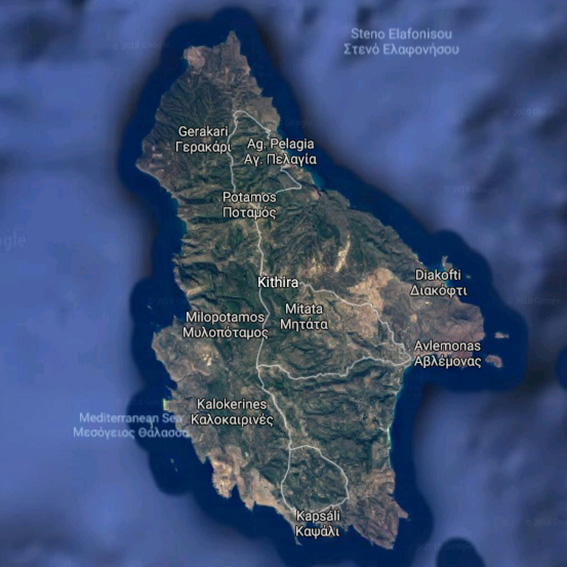
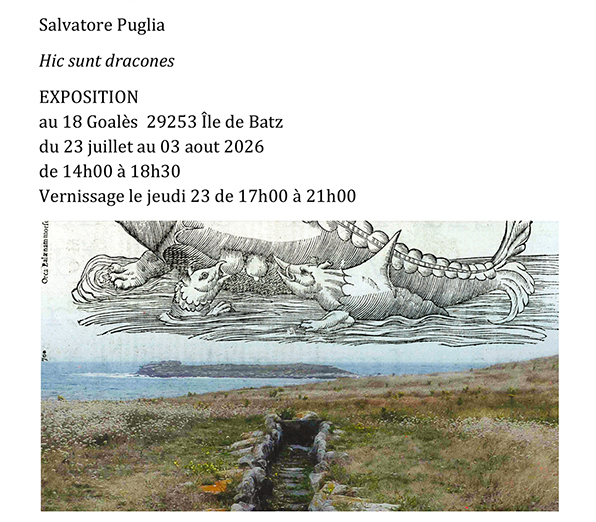
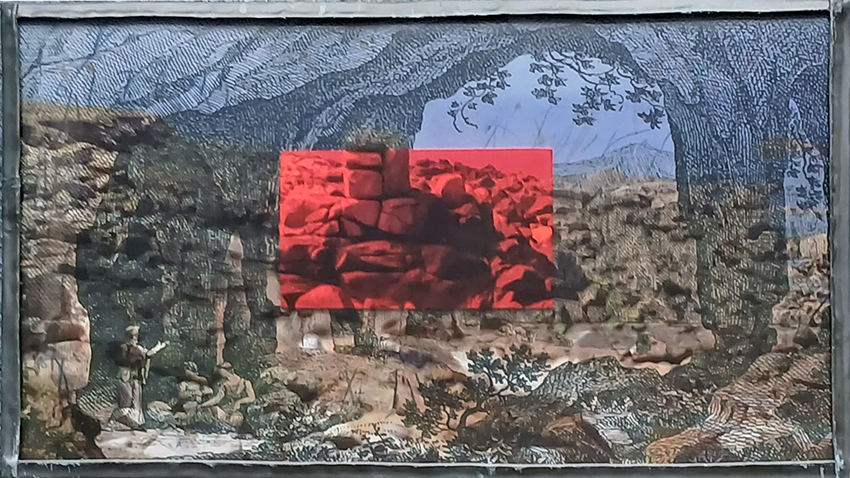
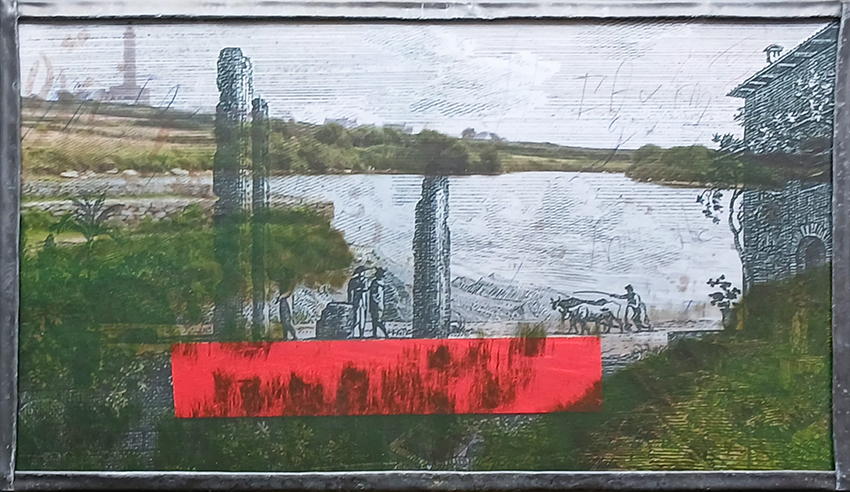
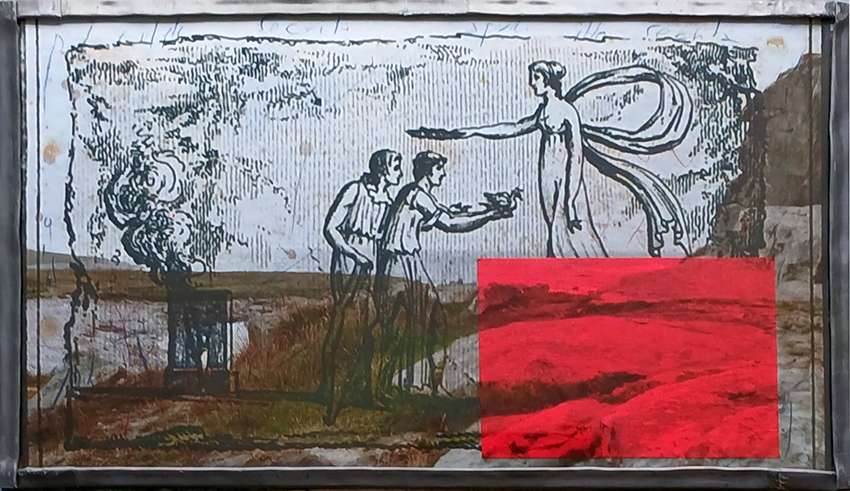
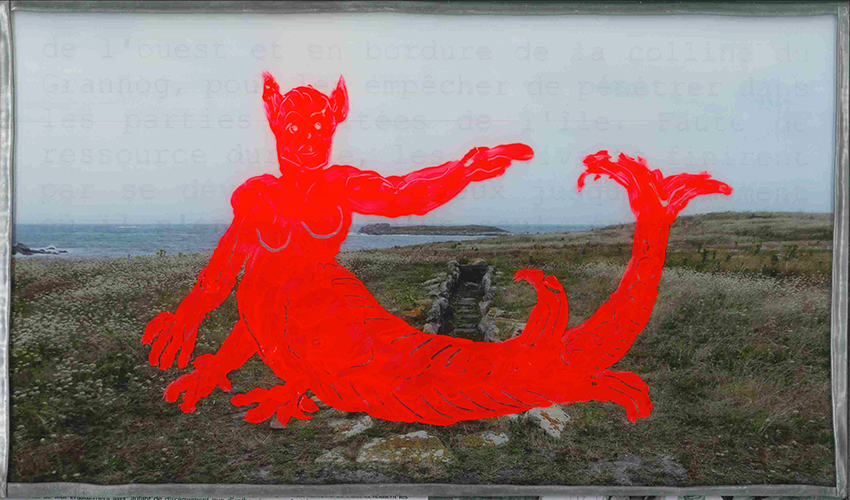
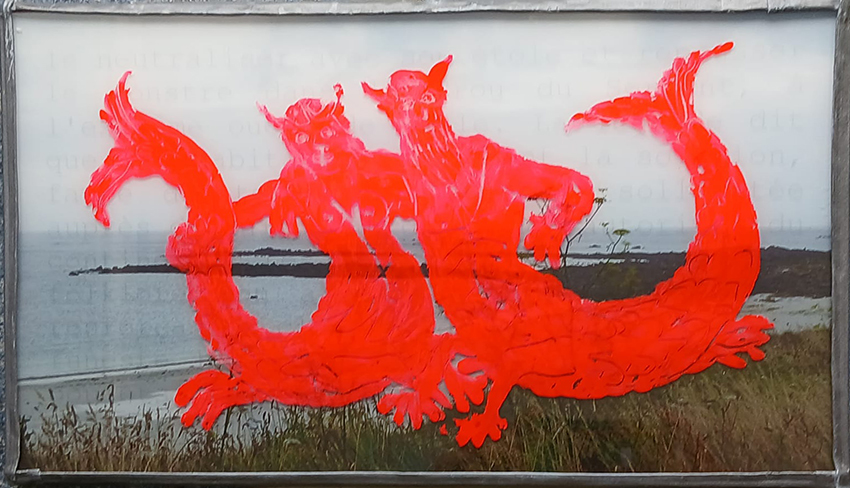
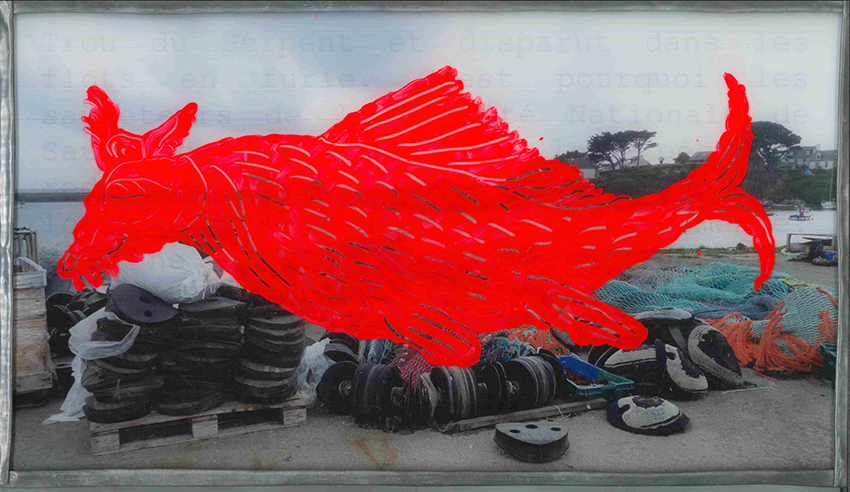
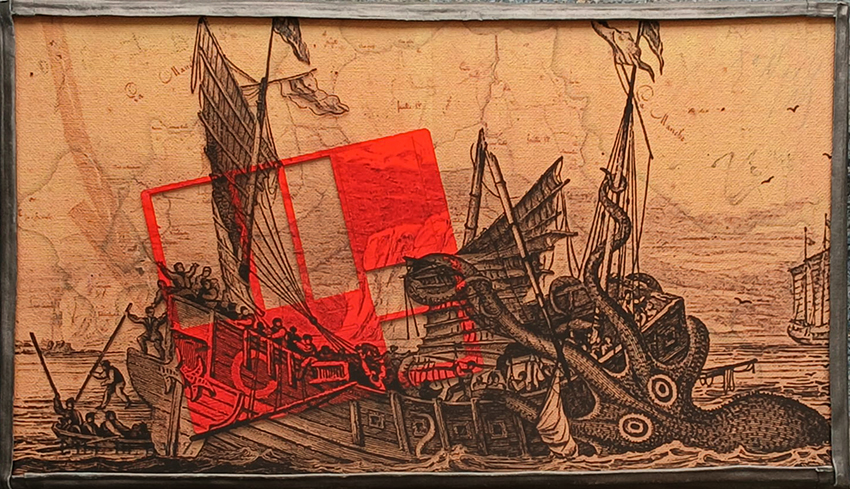
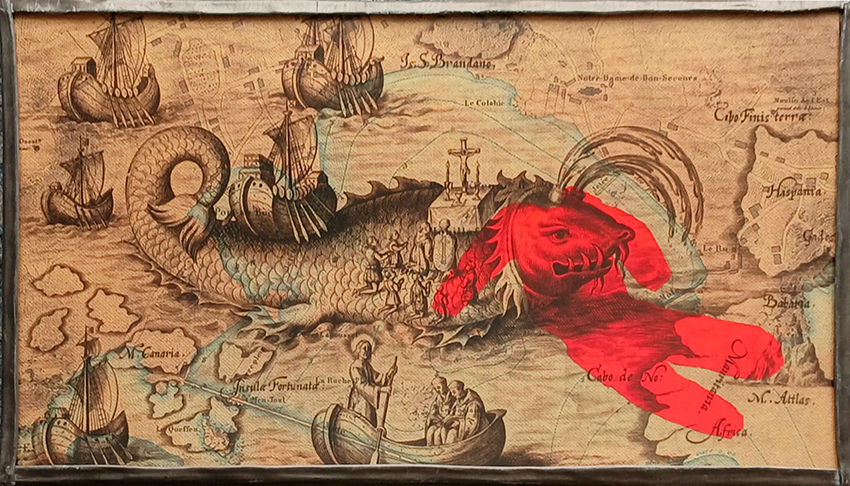
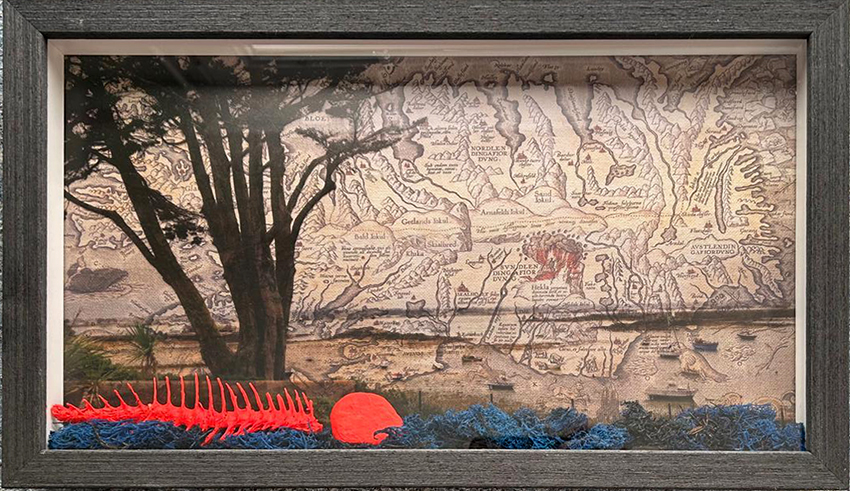
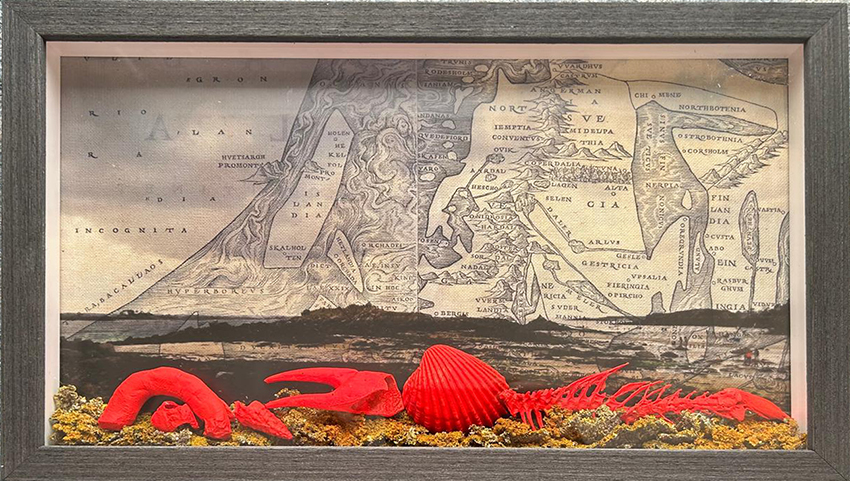
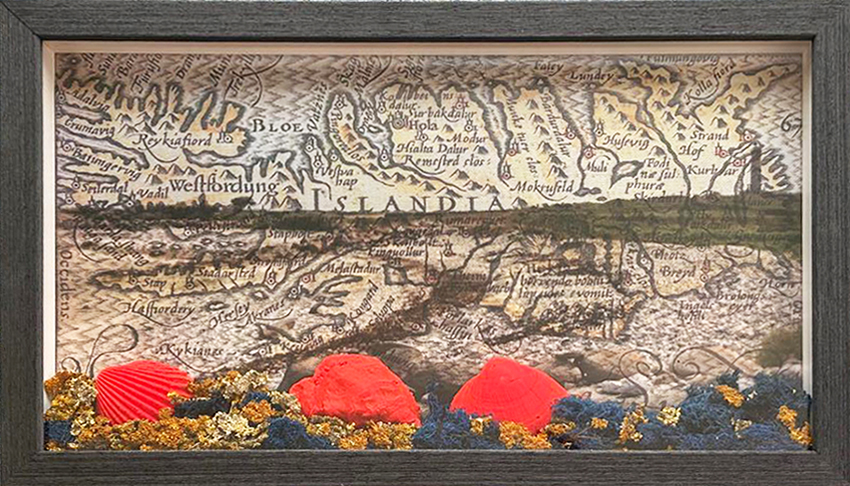
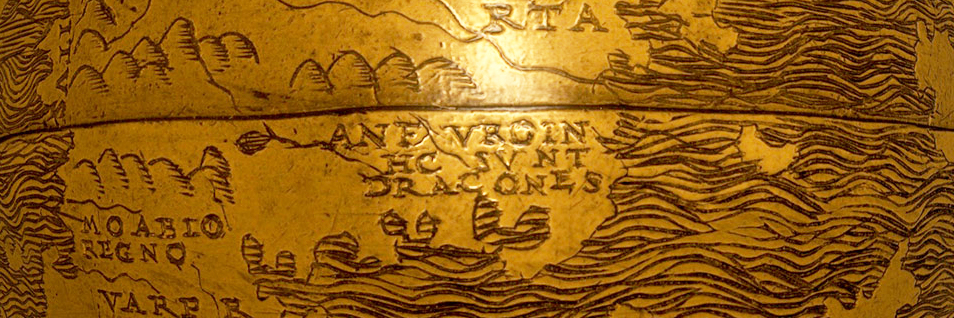
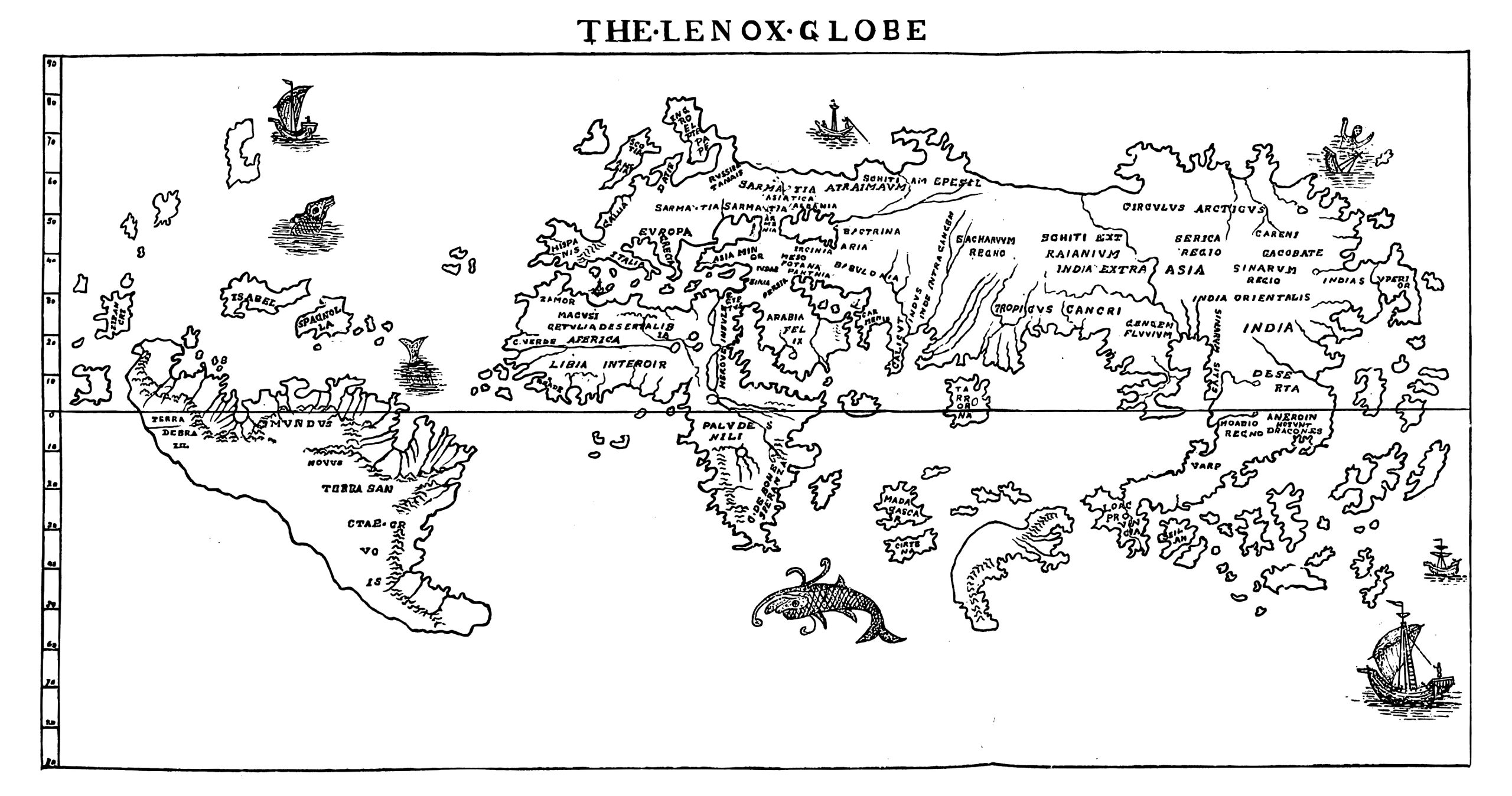
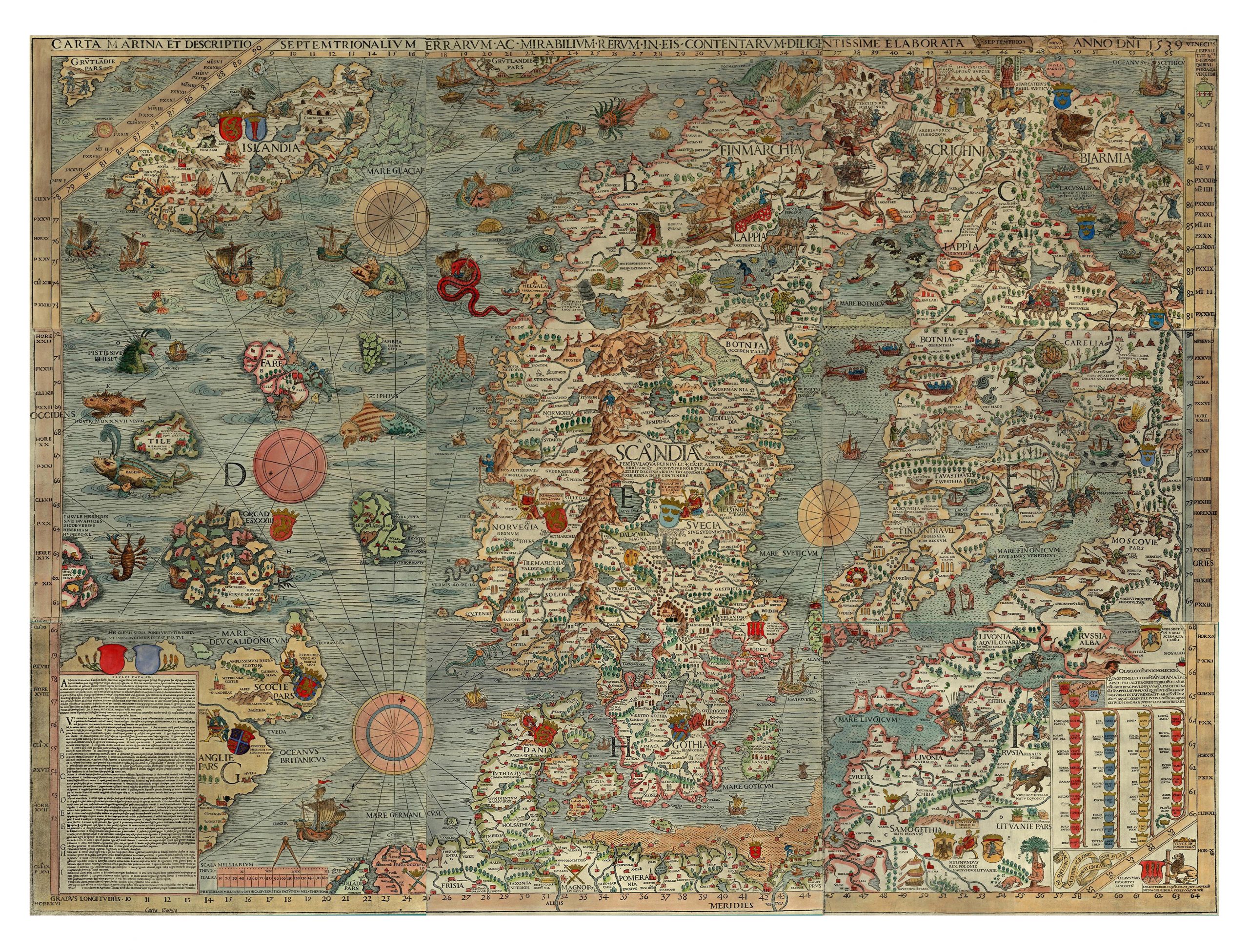
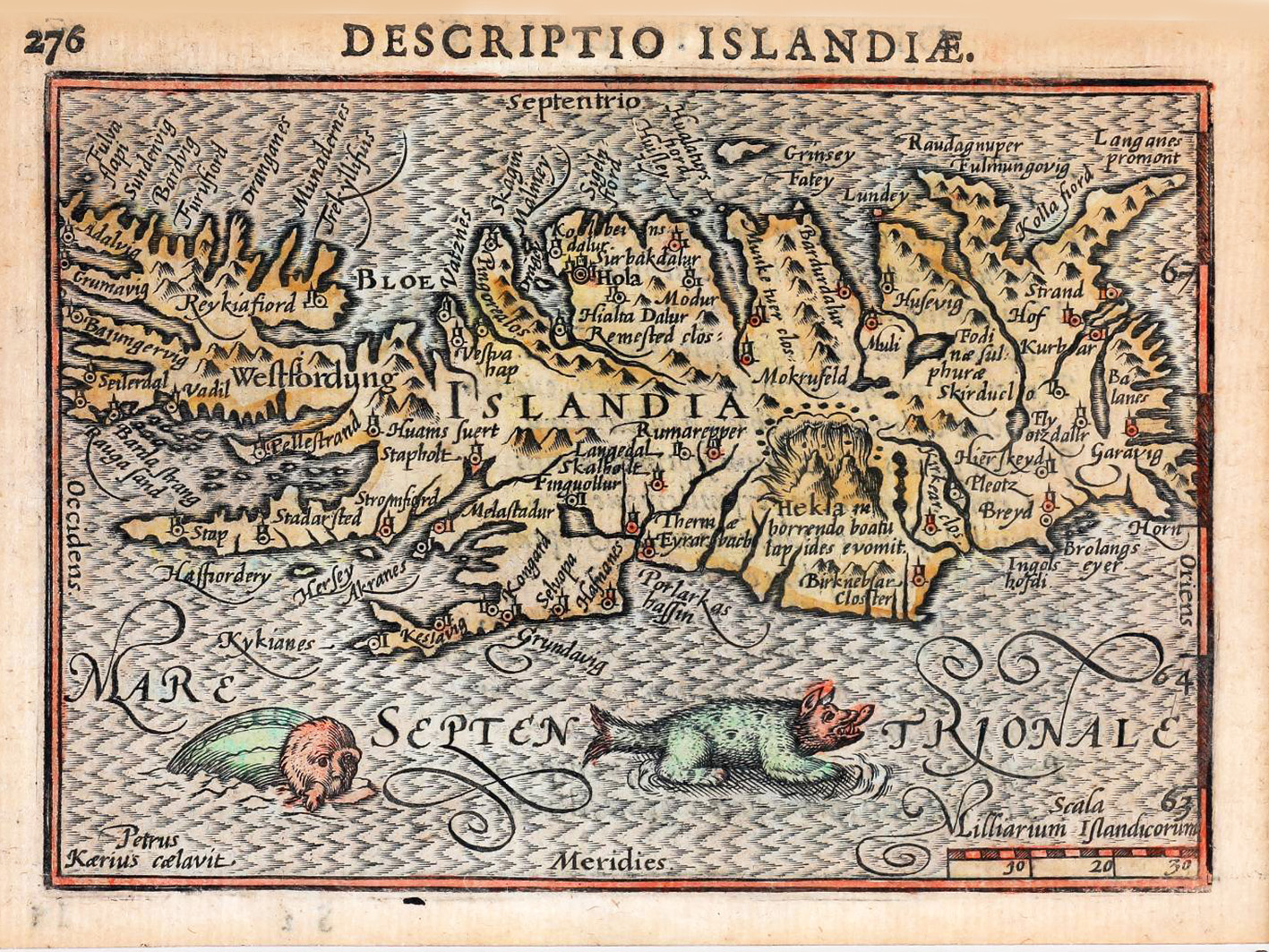
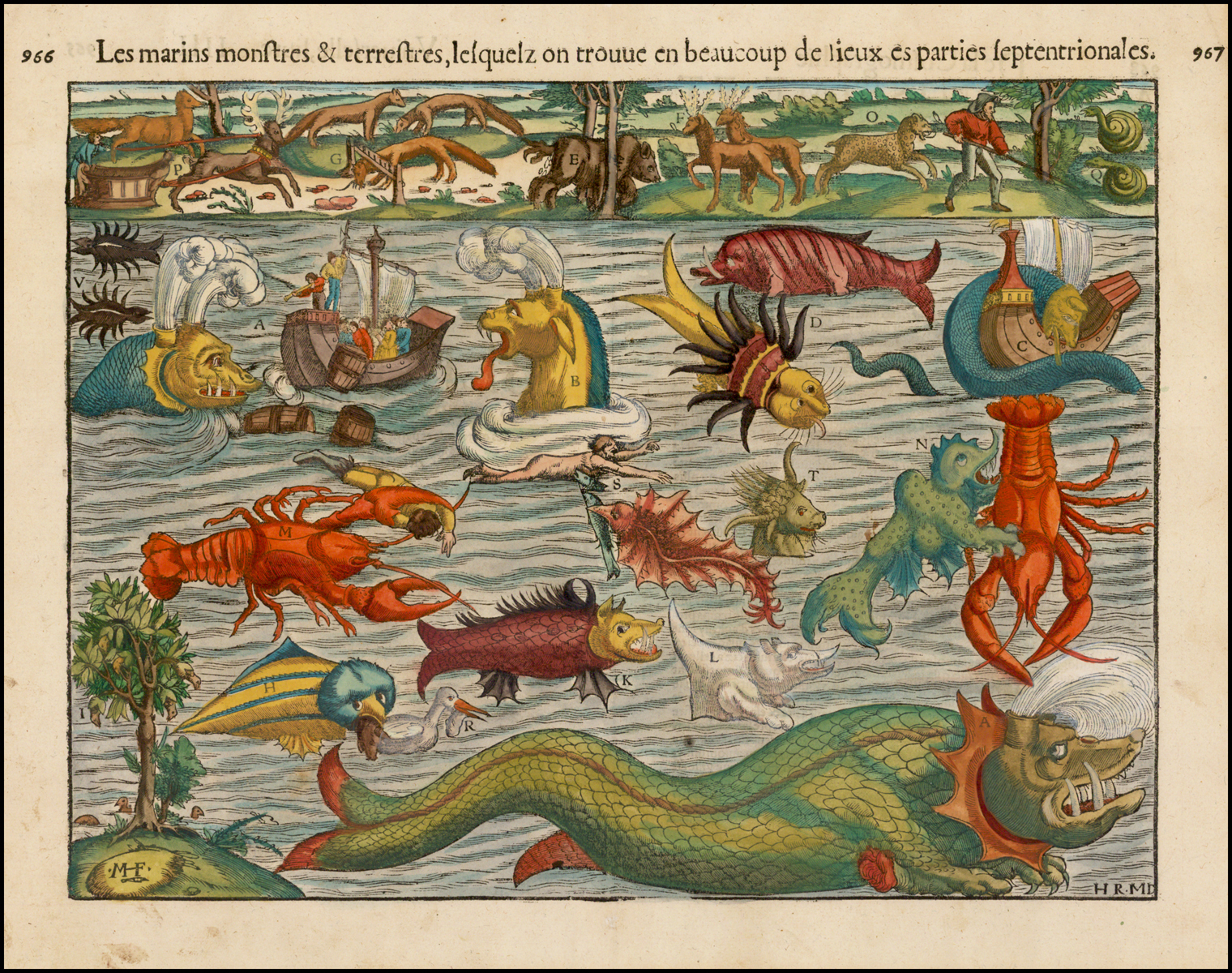
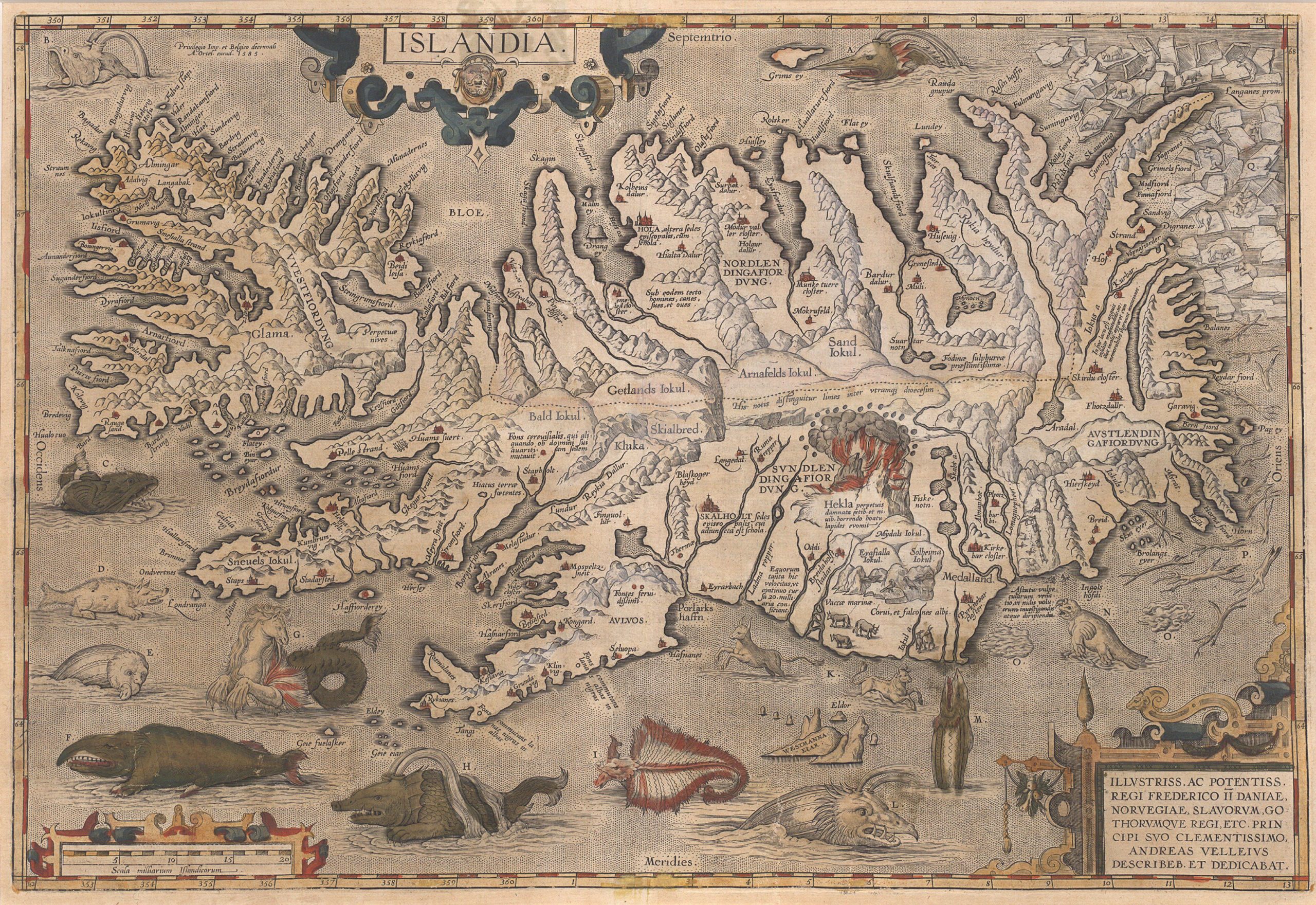
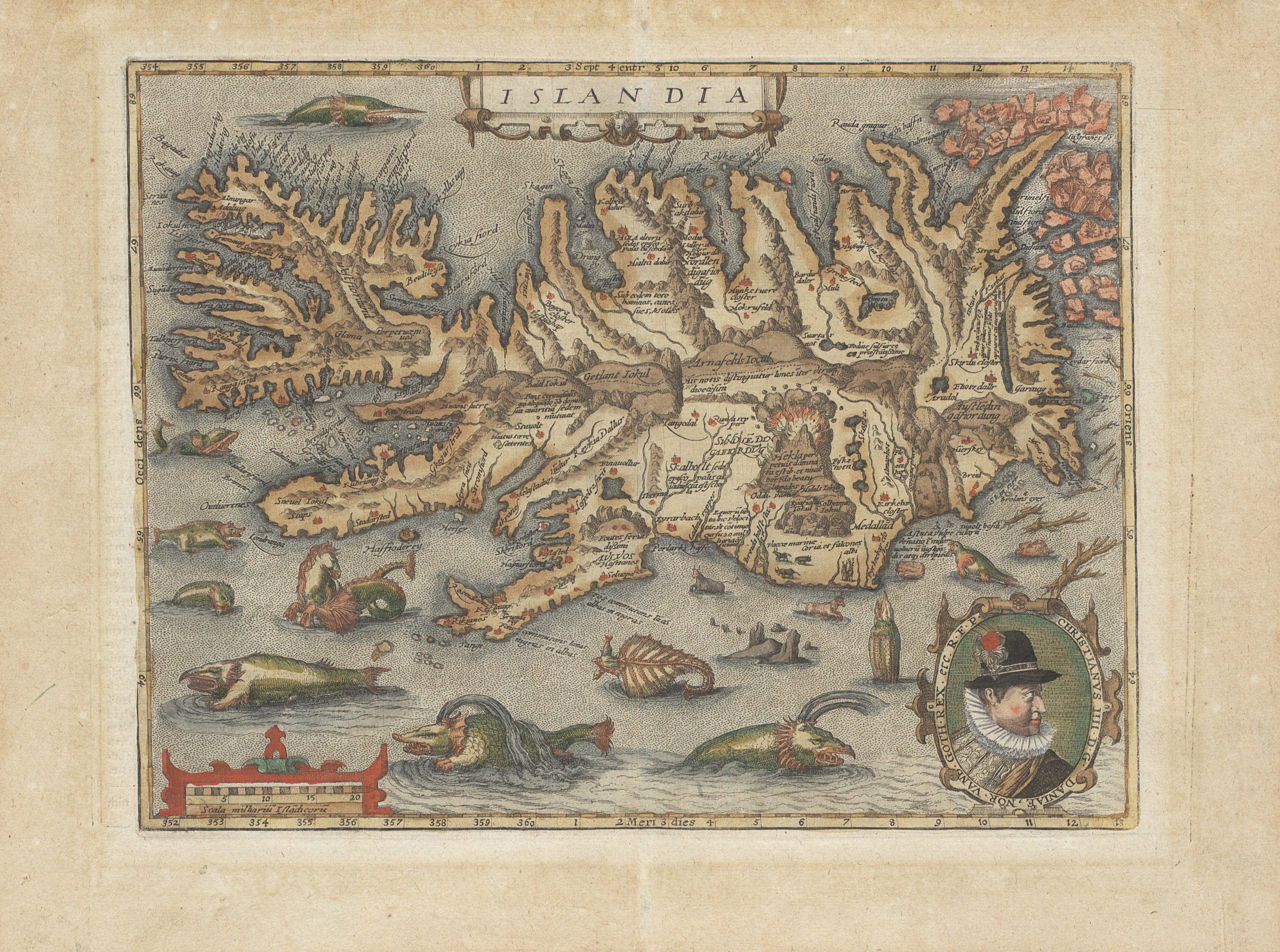
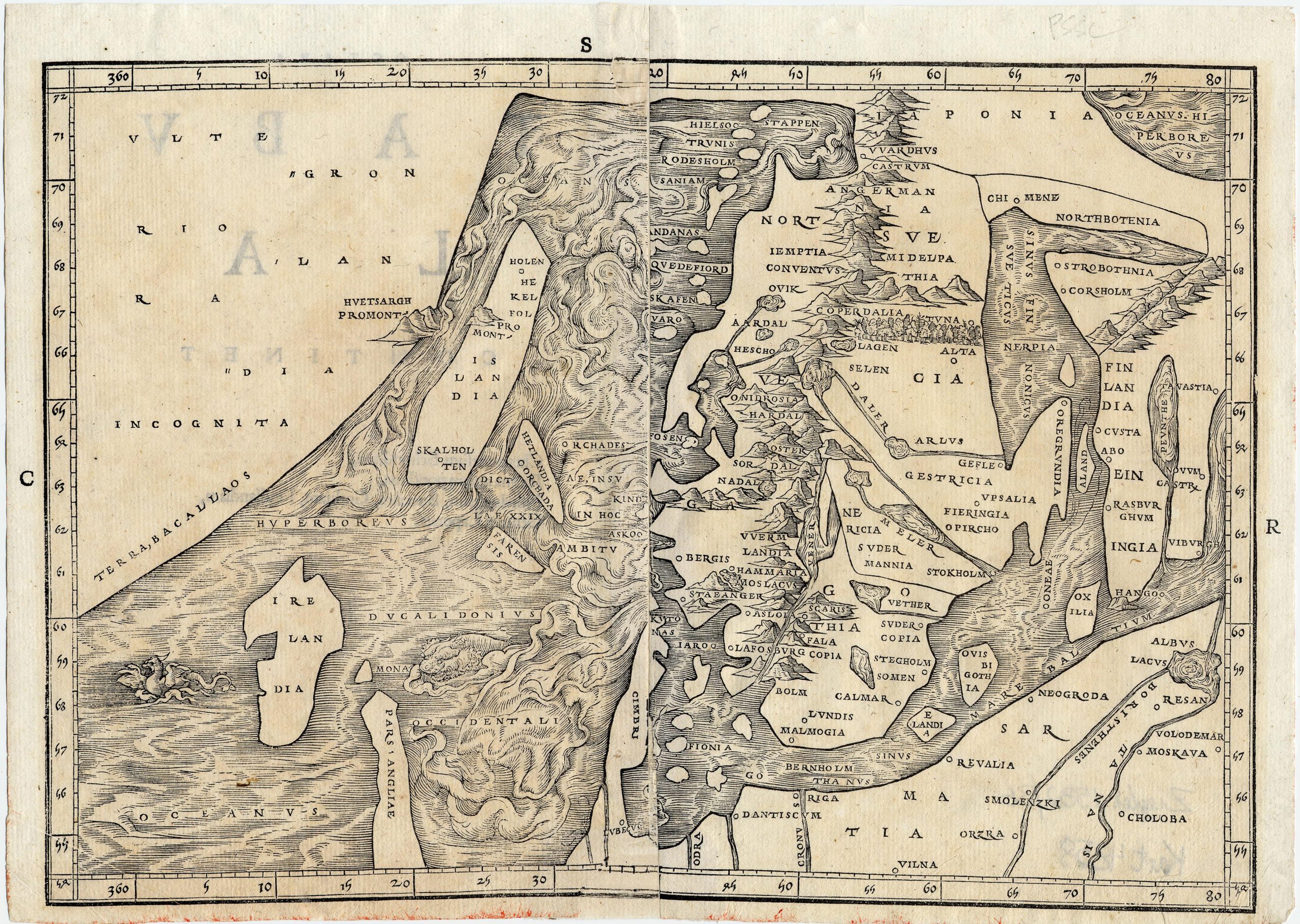
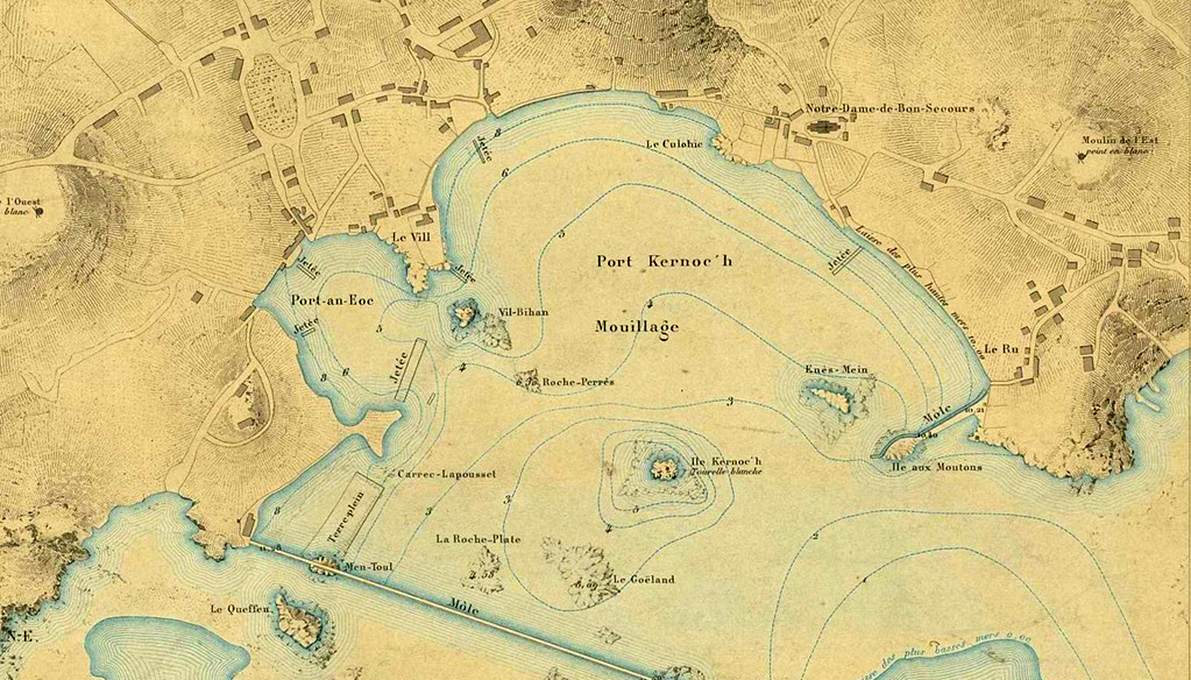
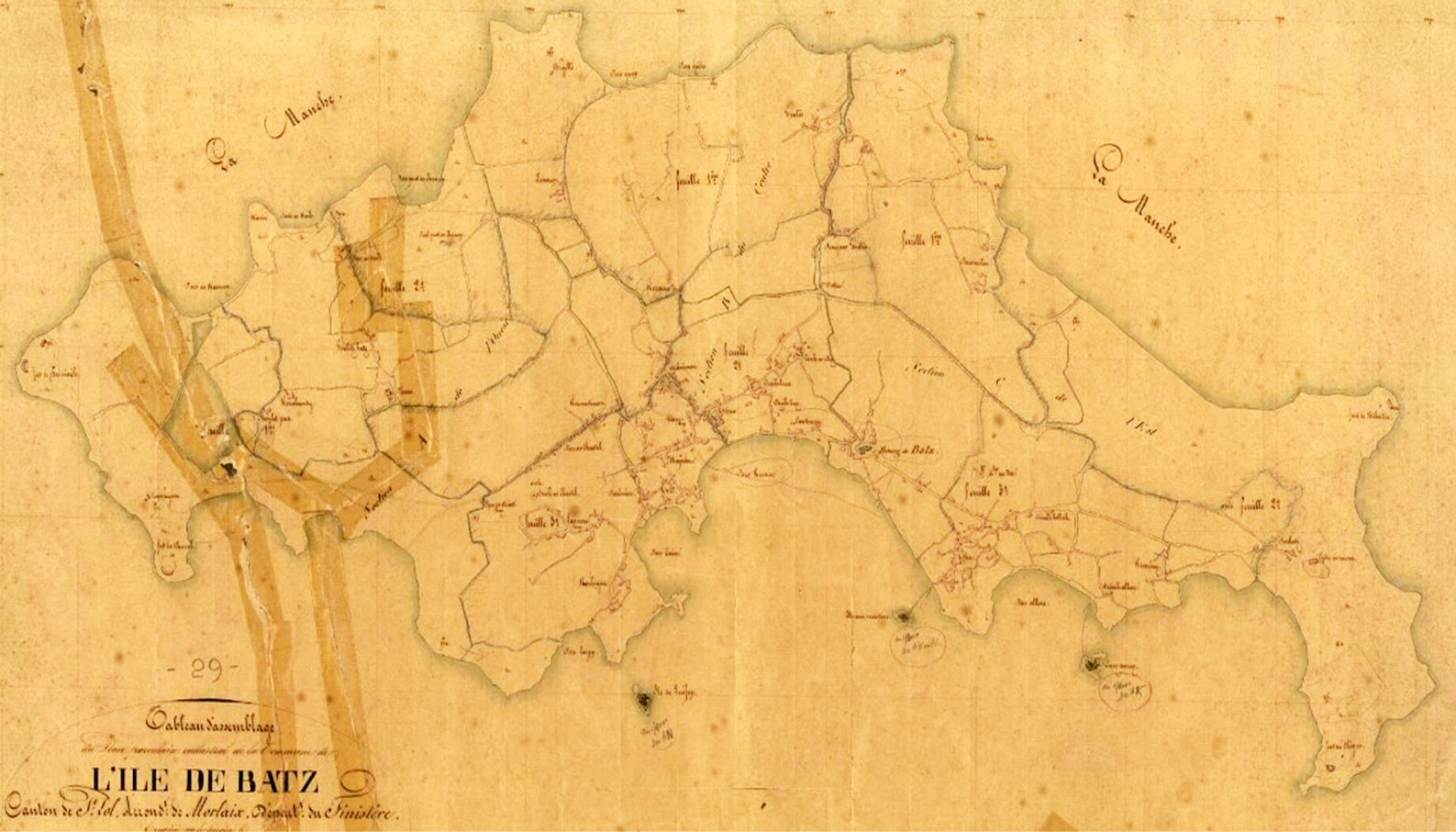
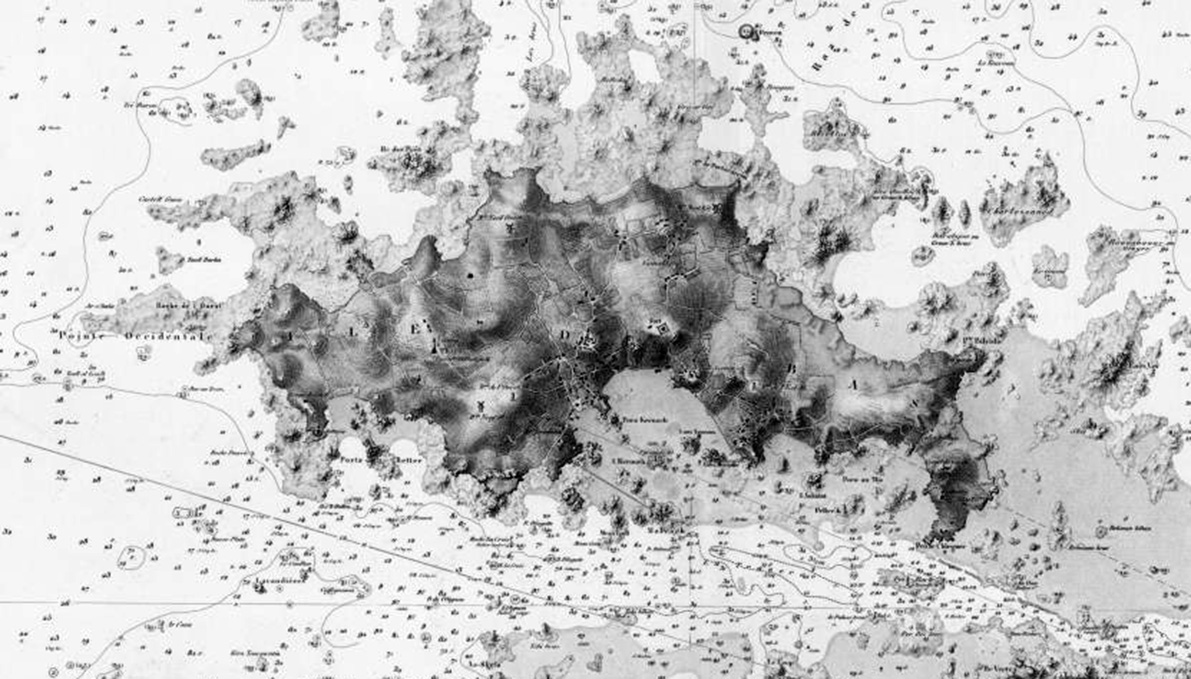
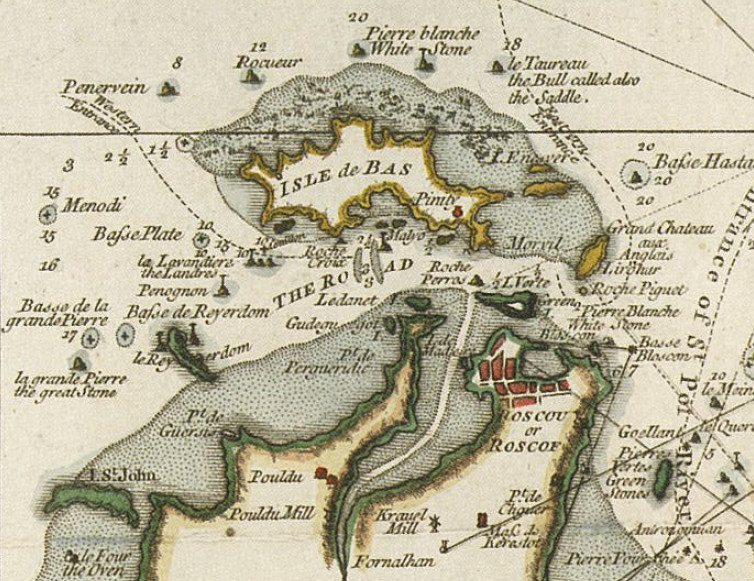
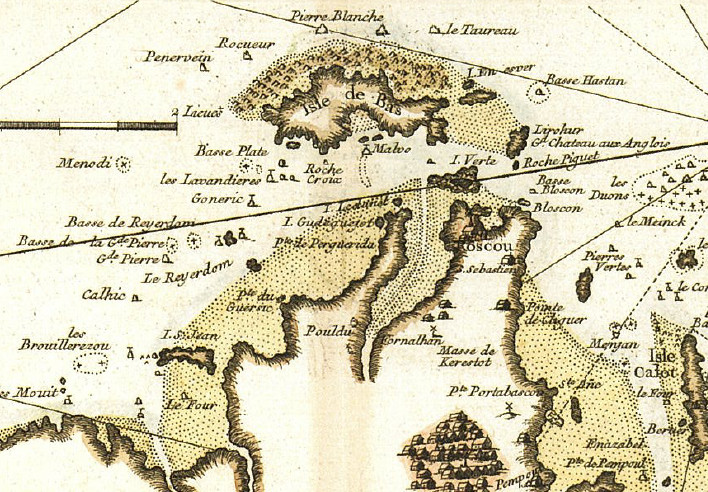
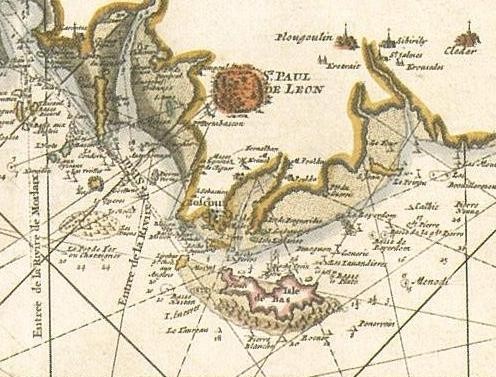
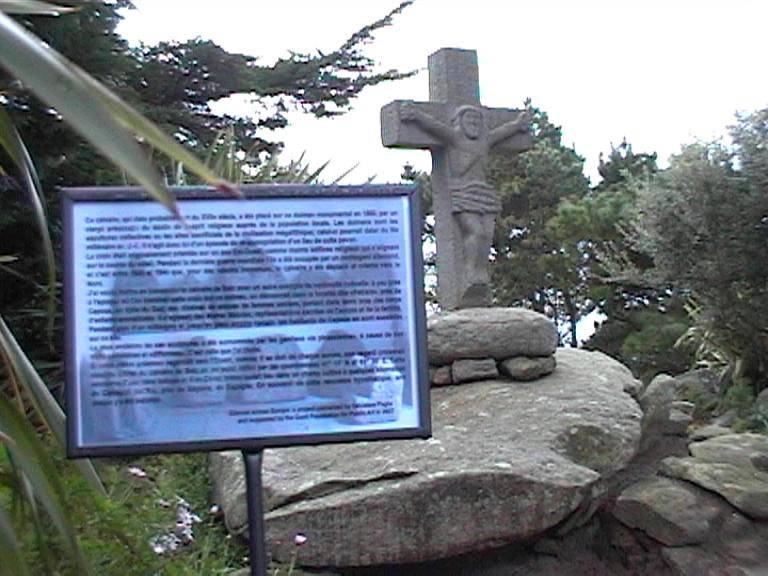
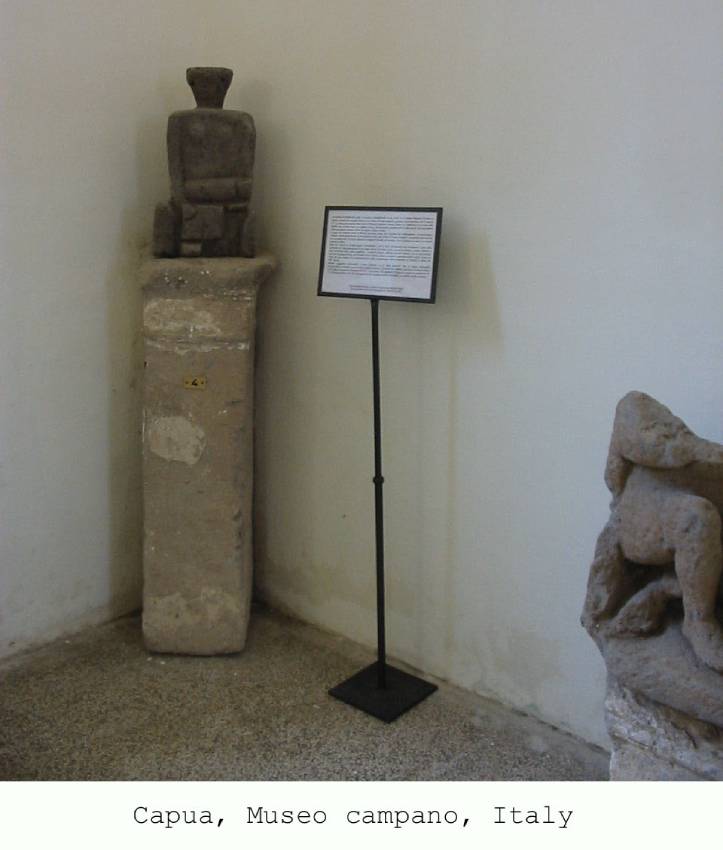
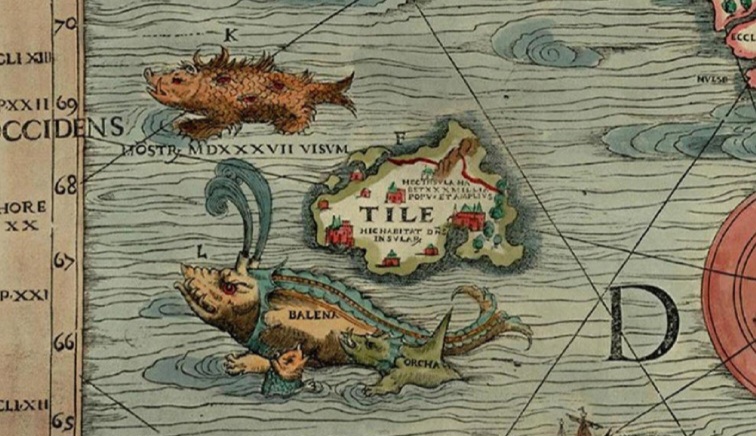
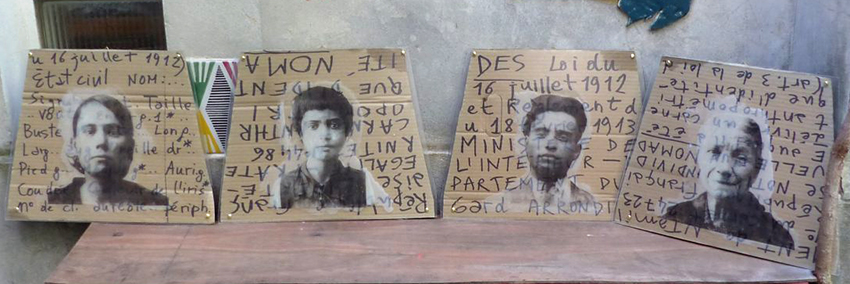
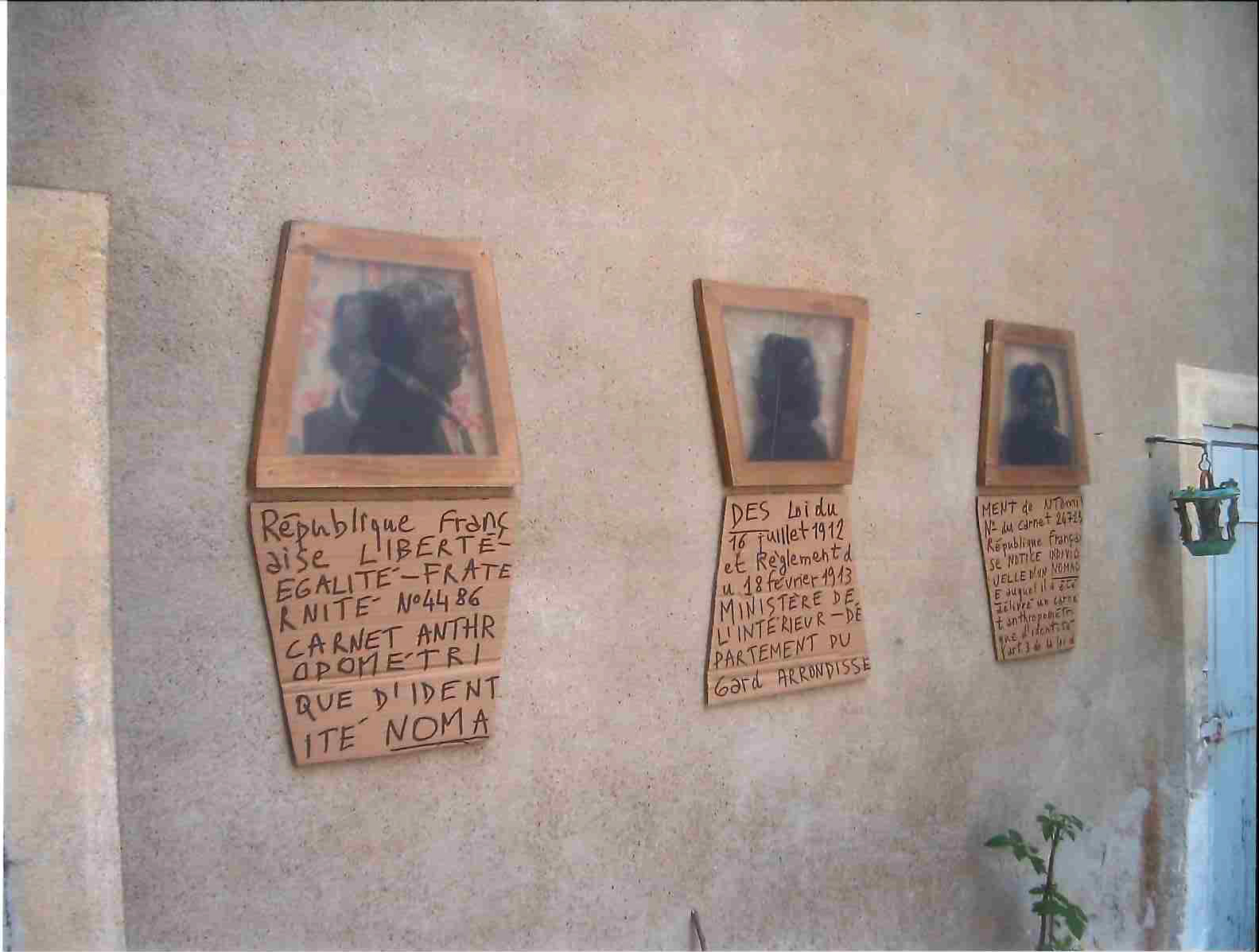
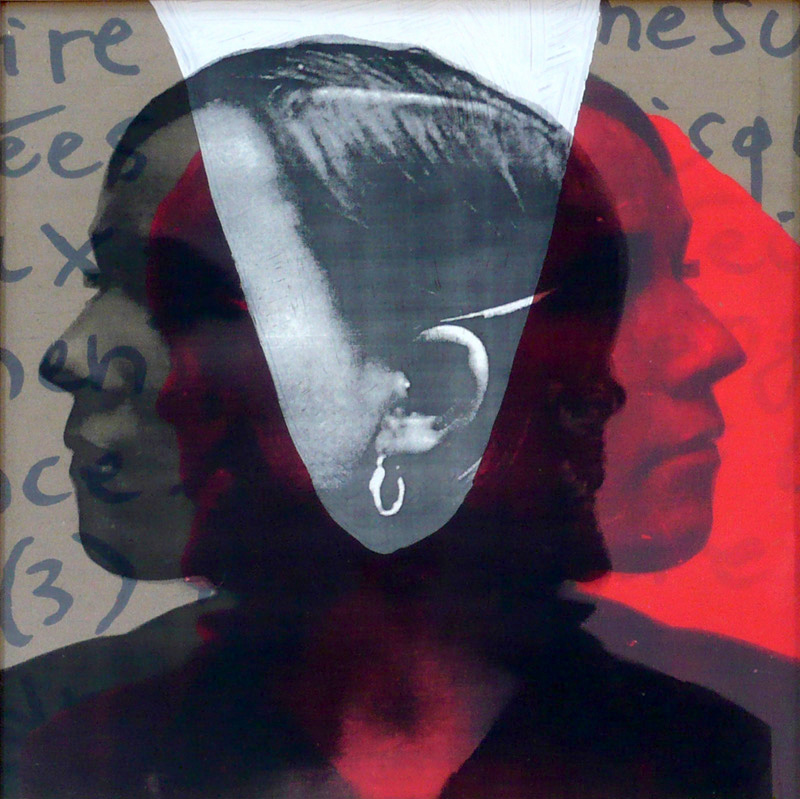
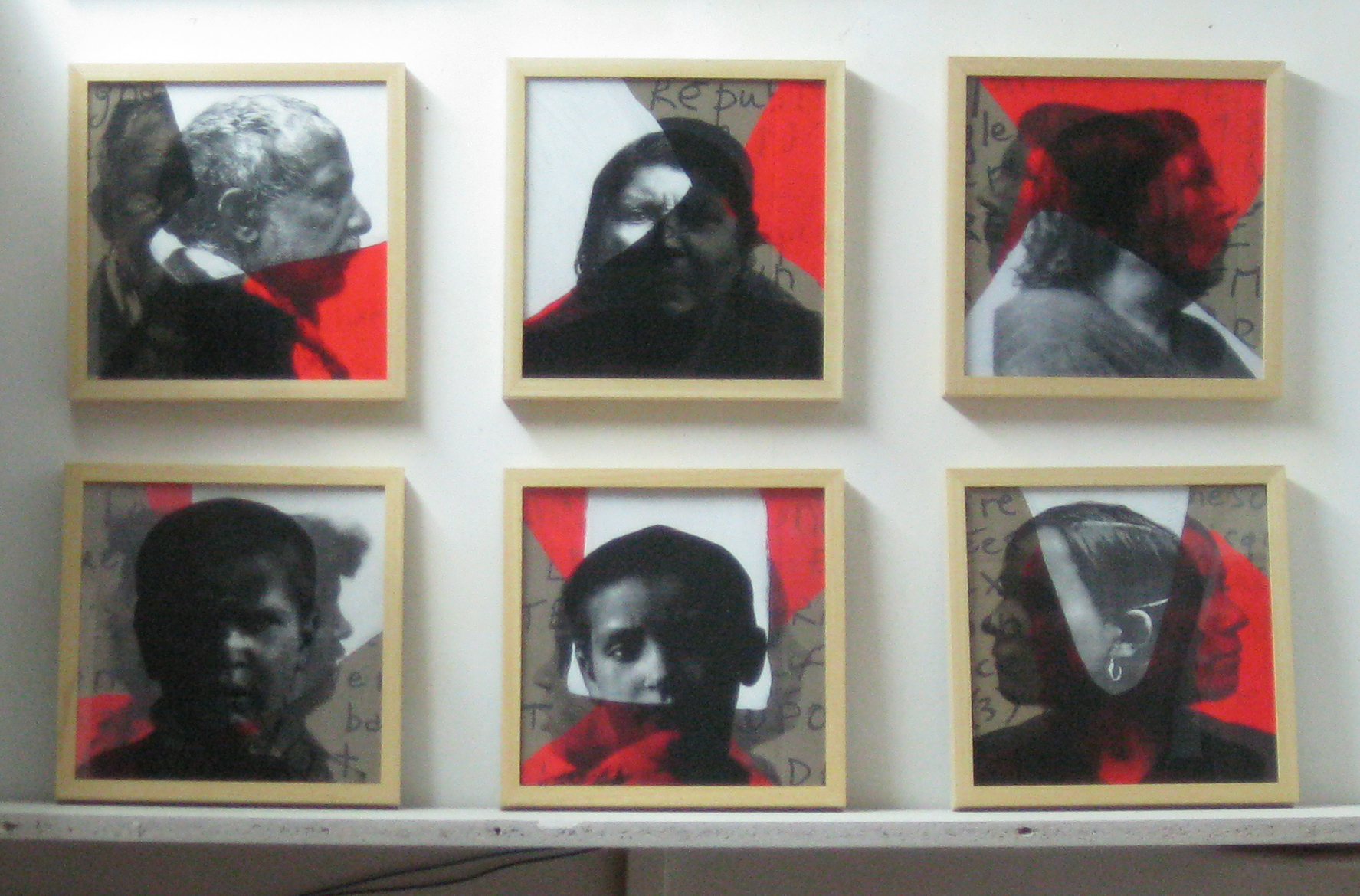
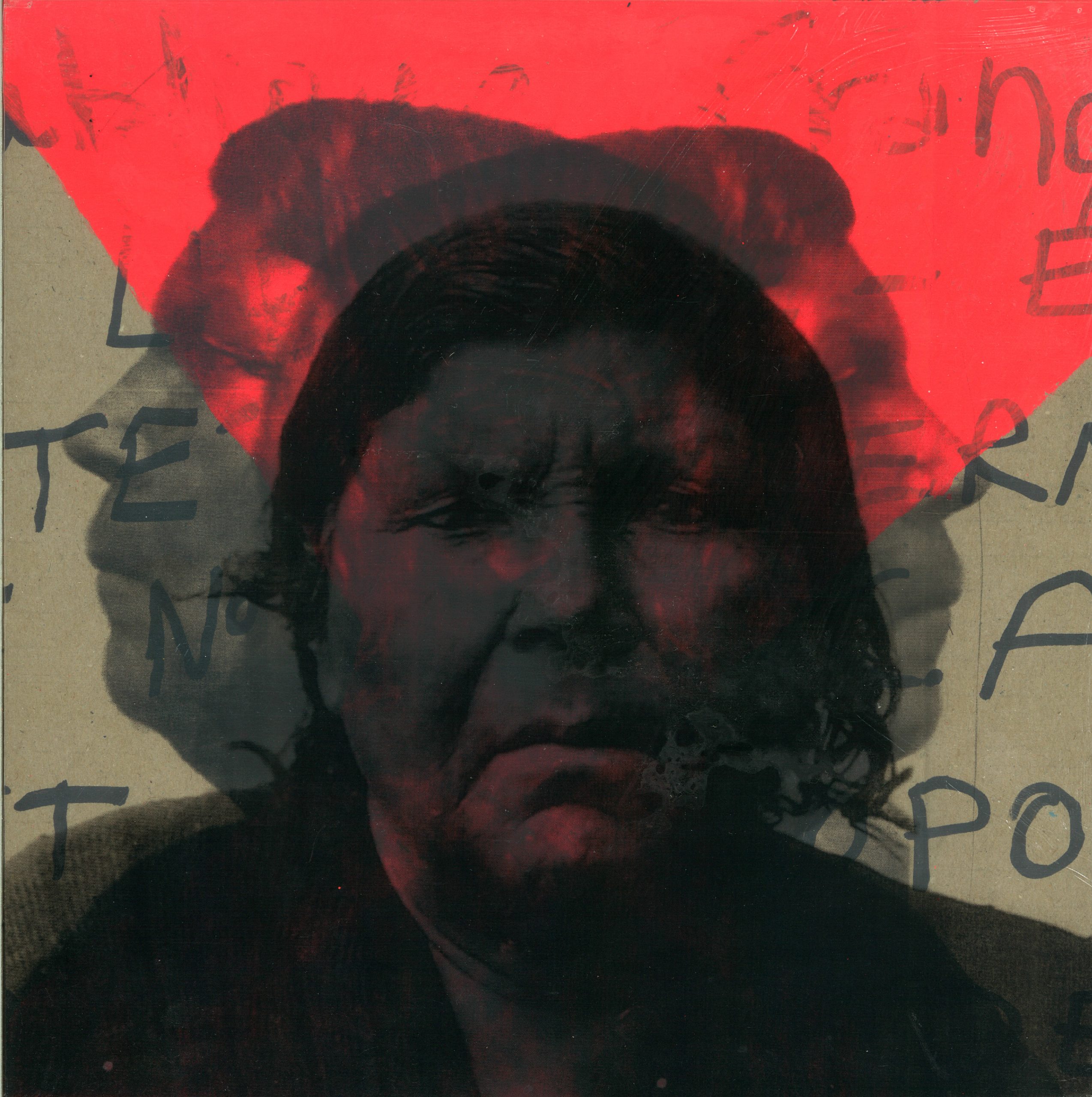
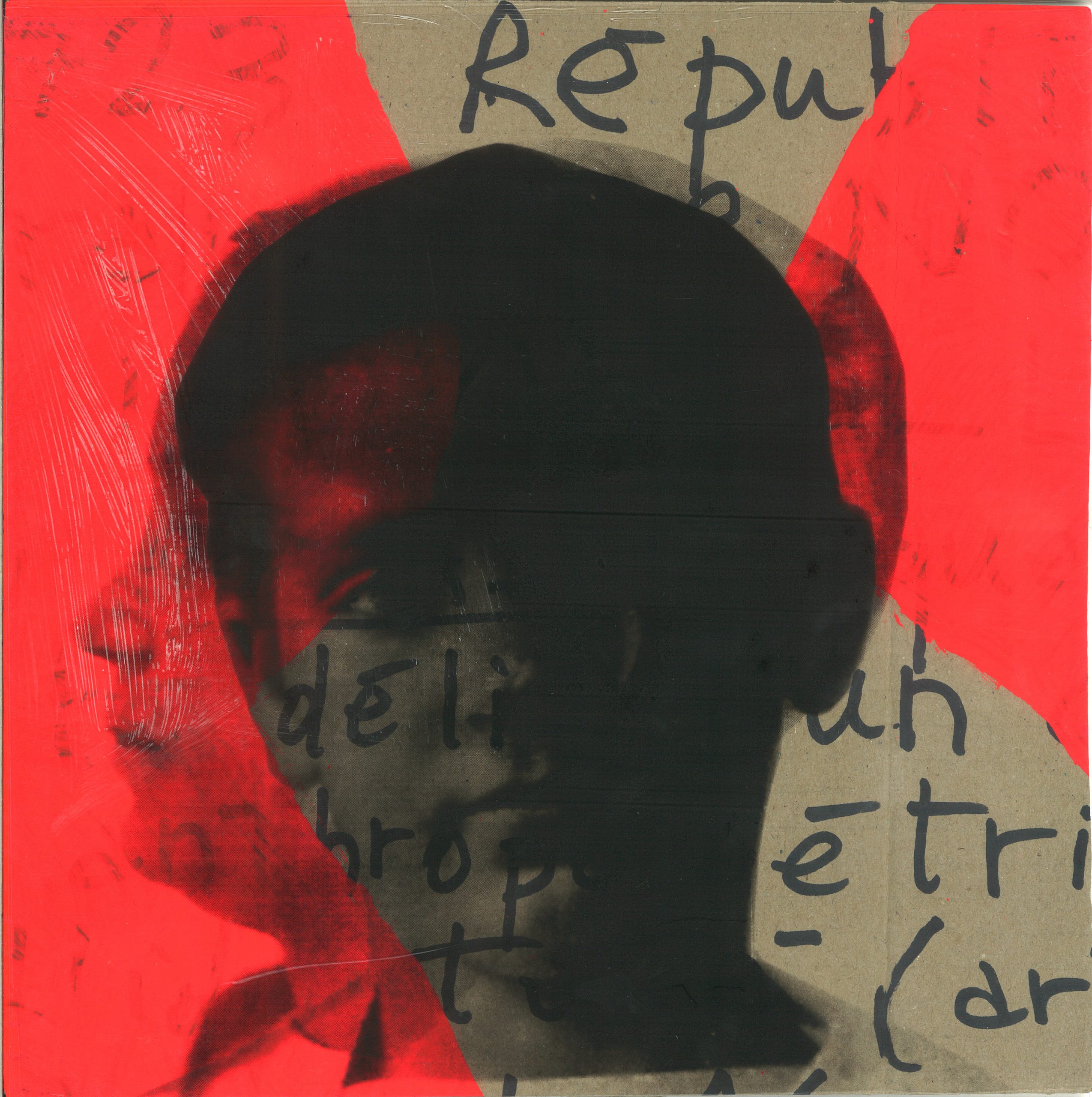
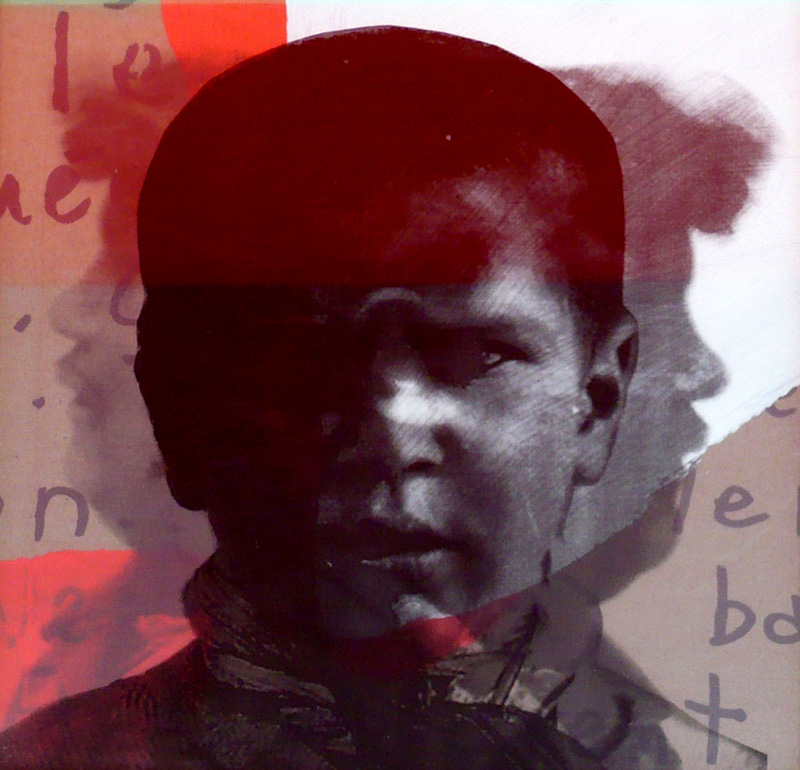
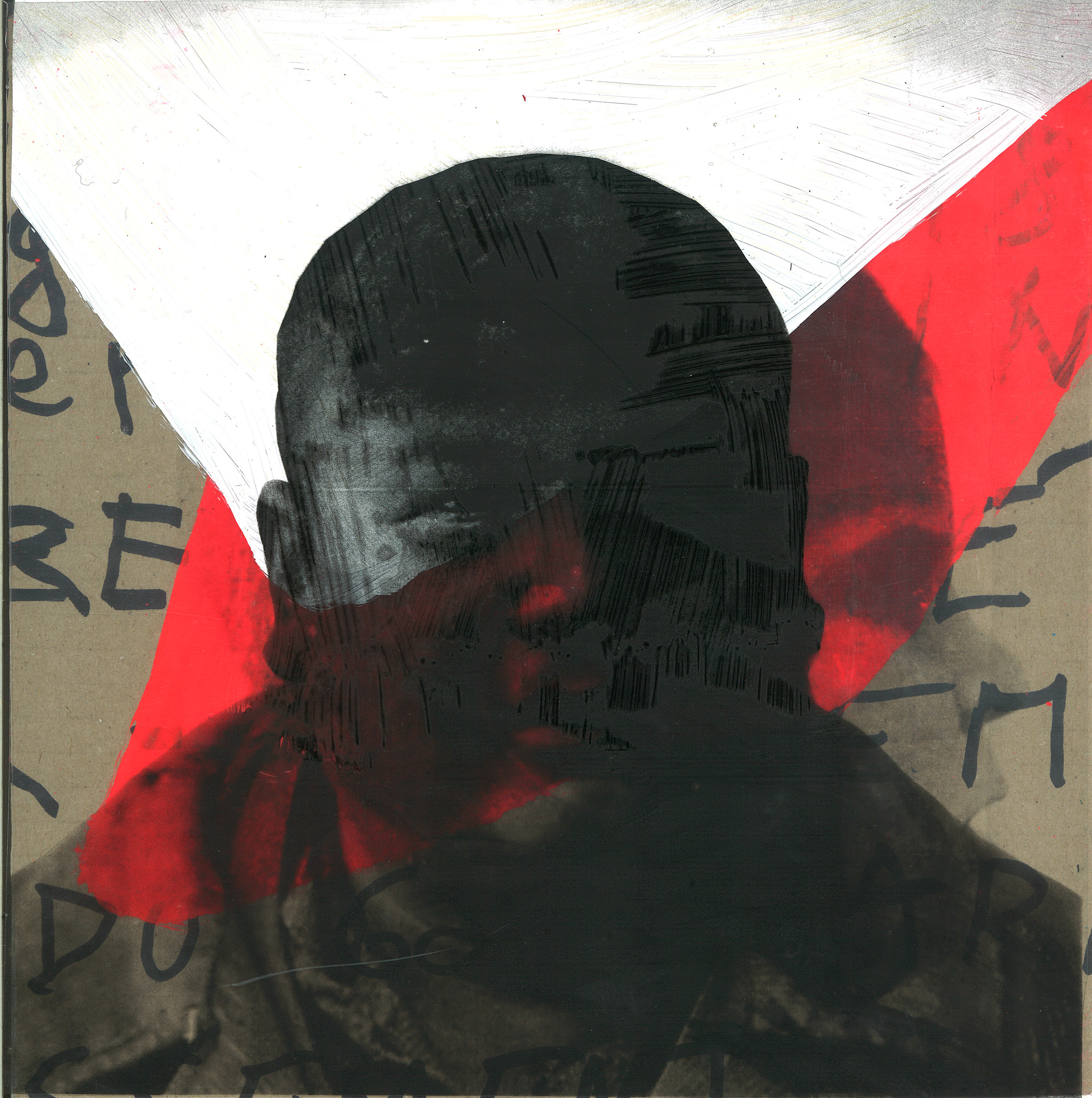
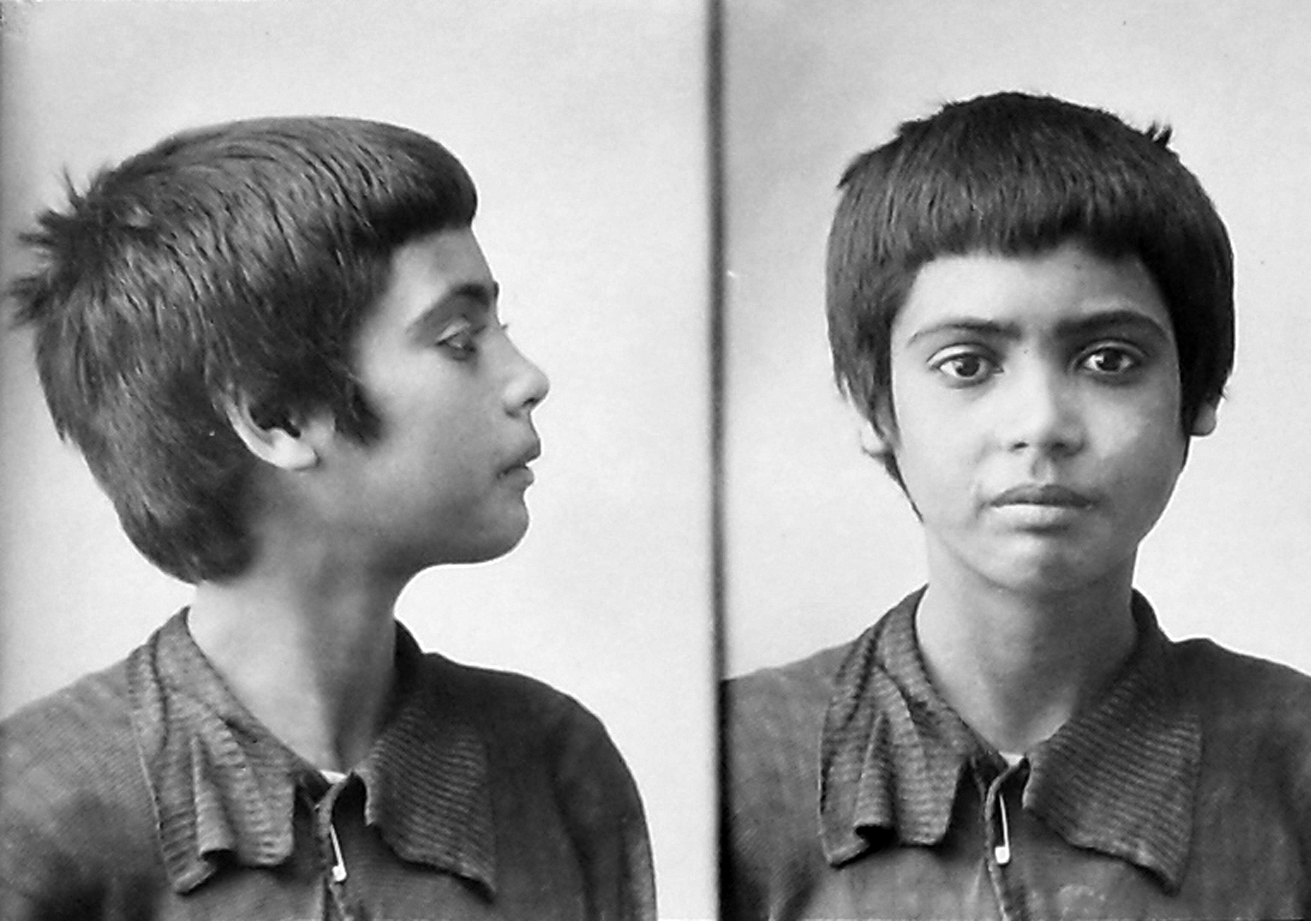
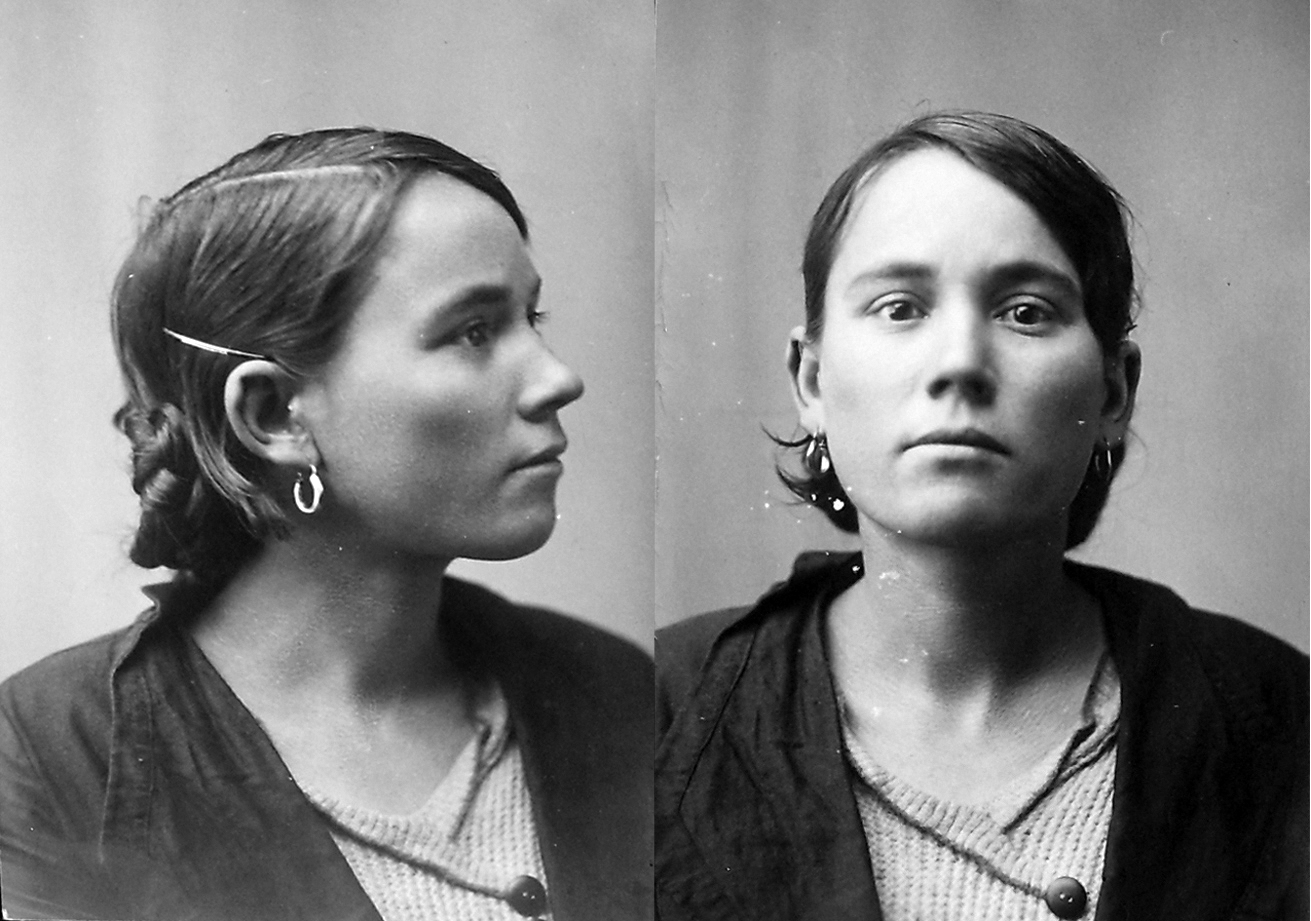
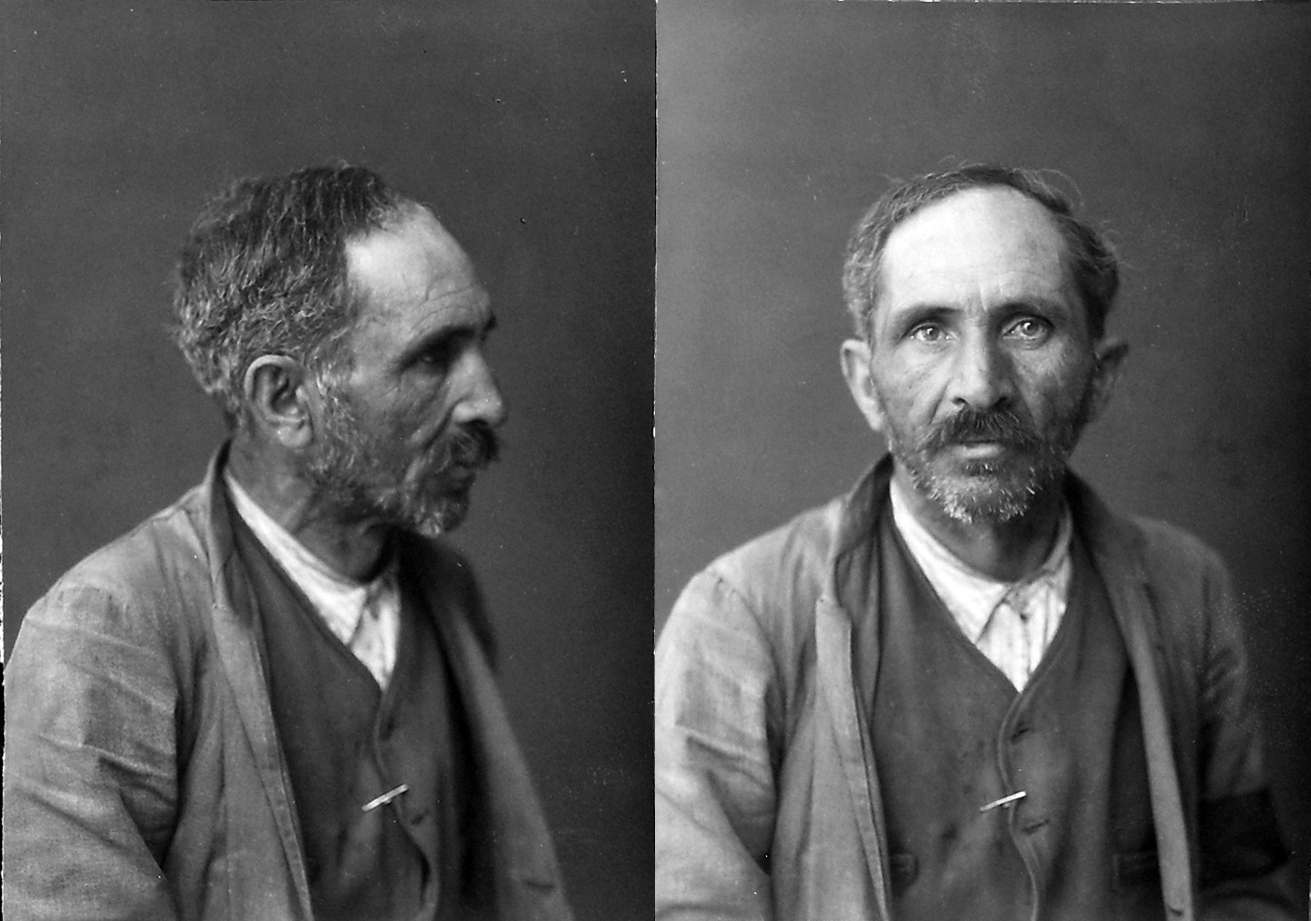
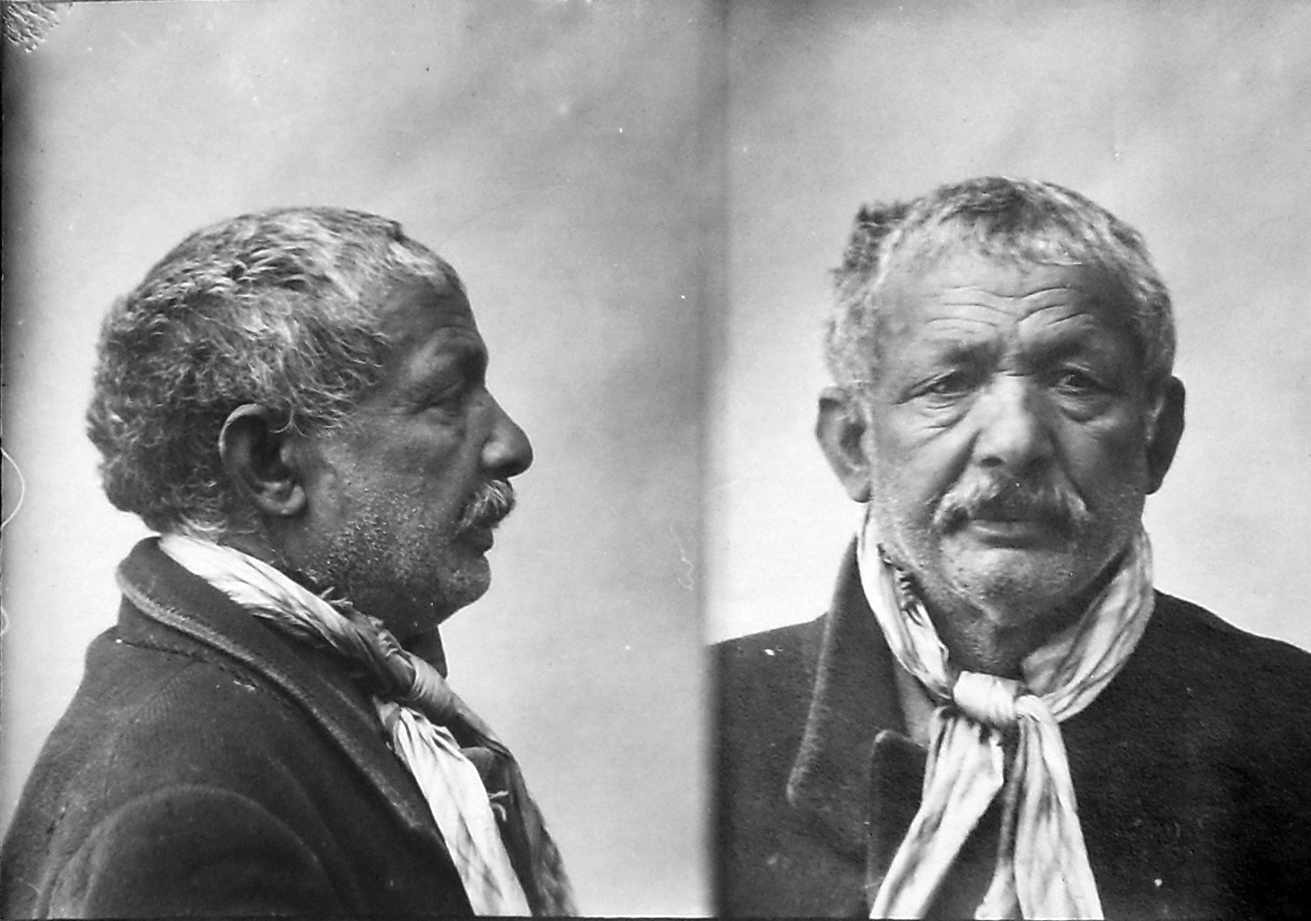

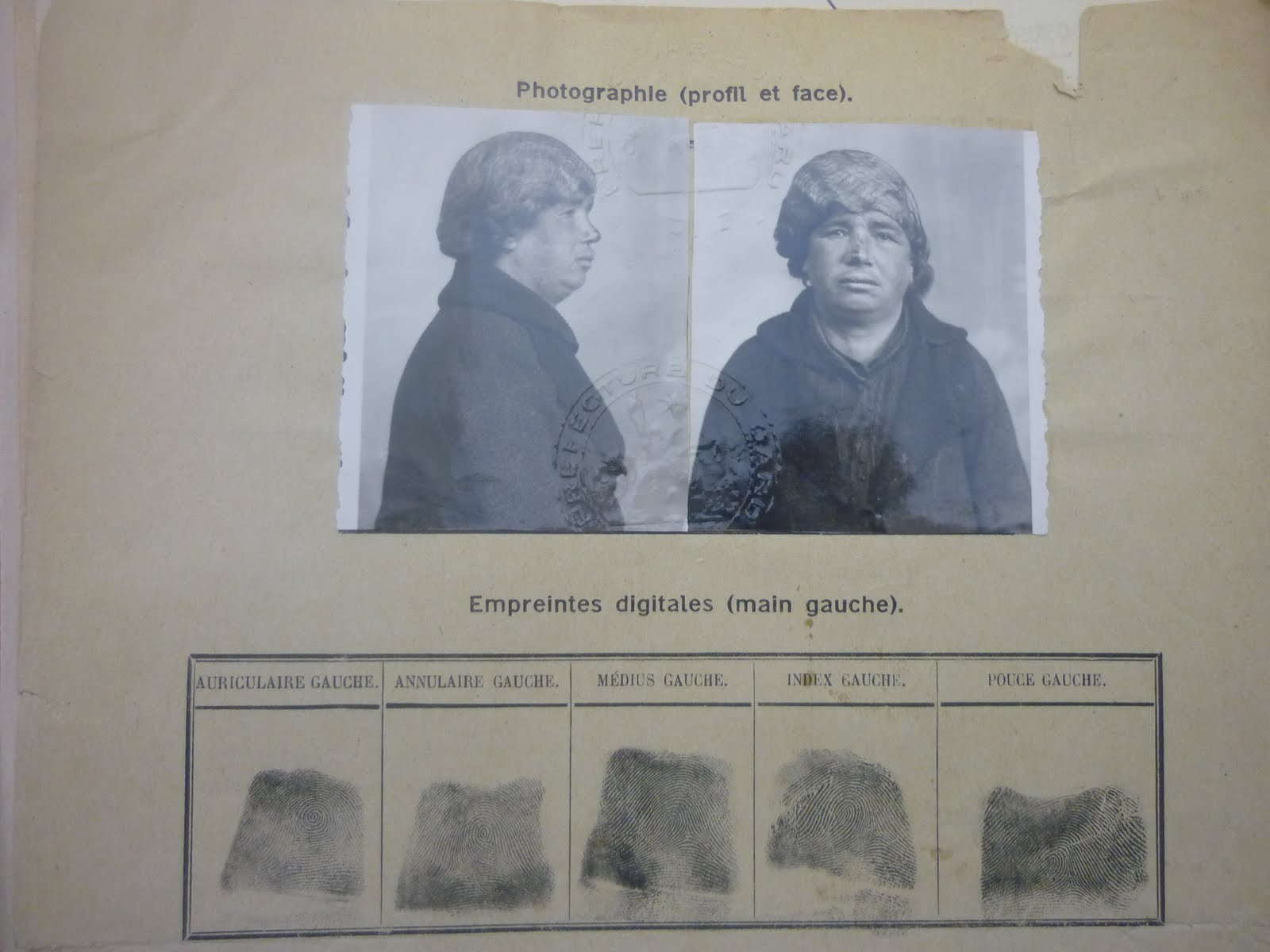
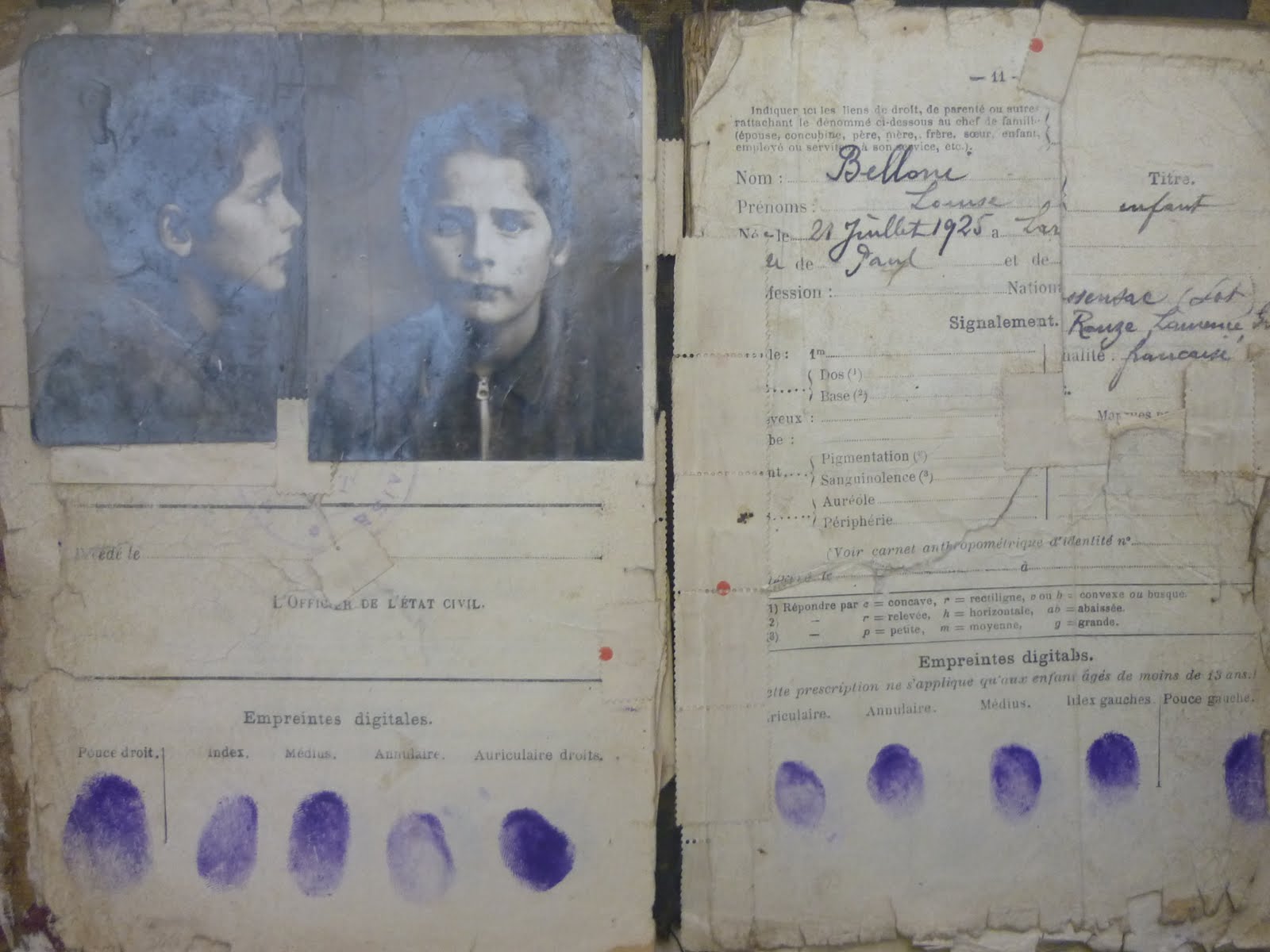
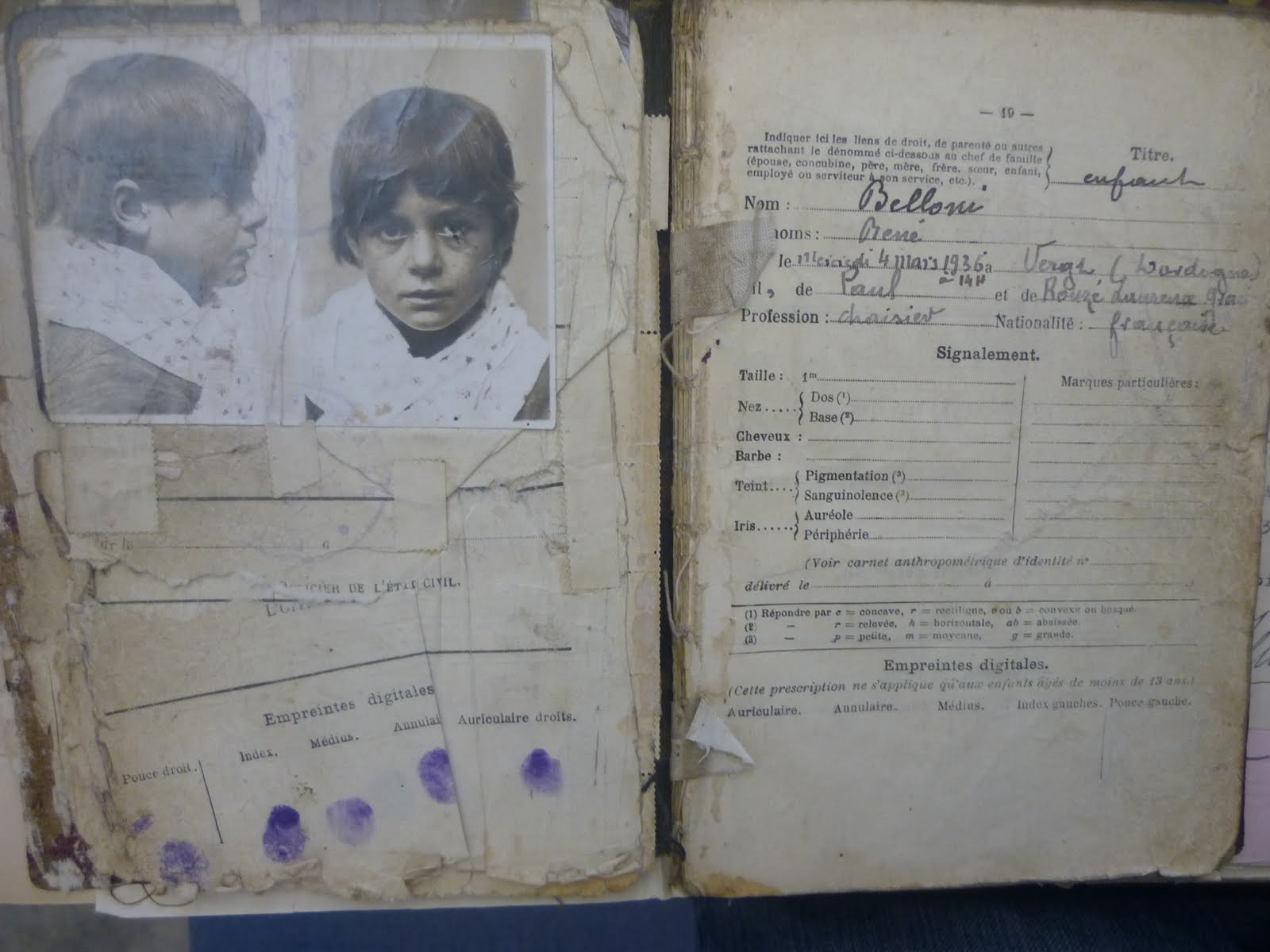
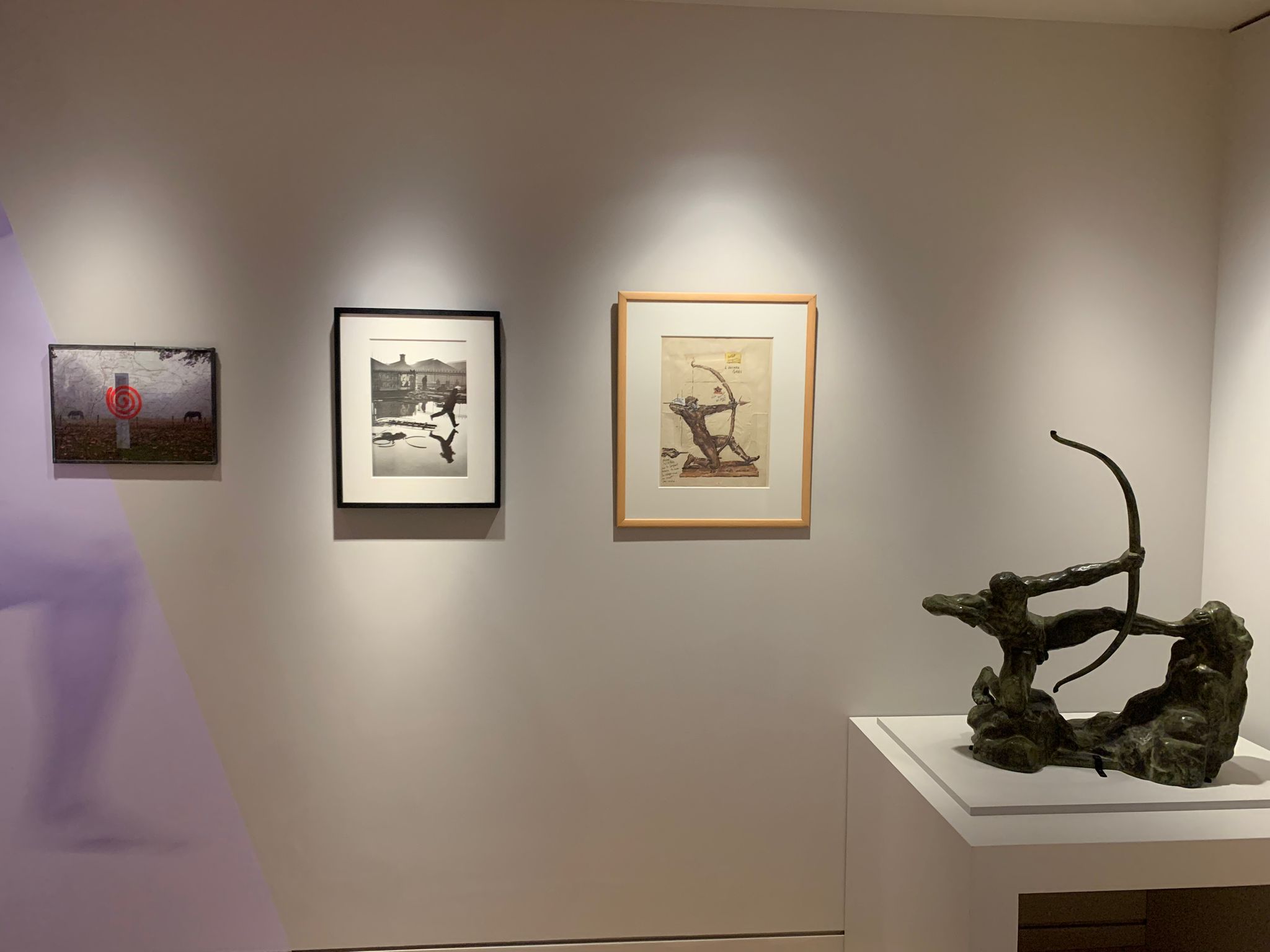
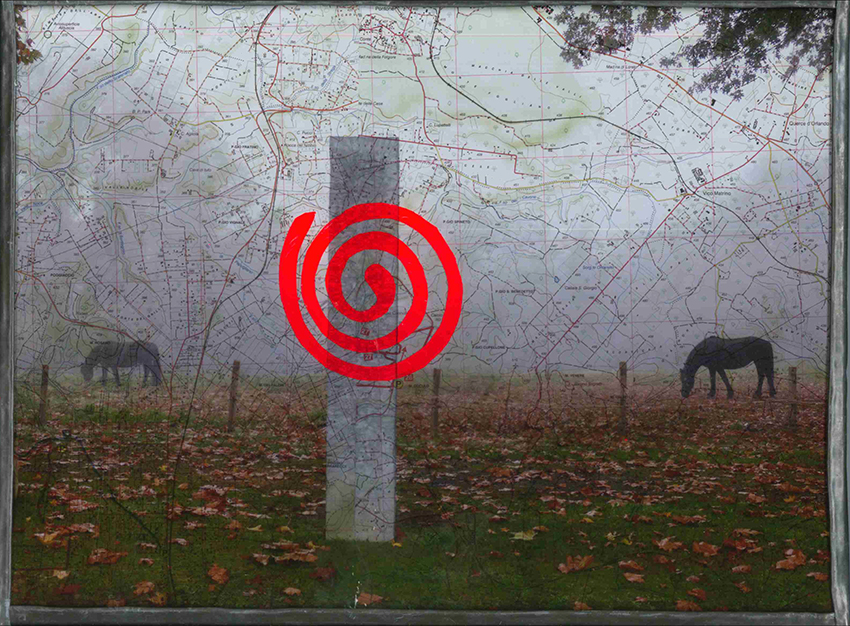
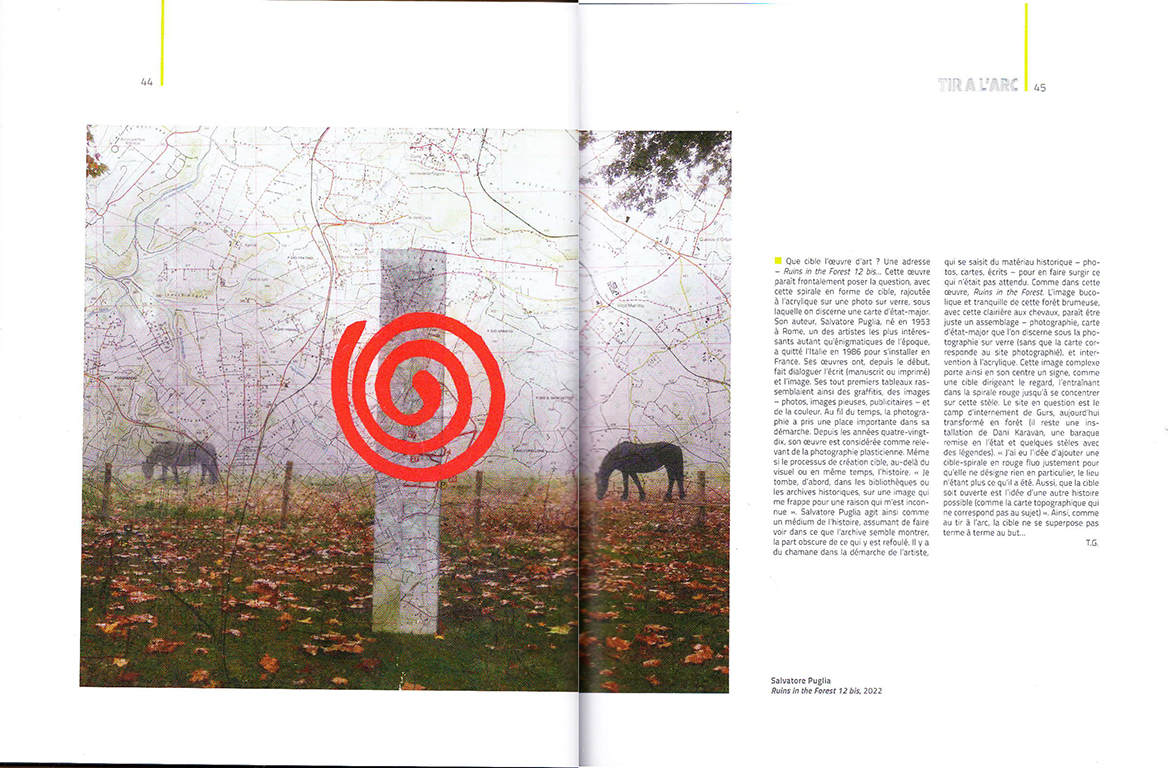
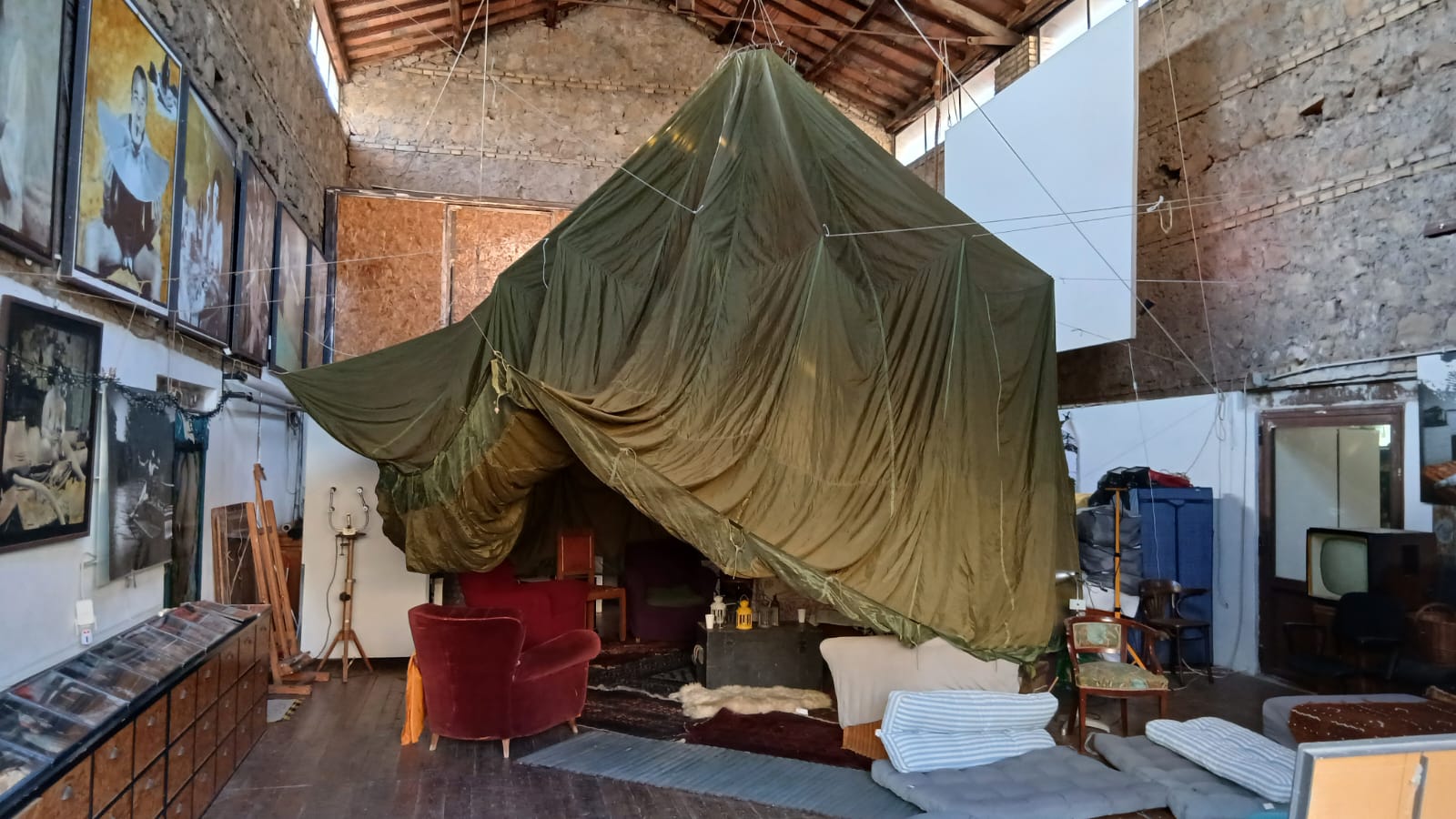
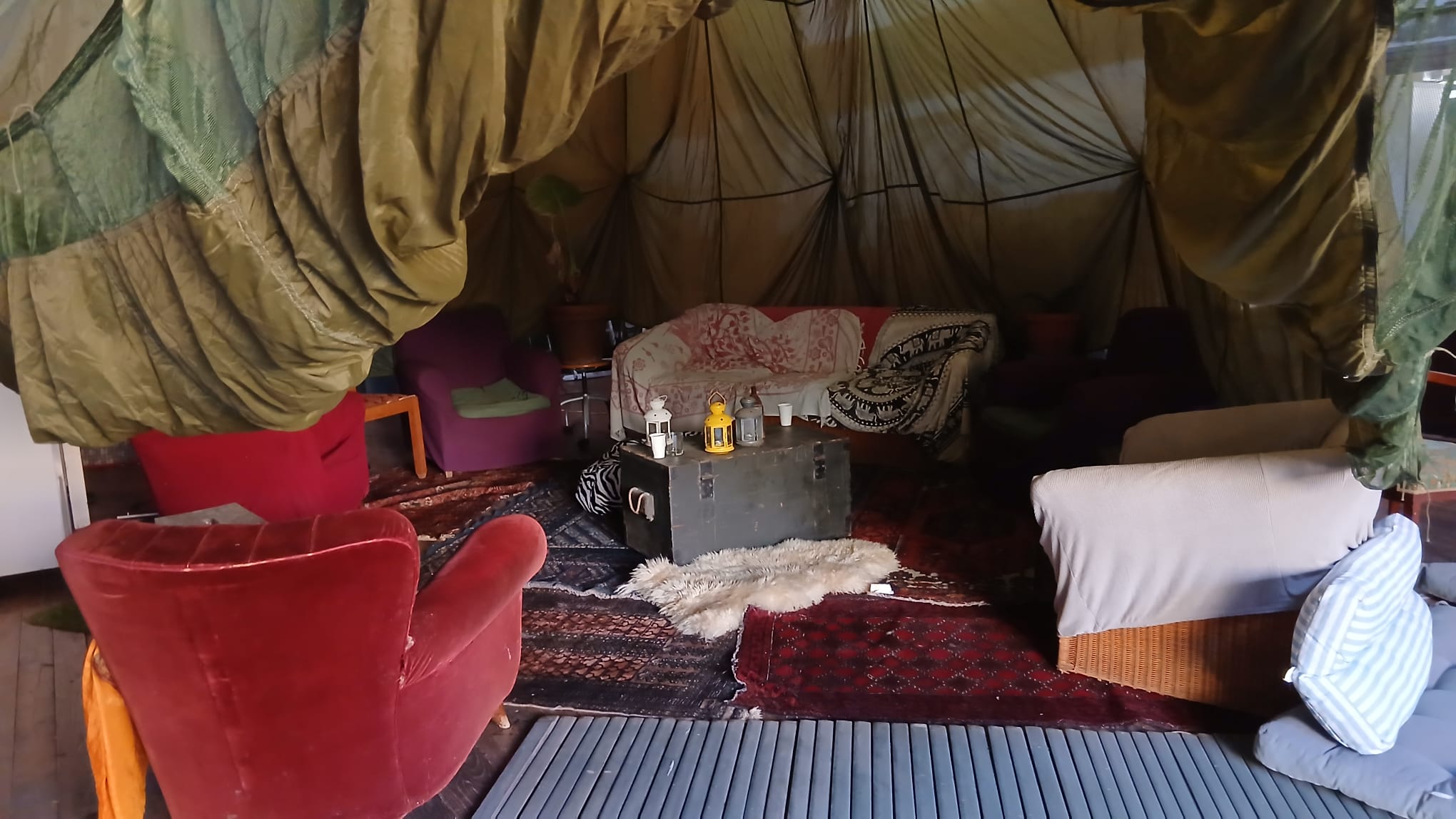
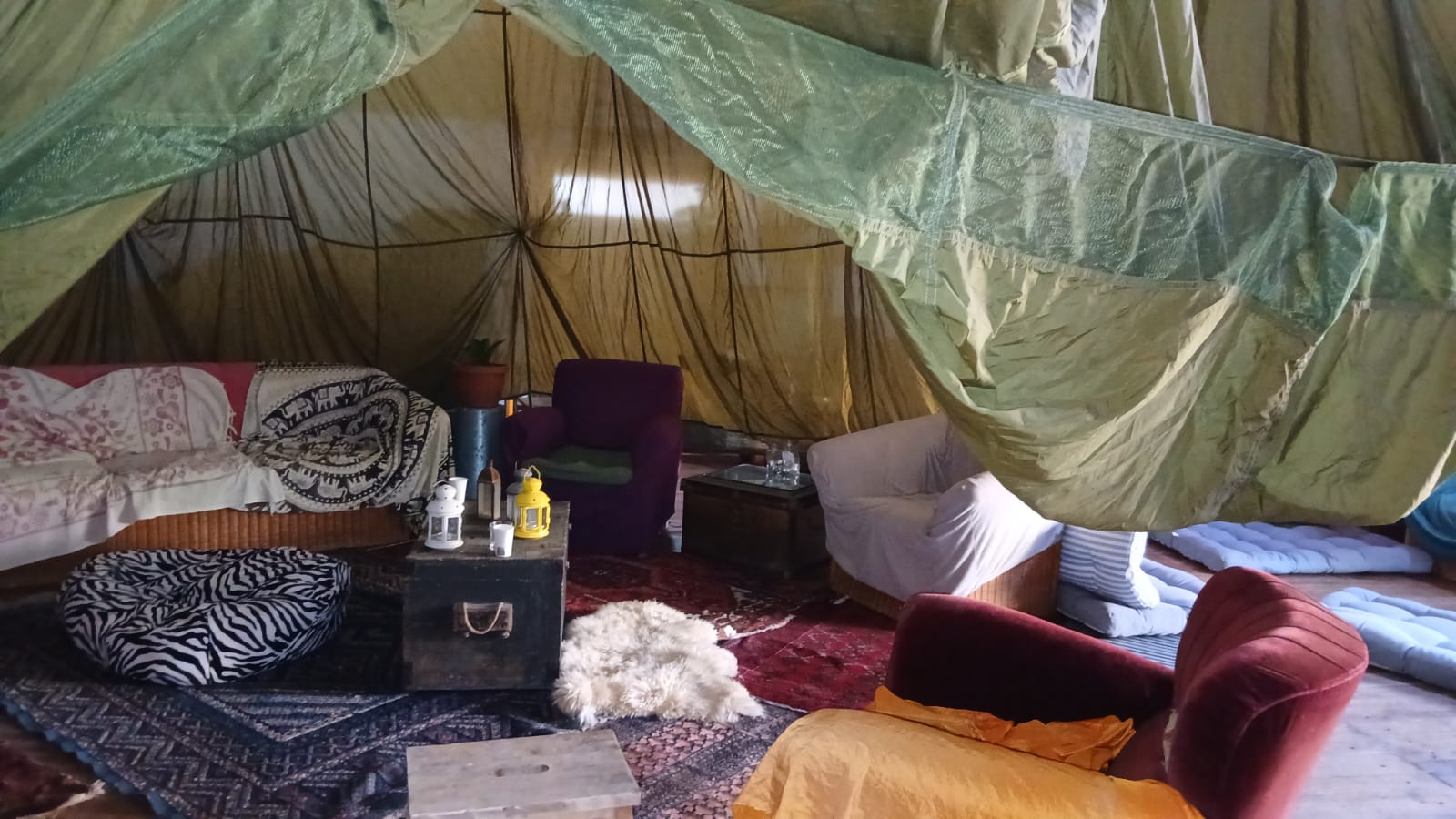
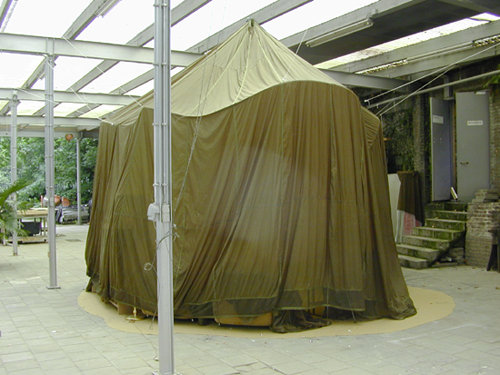
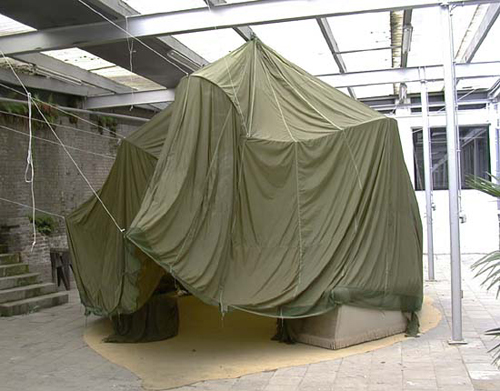
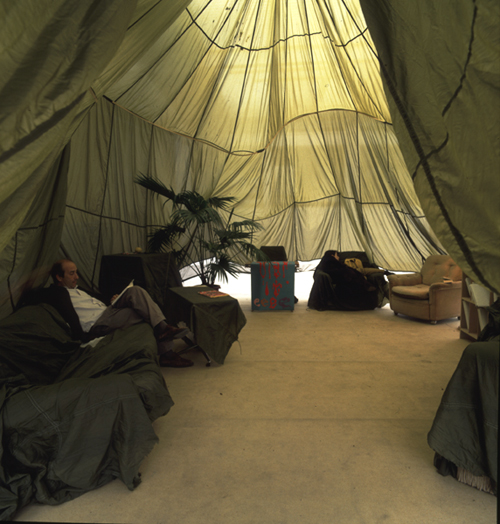


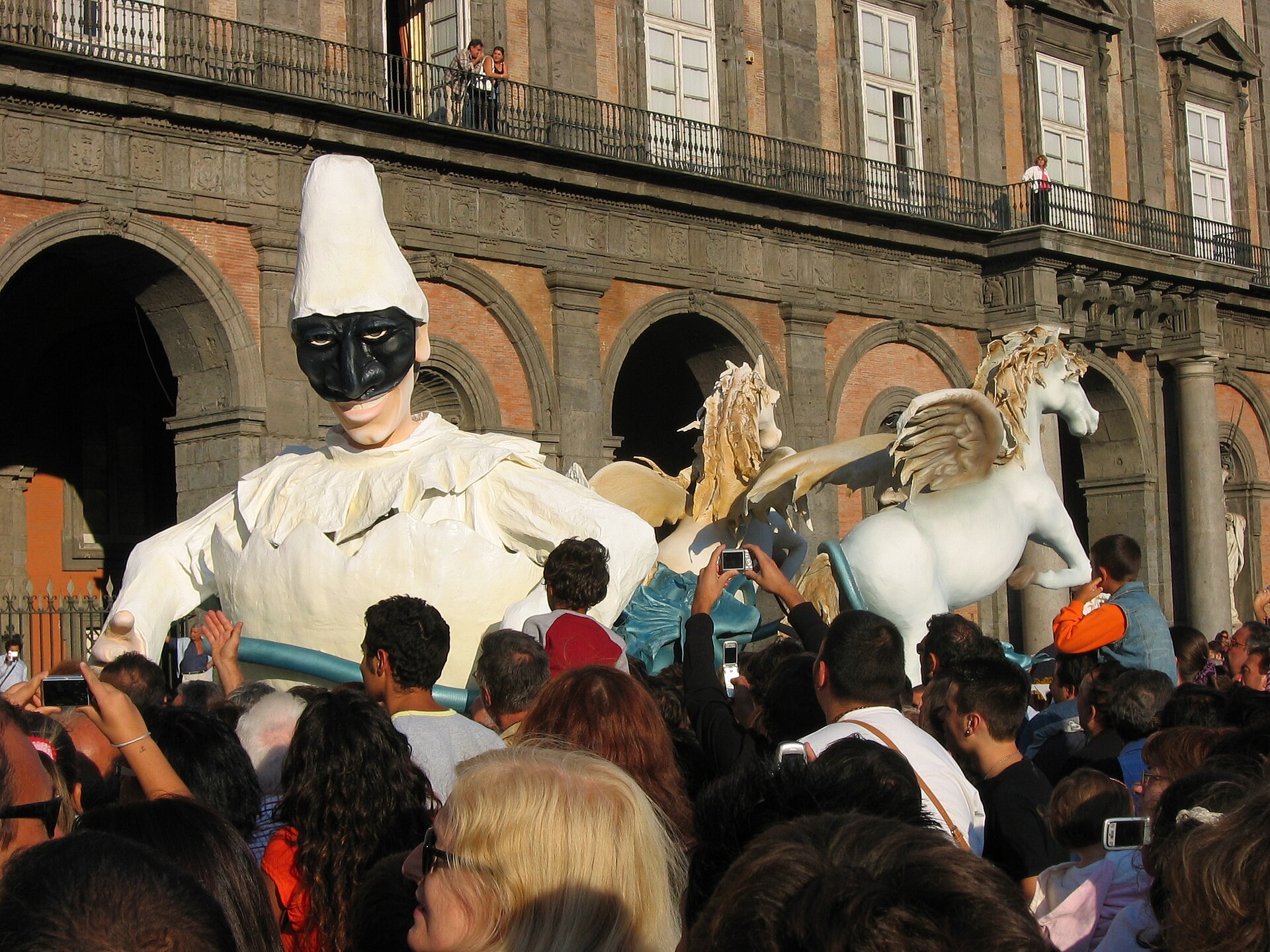


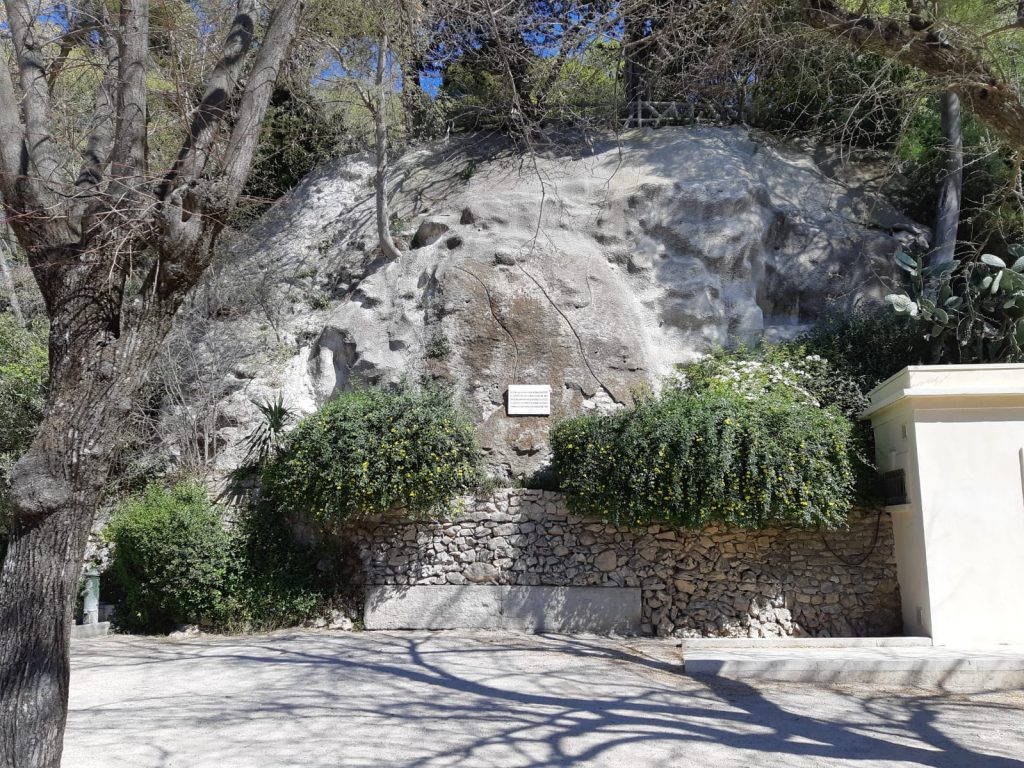
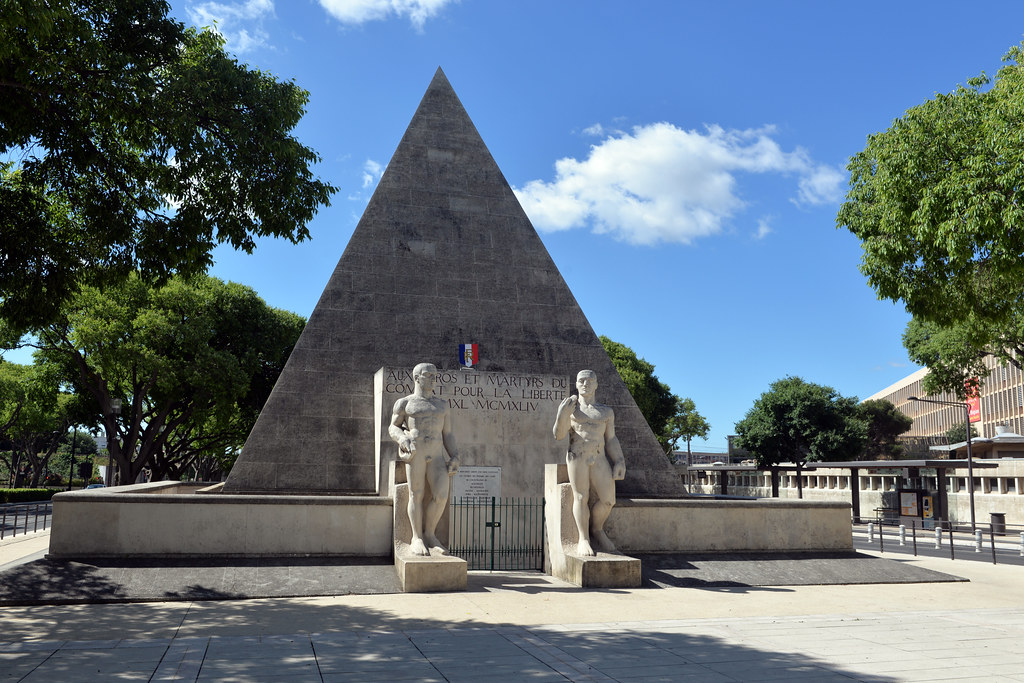 Le monument aux Martyrs de la Résistance, boulevard Jean Jaurès à Nîmes (Photo Stéphane Mahot, 2016).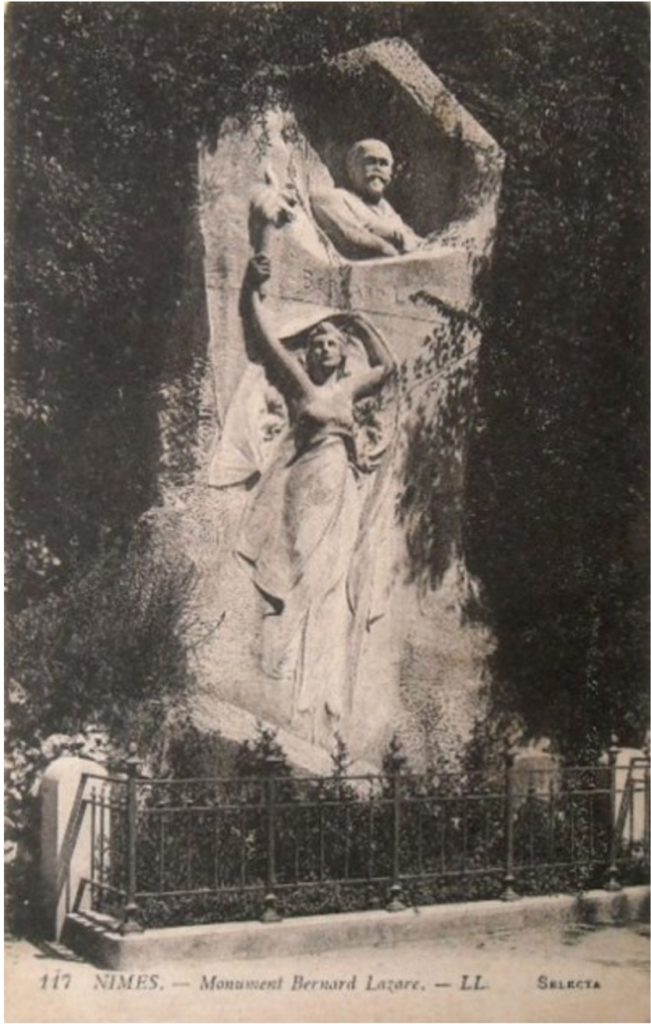
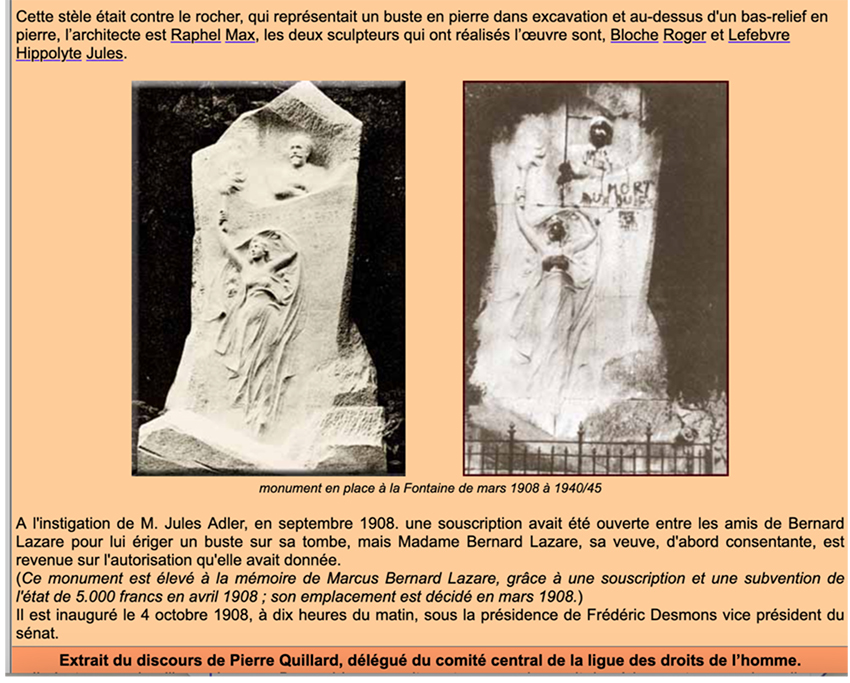 (D’après le site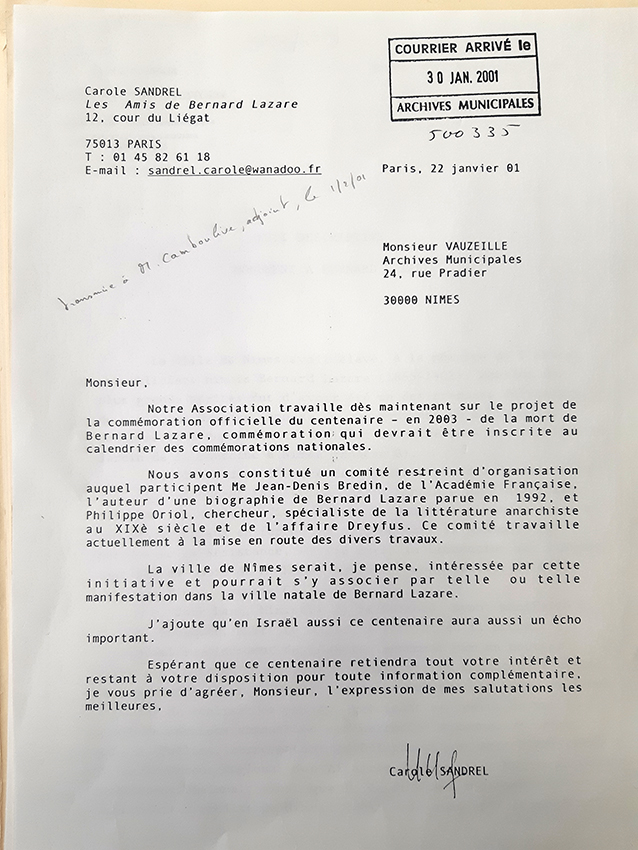
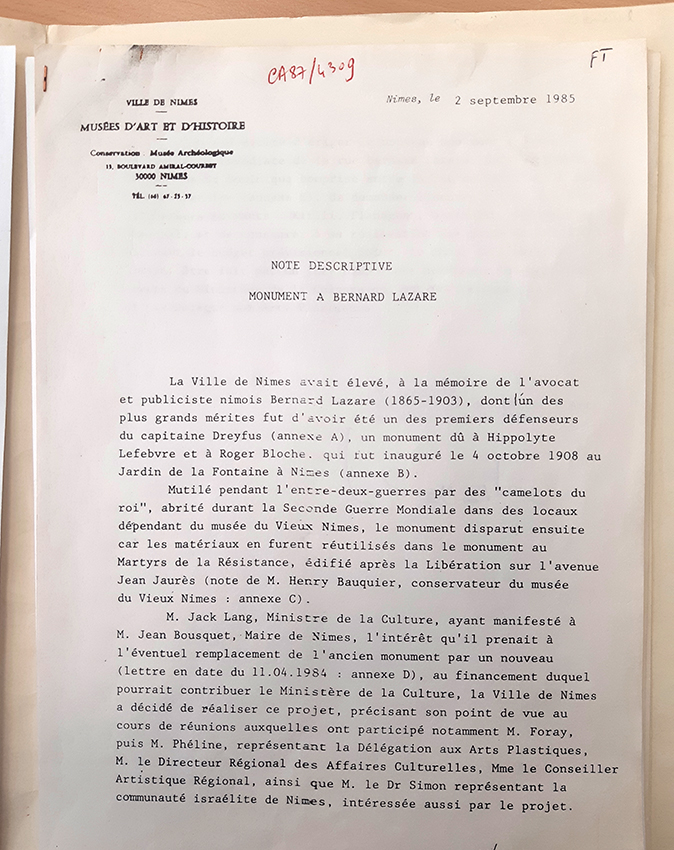
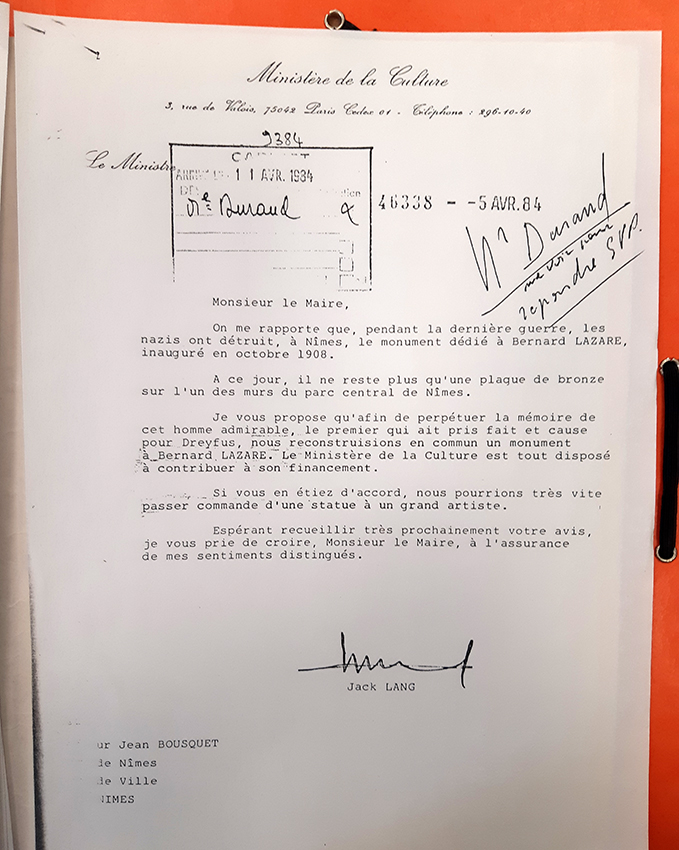
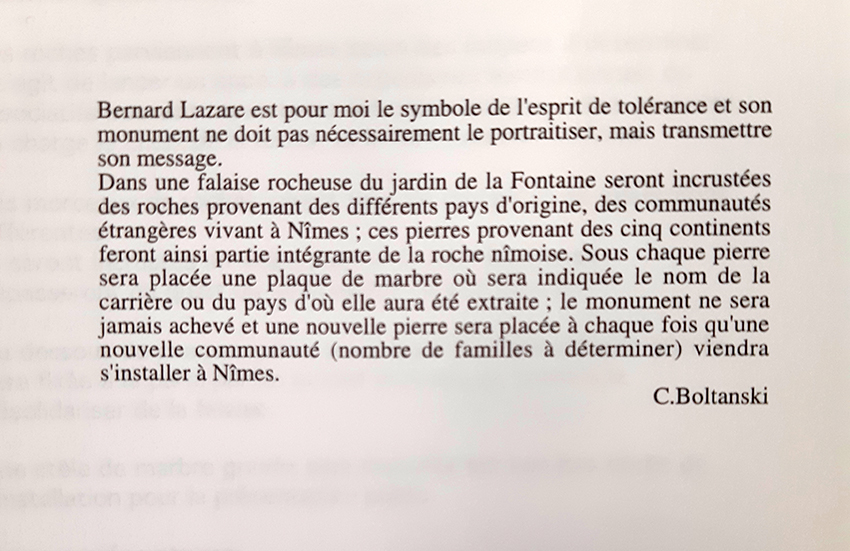
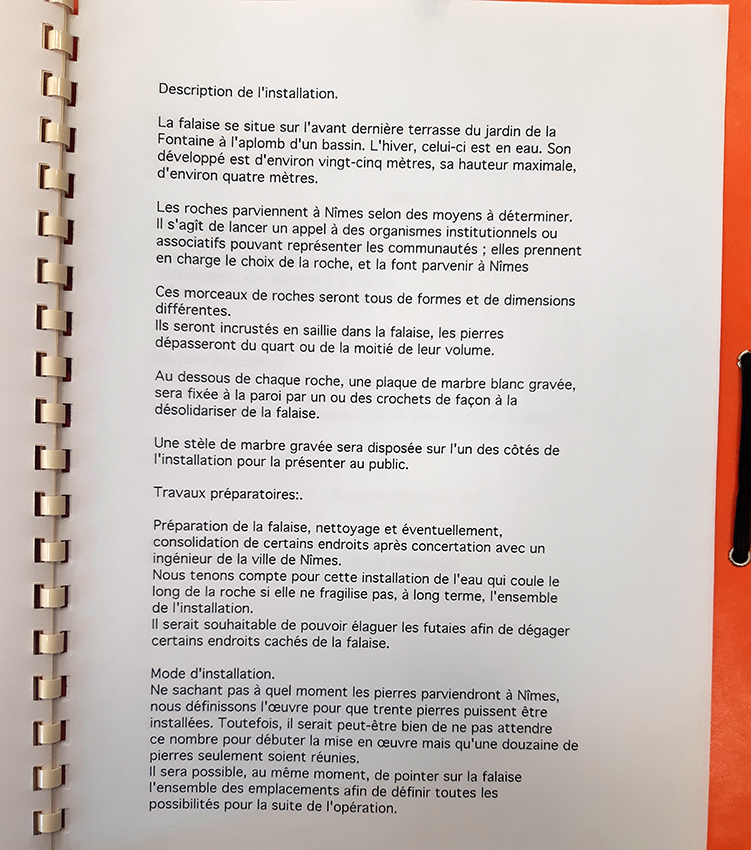

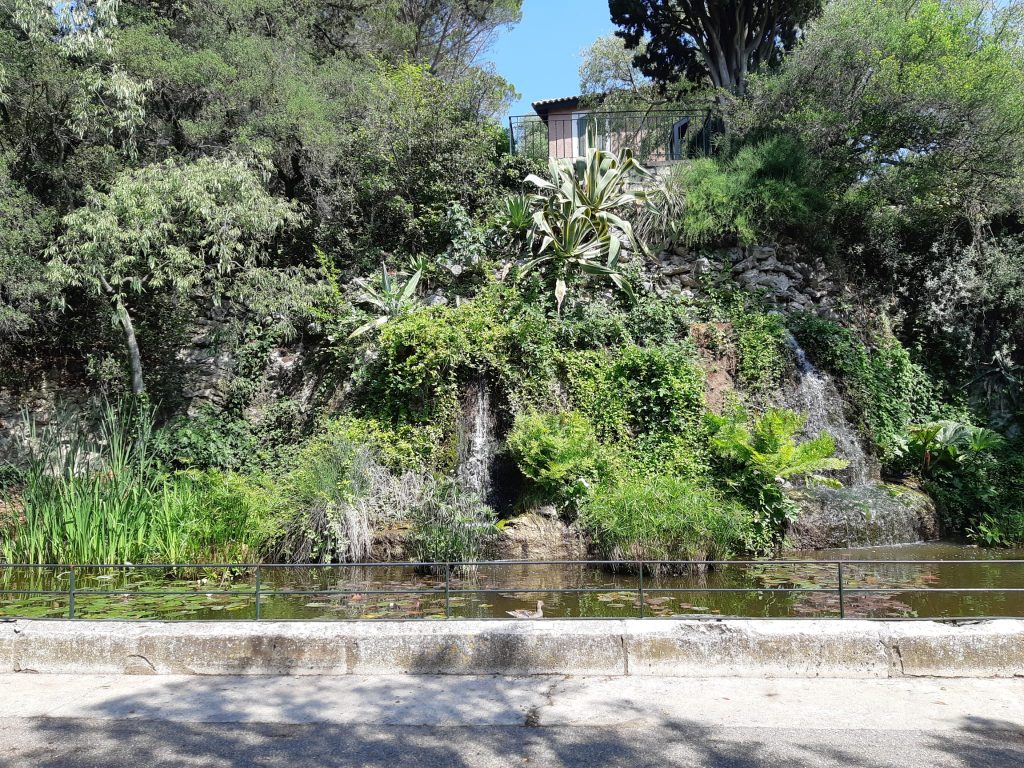
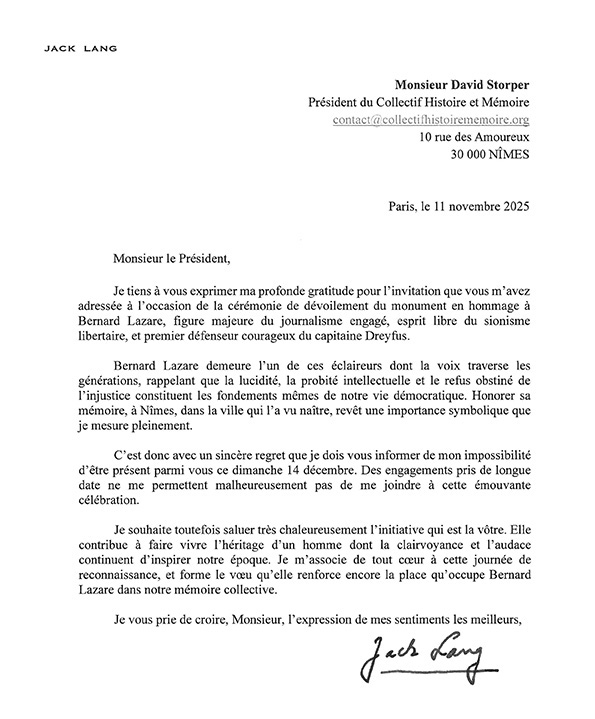
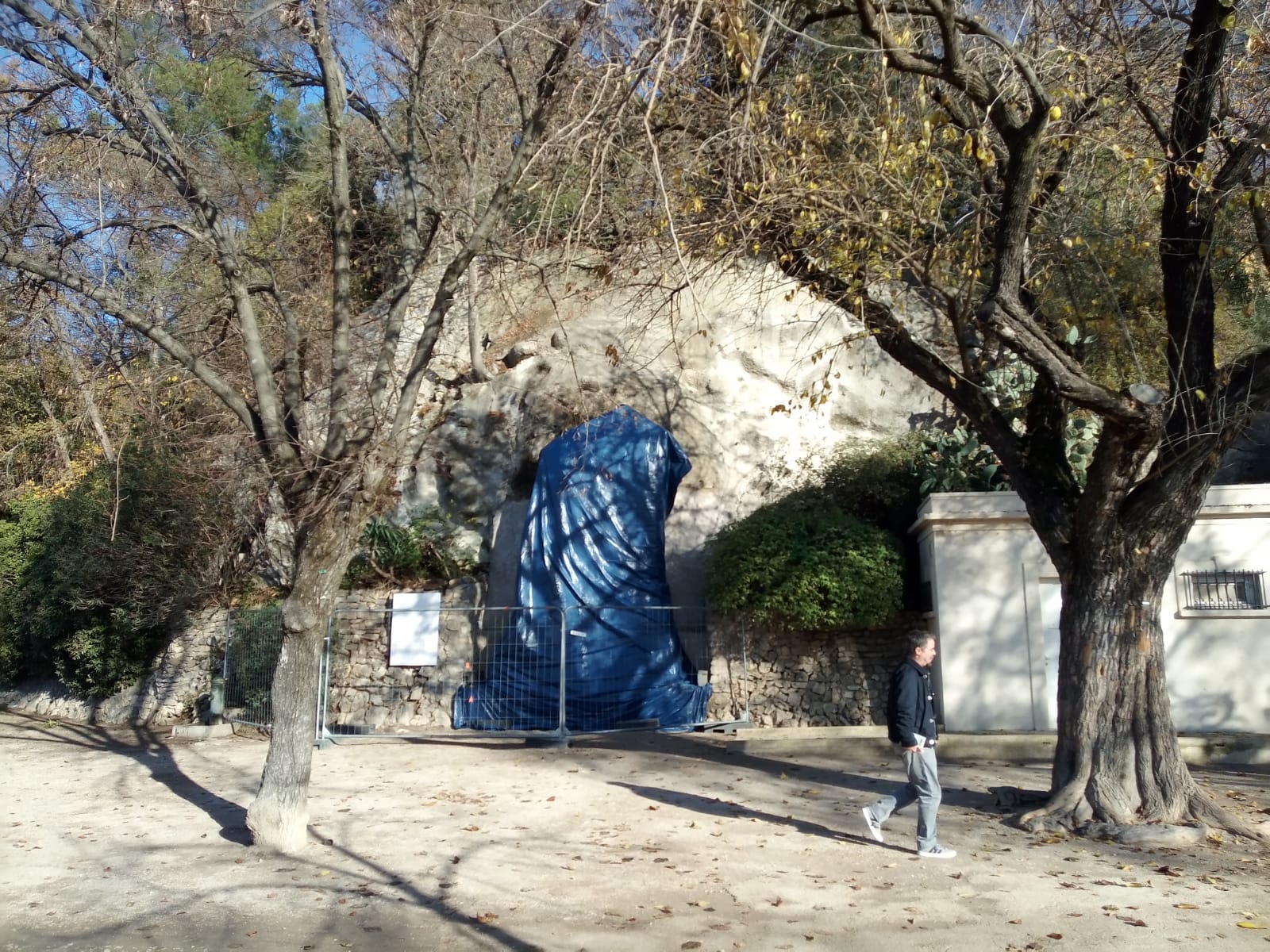
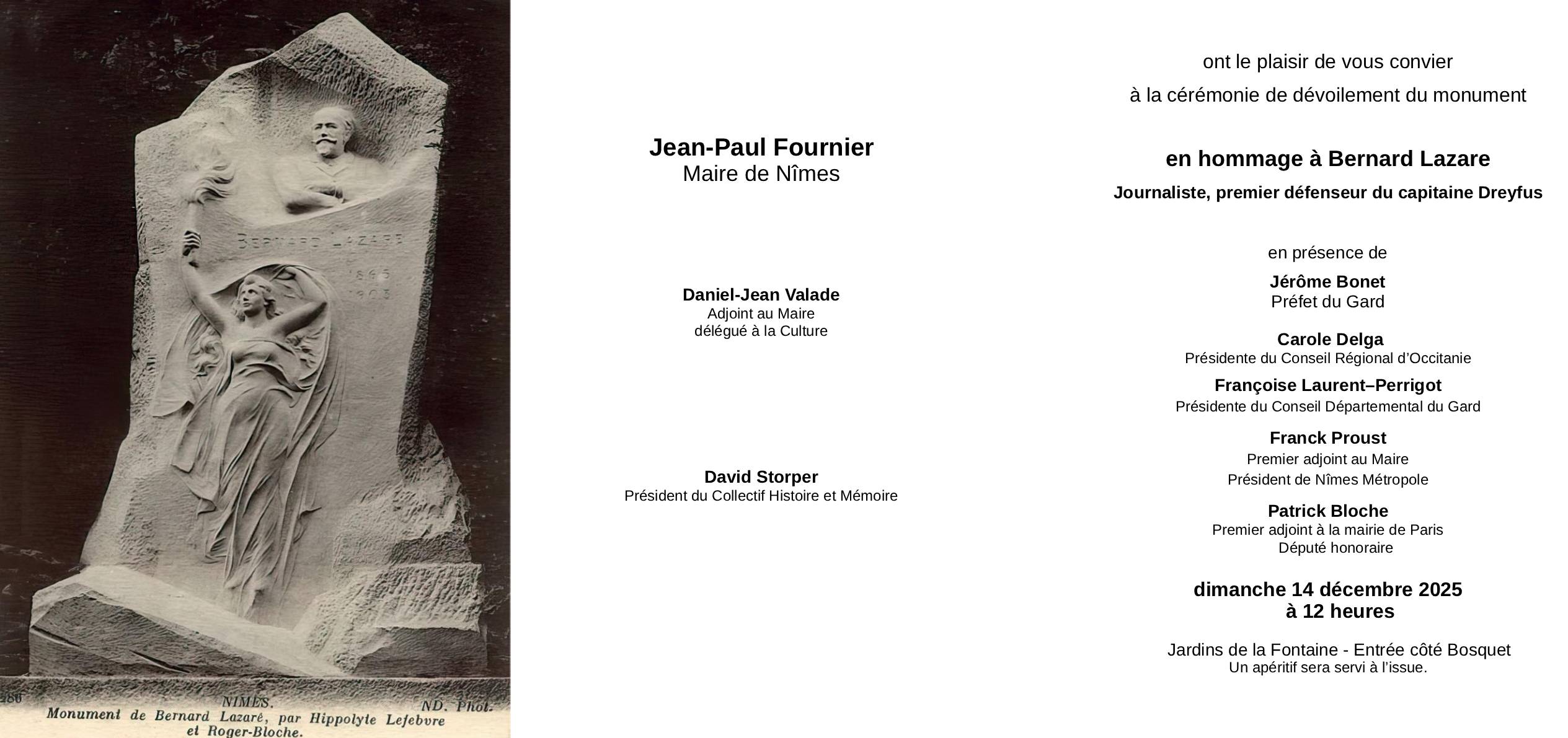
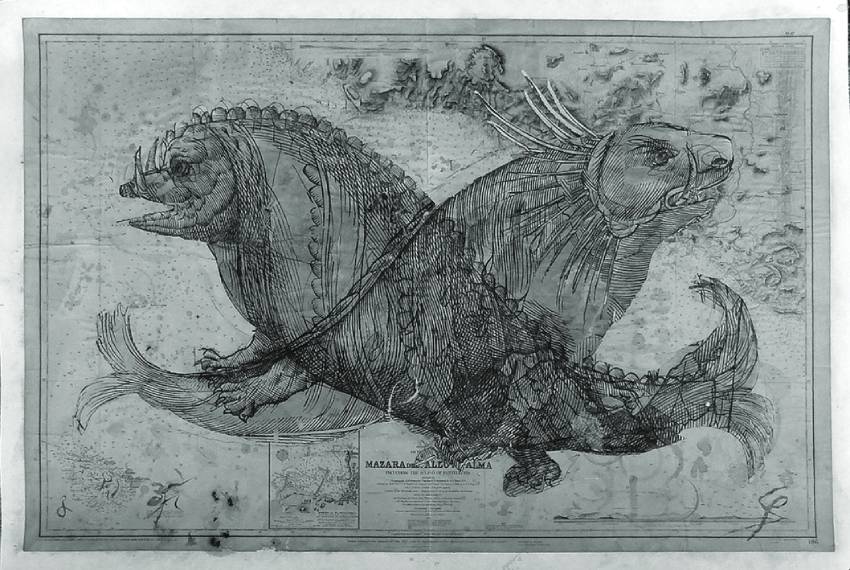
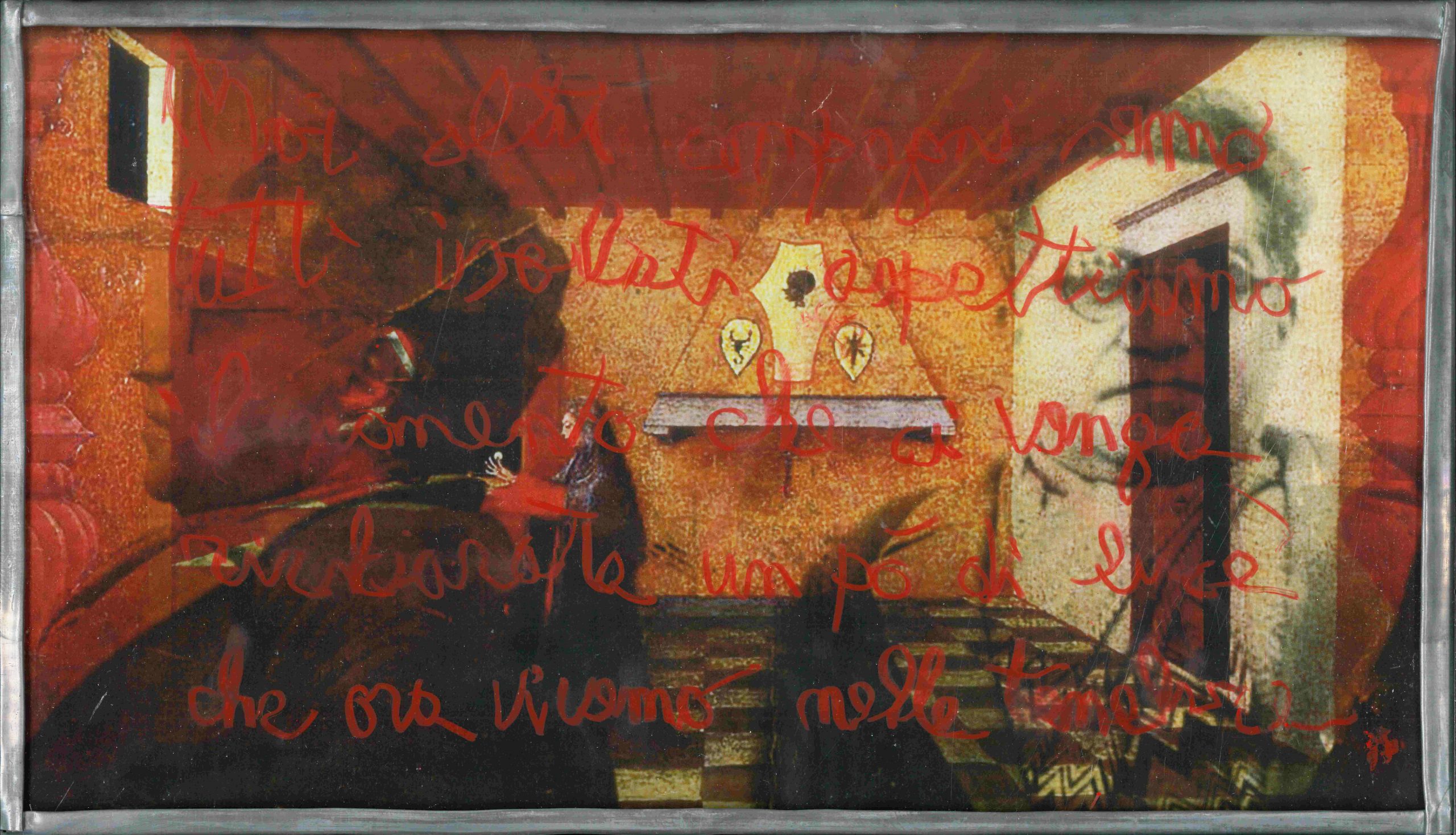
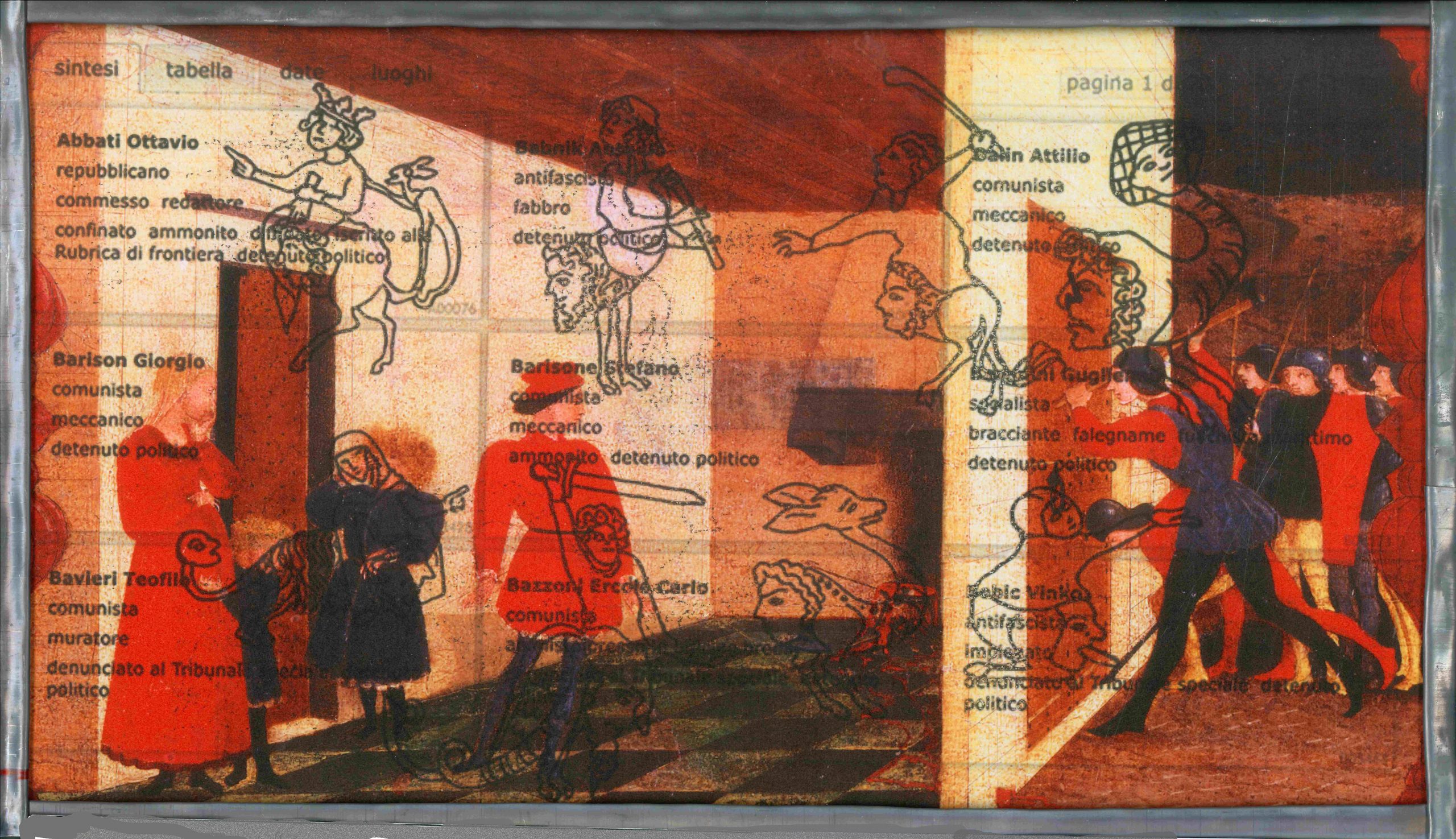
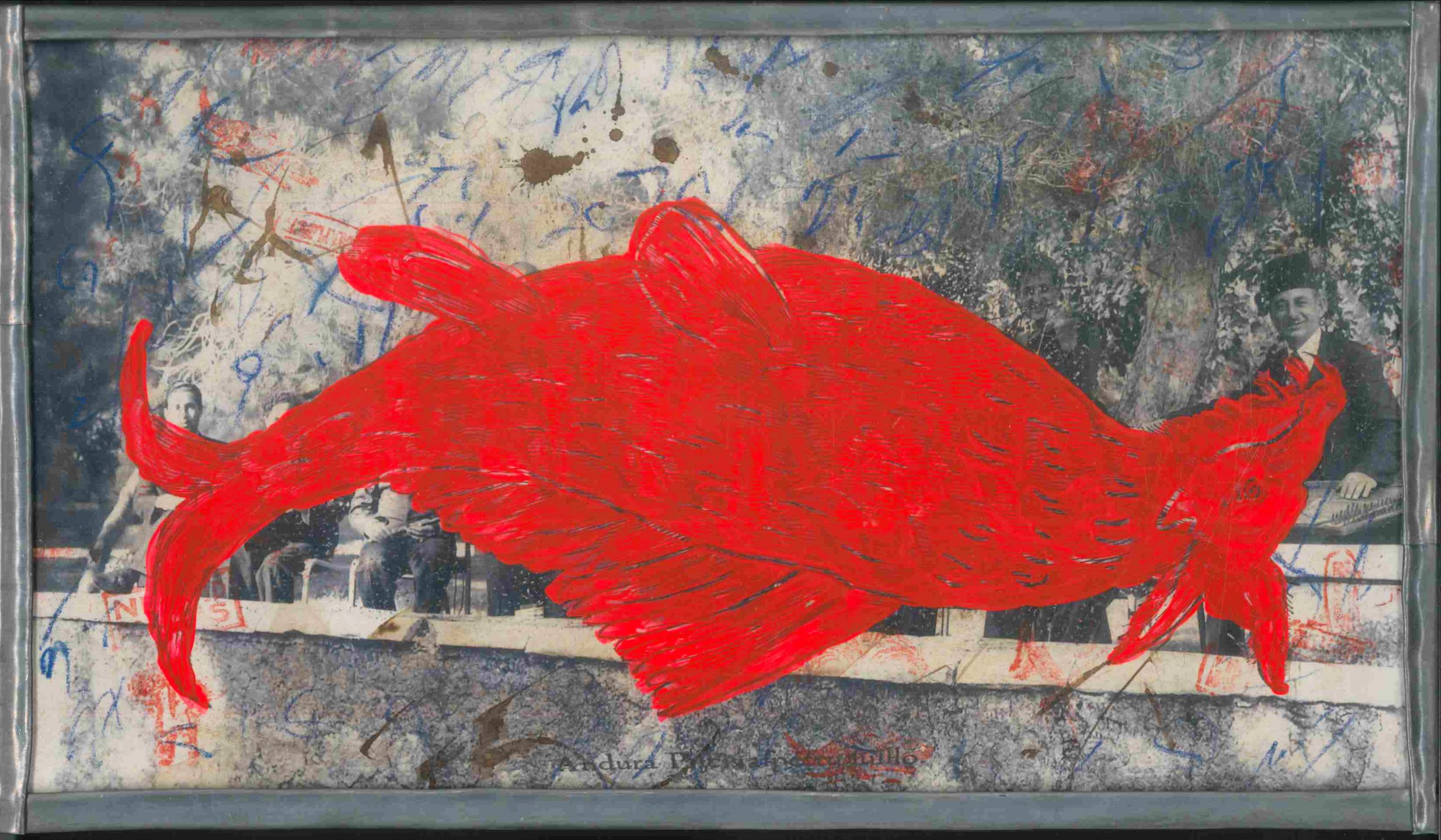
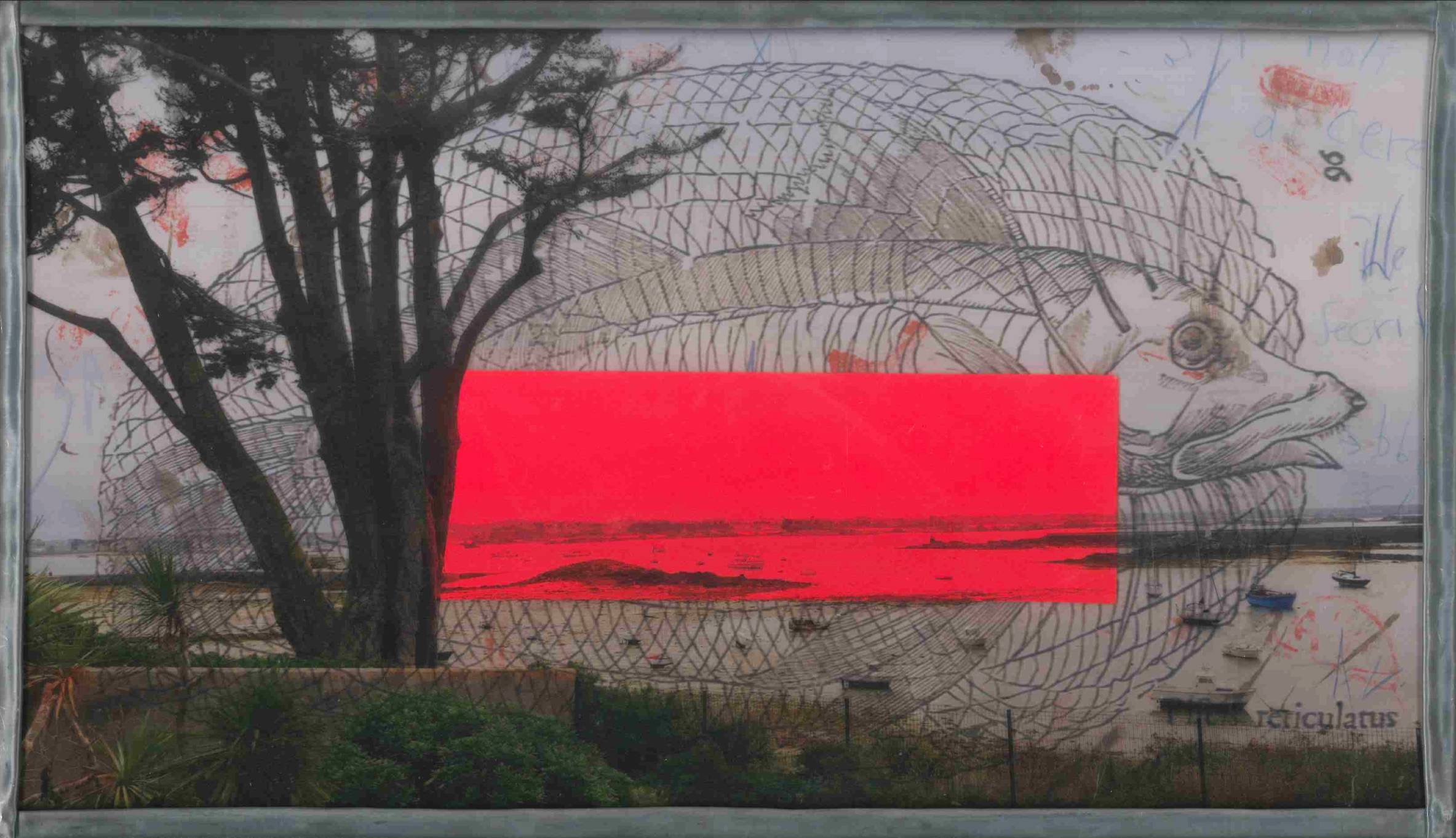
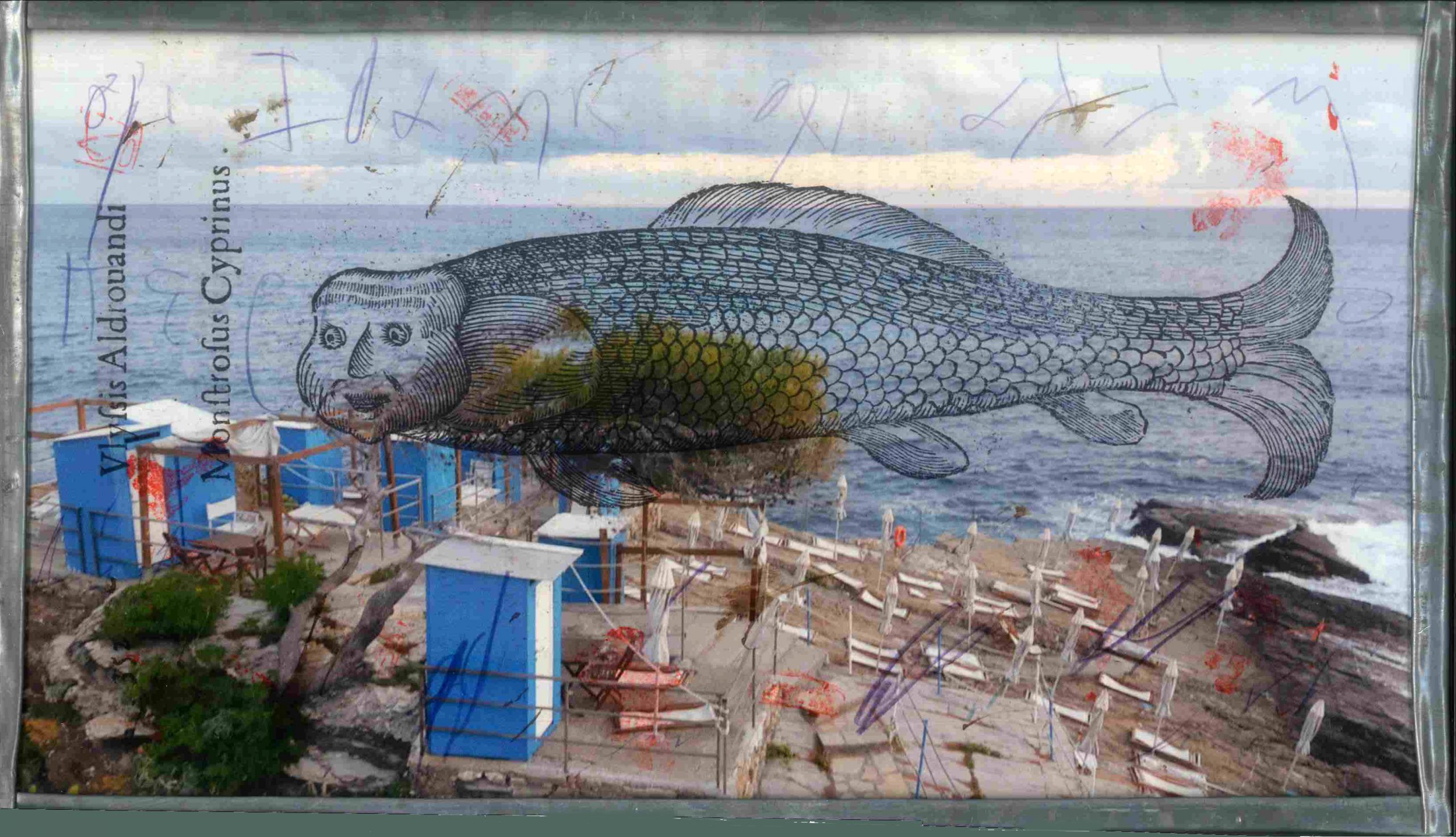
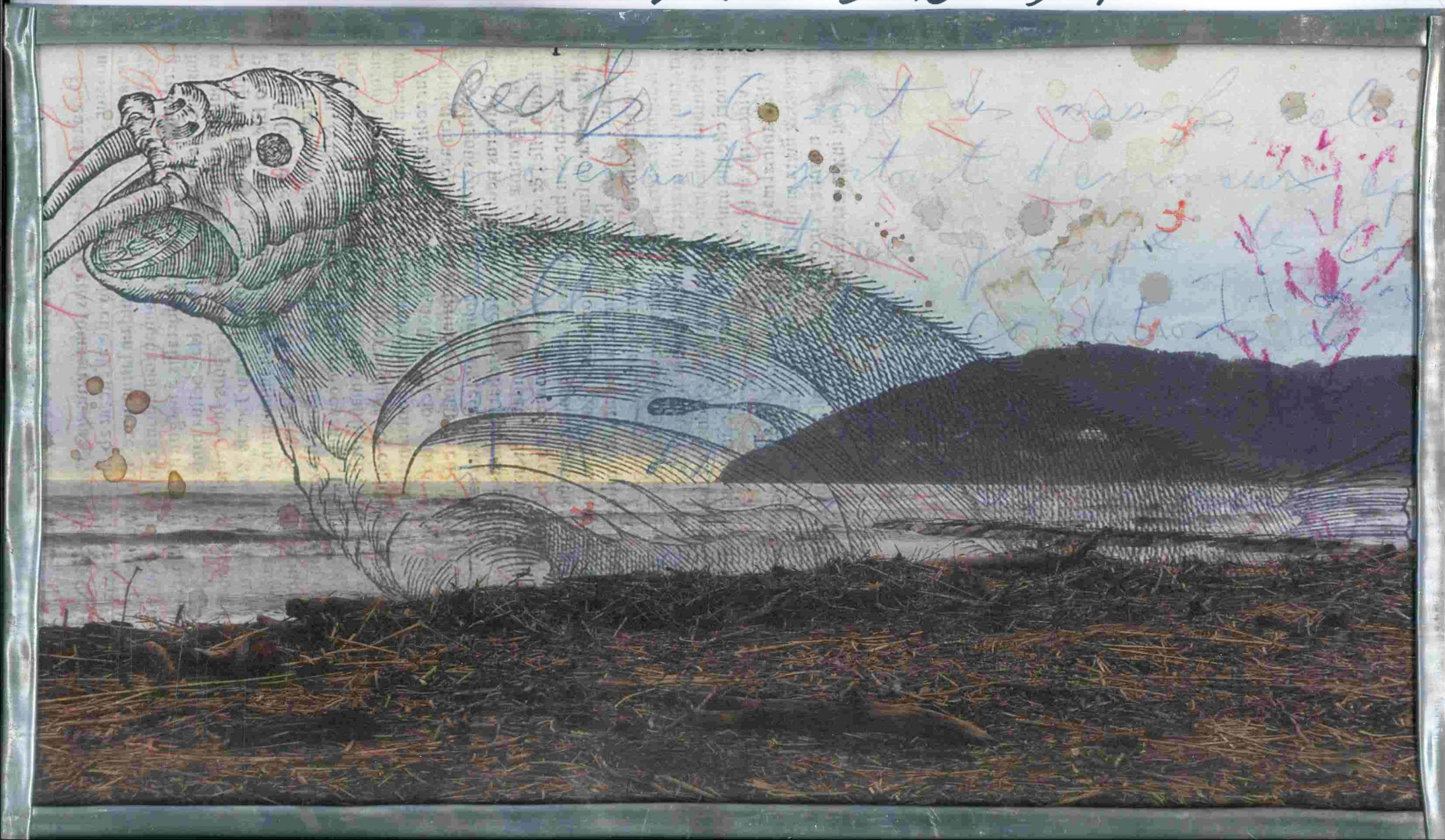
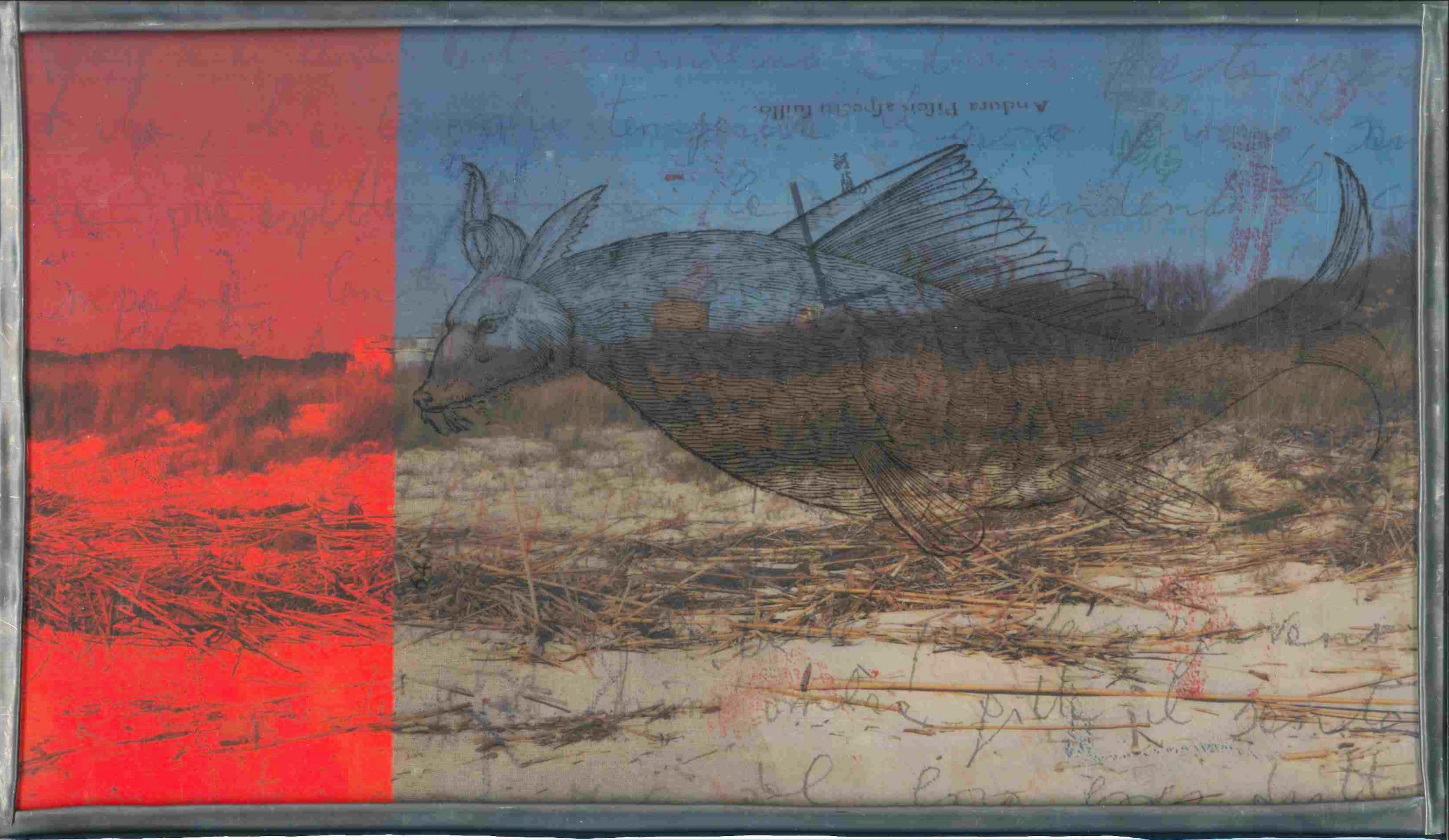
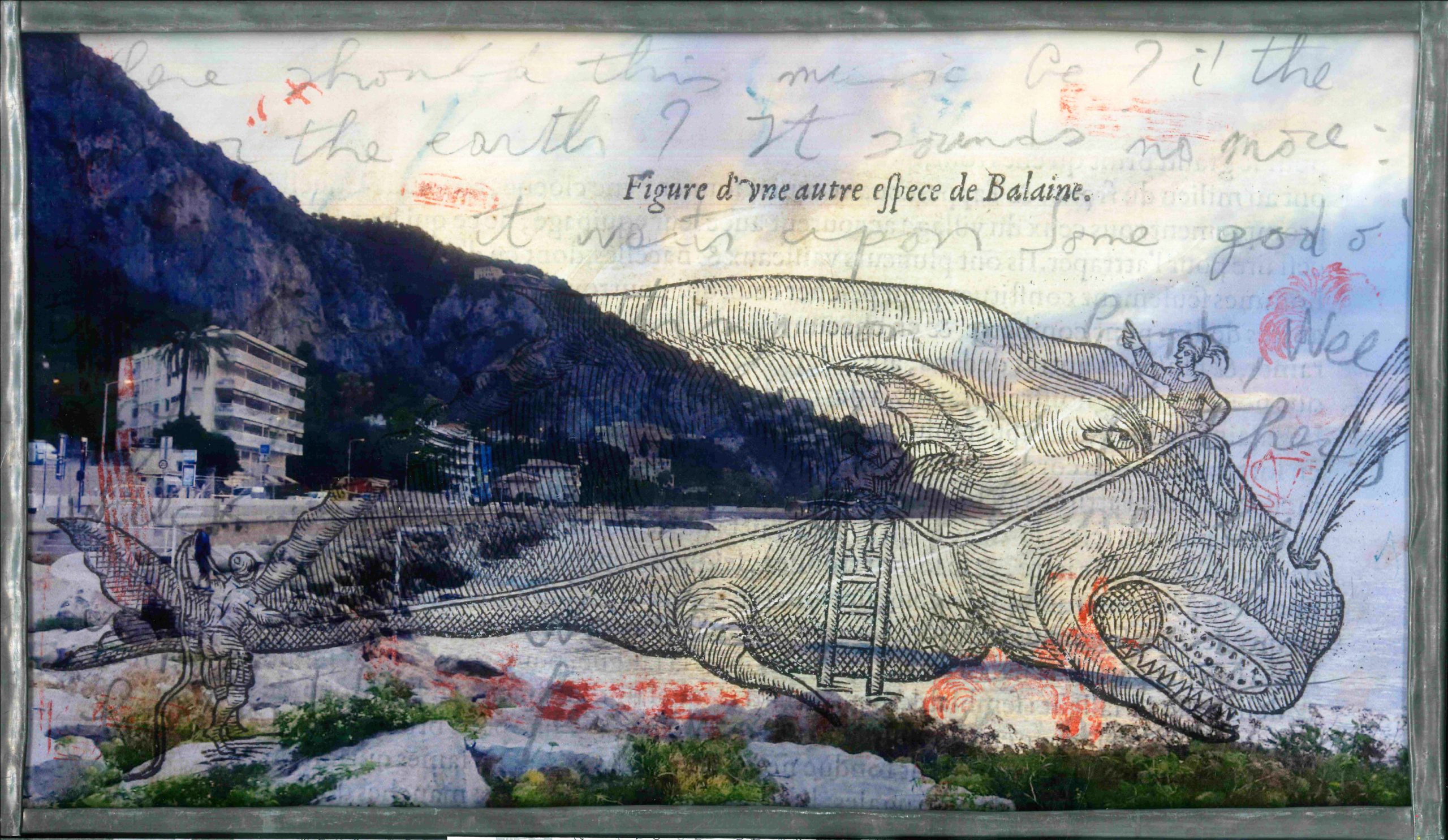
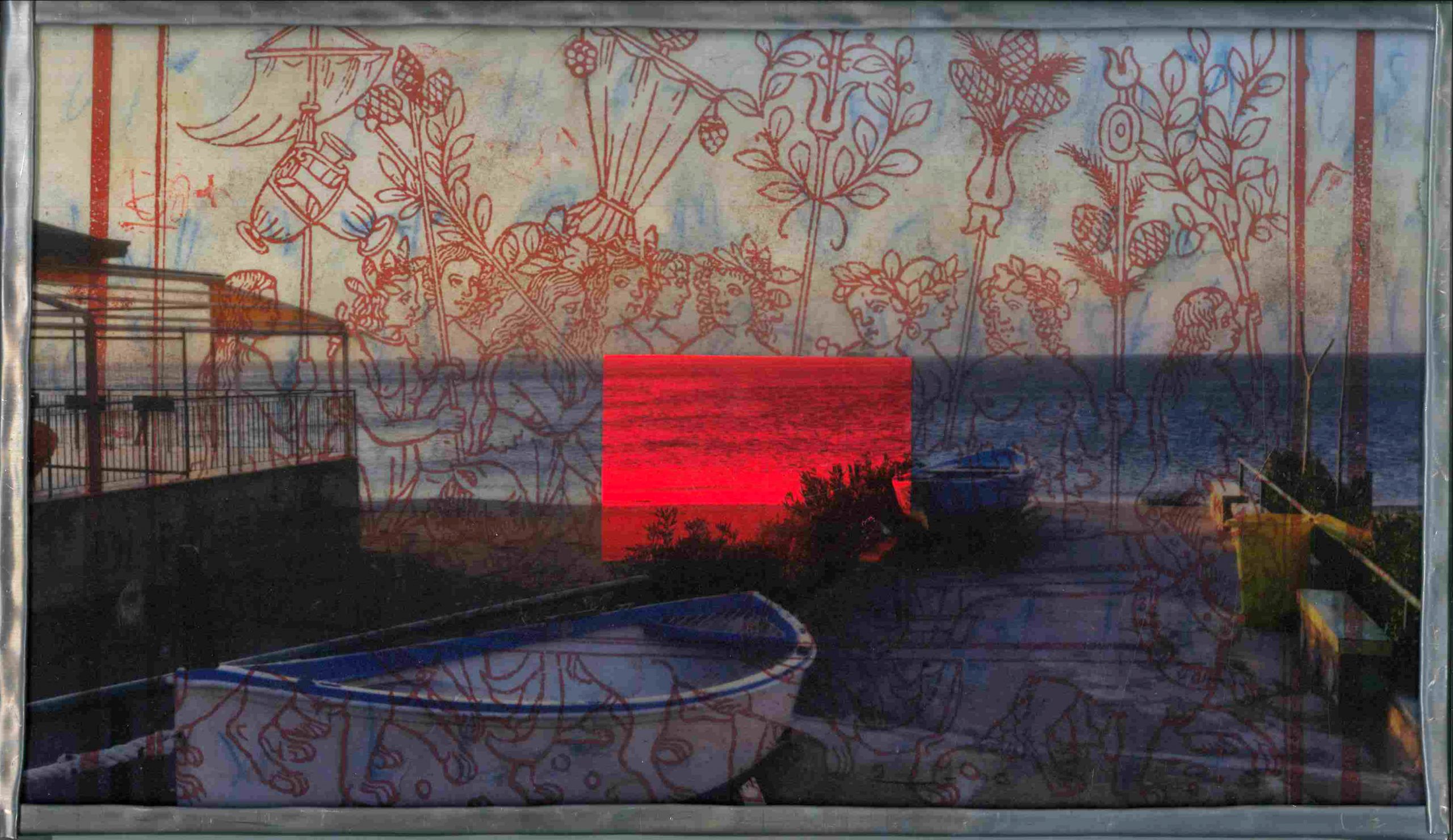
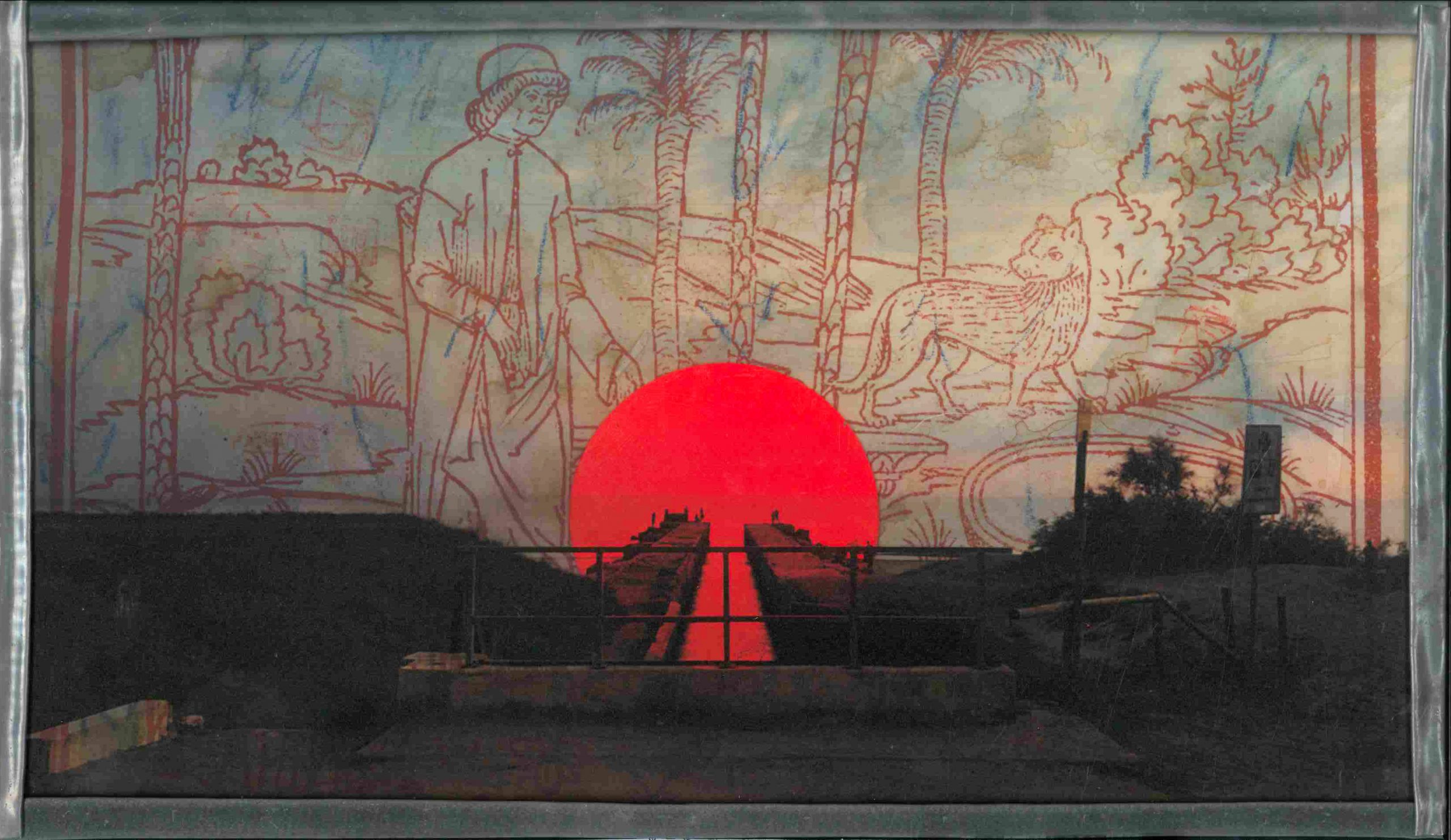
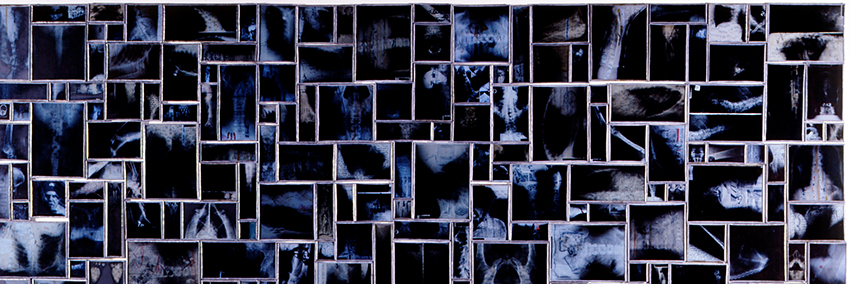
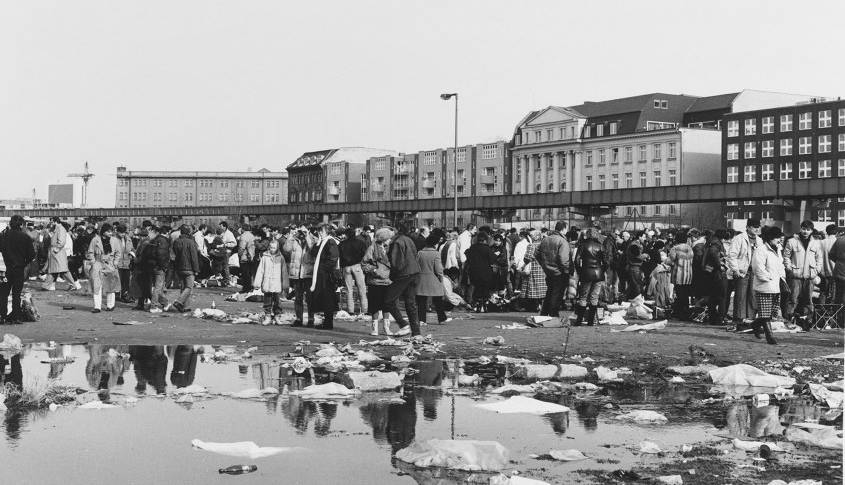


 .
.

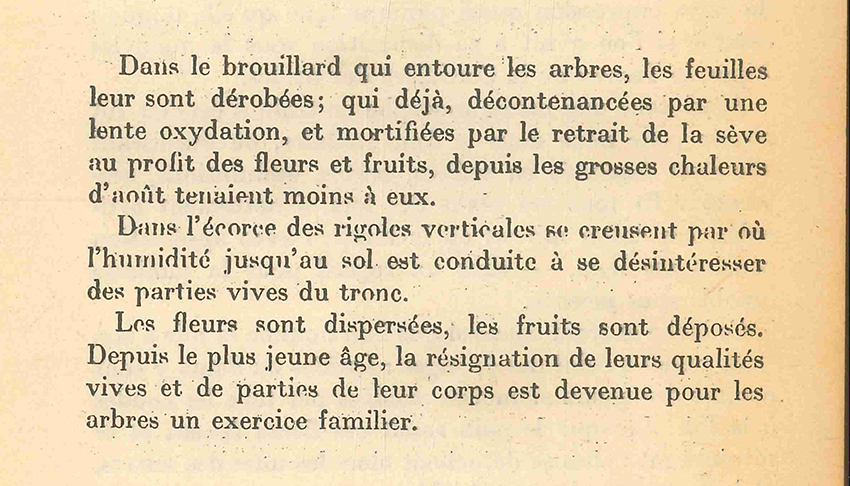
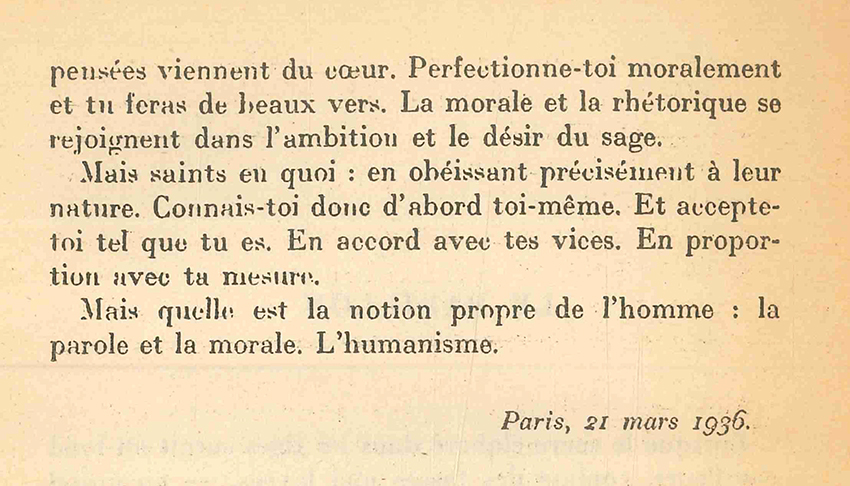
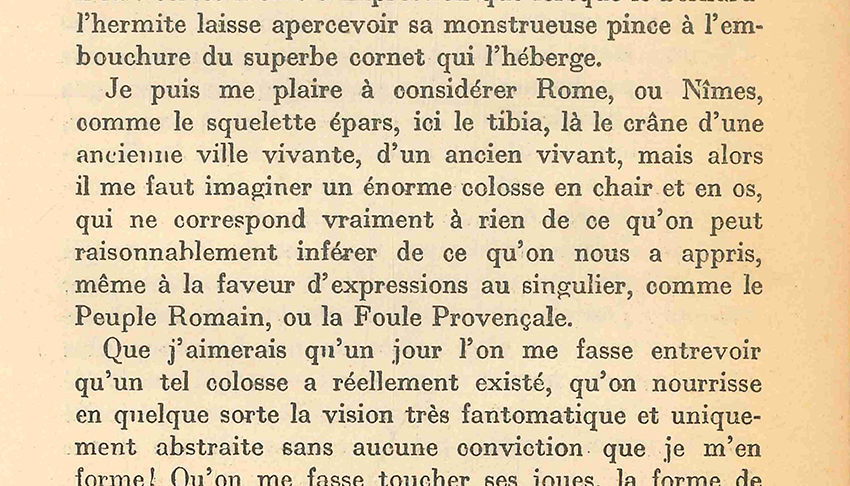
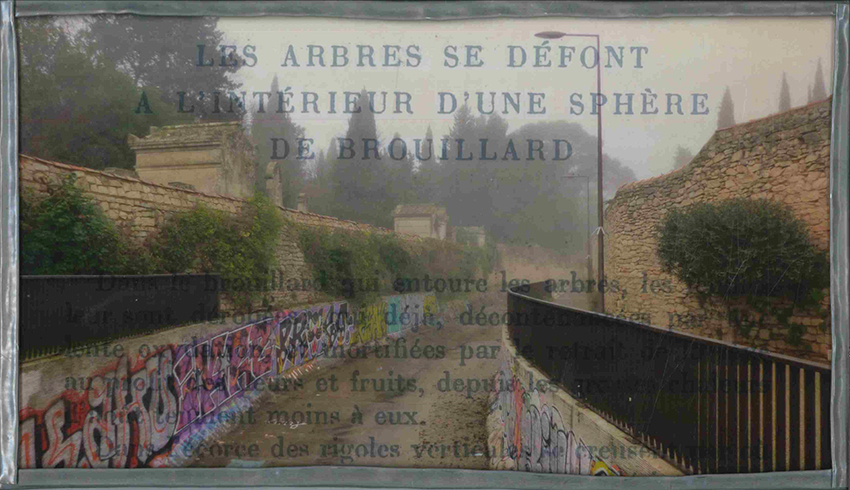 Ponge 01, 24×42, 2022.
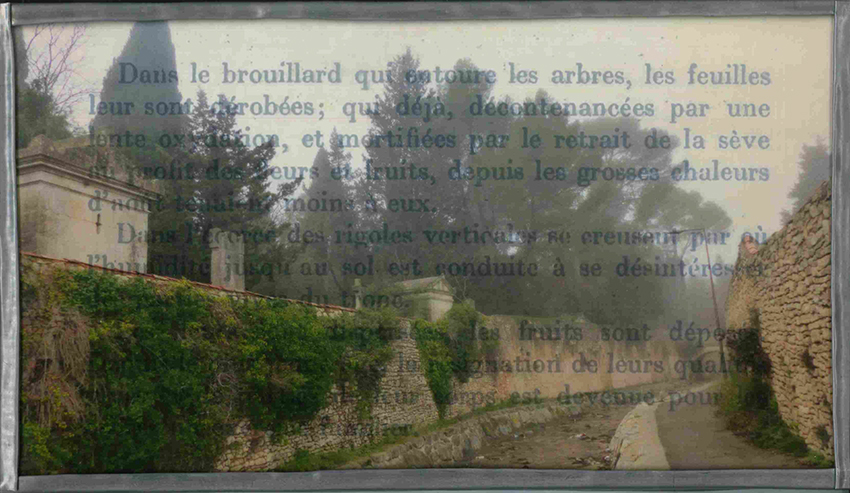 Ponge 02, 24×42, 2022.
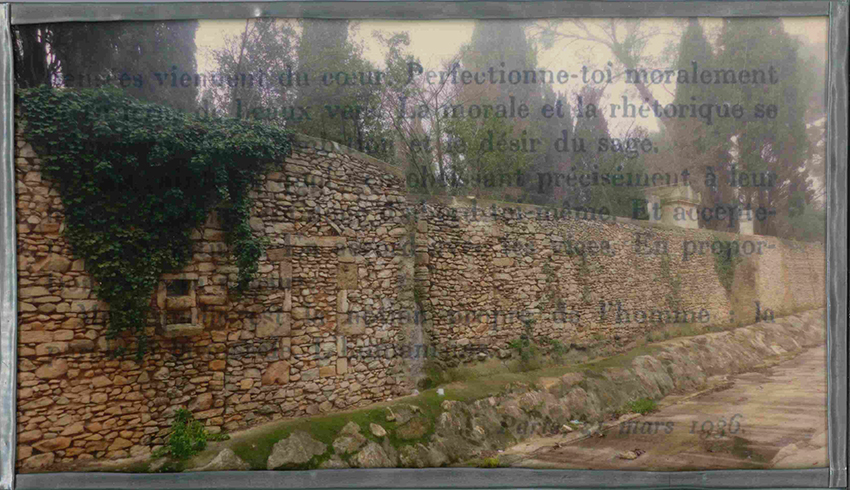 Ponge 03, 24×42, 2022.
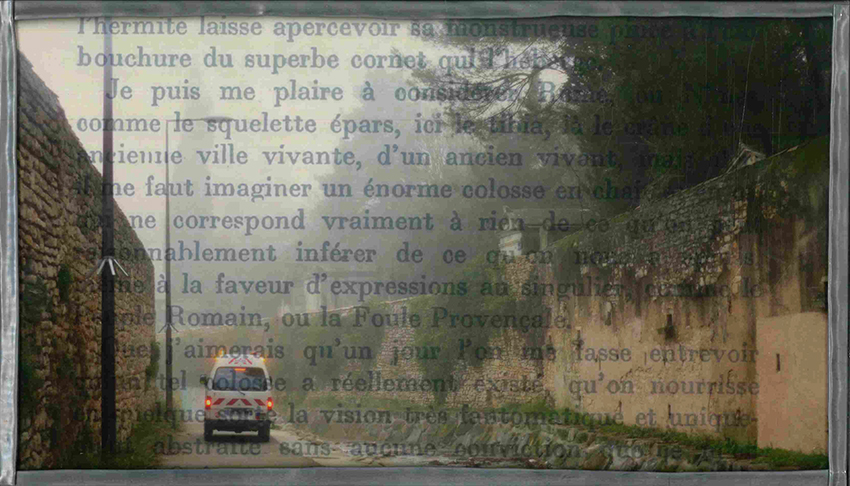 Ponge 04, 24×42, 2022.
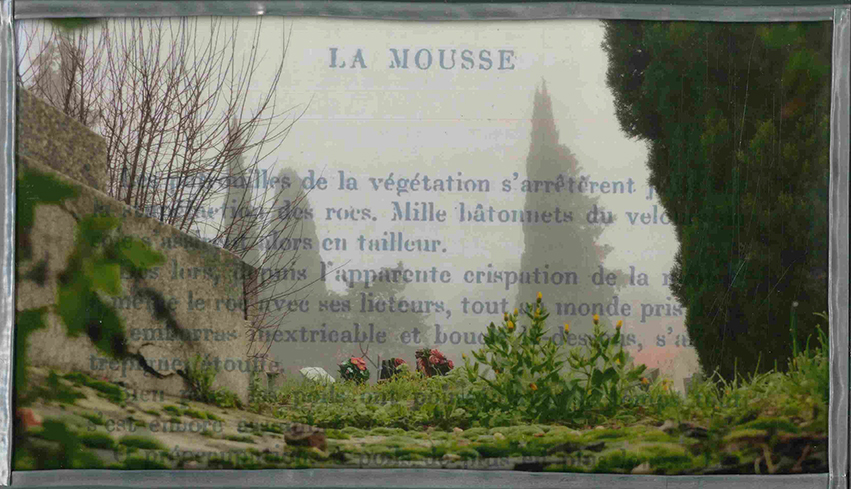 Ponge 05, 24×42, 2022.
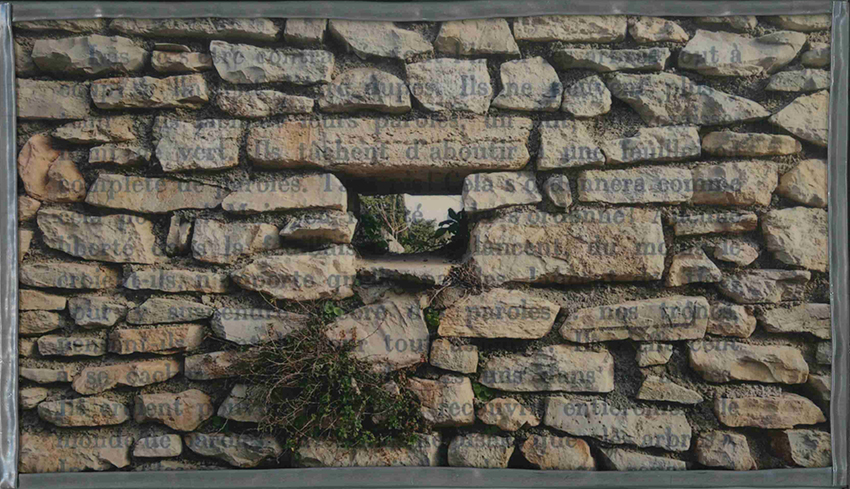 Ponge 06, 24×42, 2022.


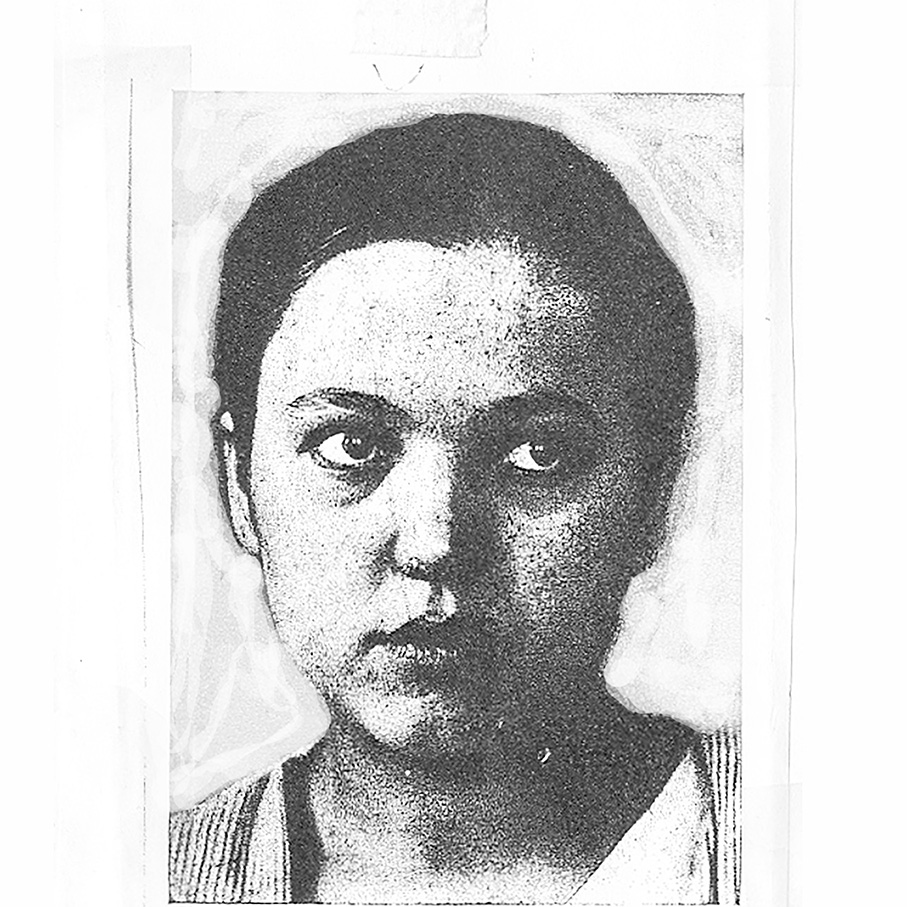
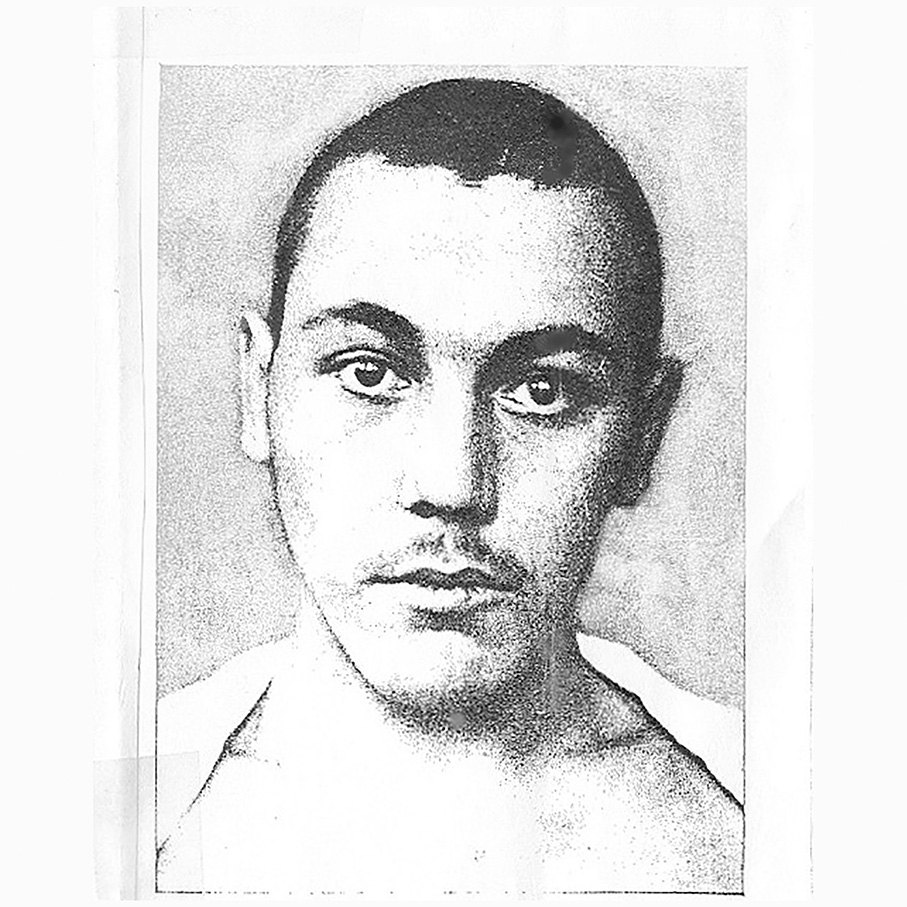
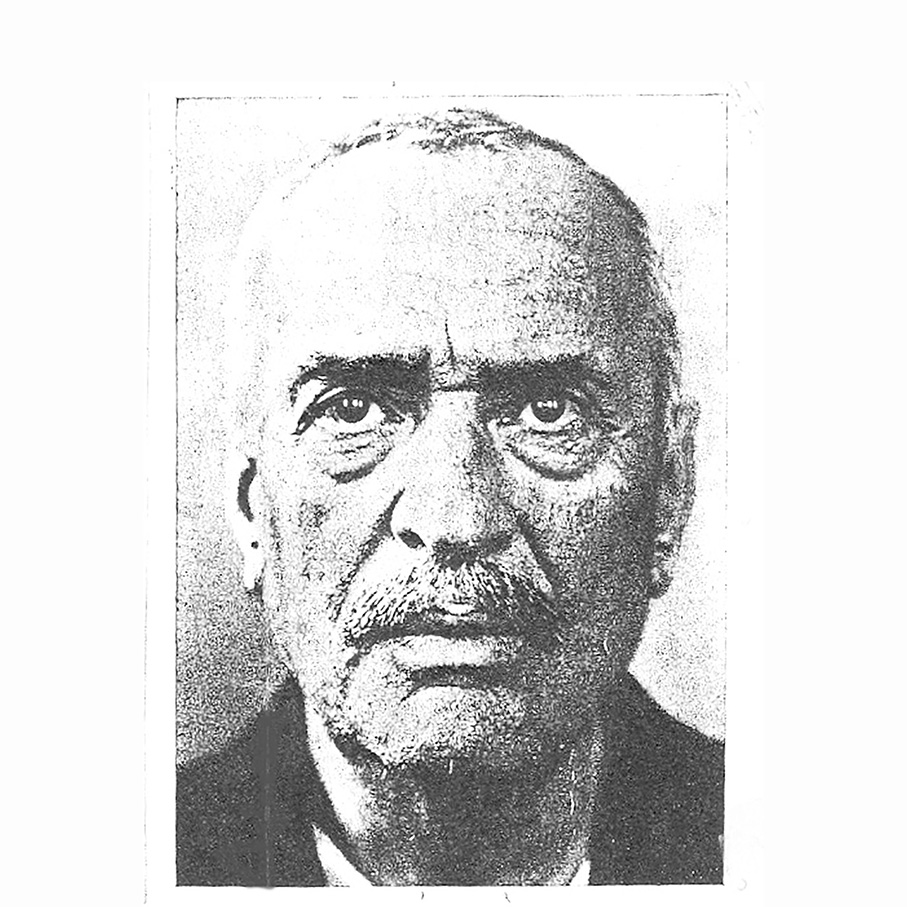
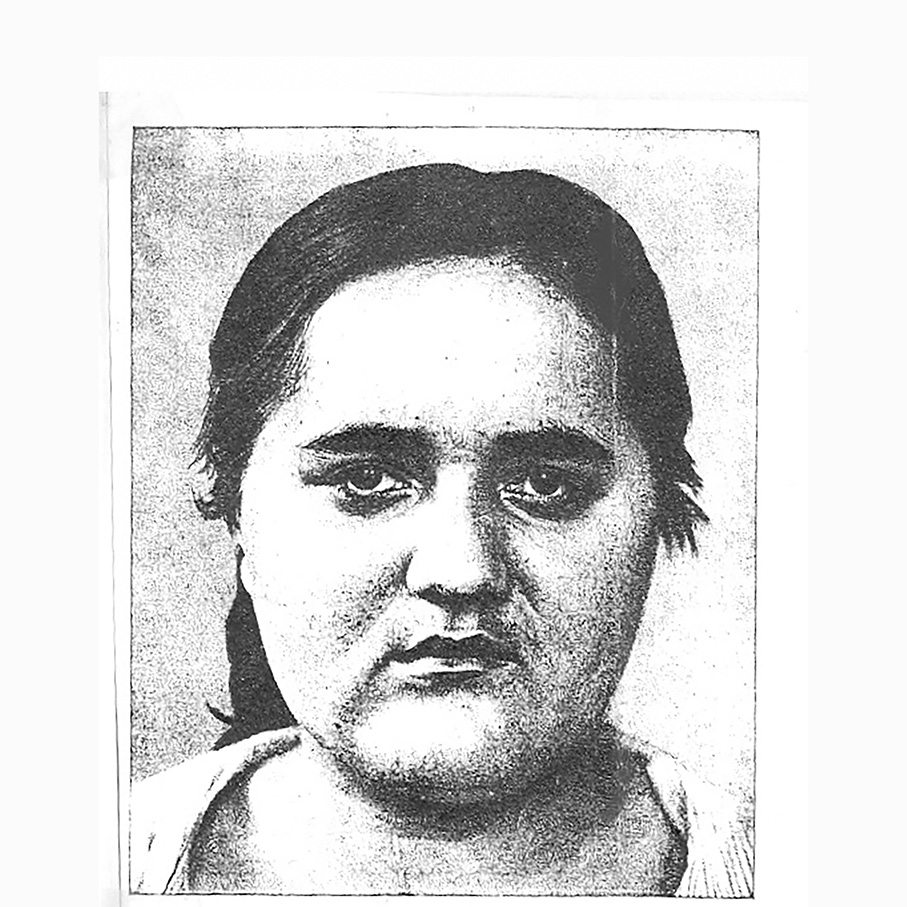


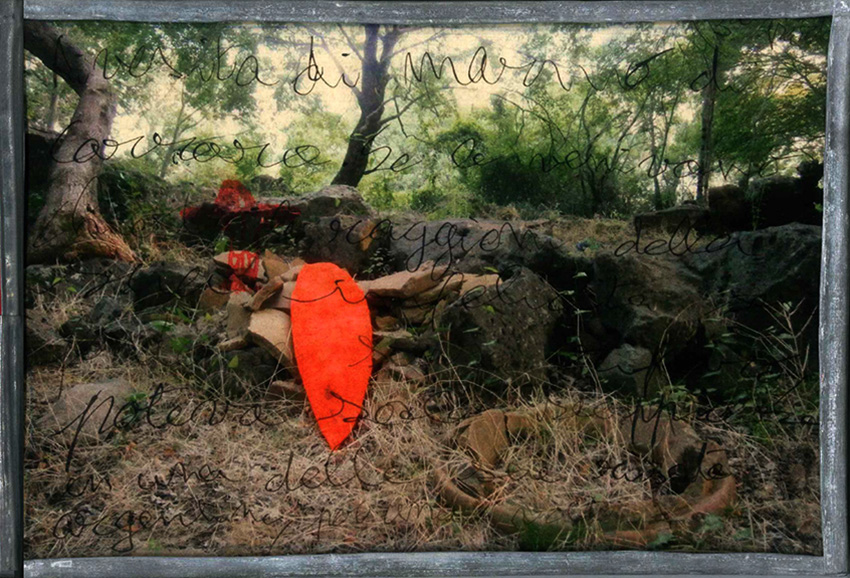


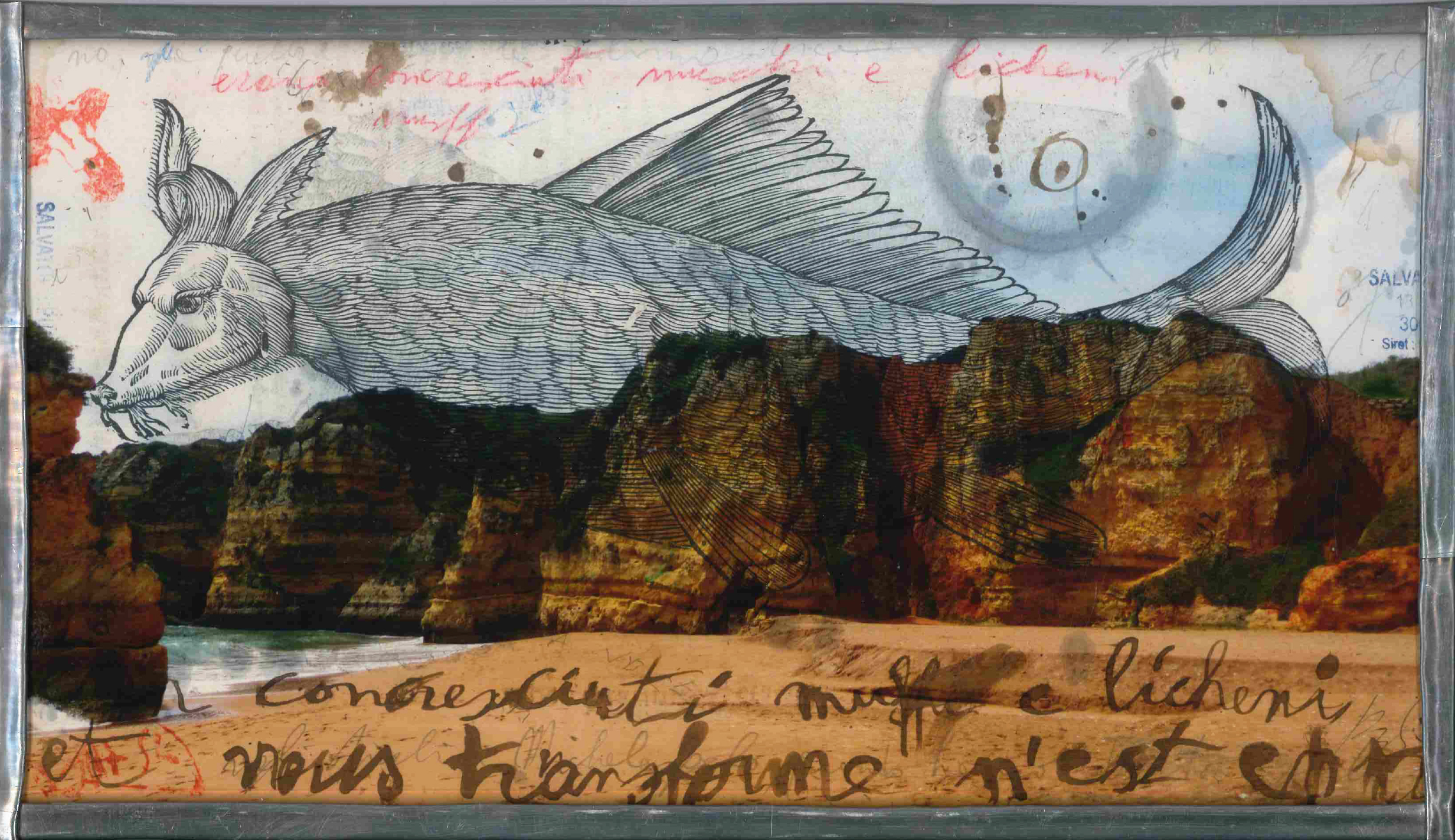
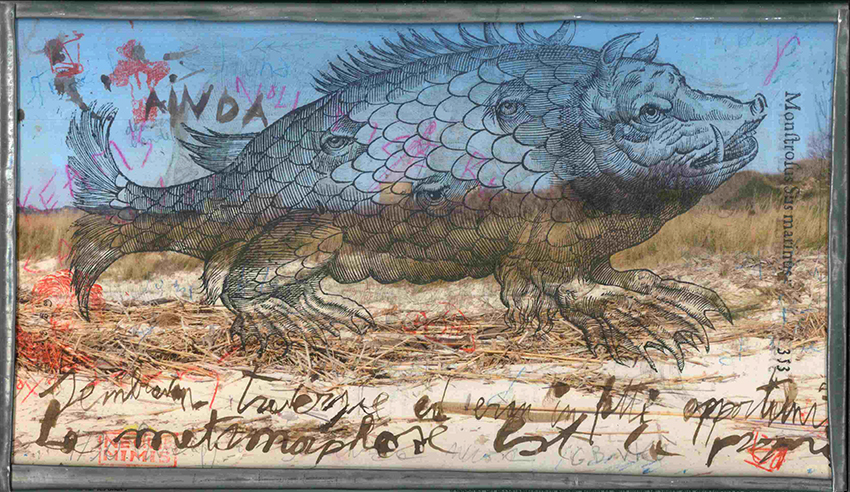
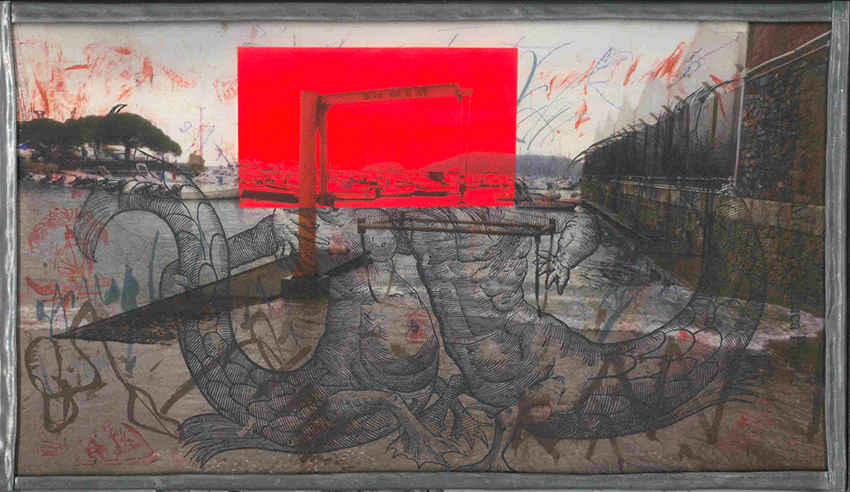

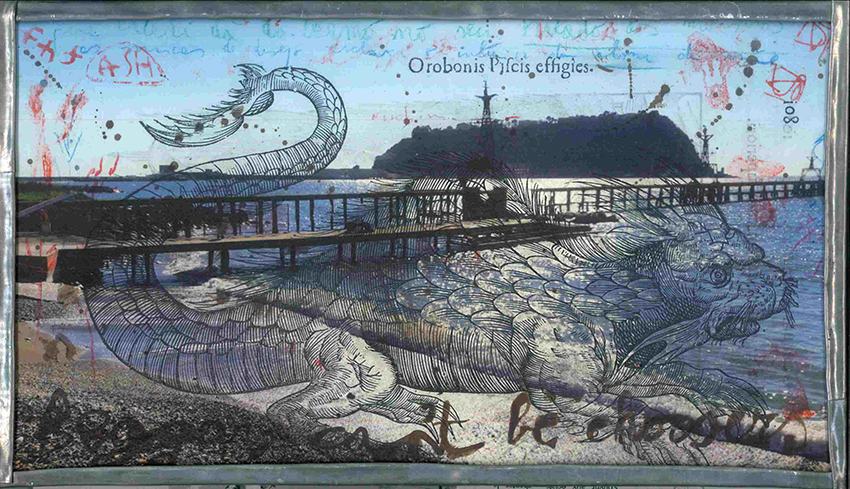
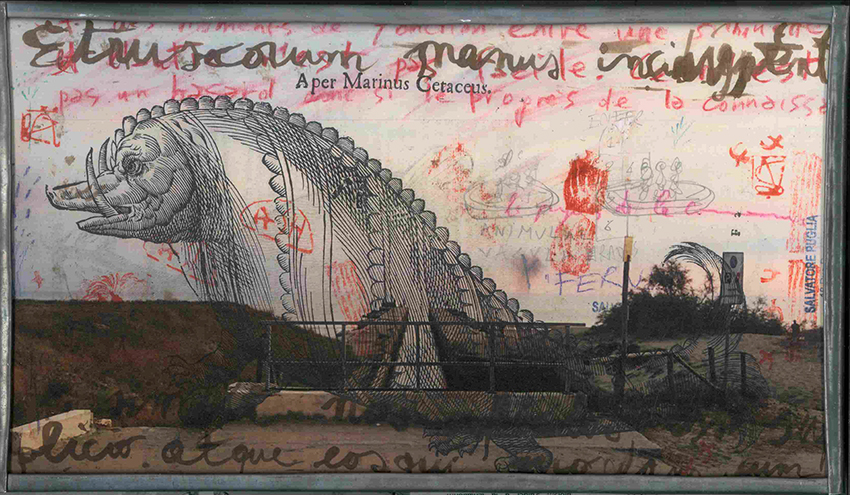
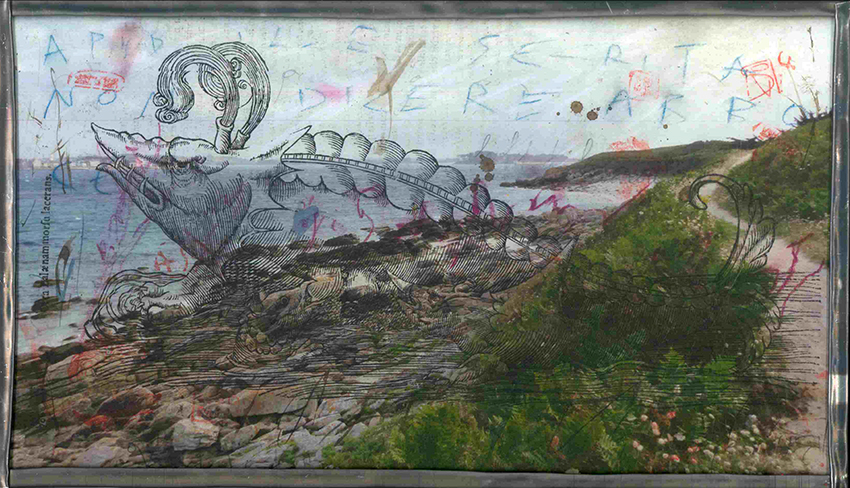


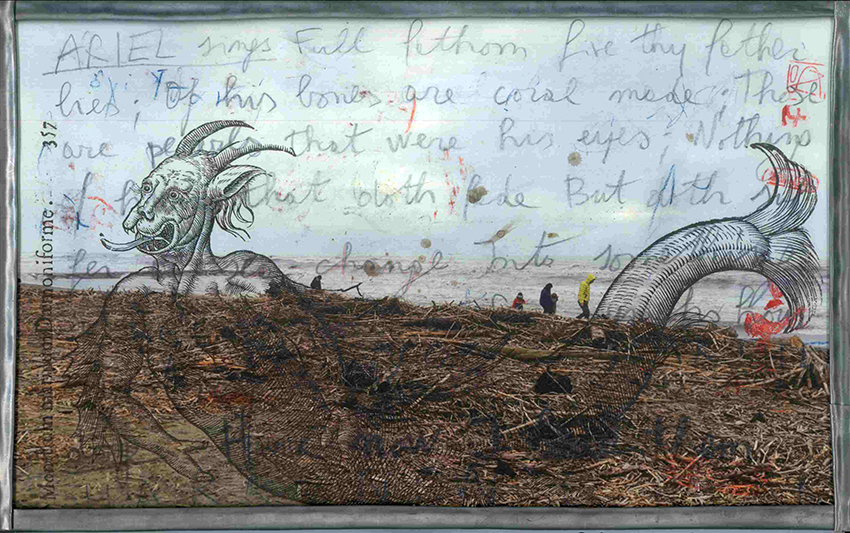


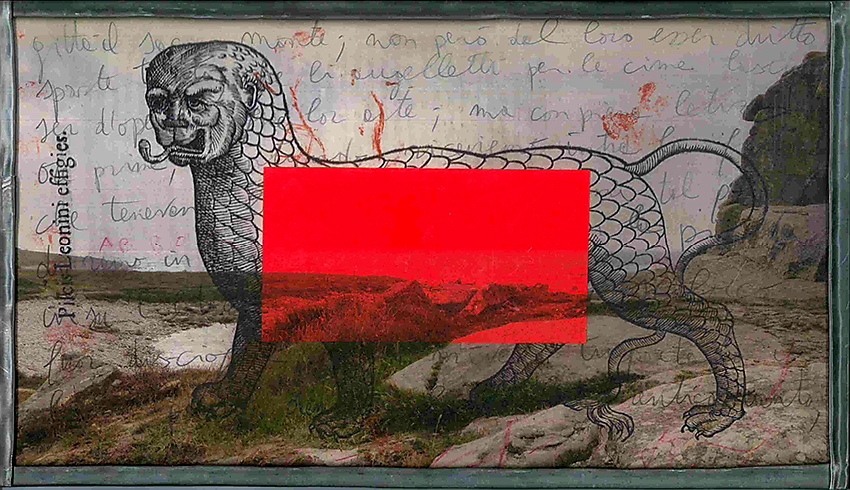
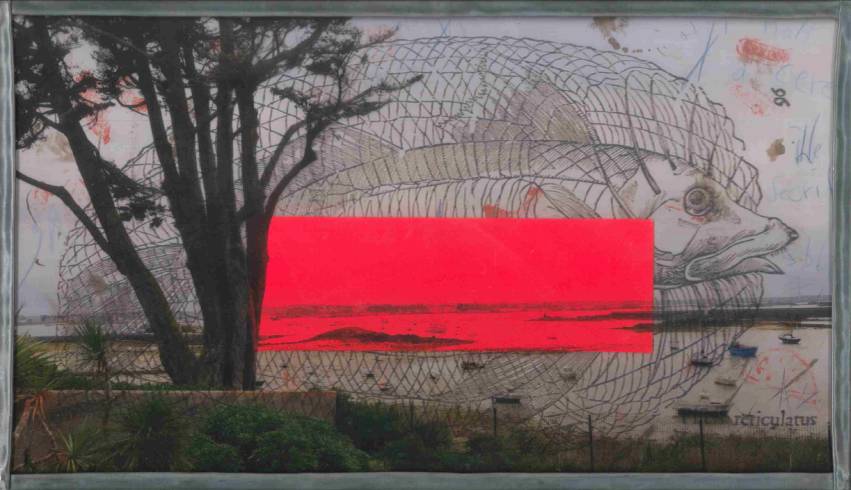


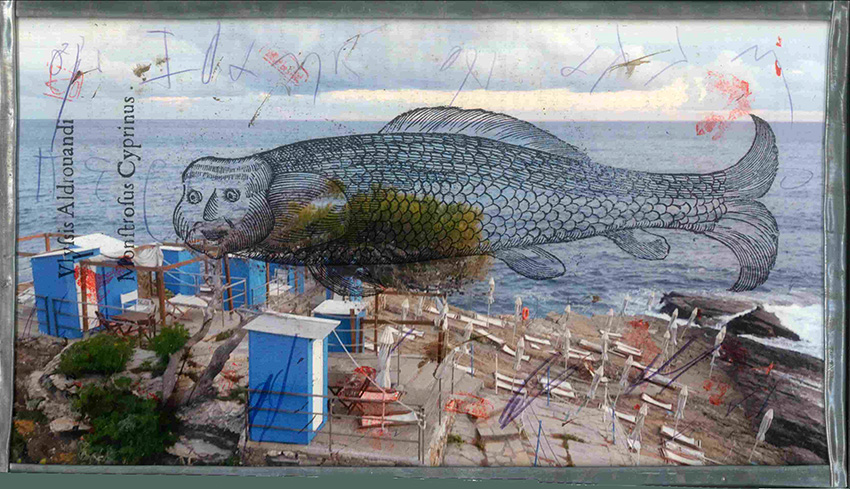
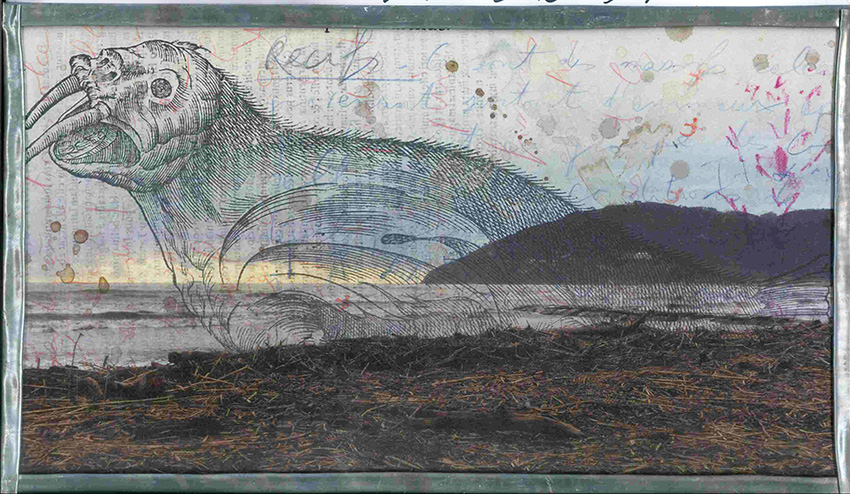
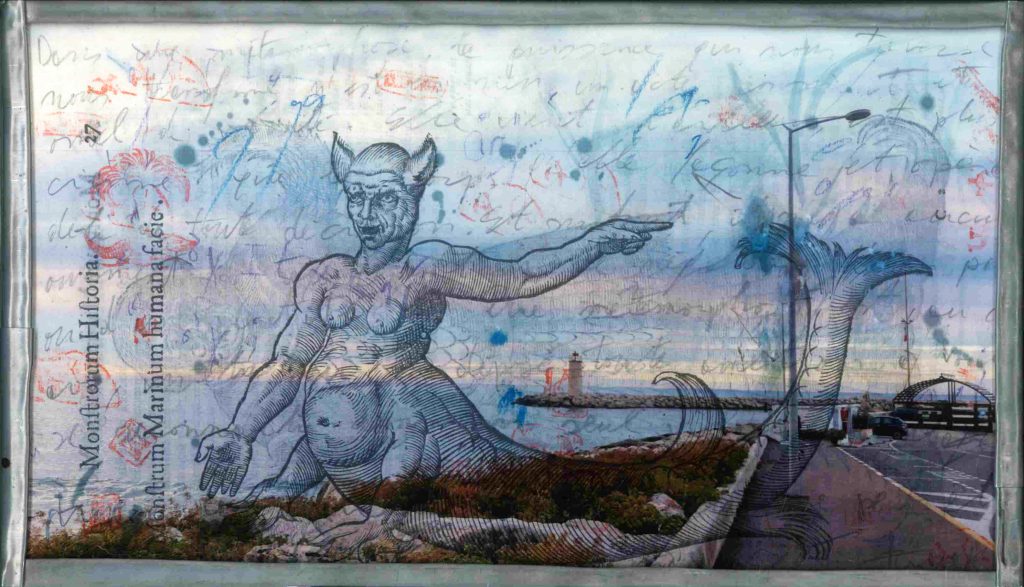 Histoire des monstres 60, Menton- humana facie, 2025, 24×42.


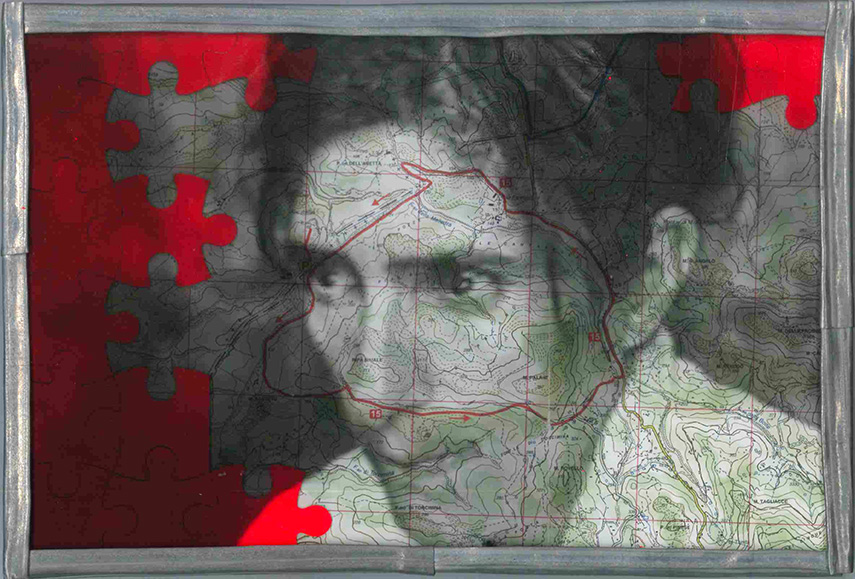
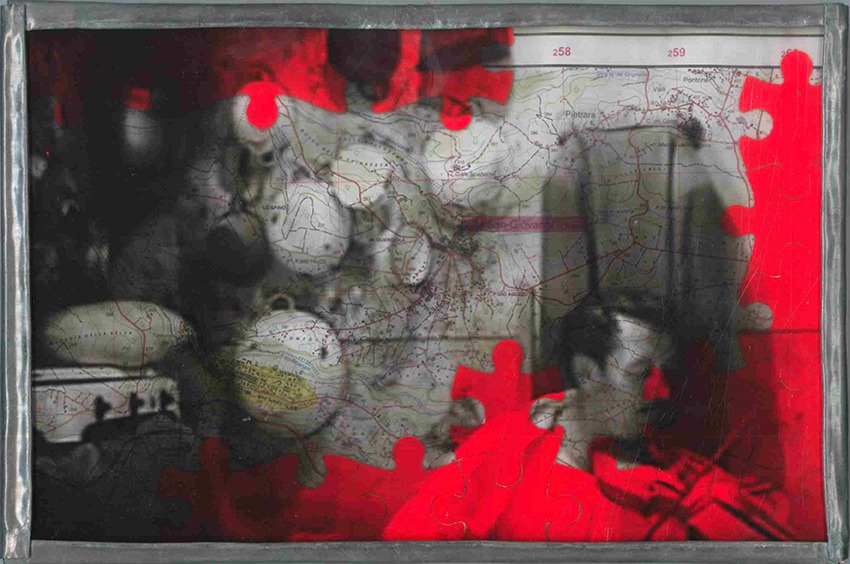
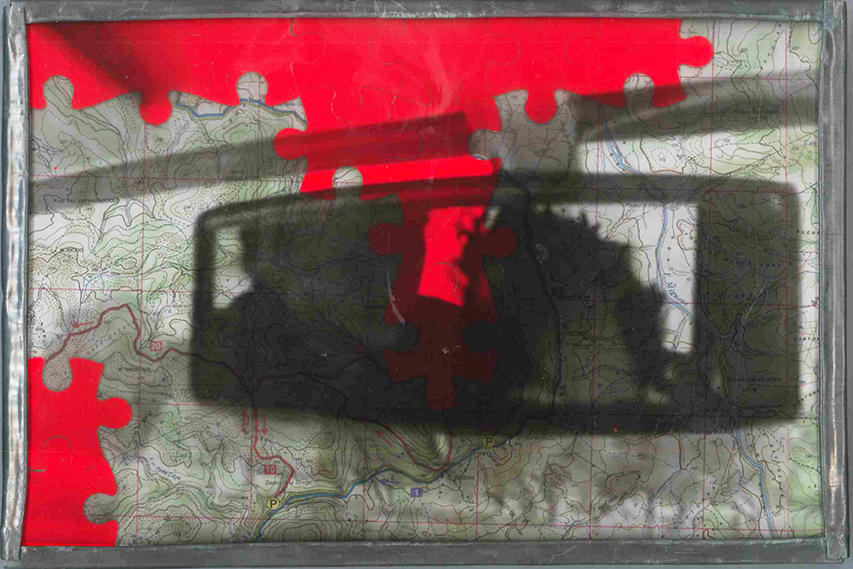
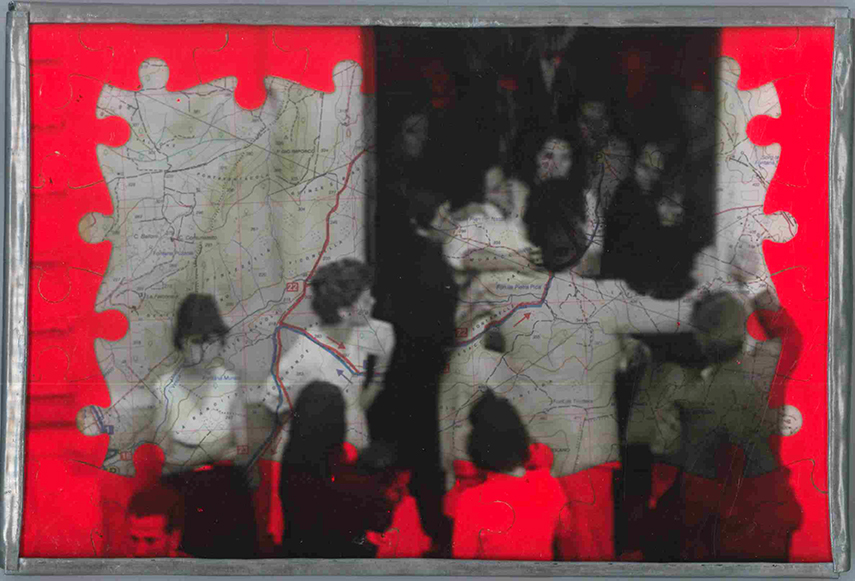
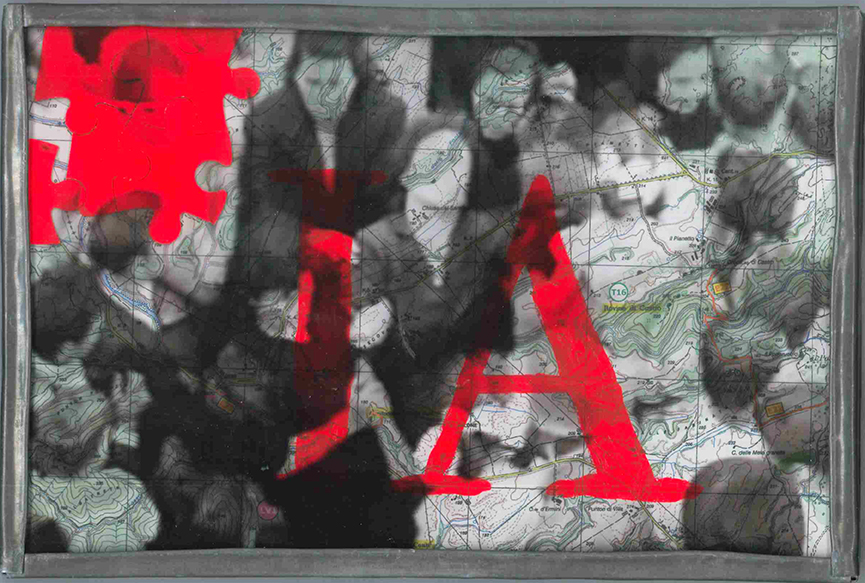
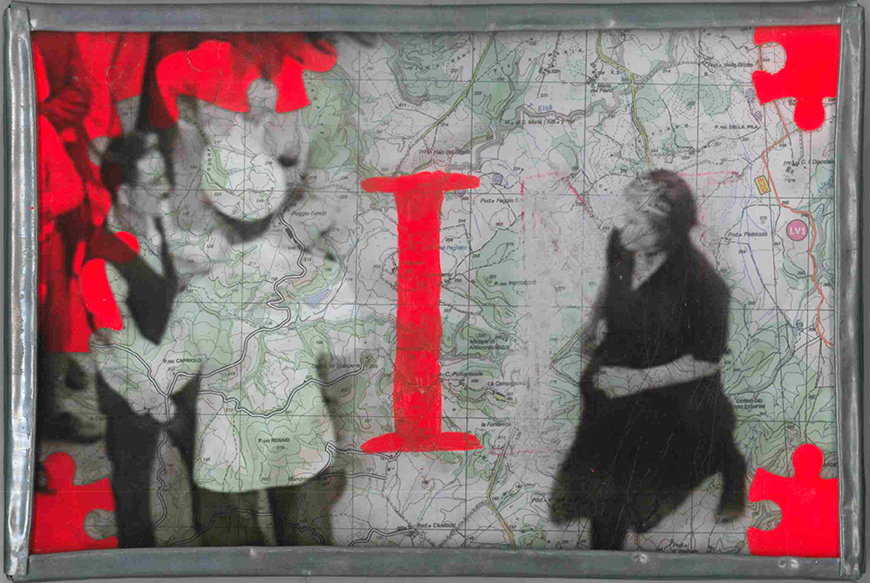
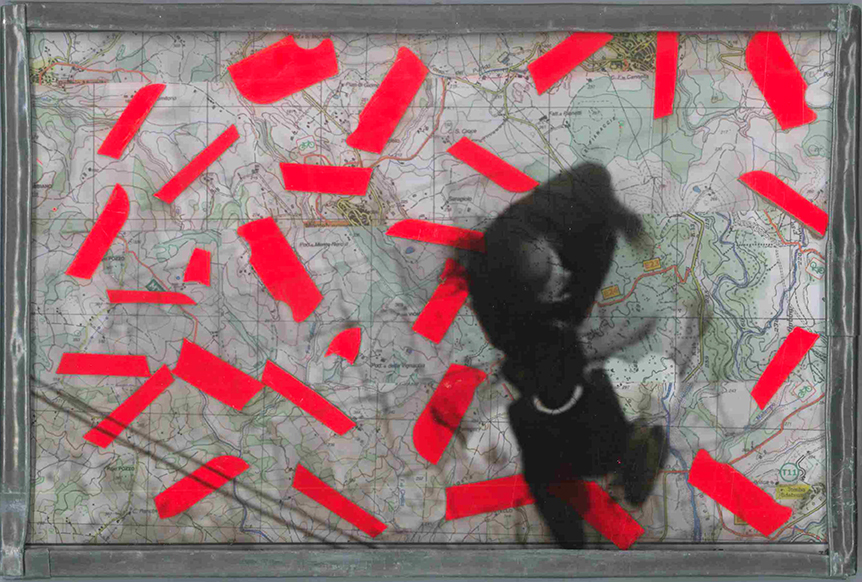
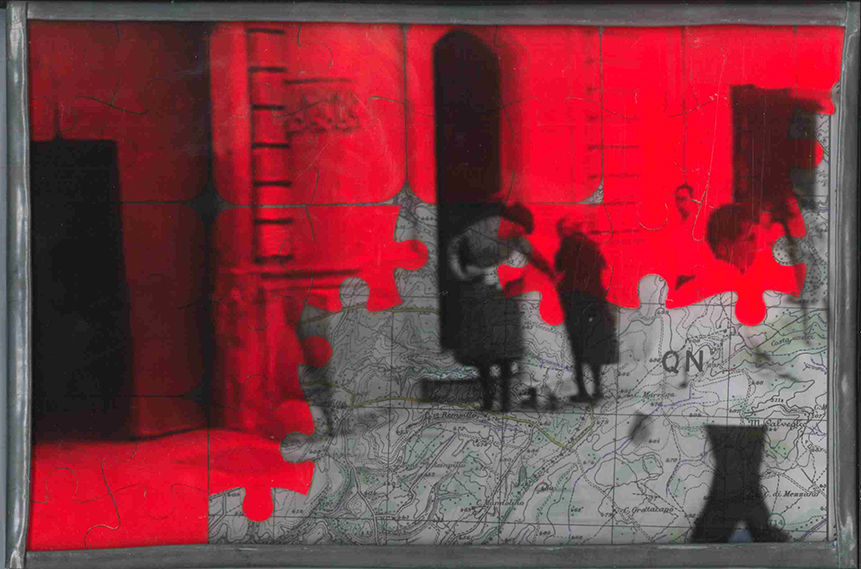 .
.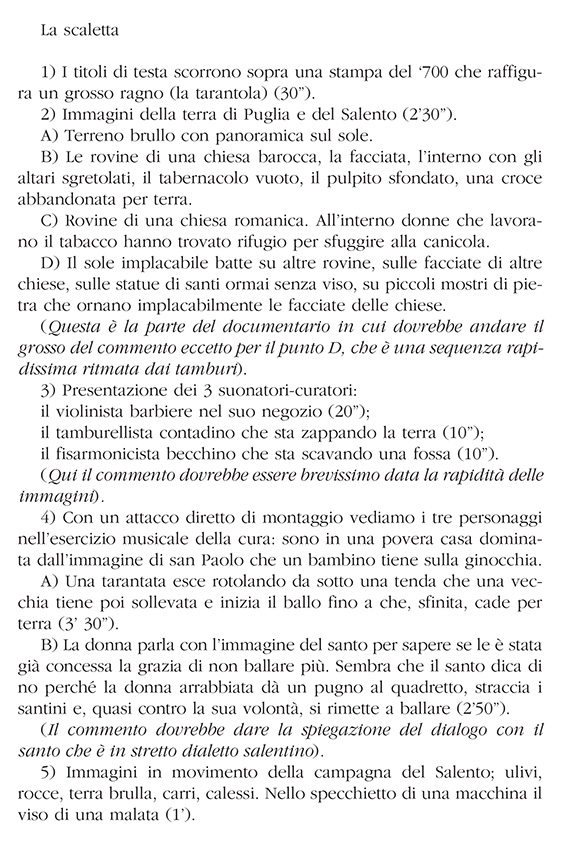
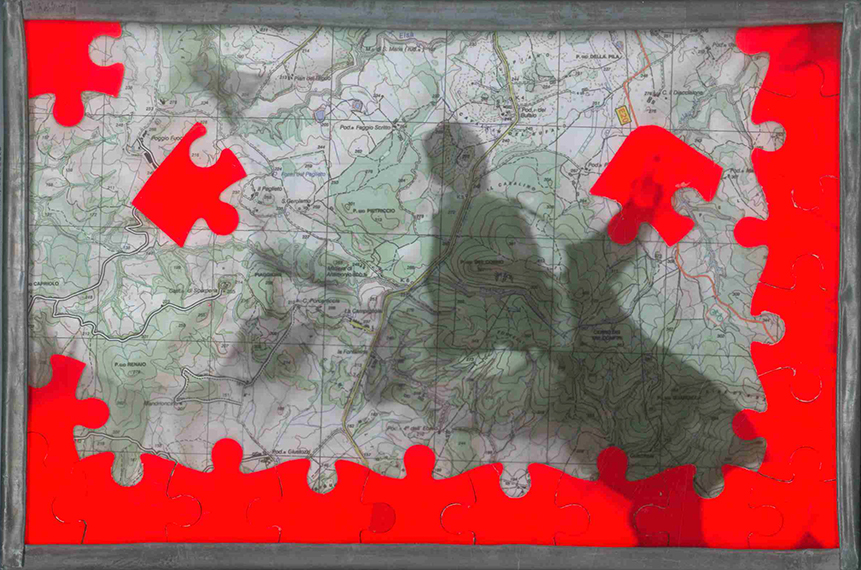
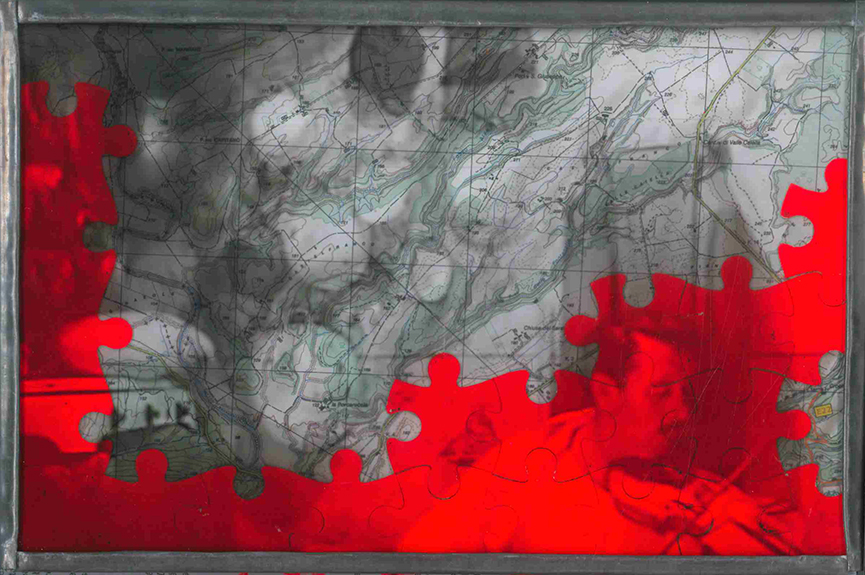 Galatina 11, 20×30.
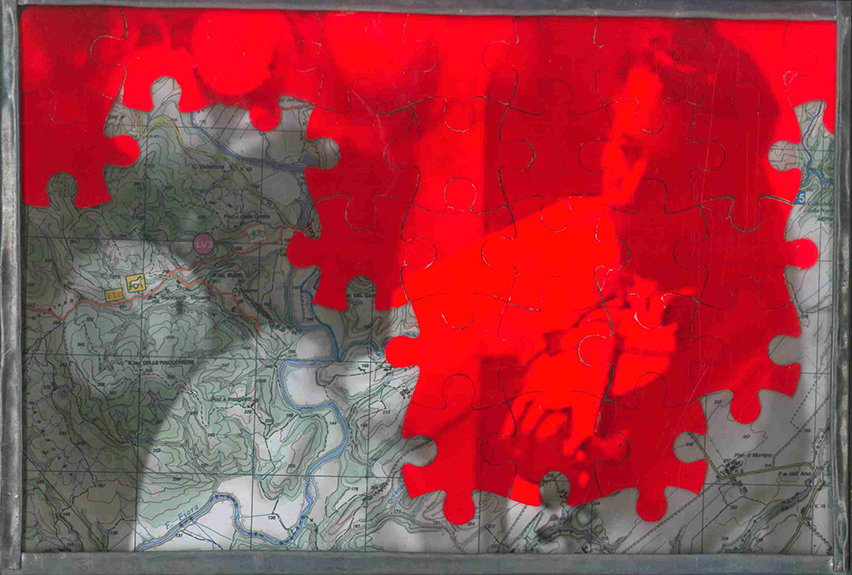 Galatina 12, 20×30.
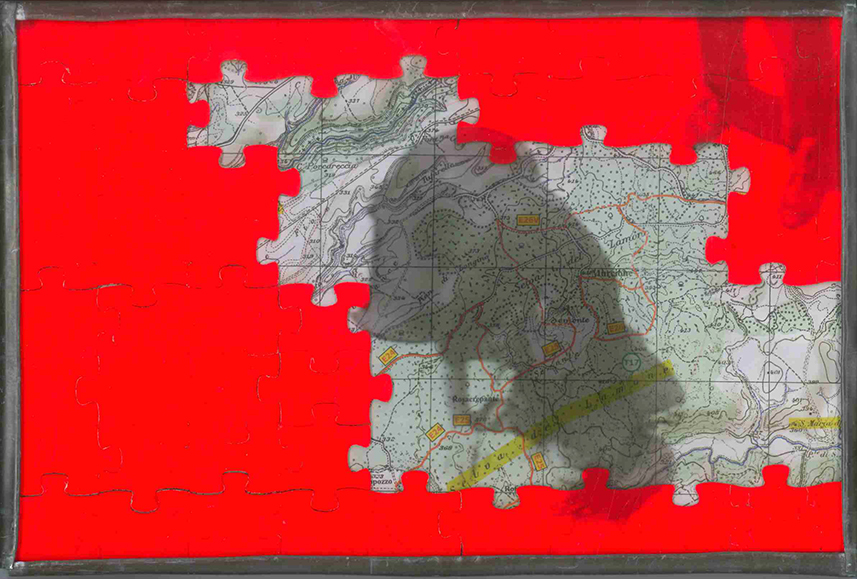 Galatina 13, 20×30.
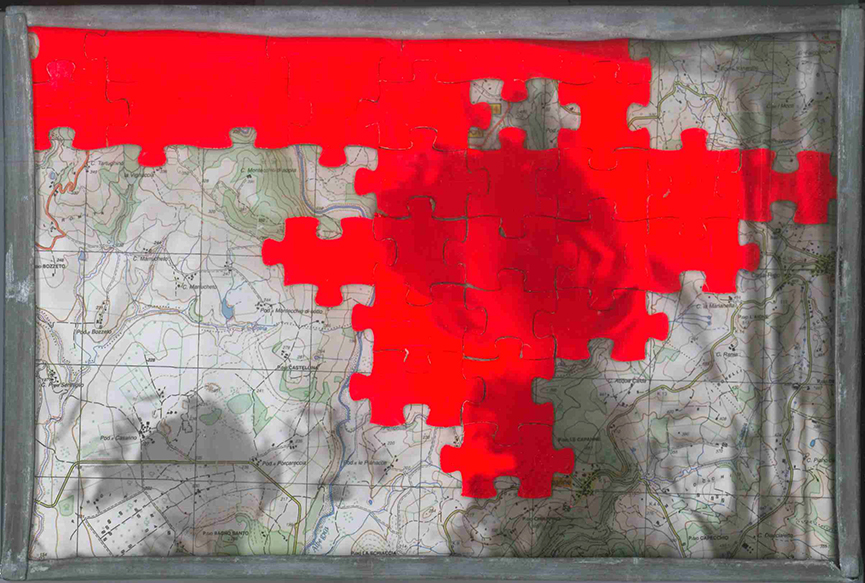 Galatina 14, 20×30.
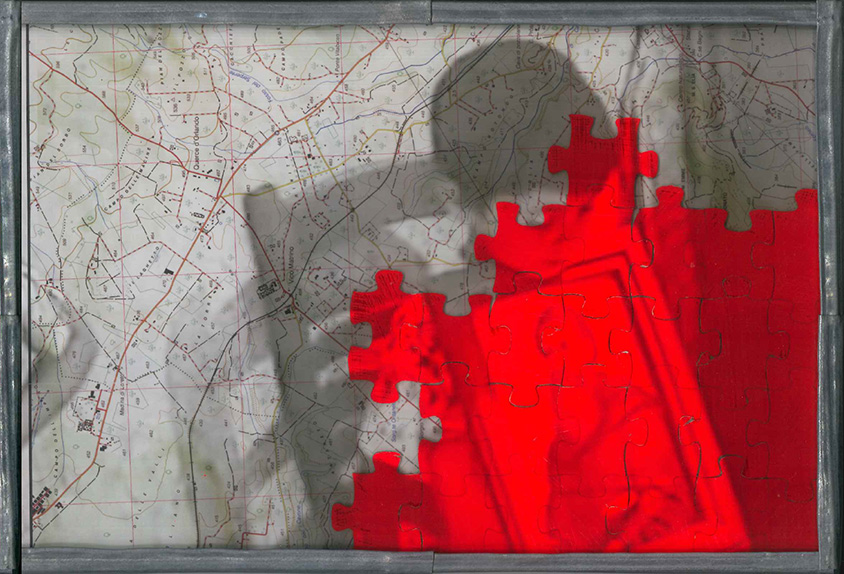 Galatina 15, 20×30.


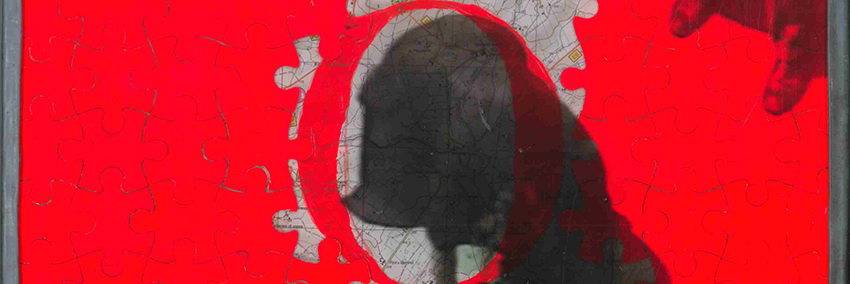 Préface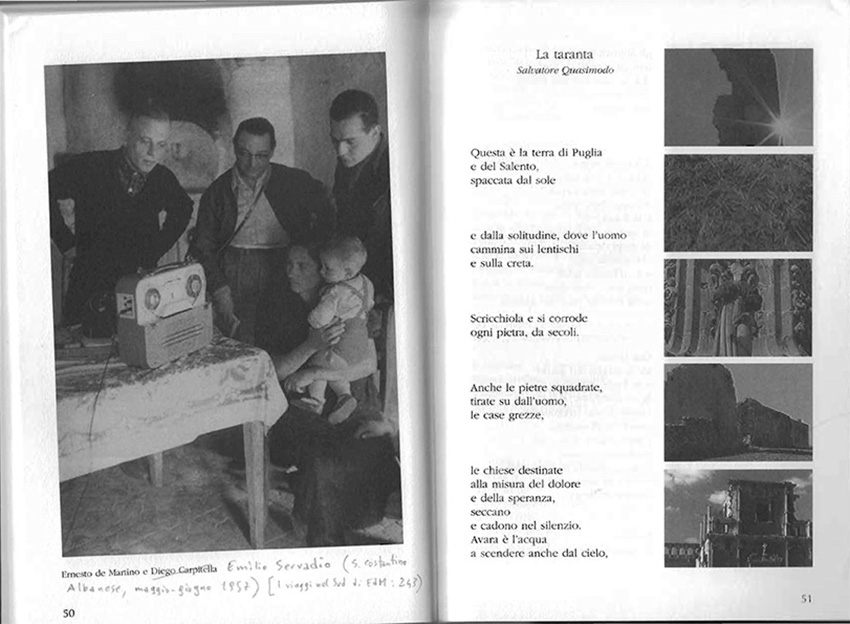
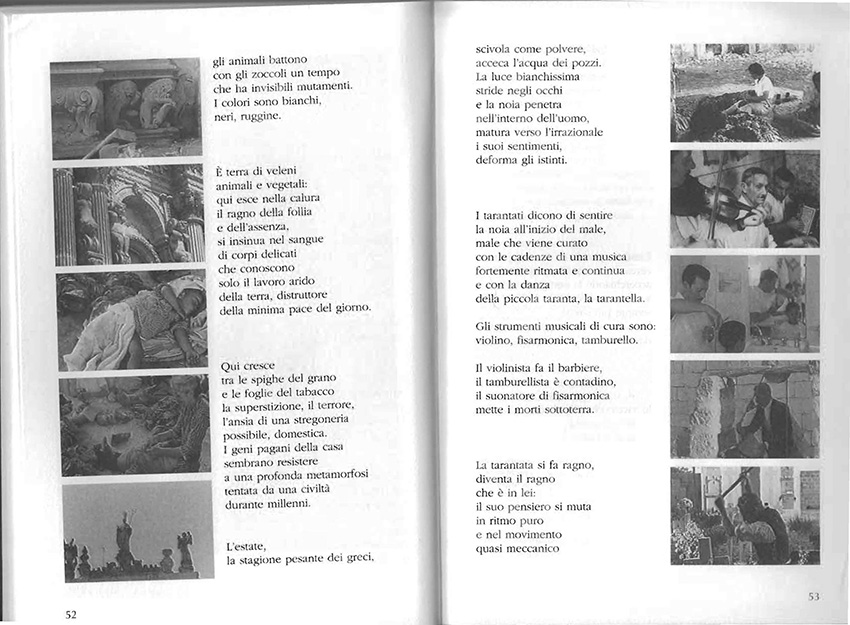
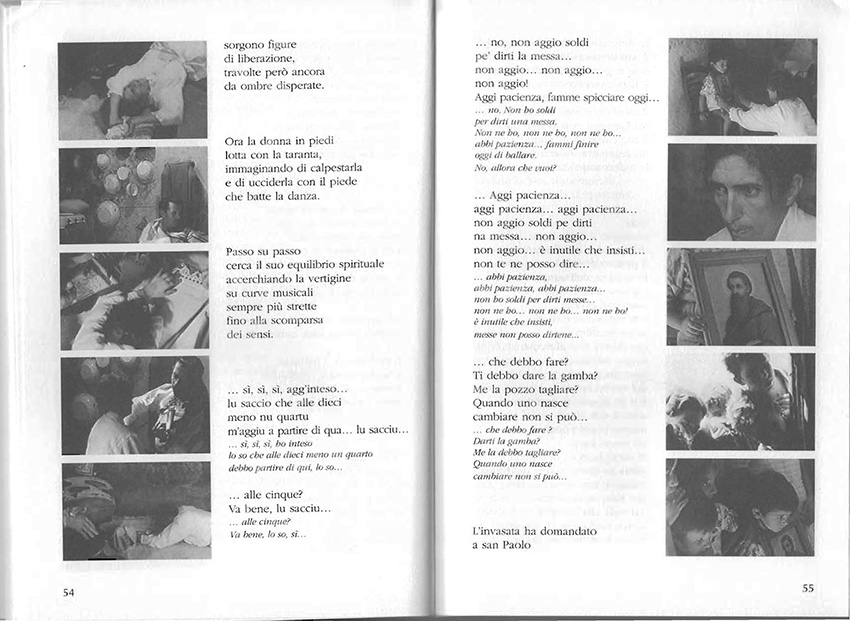
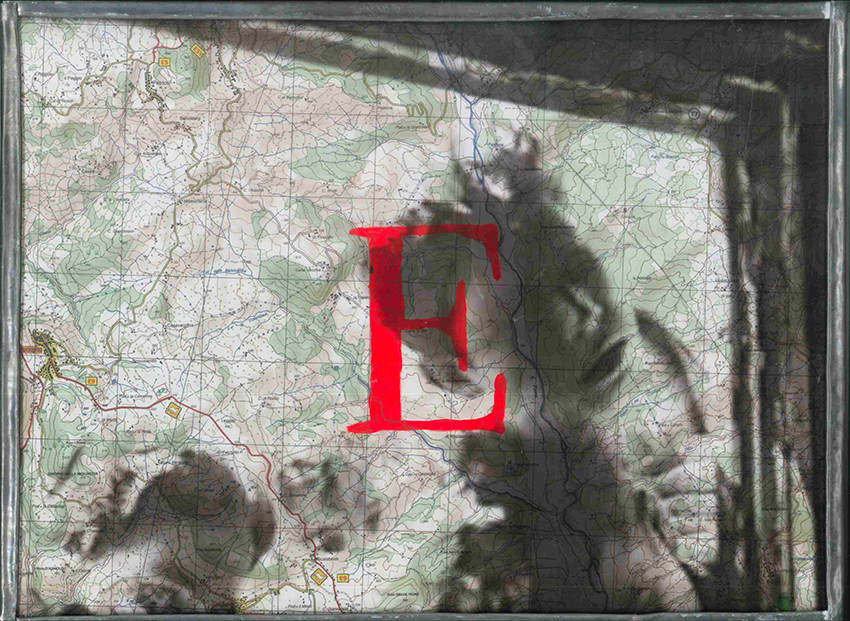 01, 30×40.
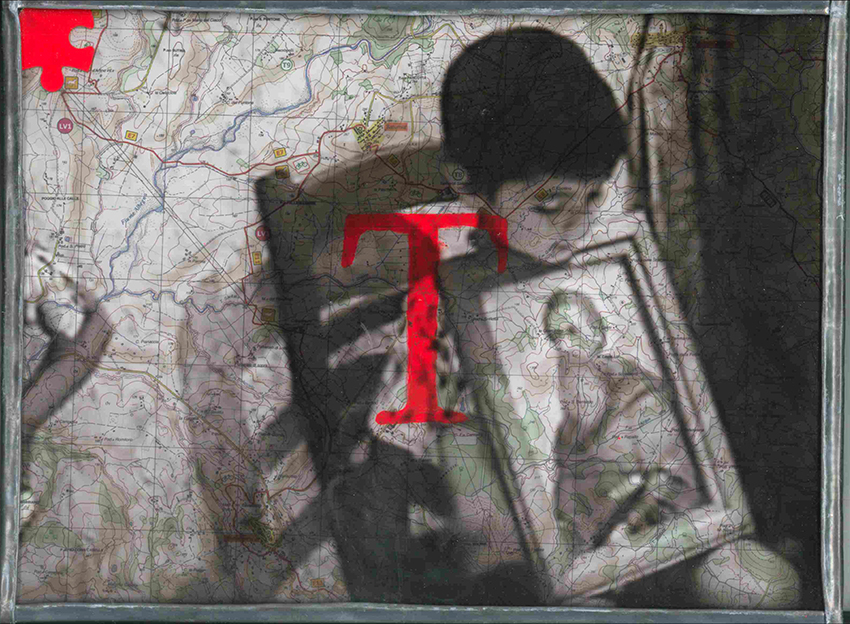 02, 30×40.
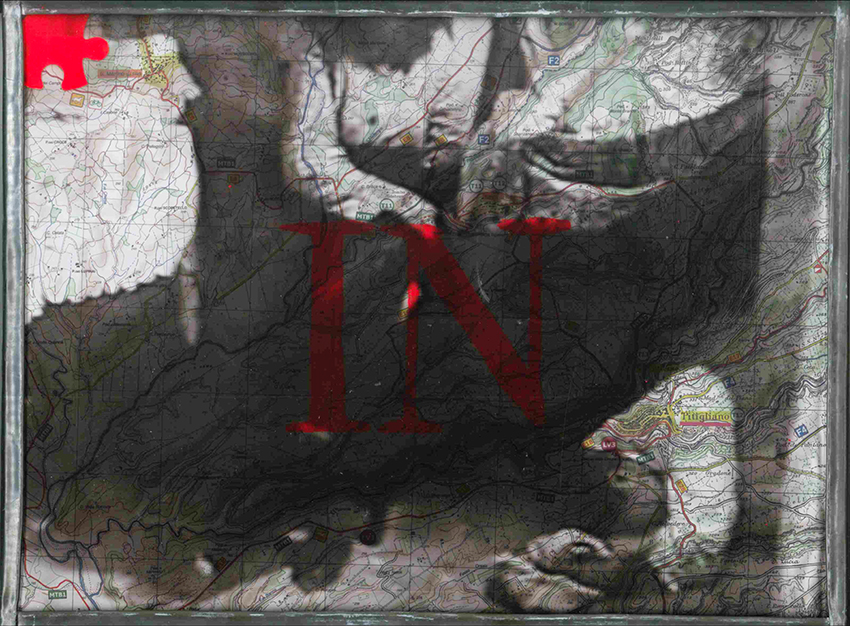 03, 30×40.
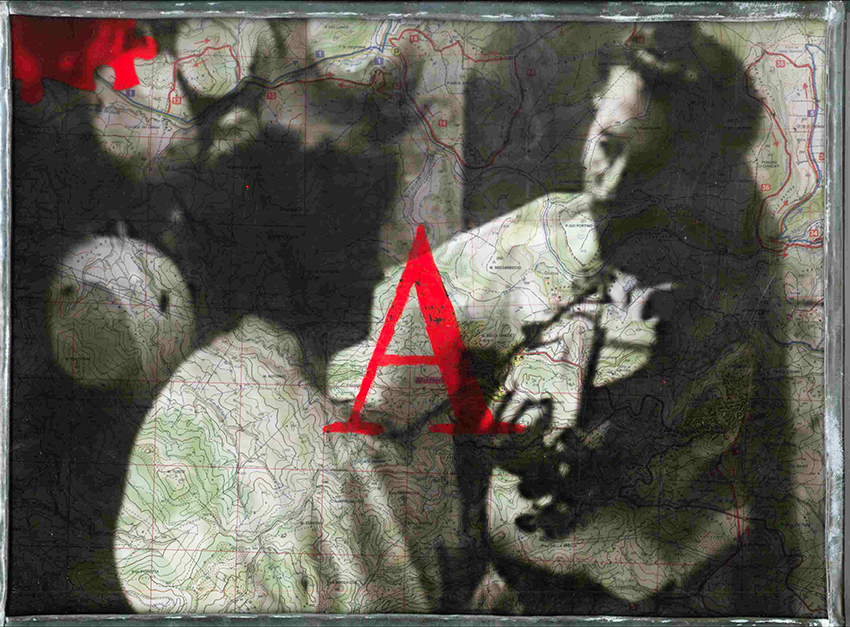 04, 30×40.
 05, 30×40.
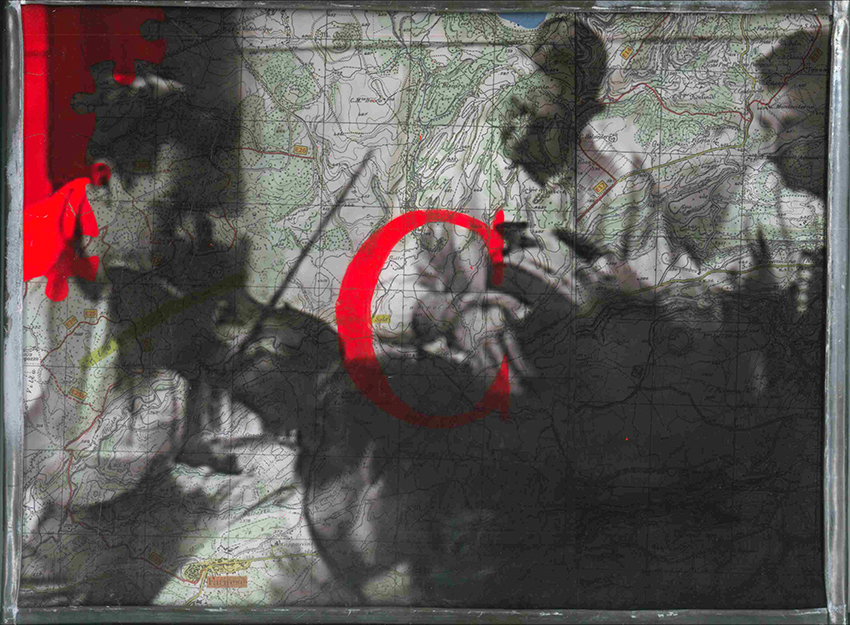 06, 30×40.
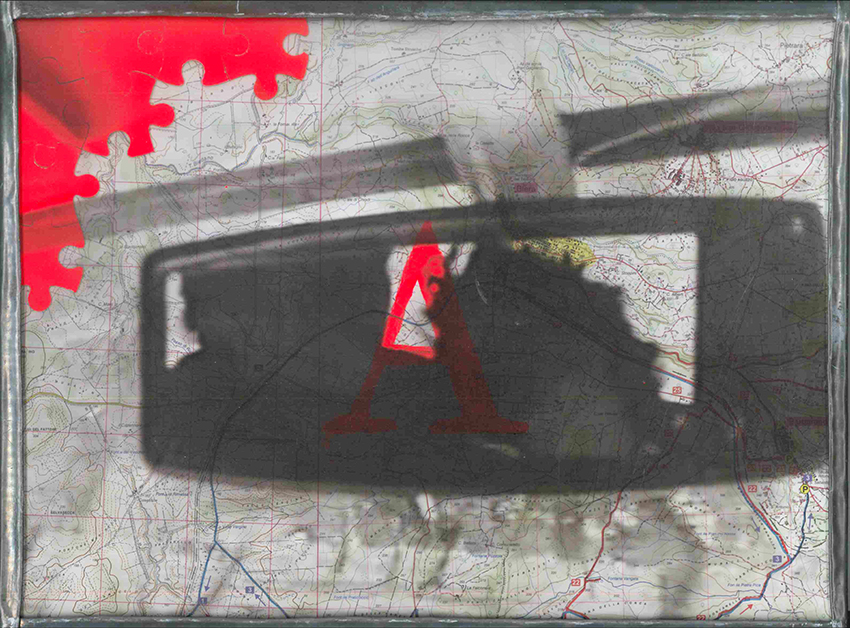 07, 30×40.
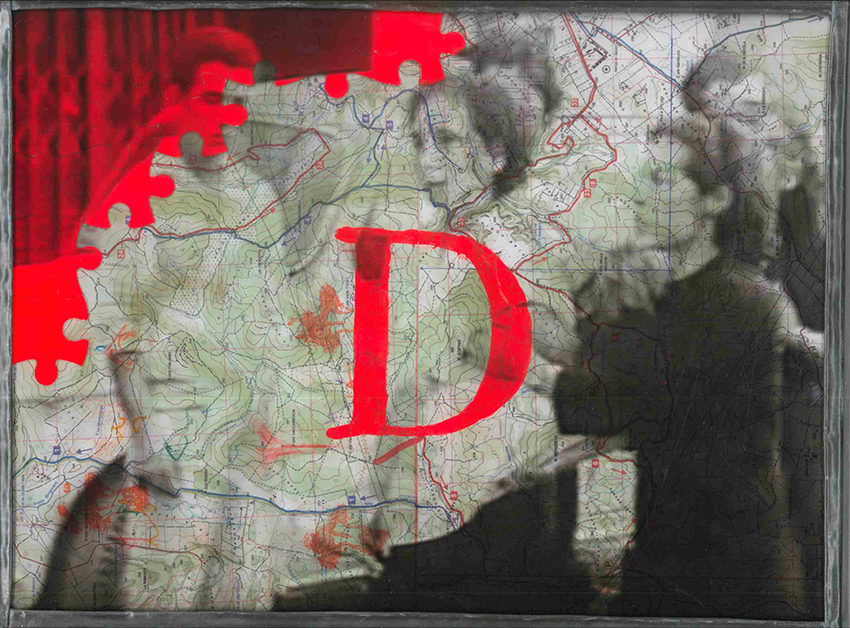 08, 30×40.
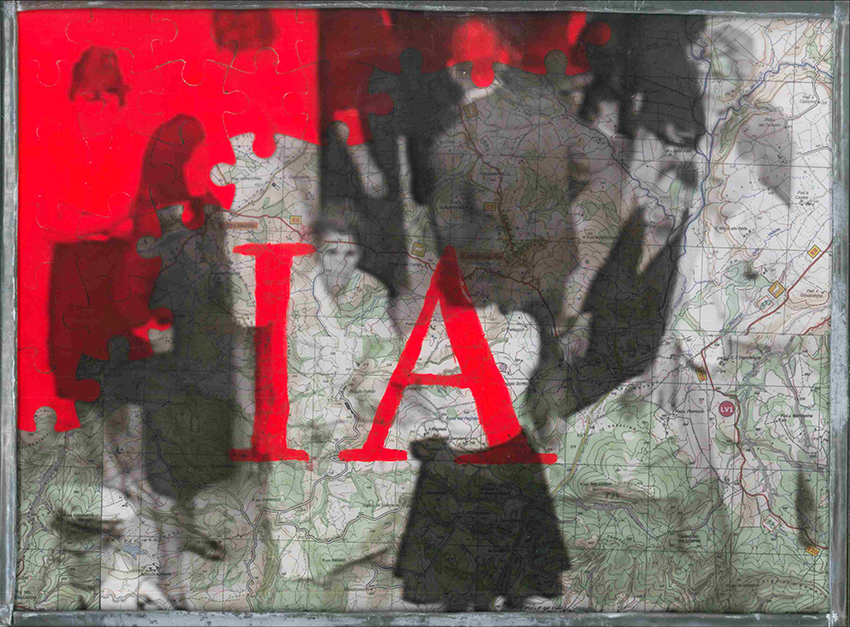 09, 30×40.
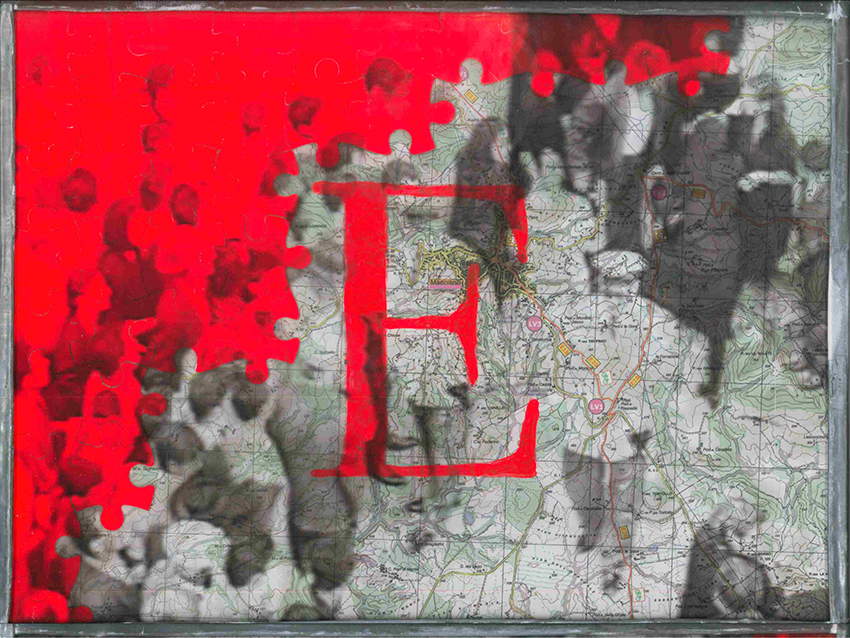 10, 30×40.
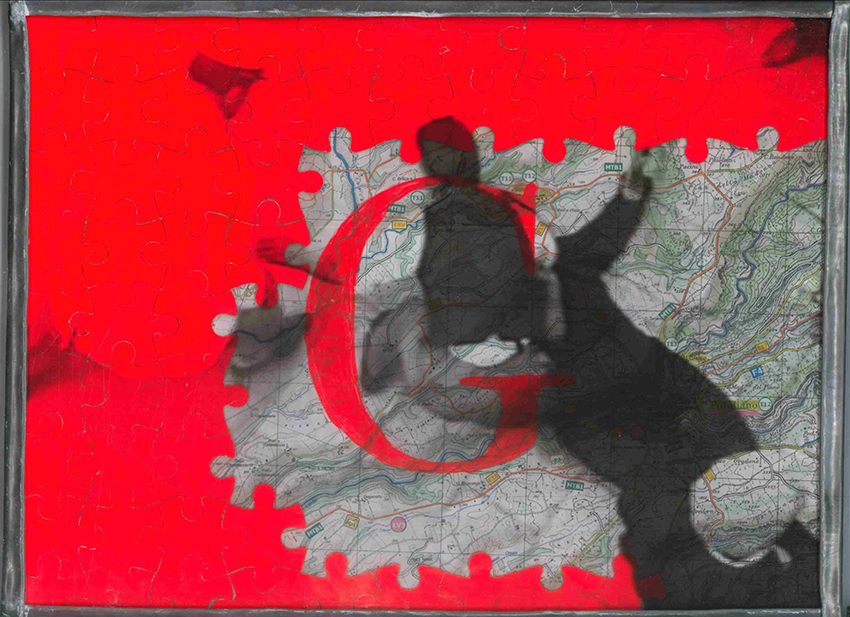 11, 30×40.
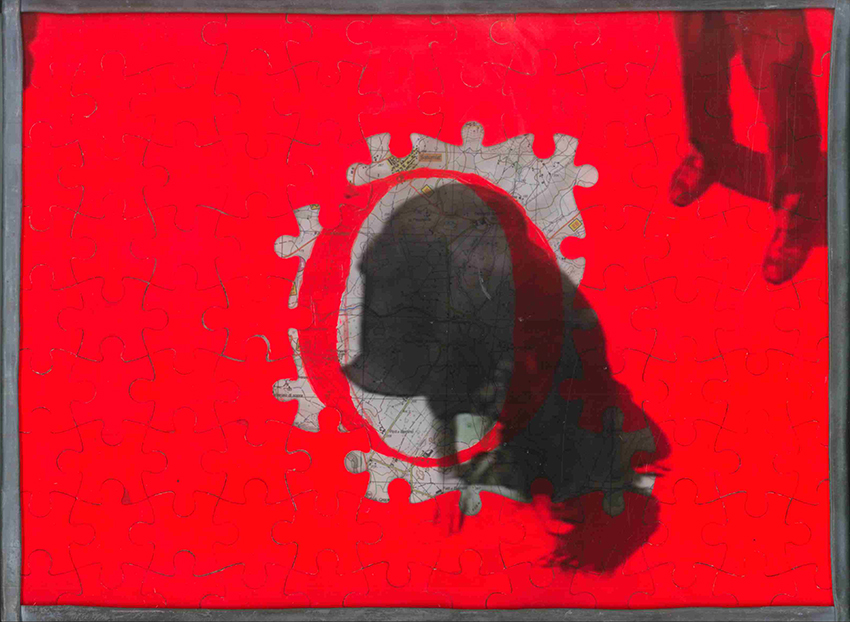 12, 30×40.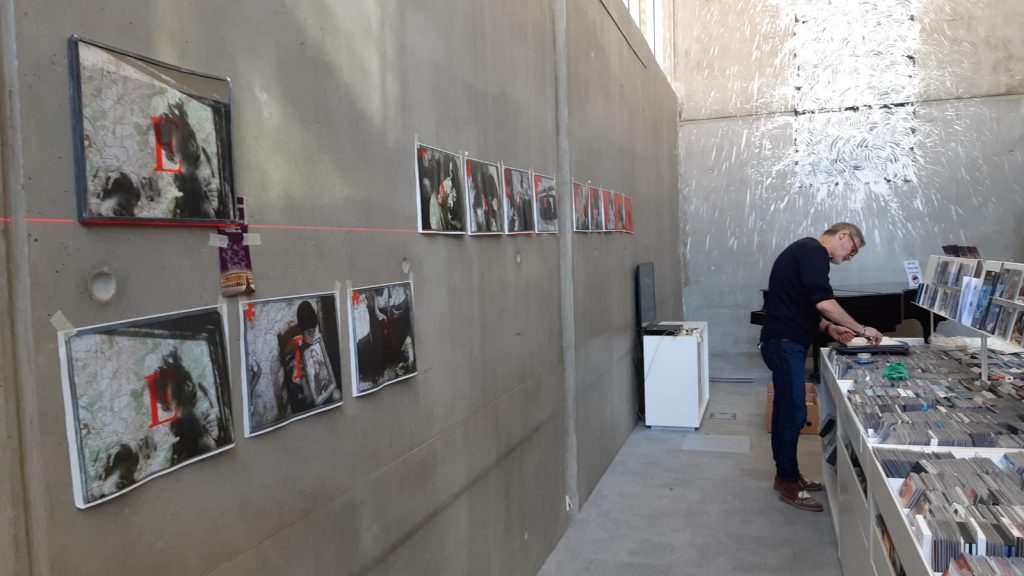
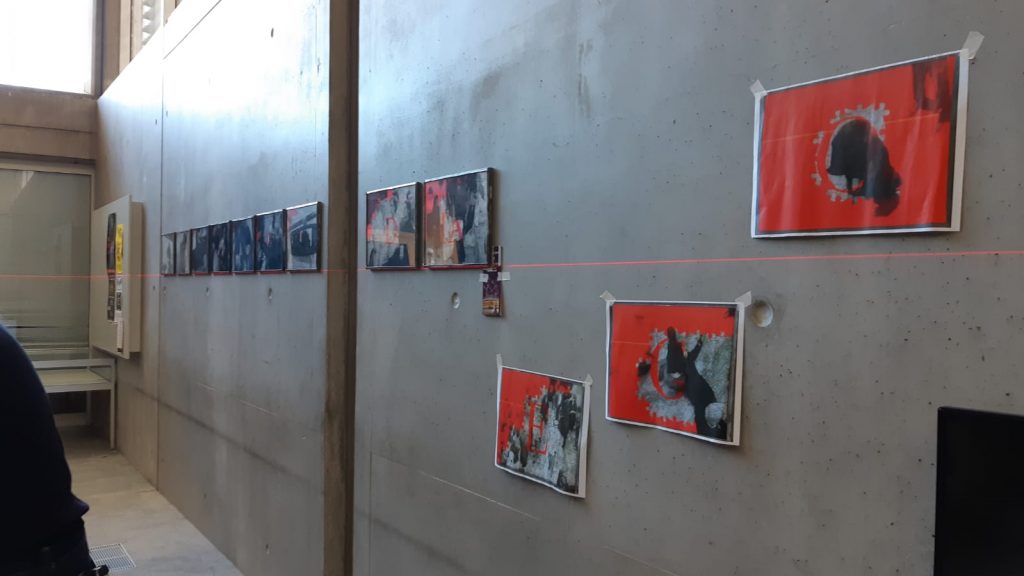
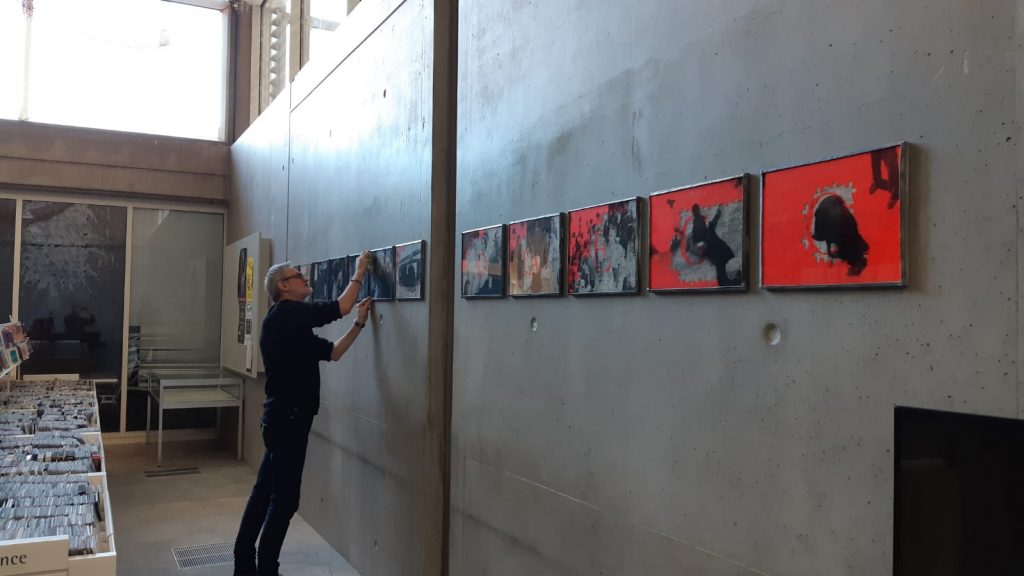
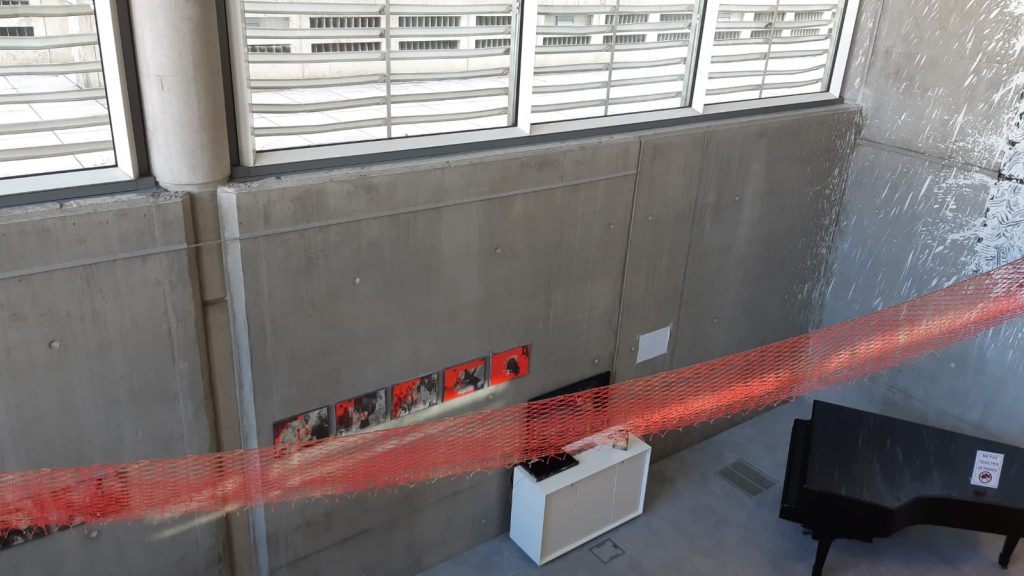
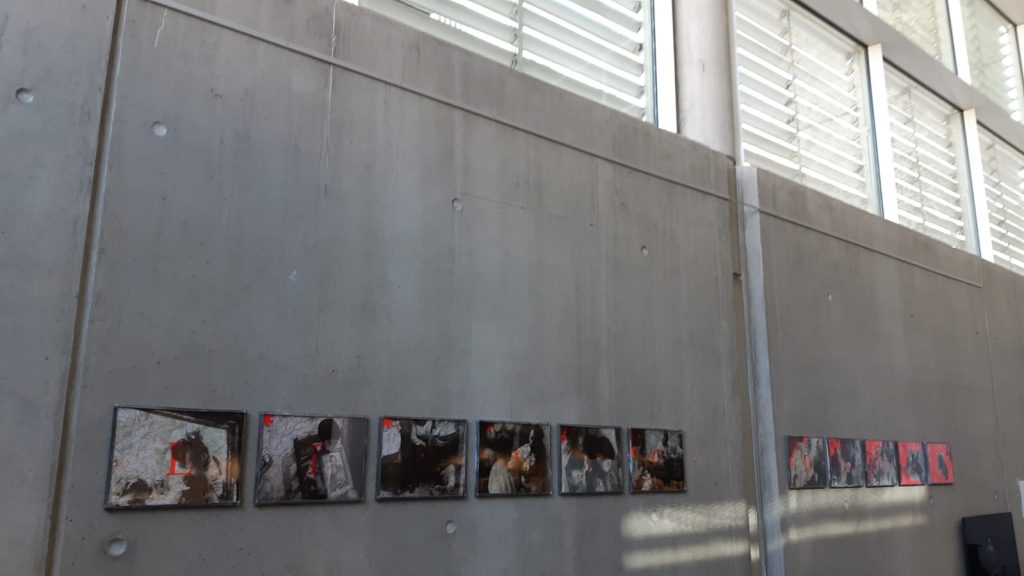
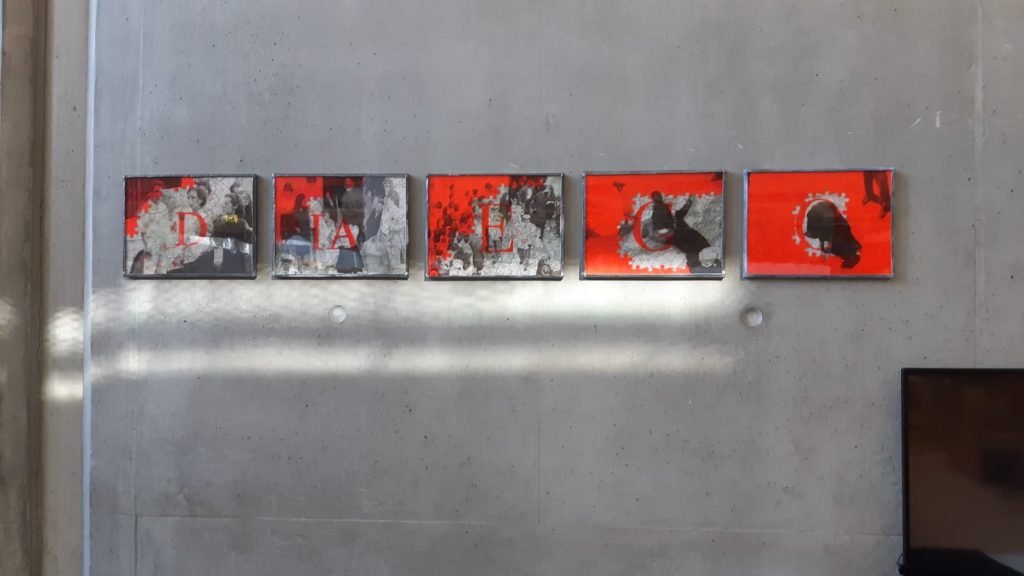
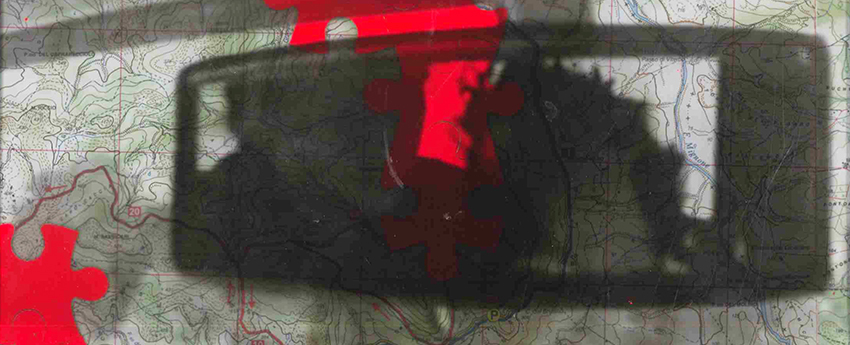
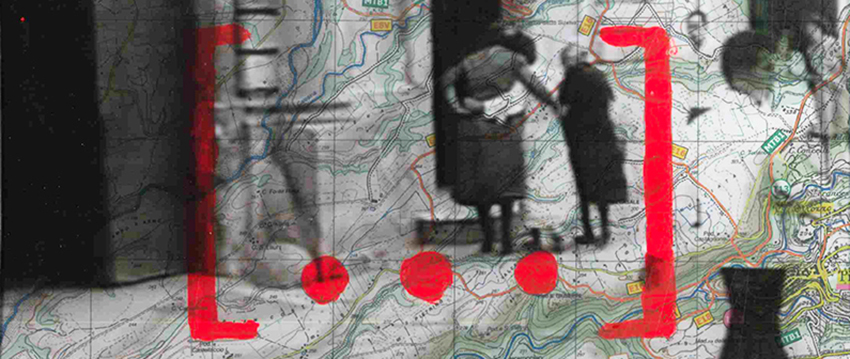
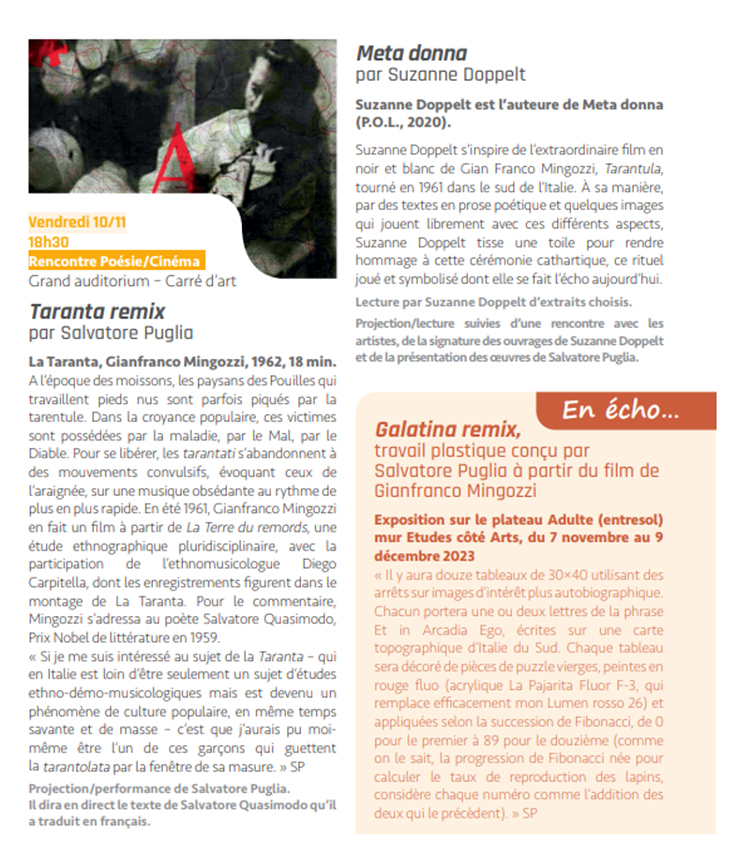
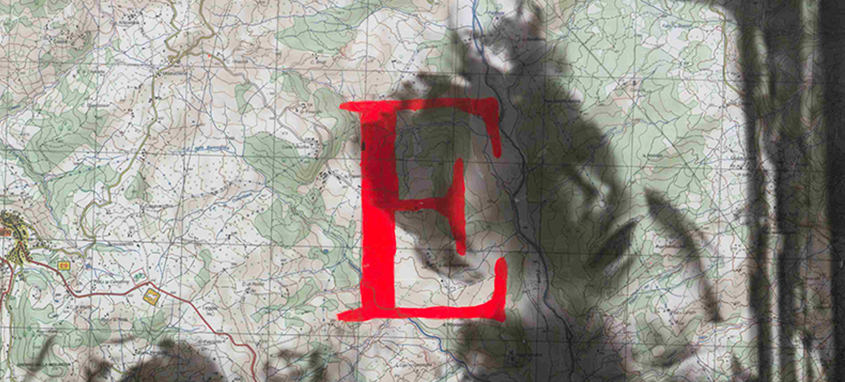
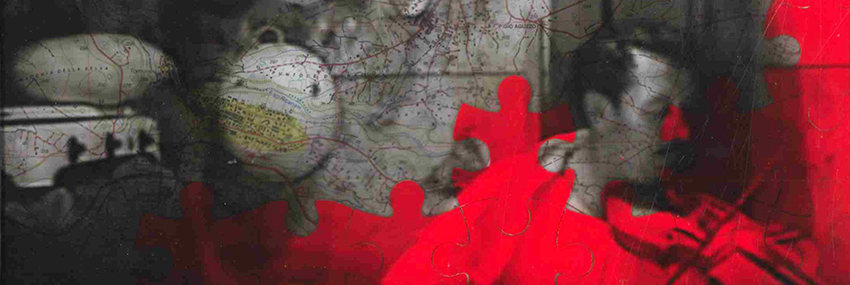


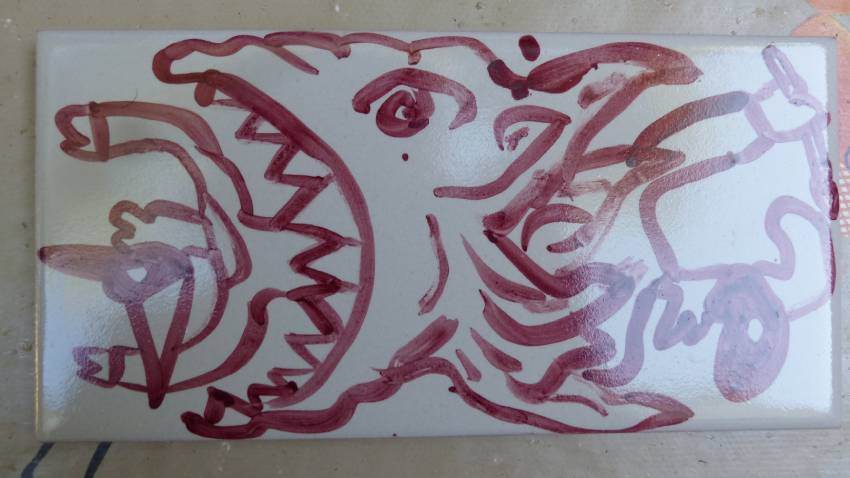
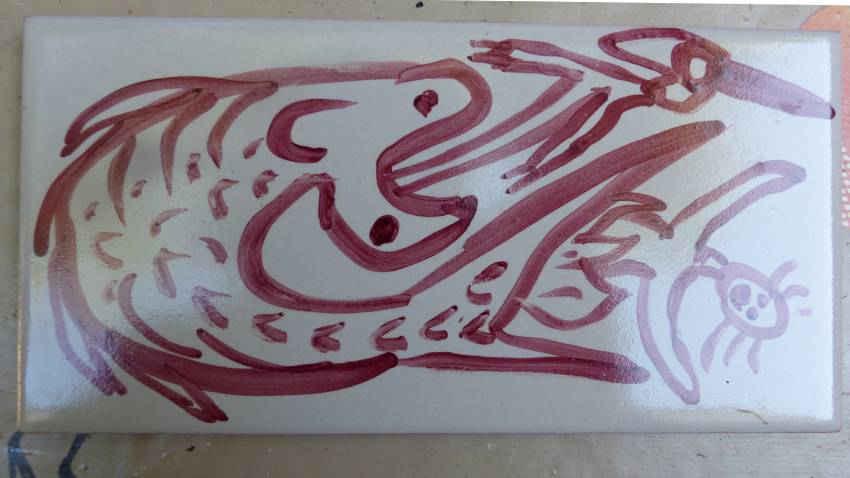
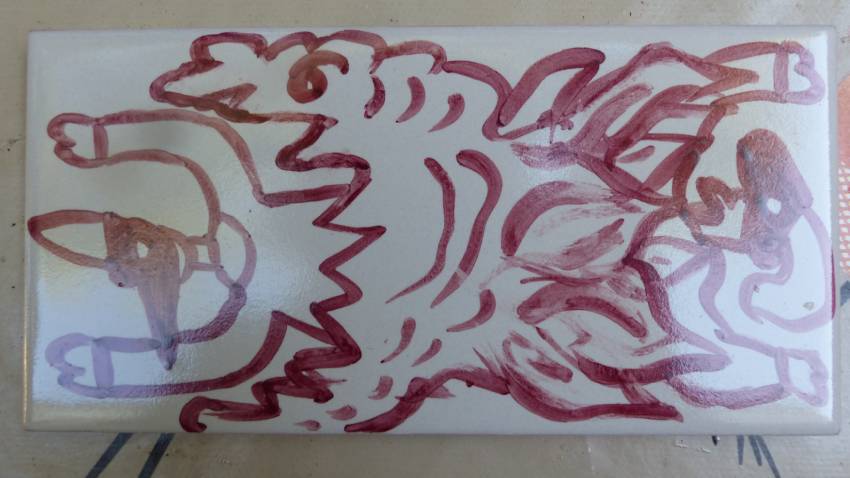
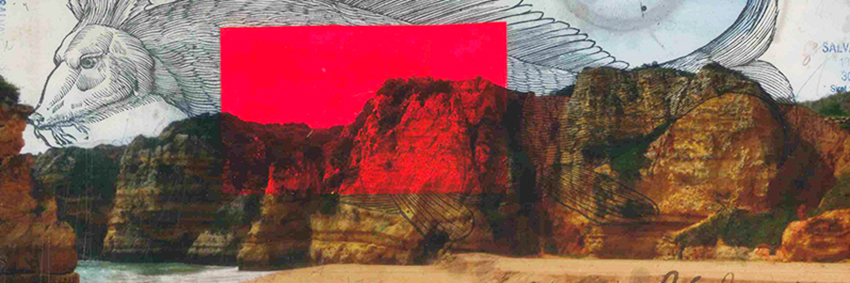
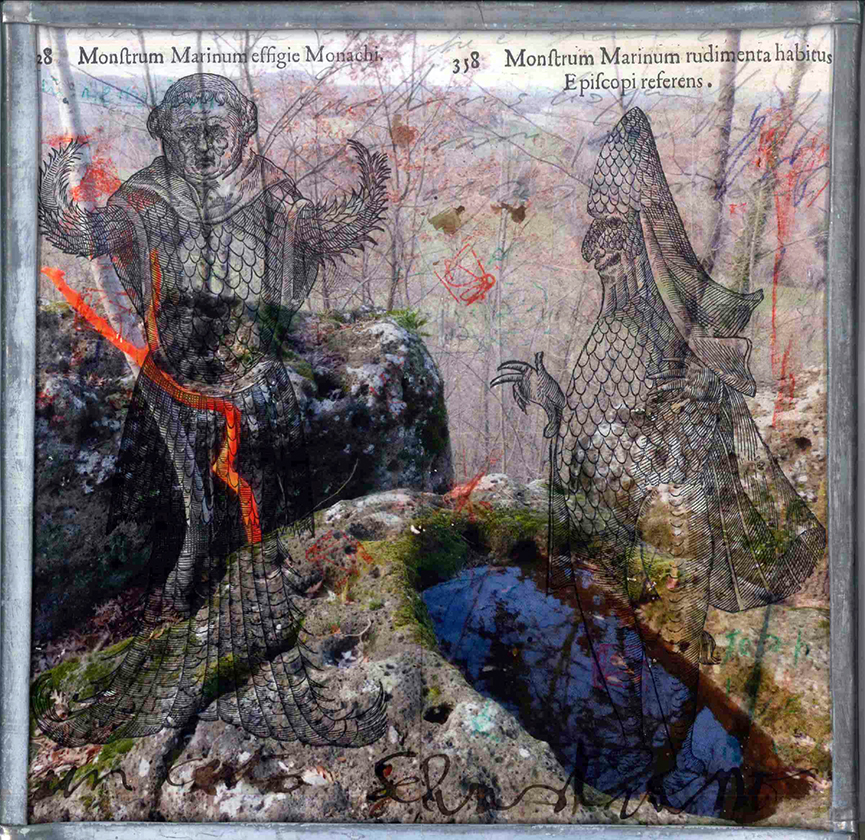 Histoire des monstres 00, Poggio Rota, 30×30, completed December 13.
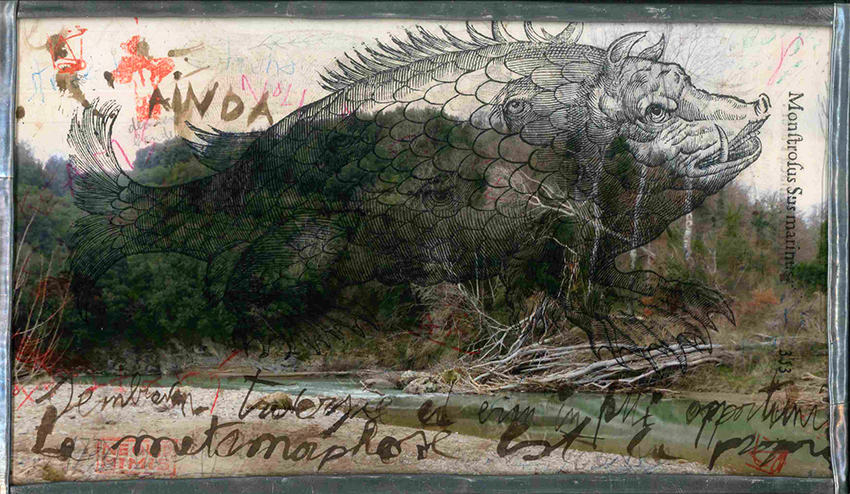 Histoire des monstres 01, Fiora, 24×42, completed December 15.
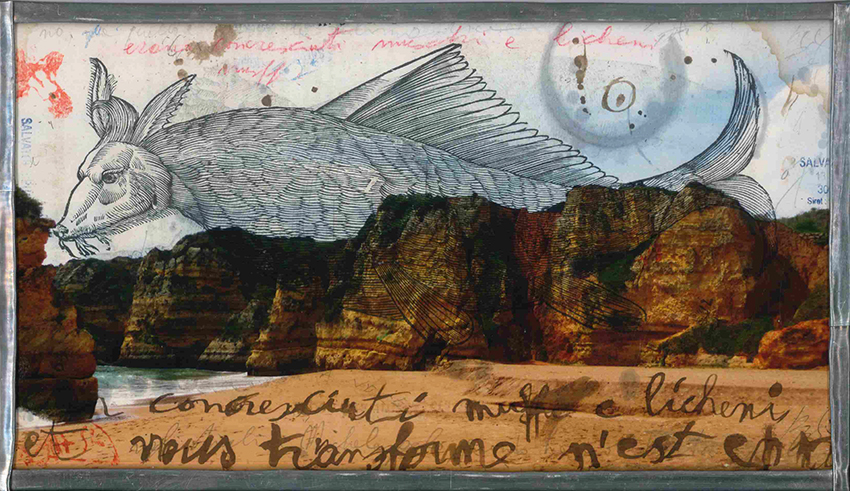 Histoire des monstres 02, Lagos, 24×42, completed December 16.
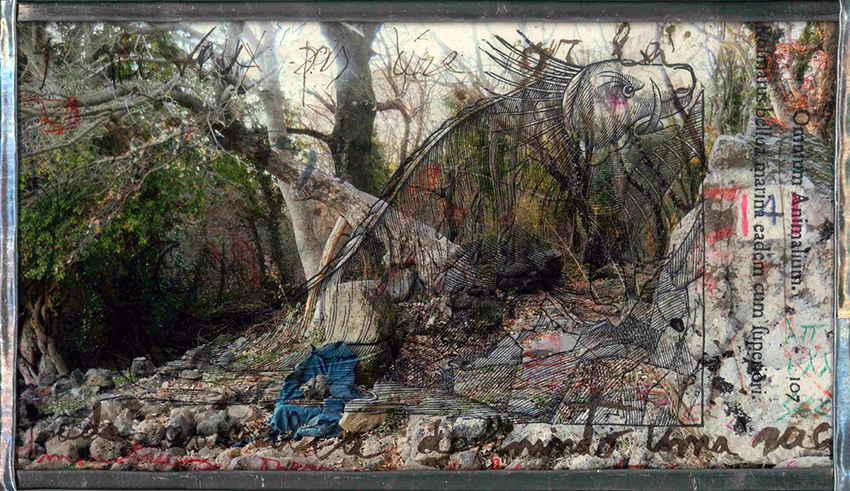 Histoire des monstres 03, Rofalco, 24×42, completed December 17.
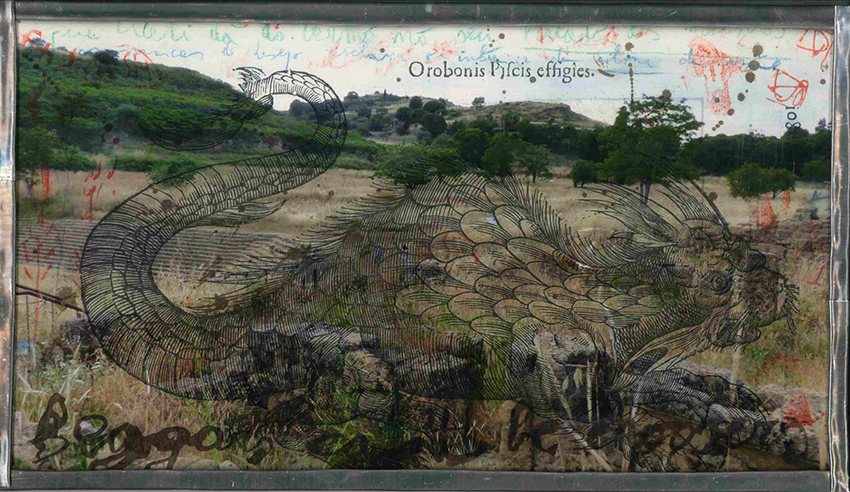 Histoire des monstres 04, Morgantina, 24×42, completed Decembre 19.
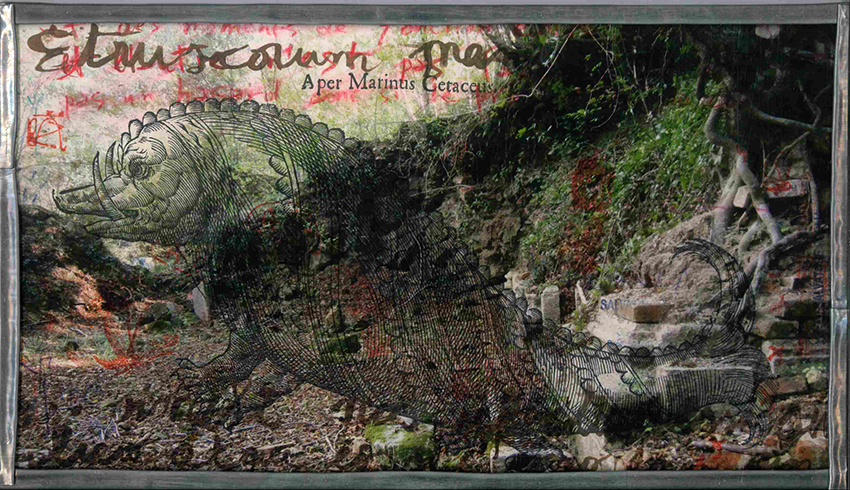 Histoire des monstres 05, Castro, 24×42, completed December 20.
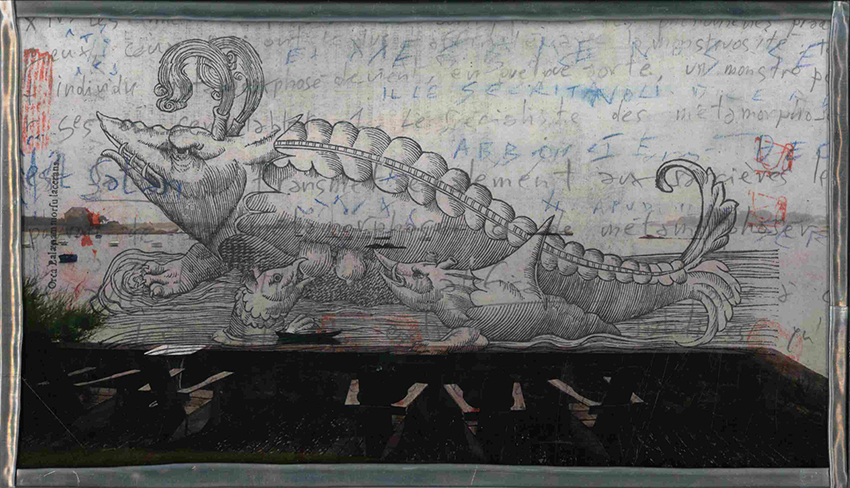 Histoire des monstres 06, Brignogan-Plage, 24×42, completed December 22.
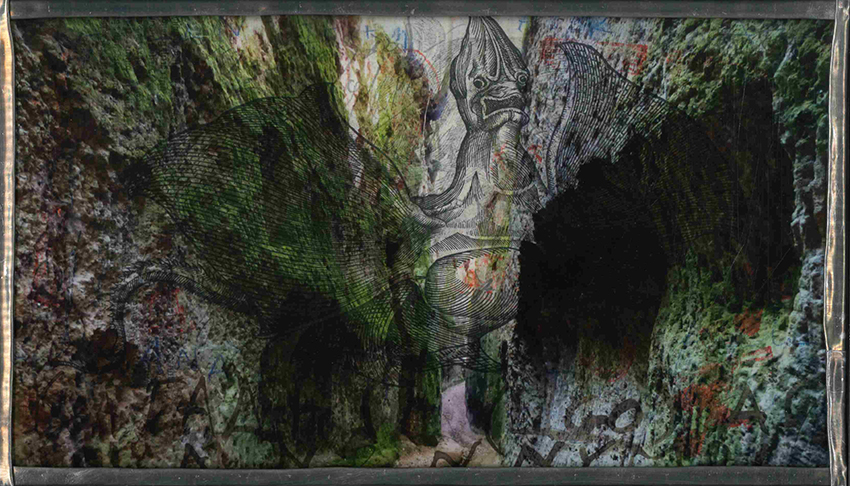 Histoire des monstres 07, Fratenuti, 24×42, completed December 24.
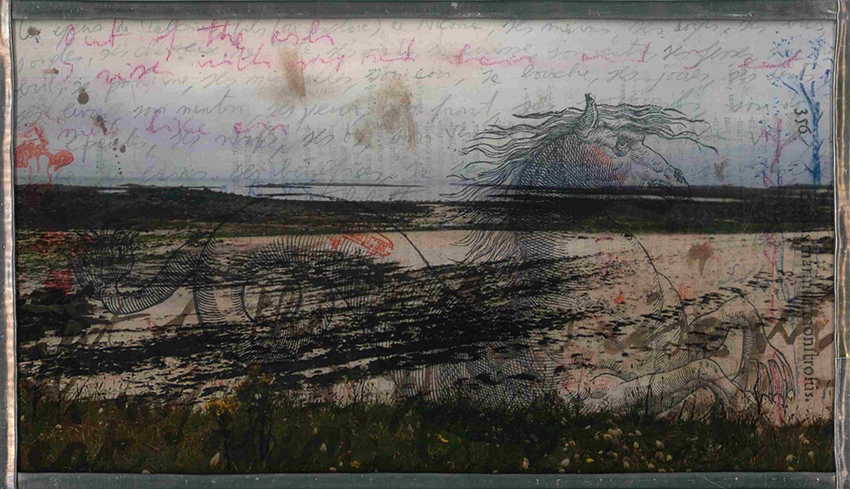 Histoire des monstres 08, Batz, 24×42, completed December 25.
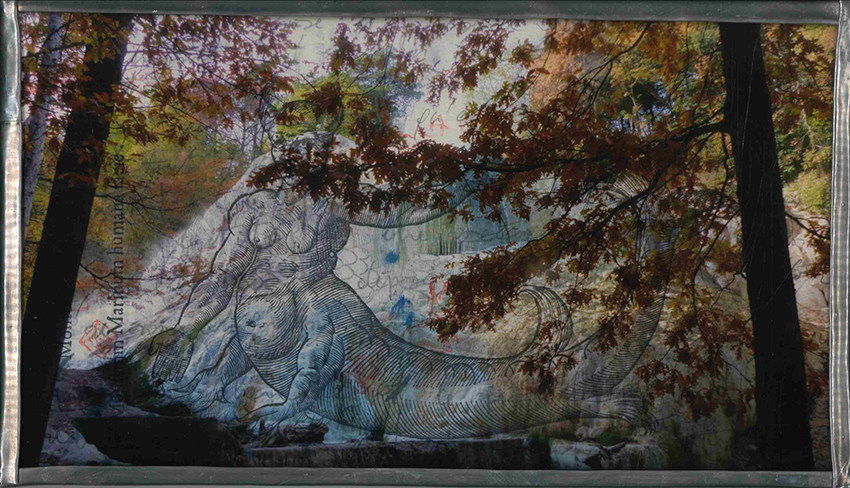 Histoire des monstres 09, Fosso bianco, 24×42, completed December 26.
 Histoire des monstres 10, Balena bianca, 24×42, completed December 27.
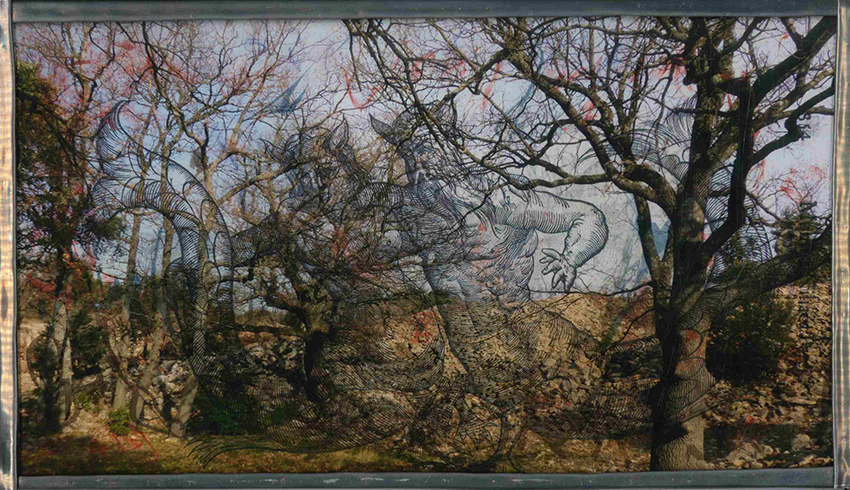 Histoire des monstres 11, Camp de César, 24×42, completed December 28.
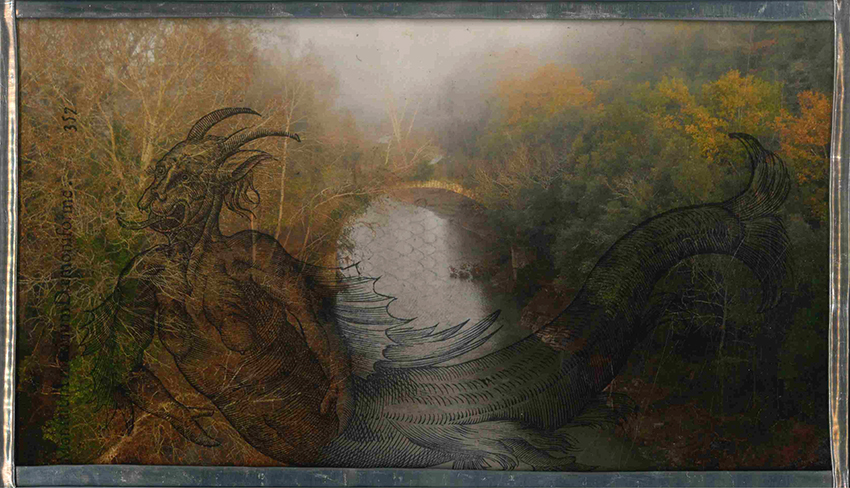 Histoire des monstres 12, Ponte san Pietro, 24×42, completed December 29.
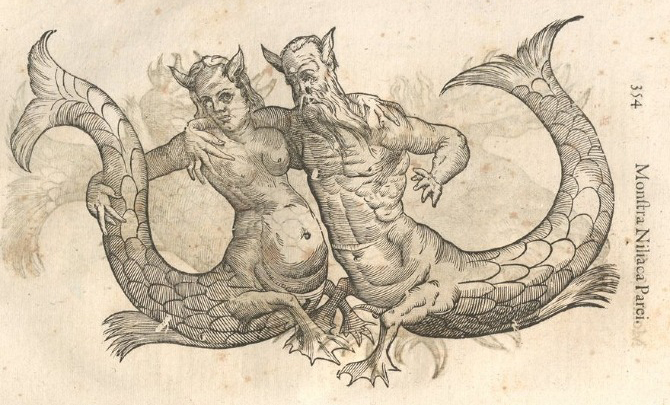 .
.


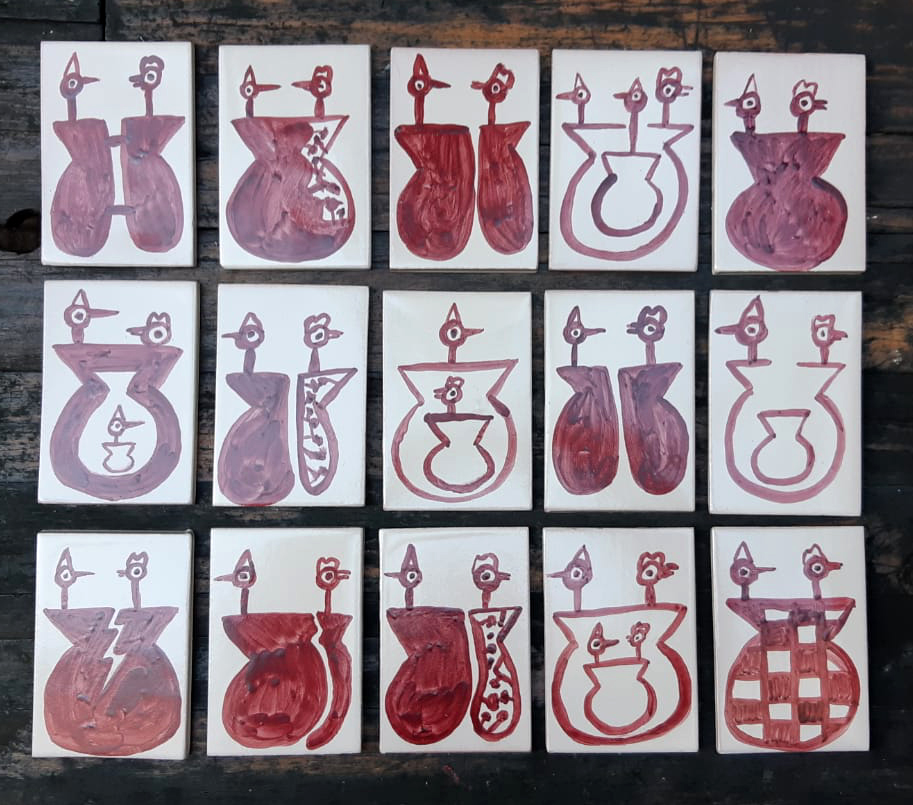
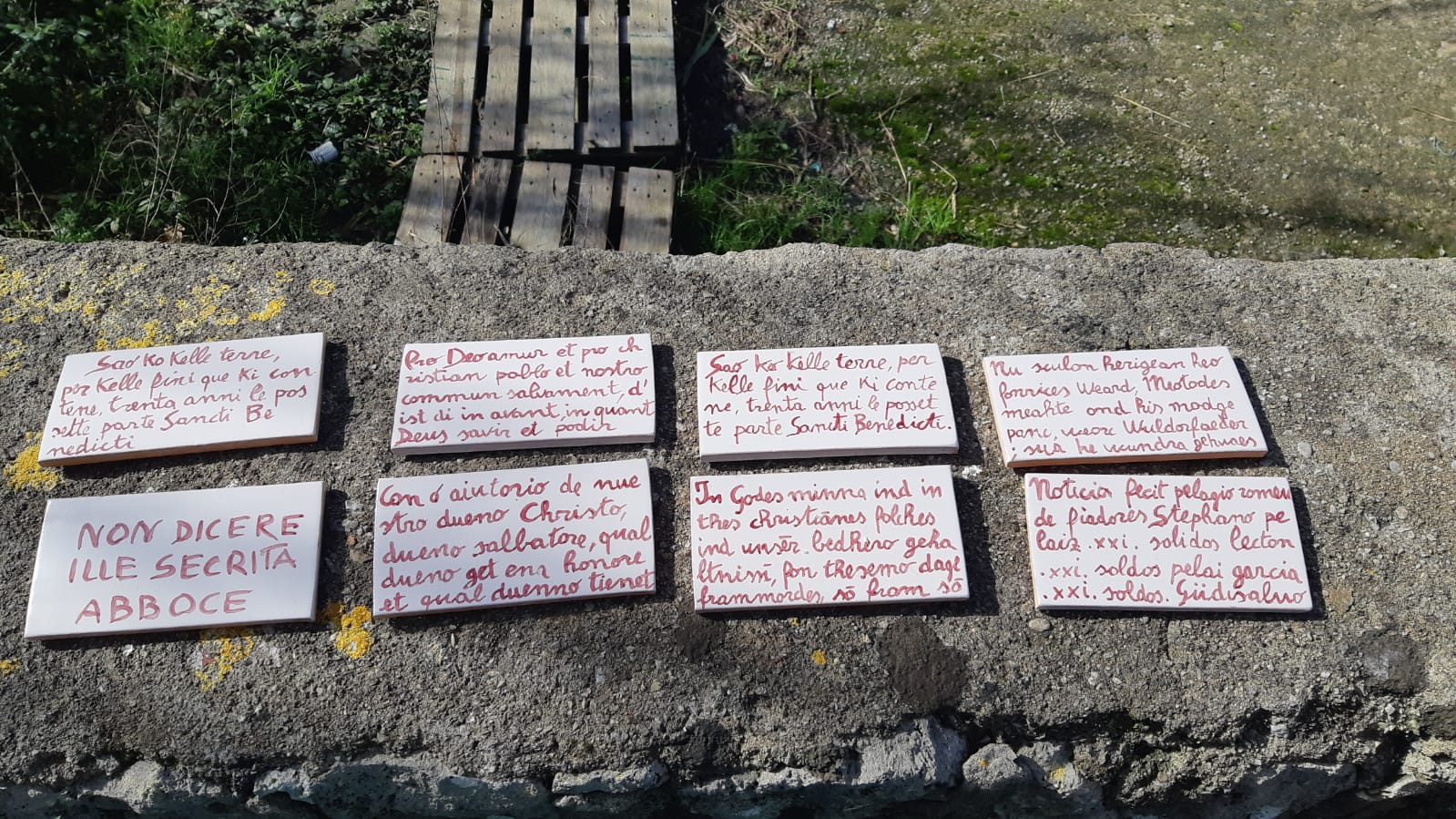
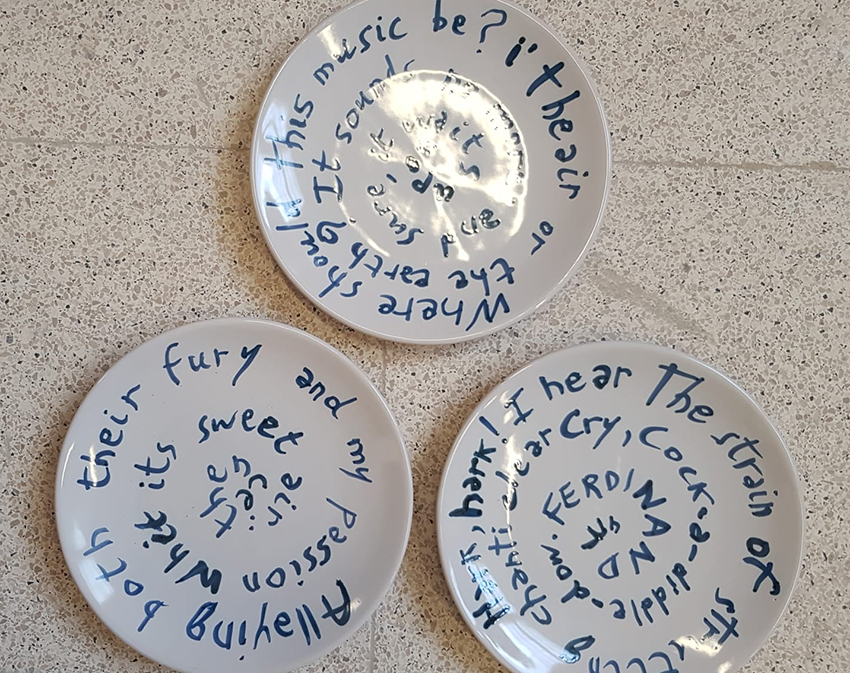
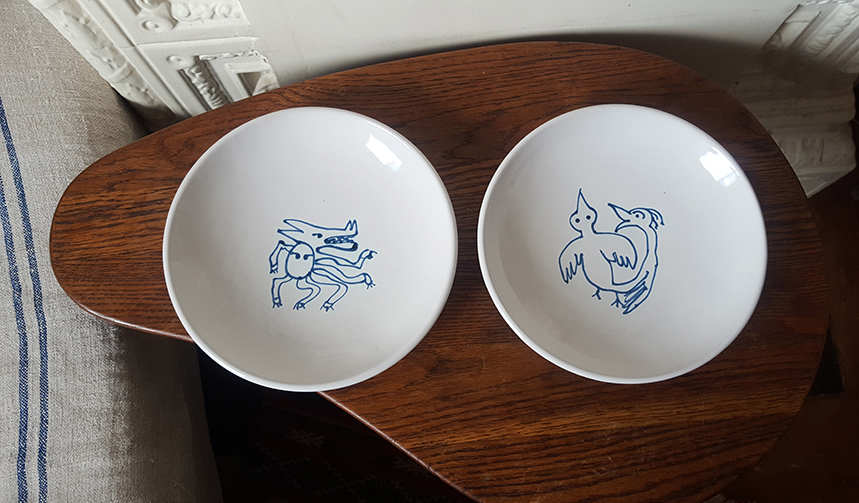
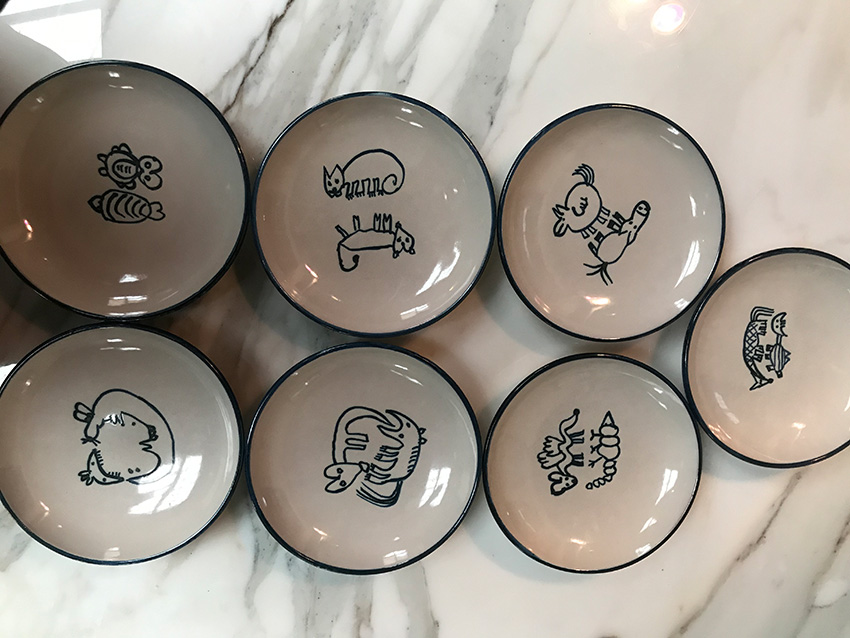
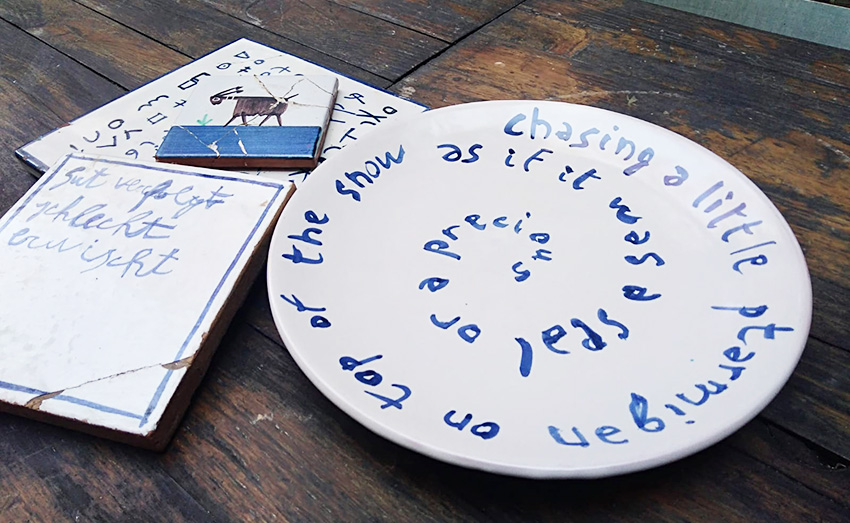
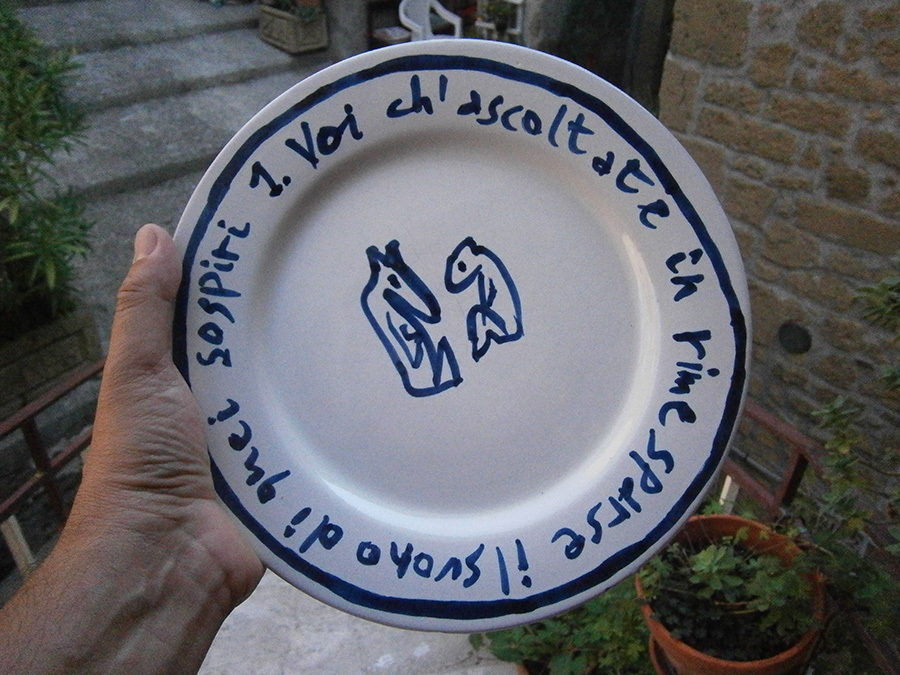
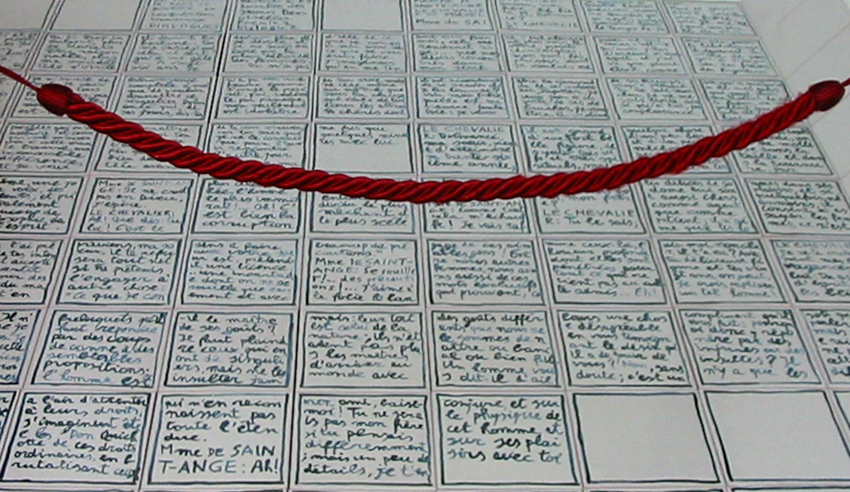
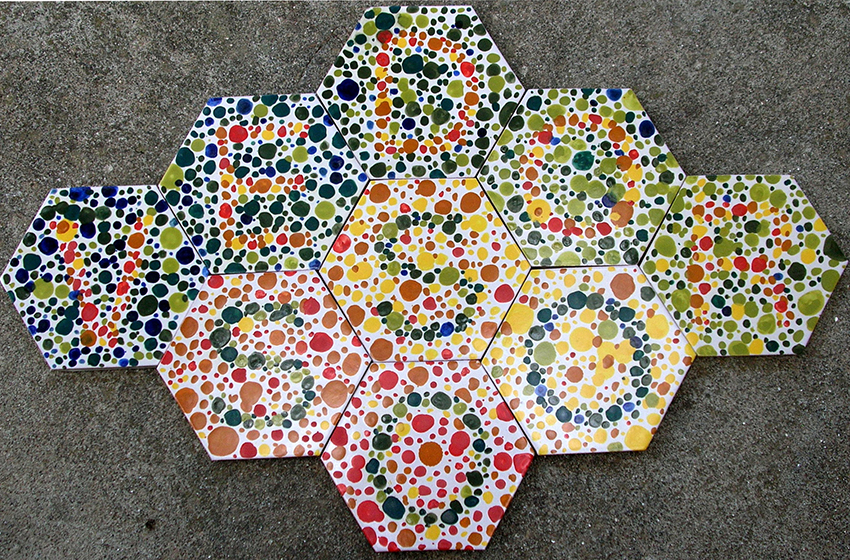
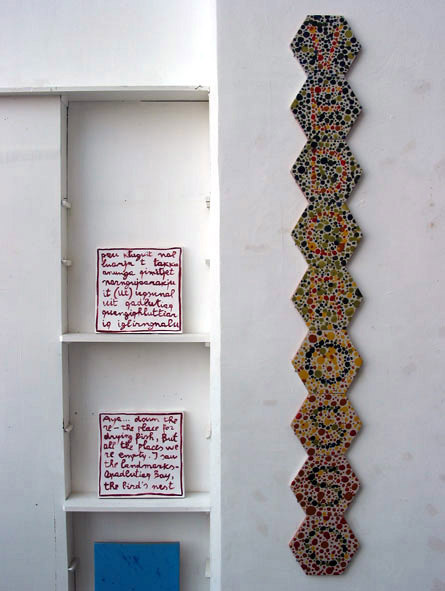
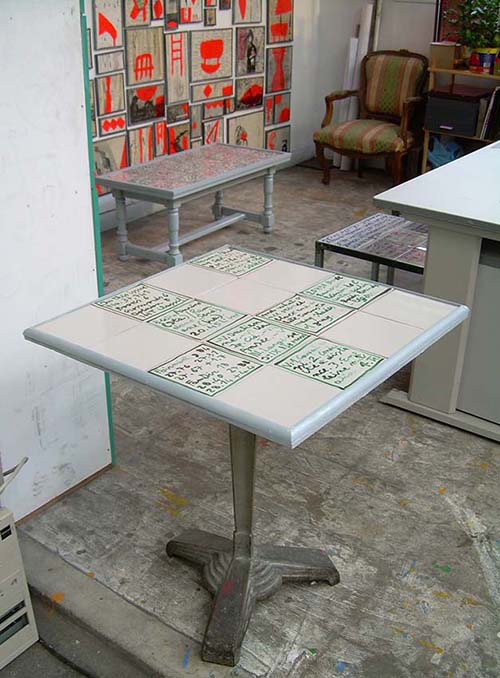
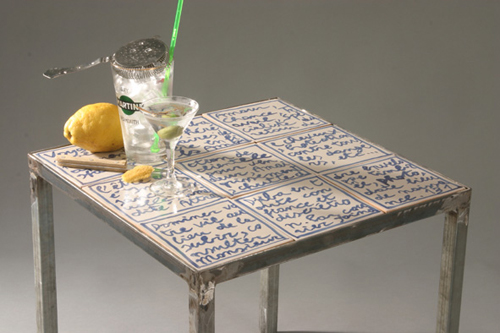
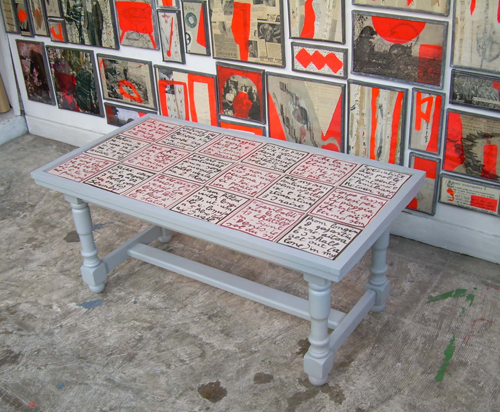
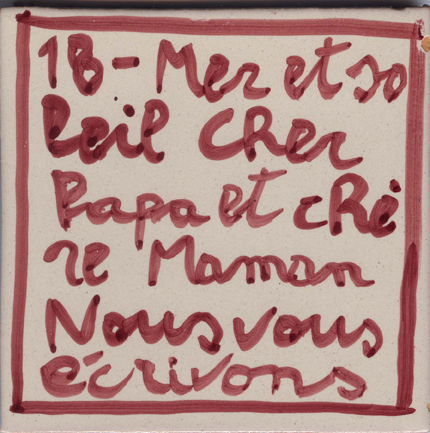
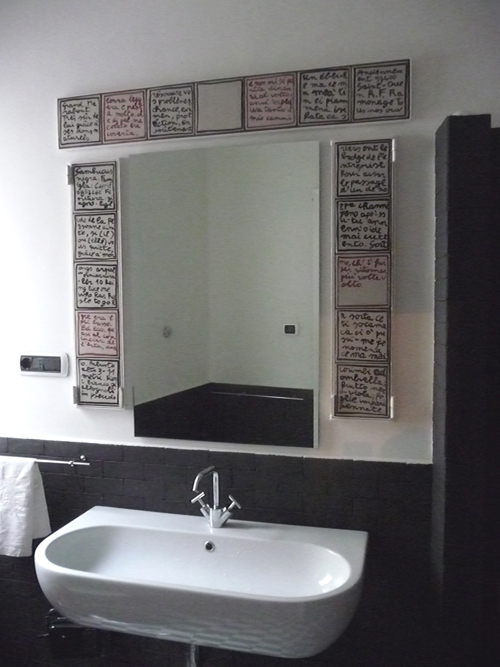
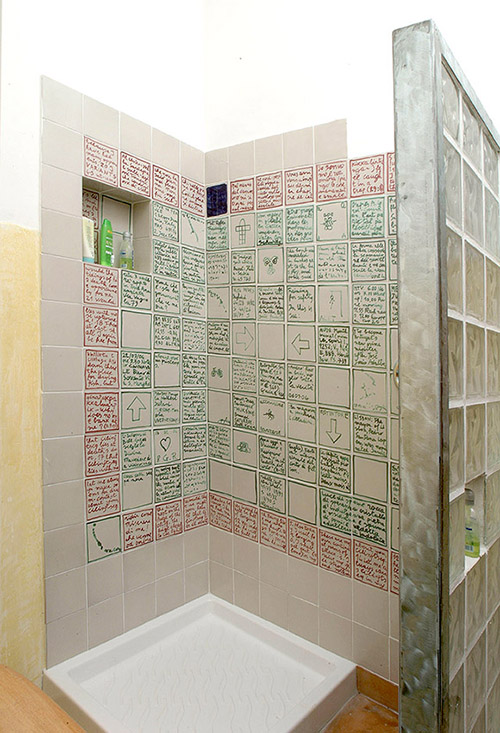
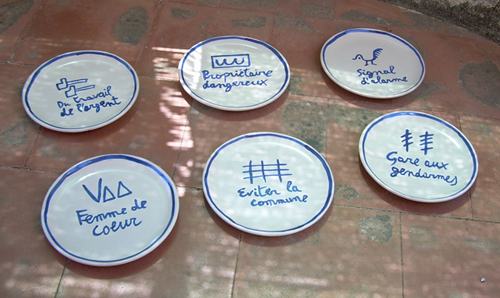
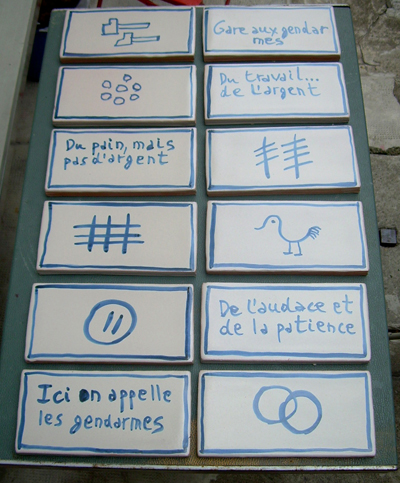
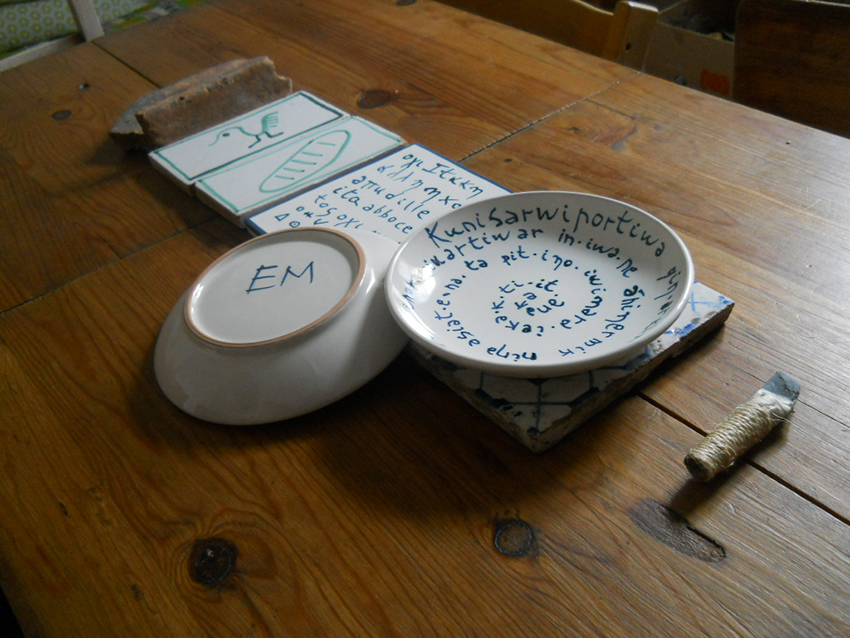


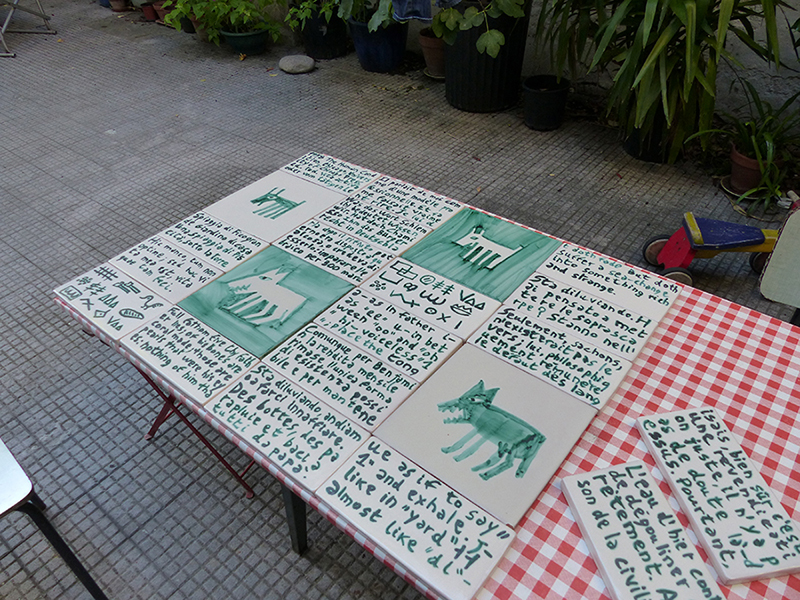
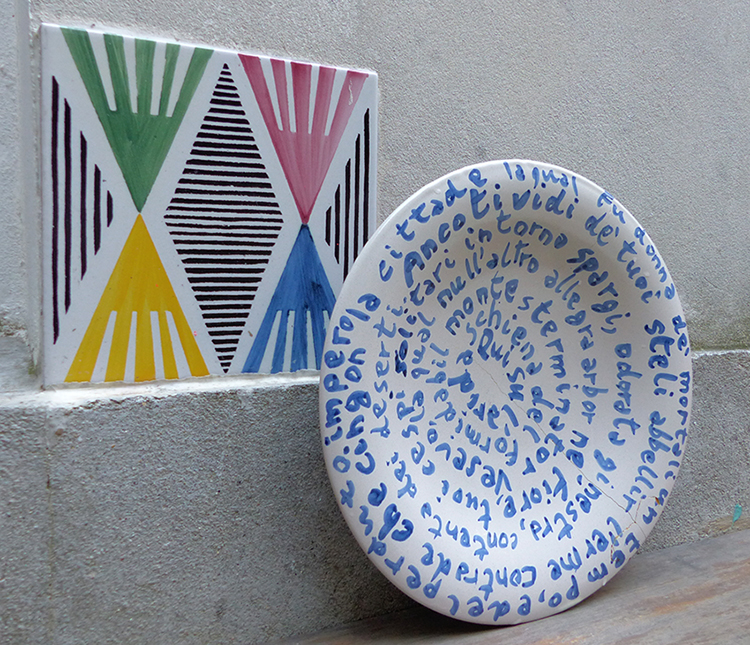
 Plat de Carême
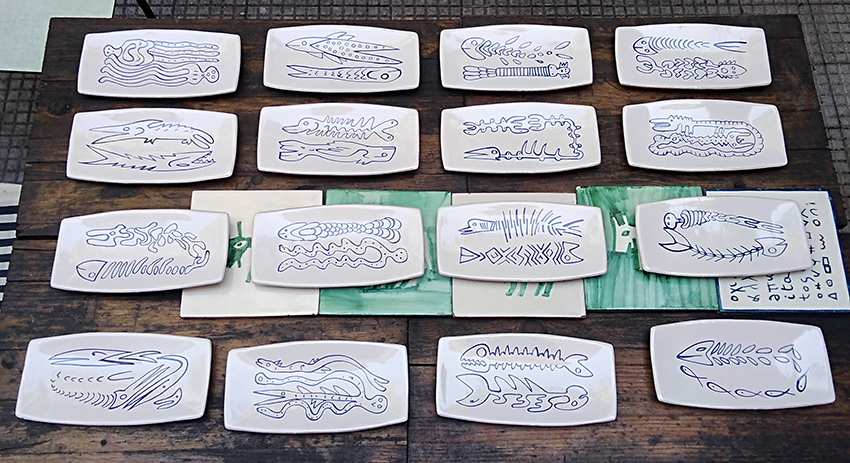 Sushi 13×26