Rupestrian/rupestri

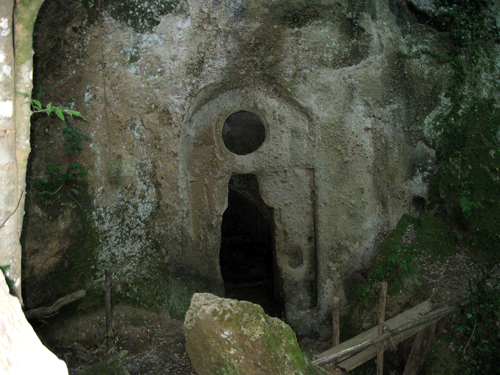
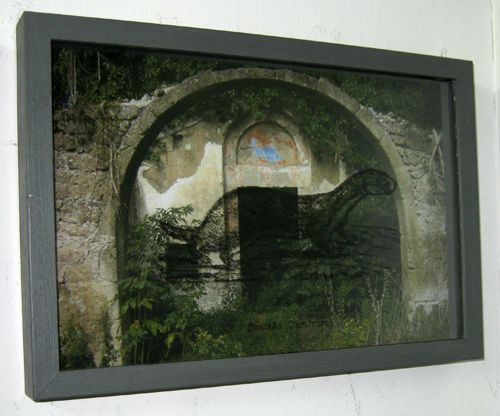
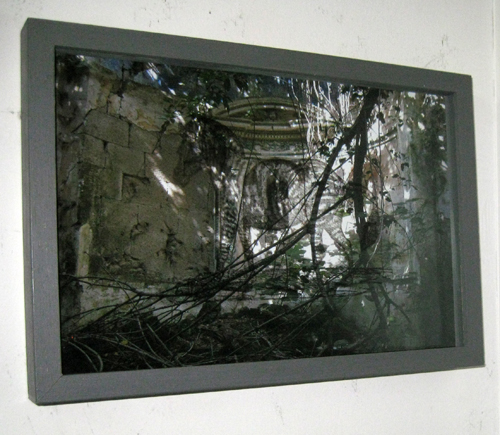
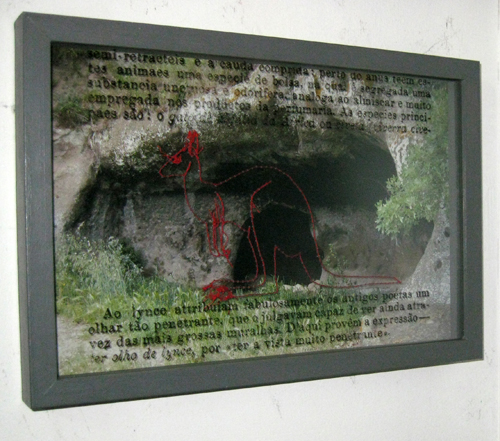
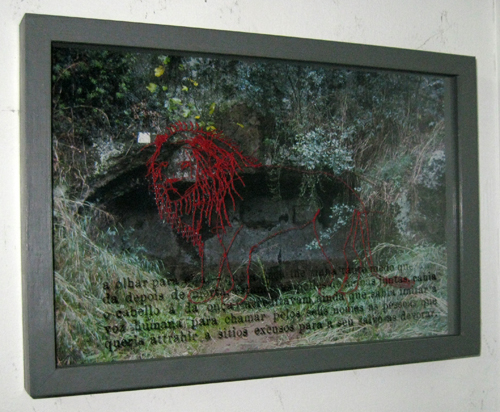
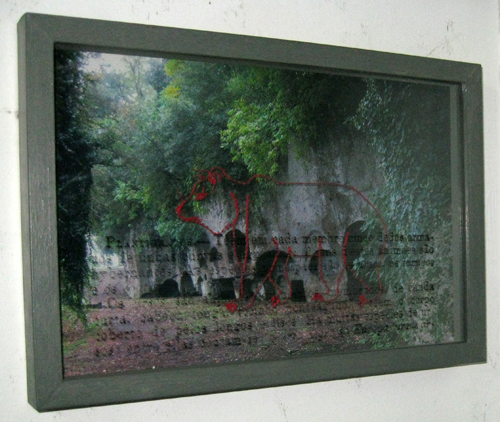
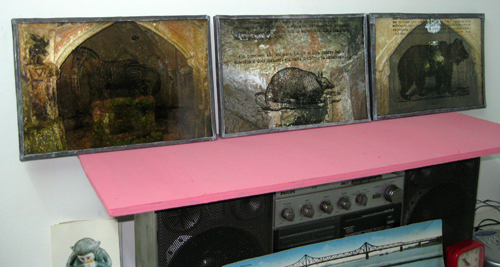
Although the term rupestrian denotes an art form ‘executed on or with rocks’ (e.g. tombs, sanctuaries, cave paintings or inscriptions), it can also refer to the process by which human-made creations fade away and become part of their surroundings. Rupestrian occurs at the meeting point of nature and history. It is not so much about working horizontally in space (e.g. Land Art) as engaging vertically with time, which serves as a medium in a process of stratification — a form of ‘reverse archaeology’.
(thanks to R. Lo giudice for the English version)

Se il termine “rupestre” definisce forme d’arte fatta su o con le rocce” (le tombe, i santuari, i graffiti, le pitture, i parchi dei mostri), puo’ anche essere impiegato per cio’ che rupestre diviene: i manufatti inselvatichiti, quando divengono parte della natura circostante (cit. Testa).
Si tratta di occuparsi della questione della natura, quando è stata fatta forma dall’intervento umano, e quando riprende i suoi diritti e riscrive la sua propria storia, mentre l’intervento umano svanisce poco a poco. “Rupestre” è il punto in cui natura e storia si incrociano: non si tratta tanto di lavorare orizzontalmente, nello spazio (come fa la Land art) quanto di avere come materia il tempo, in una pratica di stratificazione che sarebbe un’archeologia al negativo.

pg16-copy

rupestre-02-copy

rupestre-04-copy

rupestre-05-copy

rupestre-06-copy

rupestre-07-copy

rupestre-bis-copy

As an example of a site-specific installation, see:

Laralia, Norway 1999

Share this article from Salvatore Puglia's blog :
  • Digg
  • del.icio.us
  • Facebook
  • TwitThis
Cet article a été publié dans English Texts, Testi in italiano, Texts with images avec les mots-clefs : . Bookmarker le permalien. Les commentaires et les trackbacks sont fermés.